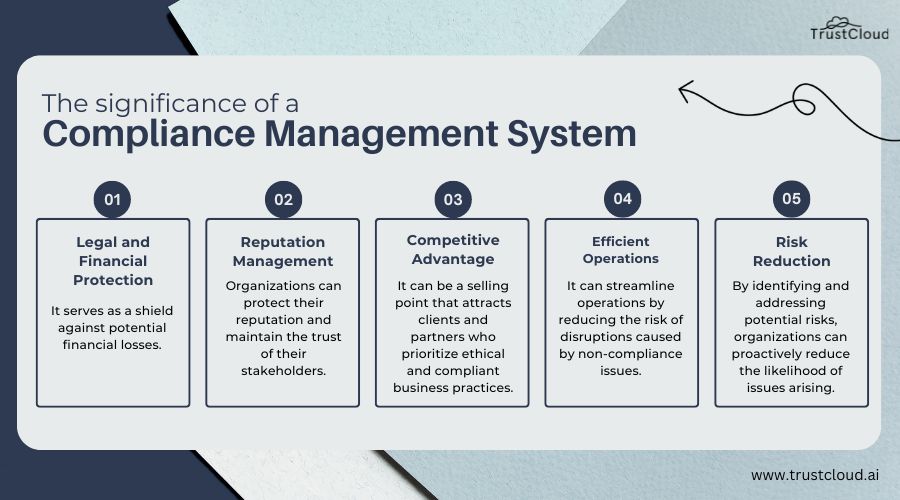
Managing compliance when your team is spread across different locations can feel overwhelming. You might worry about missing crucial regulations or struggling to keep everyone aligned.
But what if the right tools could make this easier for you? Tools for compliance management in remote organizations help you stay on top of rules, reduce risks, and keep your operations running smoothly—even when your team isn’t in one place.
You’ll discover how these tools work and which ones can transform your approach to compliance, so you can focus on growing your business with confidence. Keep reading to find out how to turn compliance from a challenge into your competitive advantage.

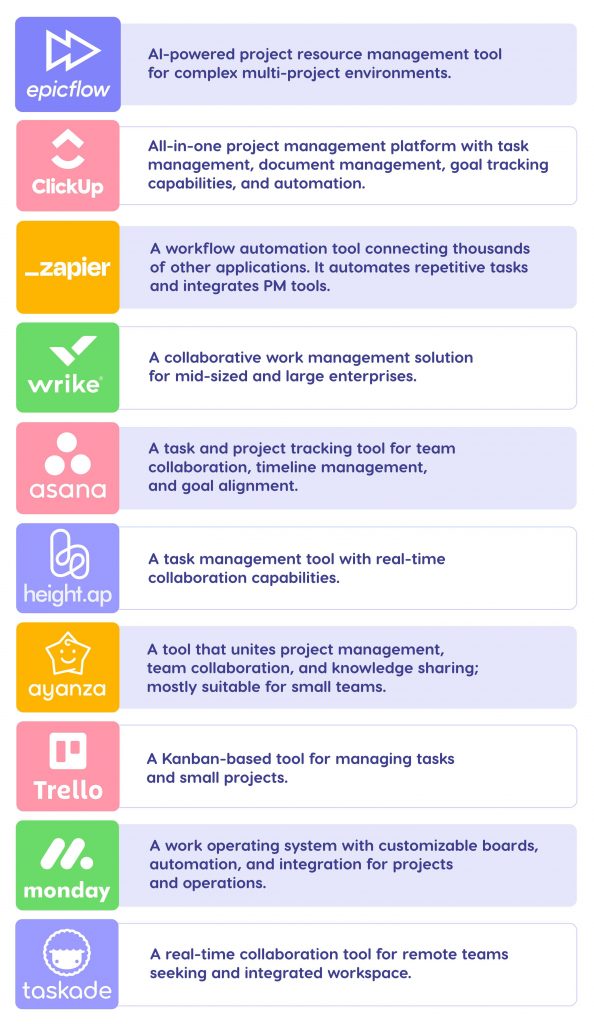
Credit: thectoclub.com
Compliance Management Tools
Compliance management tools help organizations follow rules and regulations easily. These tools organize tasks and keep track of compliance activities. They reduce errors and save time by automating many manual processes. Remote organizations especially benefit from these tools as they connect dispersed teams and ensure everyone stays aligned.
What Compliance Tools Do
Compliance tools monitor if a company meets legal and industry standards. They store important documents and records securely. These tools alert users about deadlines and policy changes. They also generate reports to show compliance status clearly. This helps managers make better decisions and avoid penalties.
Types Of Compliance Software
There are various types of compliance software available. Risk management tools identify and assess possible risks. Audit management software simplifies internal and external audits. Policy management tools help create, share, and update company policies. Training software ensures employees learn compliance rules properly. Many tools combine these functions for a complete solution.
Role In Remote Work
Remote work creates challenges for compliance management. Teams work from different locations and time zones. Compliance tools connect remote workers through cloud platforms. They provide real-time updates and centralized data access. These tools make it easier to track tasks and confirm compliance. They support smooth communication and reduce compliance risks for remote teams.
Top Solutions For Remote Organizations
Remote organizations face unique challenges in managing compliance. The right tools simplify these tasks and ensure consistent adherence to regulations. These solutions help automate processes, secure endpoints, monitor IT systems, control documents, and manage statutory requirements.
Sprinto For Automation
Sprinto automates compliance tasks to reduce manual work. It continuously monitors your compliance status and generates reports. This tool supports various standards like ISO, SOC 2, and GDPR. Sprinto helps remote teams stay audit-ready without extra effort.
Scalefusion For Endpoint Security
Scalefusion secures devices used by remote employees. It enforces security policies on laptops, phones, and tablets. The tool controls app usage, data access, and device settings. Scalefusion protects against data breaches and ensures endpoint compliance.
Netwrix For It Monitoring
Netwrix provides real-time monitoring of IT systems and user activities. It detects unusual behavior and potential security risks quickly. The tool delivers detailed audit logs for compliance audits. Netwrix helps maintain transparency across complex IT environments.
Qualtrax For Document Control
Qualtrax manages documents and workflows related to compliance. It tracks revisions, approvals, and distribution automatically. This tool ensures that all employees access the latest policies and procedures. Qualtrax reduces errors and supports audit readiness.
Lawrbit For Statutory Compliance
Lawrbit focuses on managing statutory and regulatory compliance efficiently. It tracks deadlines, filings, and legal updates in one place. The tool simplifies compliance with government laws and regulations. Lawrbit suits organizations that must meet strict statutory rules.
Features To Look For
Choosing the right tools for compliance management in remote organizations requires careful thought. The right features help maintain standards and reduce risks. These features ensure smooth operations and easy management of rules.
Below are key features that make compliance tools effective and user-friendly for remote teams.
Real-time Monitoring
Real-time monitoring tracks compliance status instantly. It alerts teams about any issues or breaches. This feature helps fix problems fast before they grow. It keeps the organization aware of its current compliance health.
Automation Capabilities
Automation handles routine compliance tasks automatically. It reduces manual work and human errors. Automated alerts, reports, and updates save time. This allows teams to focus on more important tasks.
User-friendly Interfaces
A simple, clear interface makes tools easy to use. Remote teams can quickly learn how to operate the system. It reduces confusion and training time. Good design improves user adoption and daily use.
Cloud-based Access
Cloud-based tools allow access from any location. Remote workers can connect using any device with internet. This ensures compliance management is always available. It supports flexible work schedules and global teams.
Integration With Communication Tools
Integration with chat and email apps improves workflow. Teams can receive compliance alerts where they already communicate. This feature keeps everyone informed without switching platforms. It boosts collaboration and faster response.
Credit: www.zluri.com
Benefits Of Using Compliance Tools
Compliance tools play a vital role in managing regulations for remote organizations. These tools help maintain order and reduce mistakes. They make complex processes easier and save valuable time. Using compliance tools brings many advantages that support smooth business operations.
Risk Reduction
Compliance tools identify risks early and prevent costly errors. They monitor activities and flag unusual actions immediately. This early detection helps teams fix problems before they grow. Reducing risks protects the company’s reputation and finances. It keeps remote teams safe and secure.
Streamlined Reporting
These tools automate data collection and create clear reports fast. They reduce manual work and human errors in reporting. Managers get real-time updates on compliance status across all locations. Streamlined reporting improves communication and decision-making. It saves time and effort for busy compliance teams.
Improved Regulatory Adherence
Compliance tools keep organizations aligned with current laws and standards. They update rules automatically and guide staff on necessary actions. This helps remote teams follow regulations without confusion or delay. Consistent adherence reduces fines and legal troubles. It builds trust with clients and regulators.
Enhanced Audit Readiness
These tools organize documents and records for easy access during audits. They track all changes and provide clear audit trails. Remote organizations stay prepared for audits at any time. Enhanced audit readiness speeds up the review process. It lowers stress and avoids penalties from incomplete records.
Best Practices For Remote Compliance
Managing compliance in remote organizations requires clear strategies and effective tools. Best practices help teams meet regulations without confusion or delay. Remote work can cause gaps in communication and oversight. These gaps increase the risk of compliance failures. Following structured approaches reduces these risks and keeps the organization safe.
Automating Compliance Tracking
Automation simplifies the monitoring of compliance tasks. Software tools can track deadlines and alert teams automatically. This reduces human errors and missed requirements. Automated tracking provides real-time updates on compliance status. Teams can focus on important actions rather than manual checks. Automation also generates reports that help with audits and reviews.
Maintaining Documentation
Proper documentation is key to proving compliance. Store all records in secure, cloud-based systems. This allows easy access for remote teams anytime. Keep documents well-organized and up to date. Regular reviews ensure accuracy and completeness. Clear documentation supports quick responses to compliance questions or audits.
Training Remote Teams
Regular training builds compliance knowledge in remote workers. Use online courses and webinars to reach all employees. Training should cover policies, procedures, and new regulations. Interactive sessions help employees understand their responsibilities better. Frequent refreshers keep compliance top of mind. Well-trained teams reduce the chance of violations.
Utilizing Collaboration Platforms
Collaboration tools connect remote teams and compliance managers. Platforms like Slack or Microsoft Teams enable instant communication. Teams can share updates and documents quickly. These tools support group discussions and problem-solving. Centralized communication improves transparency and accountability. Collaboration platforms keep compliance efforts coordinated and efficient.
Free And Open-source Options
Free and open-source tools offer remote organizations a cost-effective way to manage compliance. These options provide essential features without high licensing fees. Many remote teams benefit from these resources to maintain regulatory standards. They enable organizations to customize tools to specific needs. Open-source communities often support continuous improvements and updates. These tools can handle document management, risk assessment, and audit tracking. They fit well with remote work’s flexibility and varied compliance demands.
Available Tools
Several free and open-source tools cater to compliance management. OpenComplianceis popular for tracking regulatory changes and tasks. ComplianceForgeoffers templates and frameworks for policy development. Erambaserves as a full GRC (Governance, Risk, and Compliance) platform. OCEG’s Redbookprovides guidance and tools for compliance frameworks. SimpleRiskfocuses on risk management and reporting. These tools support remote teams by centralizing compliance data. They allow collaboration through cloud or self-hosted options.
Limitations And Advantages
Free and open-source tools reduce costs significantly. They allow flexibility and customization according to company needs. Users can modify the source code to add features. Community support helps solve issues and share best practices. These tools may lack dedicated customer support. Updates and patches depend on community activity. Some options may require technical skills to set up and maintain. Functionality might be basic compared to paid software. Still, they work well for small to medium teams. Open-source tools are ideal for organizations with limited budgets. They promote transparency and control over compliance processes.
Credit: www.zluri.com
Frequently Asked Questions
What Is A Compliance Management Tool?
A compliance management tool helps organizations automate and track adherence to laws and regulations. It streamlines risk management and reporting processes efficiently.
What Tool Would You Use To Find Your Control Compliance Status?
Use compliance management tools like Sprinto, Scalefusion, Netwrix, or Qualtrax to find your control compliance status accurately.
What Software Do Compliance Officers Use?
Compliance officers use GRC software like Sprinto, Scalefusion, Netwrix, and Qualtrax to automate and monitor regulatory compliance. These tools streamline workflows, manage risks, and ensure adherence to industry standards efficiently. Cloud-based solutions also support remote compliance management and documentation.
Which Is The Best Software For Statutory Compliance?
The best software for statutory compliance includes Sprinto, Scalefusion, and Lawrbit. These tools automate monitoring, document control, and risk management efficiently. Choose software that fits your industry needs to ensure accurate, continuous compliance with regulations.
Conclusion
Effective compliance management tools help remote teams stay aligned and secure. They simplify tracking rules and reduce risks daily. Choosing the right tool fits your organization’s unique needs and size. Regular updates and training keep everyone informed and prepared. Using these tools boosts confidence in meeting legal and industry standards.
Compliance becomes easier and less time-consuming with the right approach. Remote organizations can maintain strong control and avoid costly mistakes. Simple, clear solutions make compliance manageable for all team members.

Everett Ashford is a tech reviewer at mytechgrid.com specializing in SSDs, cameras, TVs, earbuds, headphones, and other consumer electronics. He provides honest, data-driven reviews based on hands-on testing and real-world performance analysis. Everett simplifies complex tech details to help readers make smart, confident buying decisions.