
Are you wondering if you need a license to ride an electric bike? You’re not alone.
Many people are excited about e-bikes but unsure about the rules. Knowing whether you need a license can save you time, money, and hassle. This article will clear up the confusion and give you the facts you need. Keep reading to find out exactly what the law says and how it affects your ride.

Credit: newurtopia.com
Electric Bike Basics
Electric bikes combine the ease of cycling with a boost from electric power. They offer a fun and efficient way to travel short or long distances. Knowing the basics helps you understand if you need a license to ride one.
Types Of Electric Bikes
- Pedelecs:These bikes provide power only when you pedal.
- Throttle Bikes:Power comes directly from a throttle without pedaling.
- Speed Pedelecs:Faster than regular e-bikes, they assist up to higher speeds.
- Folding E-Bikes:Compact and easy to carry, great for city use.
How Electric Bikes Work
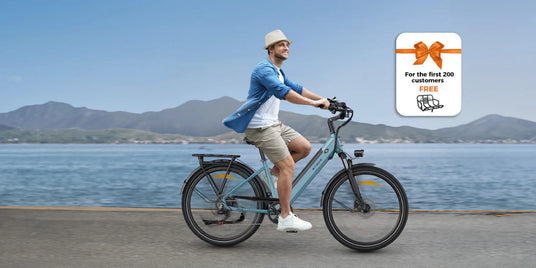
Electric bikes use a motor powered by a battery to assist riding. Sensors detect your pedaling and activate the motor. The motor helps reduce the effort needed to pedal.
Most e-bikes have a control panel to adjust power levels. Batteries usually recharge with a standard power outlet. The motor’s power and battery size affect speed and distance.
Credit: engwe.com
License Requirements By Region
Electric bike license rules vary widely across the world. Each region sets its own standards based on local safety and traffic laws. Knowing these rules helps riders avoid fines and ride safely. Here is a look at license requirements by region.
Rules In The United States
In the U.S., electric bike licensing depends on state laws. Most states classify e-bikes into three classes:
- Class 1: Pedal assist up to 20 mph, no license needed.
- Class 2: Throttle assist up to 20 mph, usually no license.
- Class 3: Pedal assist up to 28 mph, may require a license or age limit.
Some states require helmets and have age restrictions for faster e-bikes. Registration and insurance are rarely needed.
Regulations In Europe
Europe follows strict rules for electric bikes, often called “pedelecs.” Most EU countries allow e-bikes without a license if:
- The motor power is 250 watts or less.
- The motor stops assisting at 25 km/h (15.5 mph).
Faster or more powerful e-bikes are treated like mopeds and need a license, registration, and insurance. Helmet use is mandatory in some countries.
Laws In Asia And Other Areas
Asian countries have diverse e-bike laws. China allows e-bikes without licenses if motor power stays below 400 watts. Speed limits vary by city.
Japan requires a license for electric mopeds but not for low-speed e-bikes. India demands registration and a license for e-bikes above 25 km/h.
Other regions may follow local traffic laws or adapt European or American standards. Checking local rules before riding is always smart.
Age And Safety Restrictions
Understanding age and safety restrictions is essential before you hop on an electric bike. These rules help protect you and others while ensuring you enjoy your ride responsibly. Knowing what applies in your area can save you from fines and keep your biking experience smooth.
Minimum Age Limits
Most places set a minimum age for riding electric bikes to ensure riders have the maturity and coordination needed. This age often ranges from 12 to 16 years old, depending on local laws.
If you’re under the minimum age, you might need adult supervision or be restricted from using certain types of e-bikes, especially faster models. Have you checked your local regulations? It’s a good idea to do so before buying or riding an electric bike.
Helmet And Safety Gear Rules
Wearing a helmet is usually mandatory for electric bike riders, especially younger ones. Helmets reduce the risk of serious injury and are a simple way to protect yourself.
Some regions also require additional safety gear like gloves or reflective clothing when riding at night. Even if these aren’t legally required, adding them can improve your visibility and safety.
Imagine the difference a helmet made during a sudden fall—your head is protected, and you avoid serious harm. Would you risk riding without this basic gear?
Speed And Power Limits
Understanding speed and power limits is crucial when deciding if you need a license to ride an electric bike. These limits directly influence how electric bikes are classified and what legal requirements apply to riders. Knowing where your e-bike fits can save you from unexpected fines and make your riding experience safer.
Classifying Electric Bikes
Electric bikes are usually sorted into classes based on their maximum speed and motor power. For instance, many regions define Class 1 e-bikes as those with a motor that assists only up to 20 mph and a power limit of 750 watts. Class 2 might allow motorized throttle control but still cap the speed at 20 mph, while Class 3 e-bikes can assist up to 28 mph but often require additional safety gear.
These classifications help determine where you can legally ride and whether your e-bike is treated more like a bicycle or a motor vehicle. Think about how these distinctions would affect your daily commute or weekend rides. Would you prefer a faster ride but face more regulations, or keep it simple and license-free?
Impact On Licensing Needs
Your e-bike’s class usually dictates if you need a license. Bikes that stay within lower speed and power limits often don’t require one, making them more accessible. However, if your e-bike exceeds these thresholds, you might need a driver’s license or special permit.
Personal experience shows that many riders underestimate how these limits apply. I once spoke with someone who thought any electric bike was license-free, only to find out their faster model needed registration and a license. This confusion can cost time and money.
Ask yourself: How fast is your e-bike, and what power does it have? Checking these details helps you stay on the right side of the law and enjoy your ride without hassles.
Benefits Of Having A License
Having a license to ride an electric bike offers more than just legal compliance. It brings tangible benefits that can protect you and enhance your riding experience. Understanding these advantages helps you decide if getting licensed is the right step for you.
Legal Protection
A license serves as proof that you know the rules of the road. If you ever face a traffic stop or an accident, having a license can prevent unnecessary fines or legal trouble. It shows that you’ve taken the time to learn safety measures and follow regulations.
Imagine being involved in a minor collision. Without a license, you might face more severe penalties or liability issues. With one, you are better positioned to defend yourself and prove your legitimacy as a rider.
Insurance Advantages
Insurance companies often require a valid license to provide coverage for electric bikes. Having a license can lower your insurance premiums and ensure you are covered in case of theft or accidents.
Without insurance, you risk paying out-of-pocket for damages or medical bills. With it, you gain financial peace of mind and access to support when you need it most.
- Licensed riders may qualify for special discounts.
- Insurance claims process tends to be smoother with a license.
- Some providers offer extended coverage options exclusively to licensed riders.
Do you want to avoid unexpected expenses and legal hassles? Getting licensed might just be the smart choice you haven’t considered yet.
Steps To Get A License
Getting a license to ride an electric bike involves clear steps that ensure you understand the rules and safety requirements. These steps help you ride confidently and legally, avoiding fines or penalties. Let’s walk through what you need to do to get your license.
Required Tests And Documentation
You usually need to pass a written test that covers traffic laws and electric bike regulations. Some places also require a practical riding test to show you can handle the bike safely in real traffic conditions.
Be ready to provide certain documents when applying. These often include:
- Proof of identity (like a passport or ID card)
- Proof of residence
- Medical certificate or health declaration in some areas
- Completed application form
Some regions might ask for additional paperwork, so double-check with your local licensing office. Have you checked what specific tests or documents your area requires?
Costs And Processing Time
Getting a license usually involves fees for the tests and the license itself. These costs can range from $20 to $100 depending on where you live.
Processing time varies as well. In some places, you might get your license the same day after passing tests, while in others it could take a few days or weeks.
It’s smart to budget both time and money before starting the process. Planning ahead keeps you from surprises and delays.
Alternatives To Licensing
If you’re wondering whether you need a license to ride an electric bike, it’s worth knowing there are alternatives that might fit your situation better. These options can help you enjoy the benefits of electric biking without the hassle of getting a license. Understanding these alternatives can save you time and open up new ways to ride legally and safely.
Using Pedal-assist Modes
Many electric bikes come with pedal-assist modes, which only provide power when you pedal. This design often keeps the bike within legal limits that don’t require a license. You get to pedal along with a boost, making your ride easier without crossing into motor vehicle territory.
Pedal-assist usually limits the bike’s speed to around 20 mph, which keeps it classified as a bicycle in many places. If you love the idea of a little extra help on hills or long rides but don’t want to deal with registration or licensing, this mode is a smart choice.
Have you tested how far you can go with pedal-assist before your legs start complaining? Many riders find it extends their range and enjoyment without extra paperwork.
Registering As A Moped Or Motorcycle
If your electric bike exceeds speed or power limits, registering it as a moped or motorcycle might be necessary instead of getting a traditional bike license. This process varies by location but often includes getting insurance, a license plate, and sometimes a special permit.
Registering your e-bike this way lets you legally ride faster and more powerful machines, but it does add responsibilities. You might need to wear a helmet, follow traffic laws for motor vehicles, and pass inspections.
Think about how often you’ll use your bike and where. Is the extra speed worth the hassle of registration and insurance? For many, the freedom to travel faster justifies the extra steps.
Future Trends In E-bike Laws
The world of electric bikes is changing quickly. Laws about riding e-bikes will also evolve to match new trends. Understanding these future changes helps riders stay safe and legal. The focus is on balancing safety with the benefits of electric bikes.
Upcoming Legislative Changes
Many places plan to update their e-bike rules soon. These changes might include:
- New age limits for riders
- Different license requirements
- Stricter speed limits
- Clearer definitions of e-bike classes
Governments want to reduce accidents and confusion. They will likely create rules that fit local traffic and road types. Riders should watch for updates to avoid fines or penalties.
Technological Advances Affecting Regulations
E-bike technology is improving fast. Innovations like better batteries and smart controls impact laws. For example:
- Speed limiters that adjust automatically
- GPS tracking for theft prevention
- Integration with traffic systems
These tech advances can make e-bikes safer and easier to regulate. Lawmakers may require certain features to meet new safety standards. Riders will benefit from smarter, safer e-bikes in the future.

Credit: zensportsy.com
Frequently Asked Questions
Do I Need A License To Ride An Electric Bike?
In most places, you do not need a license for low-speed electric bikes. However, higher-speed e-bikes may require a license. Always check local laws to confirm specific requirements in your area before riding.
What Age Is Required To Ride An Electric Bike?
Age requirements vary by location but typically riders must be at least 14 or 16 years old. Some regions have different age limits depending on the e-bike’s speed and power. Verify your local regulations before riding.
Are Helmets Mandatory For Electric Bike Riders?
Helmet laws differ by region. Many places require helmets for riders under a certain age, often 18. Even if not legally required, wearing a helmet is strongly recommended for safety while riding an electric bike.
Can I Ride An Electric Bike On Public Roads?
Yes, you can ride electric bikes on most public roads, but some areas restrict e-bike access. Speed limits and bike lane rules may apply. Always follow local traffic laws to ensure safe and legal riding.
Conclusion
Rules for riding electric bikes vary by location and bike type. Some places need a license; others do not. Knowing local laws keeps you safe and legal. Riding responsibly helps avoid fines and accidents. Always check your area’s regulations before riding.
Enjoy your electric bike with confidence and care.

Everett Ashford is a tech reviewer at mytechgrid.com specializing in SSDs, cameras, TVs, earbuds, headphones, and other consumer electronics. He provides honest, data-driven reviews based on hands-on testing and real-world performance analysis. Everett simplifies complex tech details to help readers make smart, confident buying decisions.