
Top picks: Crucial X10 for speed, Samsung 870 EVO for internal, SanDisk Extreme for durability.
I live in the US, right in the heart of Nashville, where a DAW crash or a slow drive can stall a session and break the creative flow. I’ve had full-band tracking days hinge on one thing: how fast and reliable my storage is. If you produce music with large sample libraries, multi-track sessions, and high-res stems, the best ssd drive for music production isn’t a luxury—it’s a lifeline. In this guide, I’ll share what actually works in a real studio, from lightning-fast externals for mobile rigs to safe, steady internal upgrades for desktops and laptops. I’ll help you choose the best ssd drive for music production for speed, reliability, and workflow, so you can focus on the mix—not the loading bar.
Crucial X10 1TB Portable SSD (Blue)
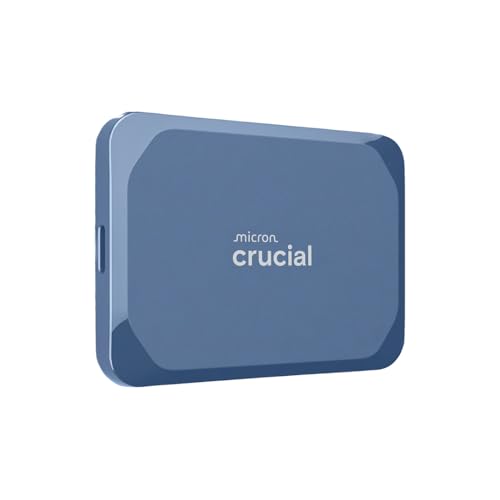
The Crucial X10 is a pocket-sized rocket that delivers up to 2,100 MB/s when connected to a compatible USB 3.2 Gen 2×2 port. That level of speed is outstanding for music production. You can stream huge Kontakt libraries, bounce stems, and move multi-gigabyte projects without lag. The body feels solid, and the cable quality is dependable. In a mobile rig, this kind of speed means you can edit, comp, and export in real time without your drive becoming the bottleneck. It also stays fairly cool under sustained loads, which helps keep sessions stable.
Do note that you’ll only reach the top speed if your machine supports 20 Gbps (USB 3.2 Gen 2×2). Many laptops have 10 Gbps ports, which will cap real-world speeds closer to 1,000 MB/s. Even so, the X10 remains snappy and reliable. For producers who bounce between studio and stage, or between home and school, the X10’s blend of speed, size, and resilience makes it a strong contender for the best ssd drive for music production. It handles quick backups, rapid sample imports, and live playback with confidence.
Pros:
- Very fast for an external USB drive (up to 2,100 MB/s on 20 Gbps ports)
- Pocketable design that fits any mobile studio or laptop bag
- Cool and stable during long copy and export jobs
- Great for streaming large orchestral and cinematic sample libraries
- USB-C convenience with broad OS compatibility
Cons:
- Needs a USB 3.2 Gen 2×2 port to hit peak speeds
- Included cable length may be short for desk setups
- Premium price per terabyte versus slower drives
My Recommendation
If you chase speed for heavy sessions, this is a clear top pick. The Crucial X10 is ideal for composers who stream large libraries and engineers who need quick renders. If you want the best ssd drive for music production in a pocket form factor, this is hard to beat on a modern port. It’s also great for live playback rigs where every millisecond of load time counts and where stability matters when you hit play in front of a crowd.
Choose the X10 if you love fast sample loads, rapid track transfers, and a small, tough drive that keeps up with your creative flow. It’s built for today’s mobile creators who don’t want to wait. If you’re on a budget or have older ports, it still performs very well at 10 Gbps and will future-proof your setup for your next machine.
| Best for | Why |
|---|---|
| Maximum external speed | Up to 2,100 MB/s with Gen 2×2 ports keeps big sessions snappy. |
| Large sample libraries | Streams heavy Kontakt/Spitfire templates without stutter. |
| Live and mobile rigs | Compact, cool, and reliable under long sets and travel. |
SanDisk Extreme 2TB Portable SSD (Sky Blue)

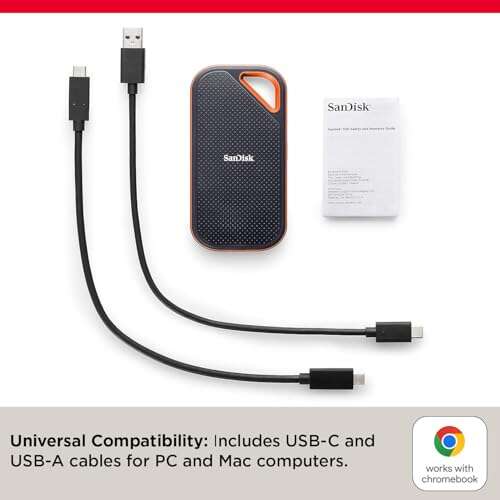
The SanDisk Extreme 2TB Portable SSD (Sky Blue) balances speed and toughness for creators on the move. Rated up to 1,050 MB/s over USB 3.2 Gen 2, it easily handles 96 kHz multitrack sessions, large sample folders, and fast bounce workflows. The rubberized shell and IP65 water and dust resistance add peace of mind when you’re working on location or bouncing between studios. SanDisk has issued updated firmware to improve reliability, which matters when you rely on a drive during a busy week of sessions.
In practice, this model hits the sweet spot between performance and price. It’s not as fast as a 20 Gbps drive, but for most DAW tasks, it feels instant. Dragging stems, archiving projects, and streaming drum kits all work smoothly. The carabiner loop makes it easy to clip to a bag or rack. For many users, this might be the best ssd drive for music production because it protects your data while keeping your workflow fast enough for modern projects. It’s a smart, rugged pick for day-to-day use.
Pros:
- Rugged build with IP65 water and dust resistance for field work
- Solid 1,050 MB/s speeds for DAW and sample streaming
- Updated firmware focused on reliability improvements
- Lightweight with a handy loop for bags and rigs
- Good value for 2TB capacity versus faster, pricier drives
Cons:
- Not as fast as 20 Gbps (Gen 2×2) drives
- Performance can drop on very hot days without airflow
- Short cable may limit placement on crowded desks
My Recommendation
Pick this if you want a rugged, reliable external that keeps pace with a full day of edits and bounces. It’s the best ssd drive for music production when you need a safe, travel-ready drive that still feels quick. I’d trust it for mobile recording, college labs, and constant handoffs between producers. It’s a dependable partner in a backpack-ready form factor.
If you value protection, capacity, and price, the Sky Blue SanDisk Extreme fits well. It’s great for producers who work in coffee shops, vans, or live venues and need gear that can take a few knocks. If you later upgrade to a faster host port, it will still serve as an excellent backup or sample drive.
| Best for | Why |
|---|---|
| Mobile producers | Rugged shell and IP65 rating for travel and field sessions. |
| Daily DAW work | Plenty fast for edits, bounces, and sample streaming. |
| Budget-friendly 2TB | Strong performance-to-price with updated firmware. |
Samsung T7 1TB Portable SSD (Gray)
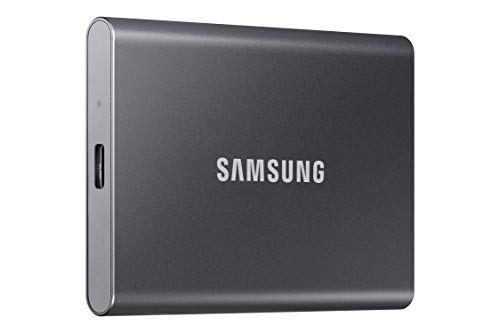
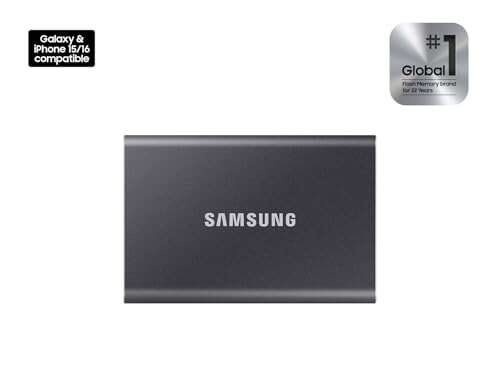
The Samsung T7 is a proven favorite in studios and classrooms. It’s slim, fast enough for most DAW jobs at up to 1,050 MB/s, and works with Windows, macOS, and many USB-C tablets. I’ve used the T7 to store sample packs, loop libraries, and live show stems without hiccups. Its thermal management keeps speeds consistent during long writes, which helps when you print stems or archive a full project. The metal body feels sturdy and resists scuffs in a crowded backpack or rack.
What makes the T7 stand out is its mix of reliability, price, and wide compatibility. You can format it exFAT for cross-platform use or APFS/NTFS for your main OS. It’s a great grab-and-go drive for producers who swap between machines. For many musicians, this is the best ssd drive for music production when you want a no-drama, trusted brand that performs day after day. It’s easy to recommend to students, home studios, and touring players who need steady speed without paying for bleeding-edge performance.
Pros:
- Trusted brand with a strong track record in portable SSDs
- Up to 1,050 MB/s for smooth DAW sessions and sample loads
- Compact, sturdy metal build that travels well
- Stable performance across long transfers and backups
- Good price for 1TB; often discounted during sales
Cons:
- Not as rugged as silicone-clad drives
- Caps at 10 Gbps; not a 20 Gbps device
- Short cable may need an extender for desktop setups
My Recommendation
The Samsung T7 is ideal if you want a “set it and forget it” portable. It’s the best ssd drive for music production for students and gigging players who value consistency and affordability. It’s quick enough for multi-track sessions, film cues, and light video edits tied to music work. If your projects are large but not huge, the T7 hits the mark.
Choose the T7 for cross-platform collaboration and fast daily use. It shines when you pass files between Macs and PCs or keep your libraries on one drive. If you later need more space or speed, keep the T7 as a backup or a dedicated stem drive. The value holds up over years of use.
| Best for | Why |
|---|---|
| Students and home studios | Reliable, affordable, and fast enough for most DAWs. |
| Cross-platform sharing | Works smoothly across macOS, Windows, and USB-C tablets. |
| Everyday session work | Stable thermal design during long saves and exports. |
SanDisk Extreme 2TB Portable SSD (Black)
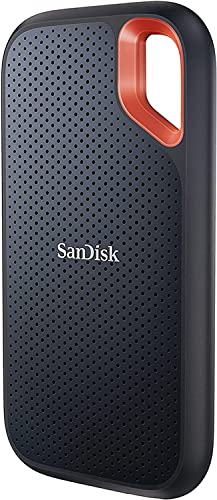
This black SanDisk Extreme 2TB Portable SSD is a studio staple for a reason. It’s small, fast up to 1,050 MB/s, and built to survive life on the go. The silicone exterior gives a confident grip and adds shock resistance. The carabiner loop is handy for travel and quick setup on stage. In day-to-day production, it handles large sample folders and arrangement files with ease. You can back up a full album’s worth of sessions in minutes. For many, it’s the best ssd drive for music production because it delivers the essentials with rugged peace of mind.
Firmware updates have improved reliability, which I value when moving client work between studios. While it’s not a 20 Gbps speed demon, the balance of price, longevity, and speed suits most DAW tasks. If you use 10 Gbps USB-C ports, you’ll see near-peak performance. It’s also a good travel companion for filmmakers who hand off audio stems with video. For hybrid creators who bounce between audio and content, this drive hits the sweet spot with minimal fuss and strong protection.
Pros:
- Rugged silicone shell with a secure loop for travel
- Consistent 10 Gbps-class speed for most DAW workloads
- Improved reliability thanks to updated firmware
- Great value in the 2TB range, often on sale
- Compact and easy to mount or clip in a live rig
Cons:
- Not as fast as 20 Gbps externals for huge projects
- Thermal throttling can appear in hot environments
- Short cable; may need a longer one for desktop use
My Recommendation
If you want a tough, reliable travel drive, this black SanDisk Extreme is worth it. It’s the best ssd drive for music production for touring artists, field recordists, and editors who want speed and security in one. The performance is enough for big sessions and library streaming. The ruggedness saves you from heartache when life happens on the road.
Pair it with a 10 Gbps port for the best experience. Set it as a sample drive, a session drive, or a live playback drive. It will hold up well and remain useful as your backup drive later. The balance of price and protection makes it a smart main drive today and a reliable safety net tomorrow.
| Best for | Why |
|---|---|
| Travel rigs | Rugged build and loop make it road-ready. |
| Live playback | Fast loads for stems and backing tracks. |
| Project backups | 2TB capacity and stable performance for archiving. |
Samsung 870 EVO 1TB SATA III SSD (Internal)
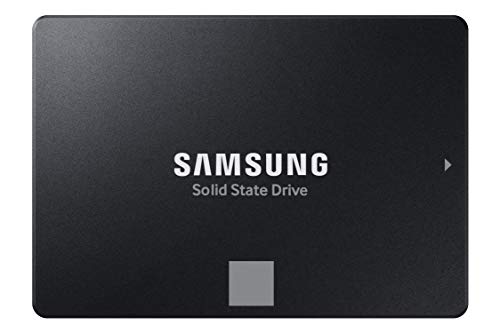
If you’re upgrading a desktop or a laptop with a 2.5″ bay, the Samsung 870 EVO is the gold standard for internal SATA SSDs. It’s not about headline-grabbing numbers. It’s about consistent, dependable speed near the SATA limit, low latency, and industry-leading endurance. For music production, that means fast boots, quick DAW launches, and zippy project loads. It reduces hiccups when browsing libraries. It also runs cool and quiet, which helps in a studio space where fan noise is a distraction. This is a safe and smart base for your main production machine.
While NVMe drives are faster on paper, the 870 EVO still feels snappy for DAW use. Many producers keep their OS and DAW on an internal like the 870 EVO and then use an external SSD for projects and libraries. This combo is excellent value. The 870 EVO’s reliability record is strong, backed by solid NAND and controller design. If you want the best ssd drive for music production inside an older machine, or you want a worry-free system drive, this is the upgrade that often makes a PC or Mac feel new again.
Pros:
- Rock-solid reliability with a long track record in studios
- Fast and steady performance at the SATA limit
- Cool and quiet, perfect for recording spaces
- Excellent as an OS/DAW drive with quick boot and load times
- Great value to refresh older desktops and laptops
Cons:
- Slower than modern NVMe and 20 Gbps externals
- Requires opening your computer to install
- Limited by SATA interface ceiling (~560 MB/s)
My Recommendation
Install the 870 EVO if you want a stable, quiet system drive that boots fast and never complains. It’s the best ssd drive for music production when you’re modernizing a trusted workstation or a tour laptop with a 2.5″ bay. Pair it with a fast external SSD for projects, and you get a balanced, pro-grade setup that feels responsive all day.
This drive makes older gear feel modern. Your DAW opens faster, your system feels stable, and your sessions load without stutter. For many producers, that reliability is priceless. If you need the best ssd drive for music production for an internal upgrade, the 870 EVO is the obvious call. It gives you years of steady performance for a fair price.
| Best for | Why |
|---|---|
| System drive upgrades | Makes OS and DAW fast, stable, and quiet. |
| Older machines | Revives desktops/laptops with a simple 2.5″ swap. |
| Budget performance | Great price-to-reliability for daily studio work. |
FAQs Of best ssd drive for music production
How much SSD capacity do I need for music production?
Start with 1TB if you use moderate sample libraries. Choose 2TB or more for film scoring, orchestral templates, or large stem archives. Backups should match or exceed your main drive size.
Is a 20 Gbps external SSD worth it over 10 Gbps?
Yes, if you stream big libraries or move huge projects. A 20 Gbps drive reduces load times and speeds exports. For lighter work, 10 Gbps feels fast enough and costs less.
Should I keep my DAW on an internal SSD?
Yes. Keep your OS and DAW on a fast internal SSD for instant boots and launches. Store projects and libraries on a fast external SSD for flexibility and easy backups.
What file system should I use for cross-platform work?
Use exFAT for Windows/macOS compatibility. For Mac-only, APFS is great. For Windows-only, NTFS is fine. Always back up before reformatting.
Will a faster SSD lower my plugin latency?
No. Latency depends on your audio interface and buffer size. A faster SSD speeds loading, saving, and sample streaming, but not round-trip latency.
Final Verdict: Which Should You Buy?
If you want raw external speed, the Crucial X10 is my top pick. For a tough, daily driver at a fair price, the SanDisk Extreme 2TB models are excellent. Need a bulletproof internal upgrade? The Samsung 870 EVO refreshes any DAW machine.
The best ssd drive for music production depends on your workflow. For 20 Gbps speed, go X10. For rugged value, pick SanDisk Extreme. For internal reliability, the 870 EVO stands tall.

Everett Ashford is a tech reviewer at mytechgrid.com specializing in SSDs, cameras, TVs, earbuds, headphones, and other consumer electronics. He provides honest, data-driven reviews based on hands-on testing and real-world performance analysis. Everett simplifies complex tech details to help readers make smart, confident buying decisions.