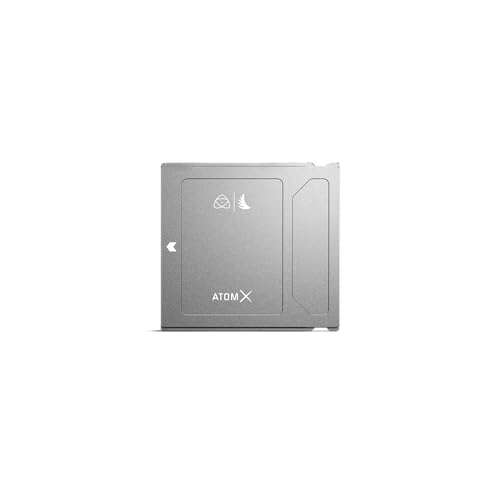
The Angelbird AtomX SSDmini lineup is the safest, most reliable pick for Ninja V.
I live in the US, and I shoot a lot in Austin, Texas, where weather shifts fast and gigs run long. If you record ProRes or ProRes RAW to an Atomos Ninja V, you need rock-solid media that does not drop frames or corrupt files when the camera rolls. That is what the best ssd for Atomos Ninja V solves: zero drama, clean offloads, and enough room to get through a full wedding, documentary interview day, or a commercial with many takes. In this guide, I’ll break down the top choices, show the pros and cons, and help you pick the right drive for your work.
Angelbird AtomX SSDmini 2TB for Atomos

The Angelbird AtomX SSDmini 2TB is designed for Atomos recorders and sized to fit the Ninja V without a bulky caddy. It speaks SATA 3.1 up to 6 Gb/s and is tuned for long, stable recording. In real use, that means steady write speeds during hour-long takes and fast offloads at the end of the day. If you shoot ProRes 422 HQ or ProRes RAW at 4K60, this 2TB capacity hits a sweet spot: it holds a lot, it stays cool, and it resists dropped frames. Angelbird’s firmware and power-loss protection features are purpose-built for field work and frequent start-stop recording.
Angelbird rates this drive for up to 8K workflows, which also makes it future-proof if you add a Ninja V+ or Shogun to your kit later. While the Ninja V tops out at 4K, having headroom is smart, especially for RAW, high frame rates, or high data rate All-Intra codecs. The SSDmini form factor keeps your rig tidy, and the build quality handles travel, hot cars, and quick swaps on set. In short, this is the best ssd for Atomos Ninja V if you want a trusted, no-guess choice that is already known to work in high-pressure shoots.
Pros:
- Atomos-optimized SSDmini size fits the Ninja V without a caddy
- Excellent sustained write speed for 4K60 ProRes and ProRes RAW
- Large 2TB capacity reduces card swaps on long days
- Power-loss protection helps prevent file corruption
- Future-proof headroom for higher data rates and 8K recorders
- Rugged build for travel and field shoots
- Fast offload speeds for tight client deadlines
Cons:
- Priced higher than DIY caddy + consumer SSD options
- May require a specific reader for fastest offloads
- Availability can fluctuate near peak production seasons
My Recommendation
If you need the best ssd for Atomos Ninja V for paid shoots, this is the easy pick. I trust the Angelbird AtomX SSDmini 2TB when I shoot long interviews, live events, or multi-cam projects where I can’t afford a drive hiccup. It is purpose-built, vetted for the platform, and sized right for the Ninja V. The higher price buys reliability, stable firmware, and time saved on set. If you shoot RAW or want to keep one media standard across different Atomos recorders, this 2TB model is hard to beat for consistency, speed, and simplicity.
| Best for | Why |
|---|---|
| Professional 4K60 ProRes/RAW | Stable write speeds and Atomos-focused design |
| All-day event coverage | 2TB capacity reduces swaps and keeps you rolling |
| Future Atomos upgrades | Rated for higher data rates and 8K recorders |
Angelbird AtomX SSDmini 1TB for Atomos

The Angelbird AtomX SSDmini 1TB brings the same Atomos-ready design in a smaller capacity. For many shooters, 1TB is the perfect size for run-and-gun work, travel jobs, or indie films where you offload between scenes. It fits the Ninja V without a caddy and holds up to 4K ProRes or ProRes RAW recording at pro bitrates. You get the same firmware tuning, power-loss protection, and reliable sustained performance. If you do many short projects, or if you prefer to split a shoot across multiple drives for safety, 1TB can be a smart way to manage your media.
I also like 1TB when I want to hand off a drive to a client without sending my largest media asset away for weeks. It keeps costs reasonable and keeps you light on travel days. Offloads are fast, and the SSDmini form factor keeps your rig balanced on a gimbal or shoulder setup. If you want the best ssd for Atomos Ninja V with a lower entry price and the same trusted build as the 2TB, this is it. It is a safe, proven pick for commercial content, YouTube, weddings, and doc shorts.
Pros:
- Atomos-optimized design fits Ninja V cleanly
- Trusted stability for ProRes and ProRes RAW
- Balanced price for a professional-grade drive
- Great for travel and gimbals due to low weight
- Fast, reliable offloads at the end of the day
- Easy to build a set of labeled 1TB media
Cons:
- Less capacity than 2TB; more swaps on long shoots
- Cost per TB is higher than the 2TB model
- May need multiple drives for all-day events
My Recommendation
Pick this if you want the best ssd for Atomos Ninja V in a smaller, more affordable size. It is ideal for solo creators, travel shooters, and crews with a strong offload routine. You still get the stability of the SSDmini line with less up-front cost. I like it for jobs where I shoot a few hours, offload to two backups, and reset for the next day. If you shoot shorter segments or prefer to archive by project, 1TB is easy to manage and track.
| Best for | Why |
|---|---|
| Travel and gimbal work | Light, compact, and balanced on small rigs |
| Short-form commercial jobs | Enough capacity with pro reliability |
| Budget-conscious pros | Lower entry price while staying Atomos-approved |
AndyCine Pre-Assembled mSATA Drive (Atomos)
This AndyCine option is a pre-assembled mSATA SSD solution designed to slip into Atomos recorders like the Ninja V or Shogun series. The appeal is simple: it is ready out of the box, often lighter, and usually more budget-friendly than branded SSDmini media. For shooters building a starter kit, or anyone who wants a spare drive for B-cam or BTS coverage, this kind of pre-assembled drive can be very handy. It is also a nice backup if you want to keep a clean slate between locations. The form factor helps keep your recorder compact, and the plug-and-record setup is straightforward.
That said, drive controllers and firmware vary between mSATA options, and not every configuration appears on the official Atomos approved list. For many ProRes 422 and 422 HQ workflows at 4K, performance is fine. For RAW, high frame rates, or long takes, you should test before a paid shoot. Format in the Ninja V, run a sustained record for 10–15 minutes, and check for dropped frames. If your use is YouTube, short interviews, or casual B-roll, this can be the best ssd for Atomos Ninja V on a tight budget. Just confirm the real capacity and model specs before you rely on it.
Pros:
- Pre-assembled and ready to go
- Often lower cost than branded recorder media
- Compact, light, and easy to pack
- Good for short-form ProRes recording
- Works well as a spare or backup drive
Cons:
- Not always on the official Atomos approved list
- Controller and firmware can vary by batch
- May not be ideal for long RAW or high-bitrate jobs
My Recommendation
If you shoot on a budget, or need an extra drive for safety, consider this AndyCine option. It can be the best ssd for Atomos Ninja V for lighter gigs, B-roll, or as a backup when you want more flexibility on set. I would not use it as my only media for a one-take event or a critical client delivery. But for basic projects, short interviews, or BTS, it is very practical. Always run a test on your exact camera and codec before the real job, and format in the recorder to avoid file system quirks.
| Best for | Why |
|---|---|
| Budget shooters | Lower cost while staying compact and convenient |
| Backup/B-cam media | Ready-to-use spare for extra coverage |
| Short-form ProRes | Works well for non-RAW recording and brief takes |
Lunchbox III 870EVO SSD Case for Atomos

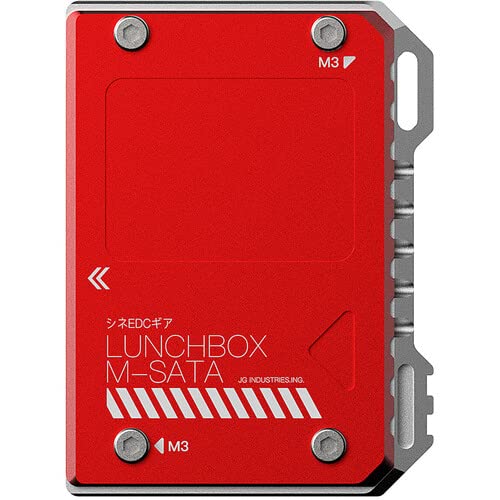
The Lunchbox III is a dedicated case and adapter system that lets you use popular SATA SSDs like the Samsung 860/870 EVO and QVO inside Atomos recorders. It is a smart way to leverage drives you already own or to reduce media costs while keeping a rugged, recorder-friendly shell. The magnalium alloy housing is designed to handle on-set use, and the fit aims to mimic the feel of official caddies. If you like to buy multiple lower-cost SSDs and rotate them across projects, this route can be very cost-effective and flexible.
The key is choosing the right SSD to put inside. The Samsung 870 EVO is a strong performer with reliable sustained writes for most 4K ProRes workflows, while QVO drives may be slower under sustained load. Always test your specific drive and codec in the Ninja V before a paid job, and follow Atomos’ advice to format the media in the recorder. For many shooters, this adapter is the best ssd for Atomos Ninja V strategy because it cuts media costs, yet keeps a robust, well-fitting caddy. It is also easy to label and organize across long shoots or multi-editor teams.
Pros:
- Use common 860/870 EVO/QVO SATA SSDs in your Ninja V
- Lower cost per terabyte versus branded recorder media
- Rugged housing for daily field use
- Great for building a labeled media set
- Flexible: swap drives based on job size and codec
Cons:
- Performance depends on the SSD you install
- QVO drives can slow down under long sustained writes
- Bulkier than SSDmini; may add a bit of weight
My Recommendation
If you want the best ssd for Atomos Ninja V on a tight per-project budget, this adapter is a great tool. Pair it with Samsung 870 EVO drives for the best balance of speed and value, and run a 10–15 minute test on your highest data rate before the real shoot. I like this option when I need lots of labeled drives for doc series or when clients want to keep media. It helps you scale your kit, cuts cost per TB, and stays robust enough for daily use.
| Best for | Why |
|---|---|
| Cost-effective media kits | Use affordable SATA SSDs to scale storage |
| Doc and long-form work | Easy to label and hand off to clients |
| Mixed codec jobs | Swap SSDs to match bitrate and run-time |
Lunchbox II SATA SSD Case for Ninja V/V+
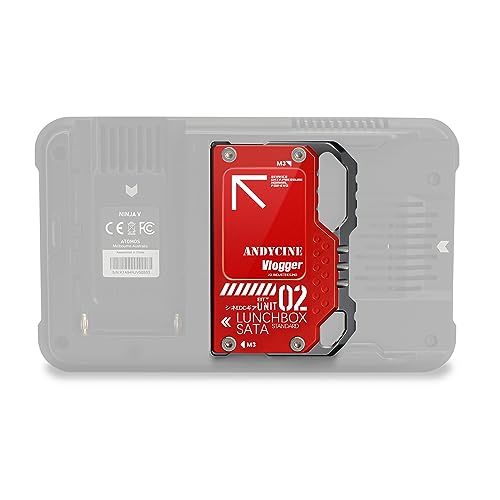
The Lunchbox II is another SATA SSD case built for Atomos recorders like the Ninja V, V+, and Shogun line. Think of it as a rugged, reusable caddy that lets you run common 2.5-inch SATA SSDs such as Samsung 860/870 EVO or QVO. If you like to buy several SSDs and rotate them by project, this approach is simple and flexible. It saves money, it is durable enough for daily shoots, and it keeps your recorder comfortable in the hand. The fit aims to mirror the feel of official media and helps maintain a secure SATA connection during bumps and battery swaps.
When used with a proven SATA drive, the Lunchbox II can perform beautifully for 4K ProRes work. For higher data rates or RAW, select an SSD model that is known for strong sustained writes, and always test. The best ssd for Atomos Ninja V is the one that records clean under your exact codec, FPS, and environment. With this case, you gain control over costs and can tailor drive choice to each job. It’s an excellent way to build a large media pool without paying a premium for every piece of recorder-branded storage.
Pros:
- Lets you use widely available 2.5-inch SATA SSDs
- Lower long-term cost compared to recorder-branded media
- Rugged and reusable with easy SSD swaps
- Great for teams that manage many labeled drives
- Works across multiple Atomos models (Ninja, Shogun)
Cons:
- Size is larger than SSDmini form factor
- Performance varies by the SSD you install
- Not as plug-and-play as a single-piece solution
My Recommendation
Choose the Lunchbox II if you want to run several affordable SATA SSDs with your Ninja V or V+. This can be the best ssd for Atomos Ninja V plan when you need a lot of labeled media for doc series, reality, or multi-day events. It helps keep costs in check while maintaining a robust, recorder-friendly housing. Match it with a high-quality SSD like a Samsung 870 EVO for All-Intra and ProRes 422/HQ. Do a quick record test for RAW or high bitrate. This caddy is a dependable hub for a flexible, scalable media kit.
| Best for | Why |
|---|---|
| Scalable storage | Swap multiple SATA SSDs as projects grow |
| Budget-conscious teams | Lower cost per TB with a durable caddy |
| Multi-recorder rigs | Works across Ninja and Shogun platforms |
FAQs Of best ssd for atomos ninja v
What is the safest, most reliable media for Ninja V?
Angelbird AtomX SSDmini drives are the safest choice. They are built and tuned for Atomos recorders. For many pros, that is the best ssd for Atomos Ninja V.
Can I use Samsung 870 EVO or QVO with Ninja V?
Yes, with a compatible caddy like Lunchbox II/III. 870 EVO is preferred for sustained writes. Always test your exact codec and frame rate.
How much capacity do I need for 4K ProRes?
For full-day shoots, 2TB is ideal. For short jobs or travel, 1TB works well. The best ssd for Atomos Ninja V depends on your run-time and codec.
Should I format the SSD in the Ninja V?
Yes. Format in the recorder for best performance and file system compatibility. This helps avoid errors and dropped frames.
Will a faster SSD improve quality?
It won’t change image quality. It prevents dropped frames and file errors. A proven drive is still the best ssd for Atomos Ninja V.
Final Verdict: Which Should You Buy?
If you want the safest pick, go with Angelbird AtomX SSDmini. The 2TB is best for long days. The 1TB is great for travel. Both keep the Ninja V small and reliable.
On a budget, pair Lunchbox II/III with a good SATA SSD like 870 EVO. Always test your workflow. For most pros, the best ssd for Atomos Ninja V is the Angelbird SSDmini.

Everett Ashford is a tech reviewer at mytechgrid.com specializing in SSDs, cameras, TVs, earbuds, headphones, and other consumer electronics. He provides honest, data-driven reviews based on hands-on testing and real-world performance analysis. Everett simplifies complex tech details to help readers make smart, confident buying decisions.