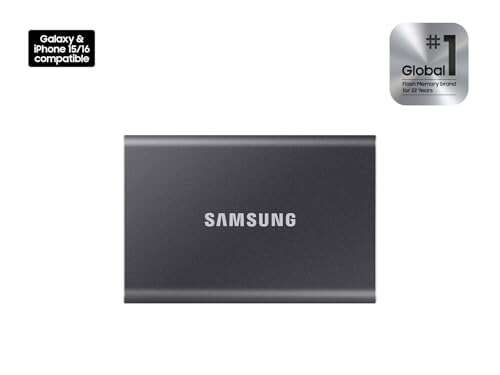
Top picks for best ssd for music production: Samsung T7, SanDisk Extreme, Crucial X10.
I live in the US, right outside Nashville, where a full session can jump from 24 tracks to 200 in one night. When my DAW coughs in the middle of a take because my samples stream slow, the session’s mood dies. That is why I stopped trusting spinning drives for anything but cold storage. If you work with big Kontakt libraries, live multitrack sessions, or frequent bounces, you need an SSD that opens projects fast, streams without hiccups, and survives daily gigs. Below, I break down the best ssd for music production that I trust for speed, reliability, and value.
Samsung T7 Portable SSD (1TB, 1,050MB/s)
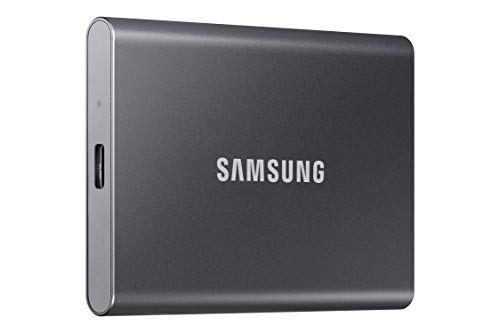
The Samsung T7 1TB nails the sweet spot for most DAW users. It is small, silent, and very fast for daily work. On a USB 3.2 Gen 2 port, I have seen read speeds near the rated 1,050MB/s, which is great for big sample libraries. Projects open fast, previews feel instant, and freeze/unfreeze tasks move quickly. It is also bus-powered, so one USB-C cable is all you need. Thermal control is solid for short and medium bursts. For long copies, it slows a bit but stays safe. The metal body feels tough enough for a backpack or gig bag.
Setup is simple. I format it exFAT when I need both Mac and Windows. If I am Mac-only, APFS works fine. The T7 supports AES 256-bit hardware encryption if you want to lock sessions. That is handy for work-for-hire projects and client stems. I also like Samsung Magician for quick checks and firmware updates. For most producers, this drive hits the right mix of speed, price, and size. Whether I am in Ableton, Logic, Pro Tools, or Studio One, it keeps sessions smooth. For many, it is the best ssd for music production under $100 per terabyte.
Pros:
- Fast 1,050MB/s reads for smooth sample streaming
- Compact, light, and bus-powered over USB-C
- Reliable performance for DAWs and large libraries
- Hardware encryption for client security
- Works on Mac and Windows with simple formatting
Cons:
- Thermal throttling during very long sustained writes
- No IP-rated rugged shell
- Not as fast as Gen 2×2 drives
My Recommendation
If you need a dependable everyday drive, this is a smart buy. It is fast enough for most sample libraries and multitrack sessions. It is a good choice if you record at home and travel sometimes. It is also very friendly if you switch between a desktop and a laptop. For many creators, the Samsung T7 1TB is the best ssd for music production when you want great speed without overpaying.
| Best for | Why |
|---|---|
| Everyday DAW work | Fast enough for large sessions and sample streaming |
| Mobile producers | Small, light, and powered by one USB-C cable |
| Mixed OS setups | Easy to format for Mac and Windows workflows |
SanDisk Extreme Portable SSD (2TB, IP65, 1,050MB/s)
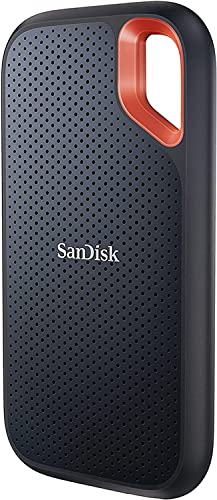
The SanDisk Extreme Portable 2TB adds rugged peace of mind to fast bus-powered storage. The IP65 rating helps against dust and water spray, which is nice if you carry it to a rehearsal, a club, or a field session. Speed hits up to 1,050MB/s on USB 3.2 Gen 2. That means smooth sample pulls and quick render times. The rubber shell grips well and helps absorb knocks. It fits a pocket and comes with a short USB-C cable. For music work, 2TB gives space for several large sample sets and active projects. It feels ready for the road.
In practice, this drive keeps a DAW responsive and stable. I can stream multiple sample-heavy tracks without clicks. It also manages long writes well, though big, multi-hundred-gig transfers will slow near the end. That is normal for many portables in this class. Firmware updates have improved stability over the past few cycles. I recommend formatting it exFAT for cross-platform teams. If you need more safety on the go, this drive stands out. Many folks call it the best ssd for music production when they tour, teach, or record in different spaces each week.
Pros:
- IP65 dust and water resistance for travel
- Strong speeds for DAW projects and sample libraries
- Grippy, durable shell with carabiner loop
- Good 2TB size for serious sample sets
- Solid value for a rugged portable SSD
Cons:
- Performance drops during very long transfers
- Short included cable
- Rugged design adds a bit of bulk
My Recommendation
Choose this if you produce on the move. It shines for mobile sessions, school labs, and small venues. The speed is right for most modern libraries and tracks, and the rugged build protects your work. If your gigs are messy or you switch rooms often, the SanDisk Extreme Portable 2TB might be your best ssd for music production. It balances speed, space, and safety in a simple package.
| Best for | Why |
|---|---|
| Travel and field work | IP65 protection and grippy shell for rough use |
| Sample-heavy projects | 2TB size holds big orchestral and drum libraries |
| Cross-platform teams | Works well on Mac and Windows with exFAT |
Crucial X10 Portable SSD (4TB, 2,100MB/s)
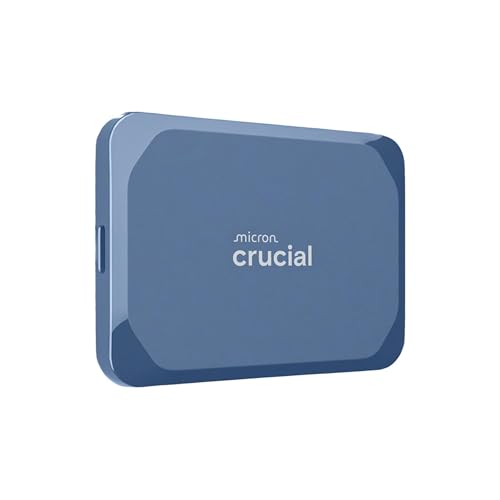
The Crucial X10 4TB is a speed step up that feels like a desktop NVMe in your pocket. It is rated up to 2,100MB/s, which is huge for big film scores and dense sessions. Note that you need a USB 3.2 Gen 2×2 port to hit peak speeds. On regular Gen 2 ports, it will still be fast, but not its best. With 4TB, it swallows full orchestral banks, massive drum packs, and years of projects. It is compact, runs cool for its class, and handles long writes better than many peers. For heavy work, this is a joy.
In use, it keeps Kontakt, Superior Drummer, and Omnisphere feeling instant. Large DAW templates open quicker. Freezes and exports finish sooner. If you do sound for picture, the time saved adds up. It is also great for a master archive of current work, thanks to the big capacity. I still keep a second backup elsewhere, of course. The X10 is the best ssd for music production when you want top portable speed and lots of room. If your laptop supports Gen 2×2, this is a real upgrade you will feel in daily work.
Pros:
- Very fast reads and writes, up to 2,100MB/s
- Huge 4TB capacity for big libraries and sessions
- Strong sustained performance on long transfers
- Compact and travel-friendly design
- Great value for speed-to-capacity ratio
Cons:
- Needs USB 3.2 Gen 2×2 to reach max speed
- Costs more than basic Gen 2 drives
- No official rugged IP rating
My Recommendation
If you run huge templates or score to picture, get this first. It helps with fast load times, big stems, and smooth edits. It is also a good home base for your active projects. If your computer has a USB 3.2 Gen 2×2 port, the Crucial X10 4TB feels special. For power users, it can be the best ssd for music production because it saves time on every session, day after day.
| Best for | Why |
|---|---|
| Large templates | High throughput keeps big libraries responsive |
| Film and TV work | Fast exports and big stem moves save hours |
| One-drive workflows | 4TB capacity holds projects and sample banks together |
Samsung T7 Portable SSD (4TB, 1,050MB/s)
The Samsung T7 4TB gives you the same friendly speed and feel as the 1TB version, but now with room to breathe. If you like to keep your best sample sets local, 4TB lets you keep them ready without shuffling sets on and off. The rated 1,050MB/s keeps sessions smooth on a USB 3.2 Gen 2 port. It is slim, quiet, and draws power over USB-C. Hardware encryption is here too, so client mixes and stems can stay locked. For producers who want a simple, large, and proven drive, the T7 4TB checks a lot of boxes.
Thermal control is stable in normal DAW work. Long, full-disk writes will slow, but your day-to-day work stays fast. I use drives like this for sample libraries plus current projects. It is a set-and-forget approach that works. If you move between studio and stage, the 4TB capacity keeps your world with you. For many creators, the Samsung T7 4TB is the best ssd for music production when you want a single, simple drive that swallows your sound bank and still feels fast.
Pros:
- Large 4TB capacity in a slim, light shell
- Fast enough for big DAW sessions and libraries
- Hardware encryption for client and session security
- Easy to carry, bus-powered over USB-C
- Strong track record for reliability
Cons:
- Slows on very long sustained copies
- No rugged IP rating
- Gen 2 speed ceiling vs. Gen 2×2 drives
My Recommendation
Pick this if you want one big, simple drive that “just works.” It is perfect for producers who need to keep large libraries local and ready. It does not chase peak specs. It focuses on consistent speed and solid build. For many home and project studios, it is the best ssd for music production because it balances capacity, price, and trust. If you want set-and-go storage, this is it.
| Best for | Why |
|---|---|
| One-drive library storage | 4TB holds huge sample banks and active work |
| Home and project studios | Steady Gen 2 performance for daily DAW use |
| Secure client work | Hardware encryption helps protect sessions |
Samsung T7 Shield SSD (2TB, Rugged, IP65)
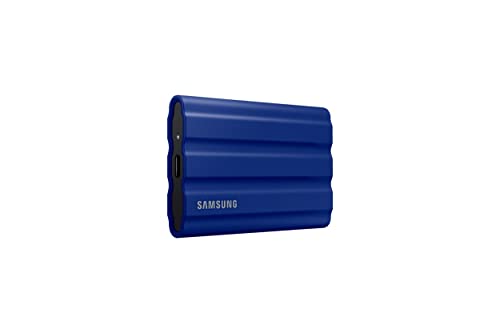
The Samsung T7 Shield adds a tough rubberized shell and IP65 rating to the T7 platform. If you make music outdoors, in hot rooms, or on stage, this rugged layer matters. It keeps dust and water spray at bay and cushions bumps. It is still light, still bus-powered, and still hits up to 1,050MB/s on USB 3.2 Gen 2. That is more than enough for smooth sample streaming and quick bounces. I like it for live rigs where cables tug and things get tossed. The thicker casing also helps with heat while transferring big libraries or long renders.
Performance is steady, and the extra grip helps. You can still use hardware encryption to lock client stems. The 2TB size is a nice middle ground for mobile rigs, DJs, and live playback. If you do shows, rehearsals, or recording in shared spaces, this drive brings useful protection. Many on-the-go creators call it the best ssd for music production when the workday has risks. It costs a bit more than the regular T7, but the confidence it brings on set or stage is worth it to me.
Pros:
- IP65 water and dust resistance for rough spaces
- Tough rubberized shell grips well and absorbs bumps
- Fast enough for live playback and studio work
- Hardware encryption for secure sessions
- Good 2TB size for mobile setups
Cons:
- Bulkier than a standard T7
- Costs slightly more for the same capacity
- Gen 2 speed only, not Gen 2×2
My Recommendation
Use this when you must protect your work in the field. It shines for live rigs, remote sessions, and school labs where drops happen. It gives you speed, safety, and a clean look. If your day is messy, the T7 Shield is the best ssd for music production because it stays fast and keeps your data safer. For travel-heavy producers, this is a smart long-term buy.
| Best for | Why |
|---|---|
| Live performance rigs | Rugged IP65 shell resists dust, spray, and knocks |
| Remote sessions | Portable, fast, and more resilient than basic drives |
| School or shared studios | Extra grip and durability help prevent accidents |
FAQs Of best ssd for music production
How much SSD storage do I need for music production?
For light projects, 1TB is fine. For sample-heavy work, start at 2TB. If you keep big orchestral and drum libraries local, 4TB is comfortable. Many call 2TB the best ssd for music production size for a growing library.
Is an external SSD fast enough for pro DAW work?
Yes. A USB 3.2 Gen 2 or Gen 2×2 SSD streams samples and runs sessions well. You will see quick loads, smoother playback, and faster bounces. Many producers use external drives as their best ssd for music production daily.
Which file system should I use on my SSD?
Use exFAT if you move between Mac and Windows. It is simple and works well. If you stay on Mac, APFS is fine. Format and label clearly. That helps keep the best ssd for music production simple in a busy setup.
Do I need USB 3.2 Gen 2×2 to get 2,000MB/s speeds?
Yes. Gen 2×2 is needed for drives like the Crucial X10 to hit peak rates. On Gen 2 ports, it will be fast but not at max. Even then, it still feels like the best ssd for music production for big sessions.
How should I back up my DAW projects?
Keep two copies at least. Use your main SSD and a second backup drive. Add a cloud or off-site copy for safety. The best ssd for music production is only as safe as your backup plan.
Final Verdict: Which Should You Buy?
For most creators, the Samsung T7 and SanDisk Extreme deliver the best mix of speed, price, and trust. If you need top speed and big room, the Crucial X10 4TB stands out.
For rough use or live rigs, the Samsung T7 Shield is a smart pick. Choose based on your port, capacity needs, and travel. That is how you pick the best ssd for music production with zero regrets.

Everett Ashford is a tech reviewer at mytechgrid.com specializing in SSDs, cameras, TVs, earbuds, headphones, and other consumer electronics. He provides honest, data-driven reviews based on hands-on testing and real-world performance analysis. Everett simplifies complex tech details to help readers make smart, confident buying decisions.