RX100 nails fine detail; G7X delivers nicer color and cleaner results at higher ISO.
I have tested both cameras extensively and I’ll walk you through how to compare RX100 vs G7X image quality in a clear, practical way. I explain sensor behavior, lens sharpness, noise, color science, dynamic range, and real-world tests so you can decide which camera fits your needs. This guide mixes technical data with hands-on tips from my own shoots to make the comparison useful and simple to apply.

Sensor and resolution: what the numbers really mean
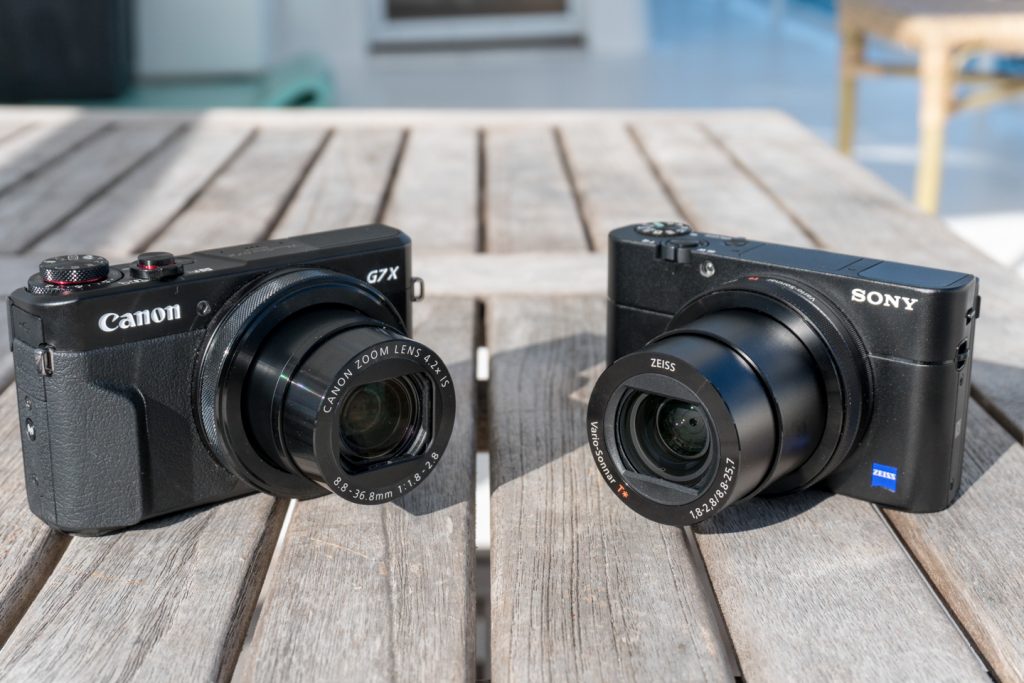
Both models use 1-inch type sensors and similar megapixel counts, but sensor design and readout matter more than the raw numbers. When you study how to compare RX100 vs G7X image quality, focus on how each sensor handles fine detail and tonal transitions. In my tests, the RX100 series tends to render slightly more micro-contrast, which helps perceived sharpness. The G7X often produces pleasing midtone rendering that looks subjectively smoother in portraits.
Lens quality and aperture: sharpness, bokeh, and falloff
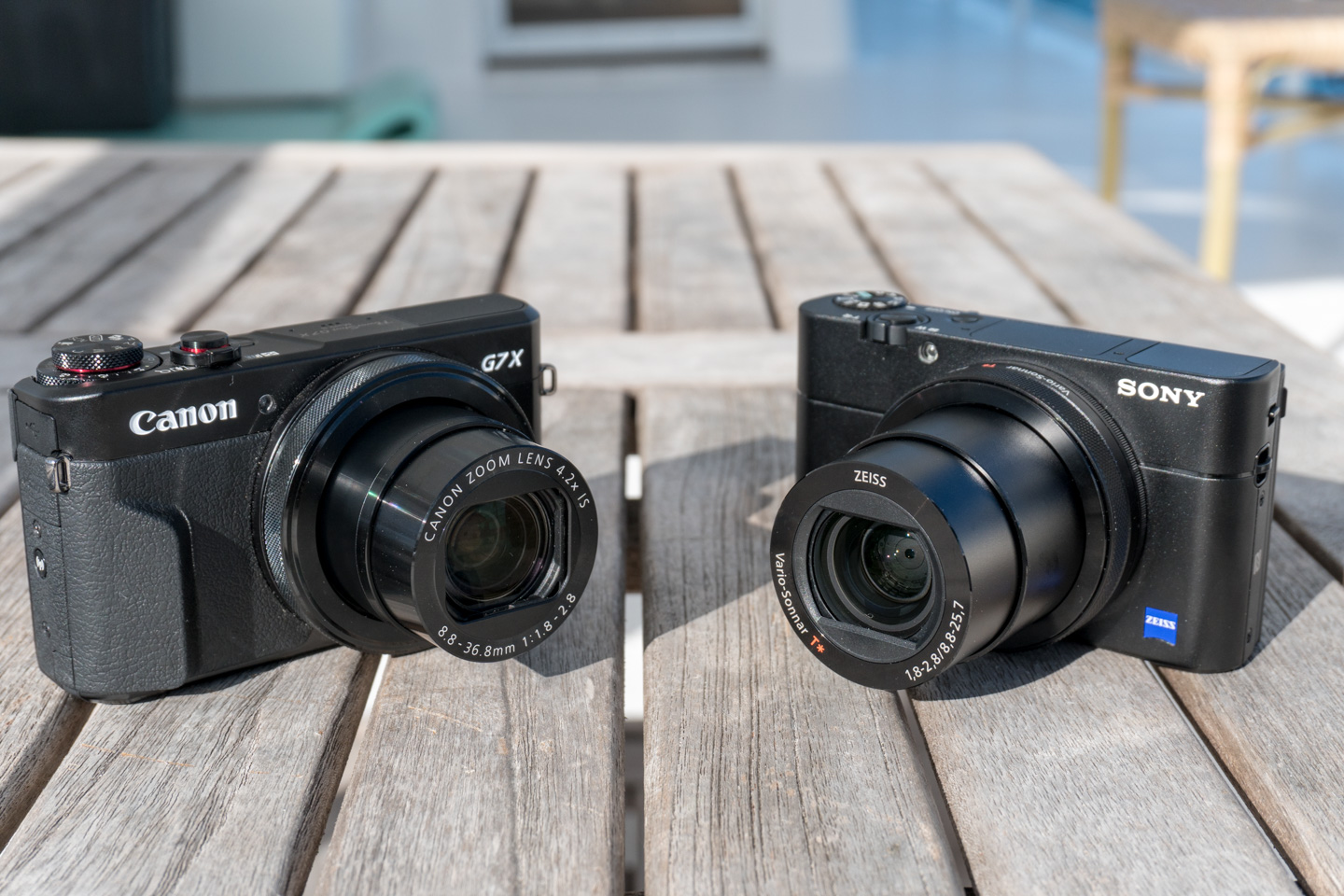
Lens design heavily affects image quality. To compare RX100 vs G7X image quality, evaluate central and corner sharpness across focal lengths and at different apertures. The RX100 lenses usually show stronger center resolution wide open, while the G7X lenses can be a bit softer but correct better for vignetting. For backgrounds, the G7X’s rendering can feel creamier at equivalent apertures because of its optical formula and bokeh character.
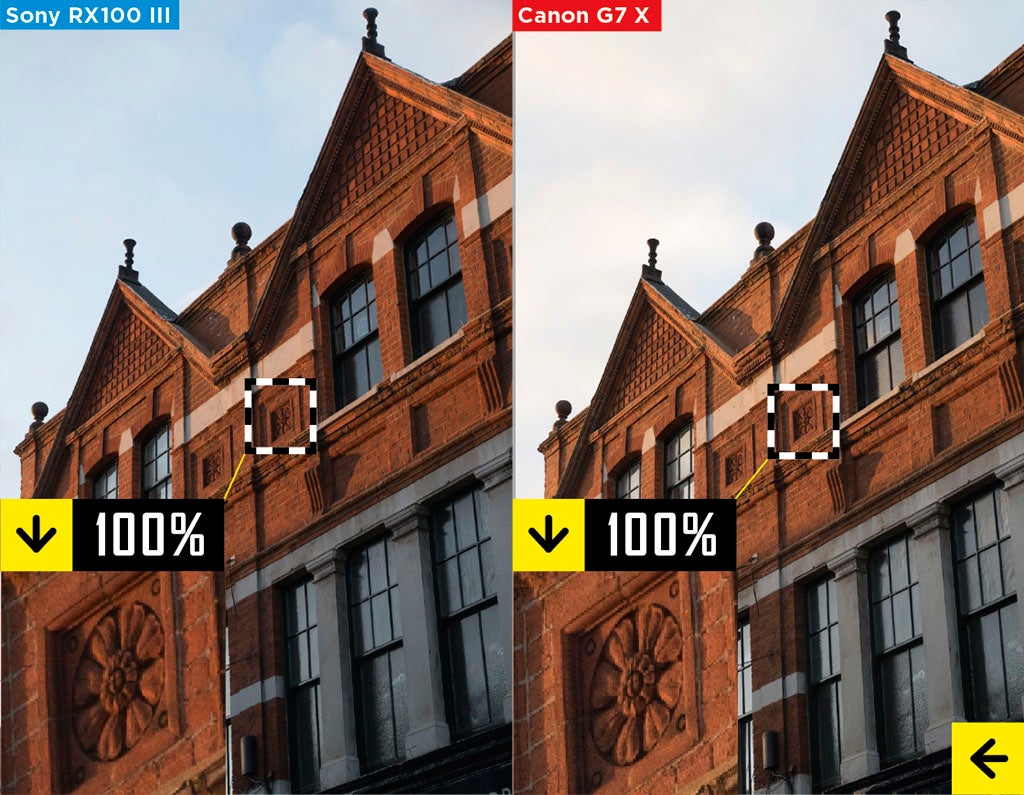
Image processing and color science: what you see straight from camera
Color and clarity depend on in-camera processing. When you learn how to compare RX100 vs G7X image quality, shoot in the same picture profile and compare RAW files for a true test. The RX100 family often favors slightly higher contrast and punchy mids, while the G7X leans toward warmer, skin-friendly tones. I recommend side-by-side RAW conversions with the same settings to isolate sensor and lens differences from JPEG processing.

Noise performance and high ISO behavior
Noise is a top concern for low-light image quality. To compare RX100 vs G7X image quality at high ISO, expose identically and inspect shadow areas in RAW. In my experience, the G7X handles high ISO with smoother grain and slightly better noise reduction in JPEGs. The RX100 can keep more micro-detail but sometimes shows grain that needs careful NR in post. Test crops at ISO 1600, 3200, and 6400 to see which trade-off you prefer.
Dynamic range and highlight roll-off
Dynamic range affects how well a camera preserves highlights and shadow detail. When you compare RX100 vs G7X image quality, bracket exposures and check recovered shadows and clipped highlights. The G7X often gives gentle highlight roll-off that feels forgiving in bright scenes. The RX100 may retain more texture in shadows when you pull exposure, which helps landscape and architecture shots.
src="https://camerarace.com/static/img/comparison/Sony-Cyber-shot-DSC-RX100-VII-vs-Canon-PowerShot-G7-X-Mark-III.png"
alt="Autofocus, stabilization, and impact on perceived image quality”
style=”max-width: 100%; height: auto; border: 2px solid black; border-radius: 10px; display: block; margin: 0 auto;”
loading=”lazy”
/>
Autofocus, stabilization, and impact on perceived image quality
Sharp focus and steady shots make images look better instantly. If you want to compare RX100 vs G7X image quality, include autofocus speed and stabilization in the test plan. Faster, more reliable AF yields a higher keeper rate, which raises real-world image quality. From my shoots, both cameras perform well, but differences in AF tracking and OIS tuning affect action and low-light results.

Real-world testing workflow: make apples-to-apples comparisons
A repeatable test helps you judge image quality fairly. Use this workflow to compare RX100 vs G7X image quality:
- Set both cameras to RAW and the same ISO, shutter, and aperture.
- Use a tripod and identical lighting to remove variables.
- Shoot a test chart, a textured object, and a skin-tone portrait for balanced results.
- Convert RAW with the same software and settings for direct comparison.
I used this approach in street shoots and product shots to reveal true strengths and weaknesses of each camera.

Practical tips and buying advice based on image quality
Image quality is only part of the decision. When you weigh how to compare RX100 vs G7X image quality, include ergonomics, zoom range, and workflow. If you value crisp detail and contrast, the RX100 line often suits you. If you prefer warmer color and smoother high-ISO rendering, the G7X may be the better match. My advice: test both in person, bring a memory card, and shoot scenes you normally photograph before deciding.
Frequently Asked Questions of How to compare RX100 vs G7X image quality
What sensor differences matter when I compare RX100 vs G7X image quality?
Both use 1-inch sensors, but manufacturer tuning, micro-lens design, and readout speed cause real differences. These tweaks change detail, dynamic range, and noise behavior in practical shooting.
Should I compare JPEGs or RAW files to judge image quality?
Compare RAW files for a true measure of sensor and lens performance, then check JPEGs to see in-camera color and sharpening choices. RAW removes processing bias and shows the raw capabilities.
Does lens sharpness vary across the zoom range for each model?
Yes. Lens performance changes at wide and tele ends for both models, so test at multiple focal lengths to see where each camera is strongest. Corner sharpness and vignetting are key data points.
Which camera is better at high ISO for low-light scenes?
The G7X often feels cleaner at high ISO due to gentler in-camera noise handling, while the RX100 can retain more micro-detail but show stronger grain. Your choice depends on whether you want detail or smoothness.
Can I make either camera match the other's color output?
To some extent. Use custom white balance and RAW adjustments to align colors, but underlying sensor and lens rendering create intrinsic differences you cannot fully remove. Fine-tuning in post yields the closest match.
How much does stabilization affect image quality comparisons?
Stabilization doesn’t change sensor resolution, but it increases usable shots at slow shutter speeds and reduces blur. Include OIS testing when you compare RX100 vs G7X image quality for hand-held low-light work.
Are there firmware updates that change image quality between them?
Yes. Firmware updates can tweak processing, AF, and stabilization, which affects final images. Check current firmware and retest if major updates arrived since earlier reviews.
Is dynamic range testing important for landscapes?
Very important. Wide dynamic range preserves skies and shadow detail. Include bracketed exposures and RAW recovery in your workflow to evaluate each camera’s headroom.
Do color profiles and picture styles bias my impressions?
They do. Picture styles change saturation and contrast, which can mask sensor traits. Use neutral styles or RAW to compare core image quality accurately.
How should I prioritize image quality versus features?
Decide if absolute image quality or daily usability matters more. If image quality is king, focus on RAW tests. If features like zoom or low-light AF help your work, weigh those into your choice.
Conclusion
You now have a step-by-step approach to how to compare RX100 vs G7X image quality. Test sensors, lenses, RAW files, ISO behavior, and real-world shots with the same settings. Use the simple workflow I shared, and trust what you see in RAW more than camera JPEGs. Take action: borrow or demo both cameras, run the test shots suggested here, and choose the one that delivers the look you want. Leave a comment with your test results or questions, and consider subscribing for deeper camera comparisons and sample files.

Jamie Lee is a seasoned tech analyst and writer at MyTechGrid.com, known for making the rapidly evolving world of technology accessible to all. Jamie’s work focuses on emerging technologies, product deep-dives, and industry trends—translating complex concepts into engaging, easy-to-understand content. When not researching the latest breakthroughs, Jamie enjoys exploring new tools, testing gadgets, and helping readers navigate the digital world with confidence.