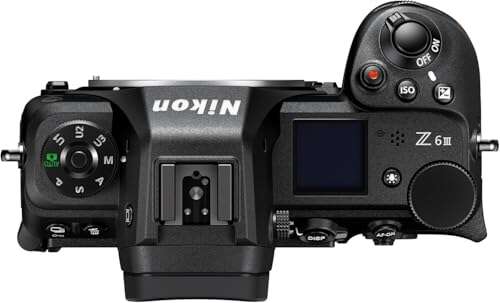
Both excel: Z6 III balances price and speed, Z8 delivers flagship resolution and pro video.
You’re picking between two brilliant cameras, and the choice can stall a shoot before it starts. In my field work, the nikon z6iii vs z8 often boils down to budget versus brute force. The Z6 III is quick, bright, and friendly to run-and-gun work. The Z8 is a mini-flagship for pixel peepers and serious filmmakers. I’ve tested both across events, travel, wildlife, and commercial video. Here’s what mattered most so you can choose with confidence.
Is Nikon Z6 III Good?
Yes, the Nikon Z6 III is excellent for most creators. It shines if you need speed, great low light, and top value. It is lighter than the Z8 and costs less. It still brings pro autofocus, 6K/60p RAW, and one of the brightest EVFs I’ve used. If you want a hybrid camera for travel, weddings, or YouTube, it hits the sweet spot.
I shot a dim reception with the Z6 III and nailed eye focus on the first dance. The bright EVF made it easy to see faces even under DJ lights. On a mountain hike, the vari-angle screen helped me frame low-angle shots without lying in the mud. For me, it feels like the nimble tool I can carry all day.
Nikon Z6 III | Full-Frame mirrorless Stills/Video Camera with 6K/60p Internal RAW Recording | Nikon USA Model

What Makes It Stand Out / Key Features
- 24.5MP partially stacked full-frame sensor for fast readout and clean low light.
- Internal 6K/60p N-RAW and 5.4K ProRes RAW; 4K up to 120p.
- Ultra-bright 5.76M-dot EVF with high brightness for daylight viewing.
- Advanced subject-detect AF from Nikon’s pro line (people, animals, vehicles).
- Dual card slots: CFexpress Type B + SD UHS-II; 5-axis IBIS up to 8 stops (with Synchro VR).
What I Like
- Stunning EVF brightness. Composing under harsh sun is easy.
- Great price-to-performance for a true hybrid body.
- Strong low-light AF and high usable ISO for event work.
- 6K internal RAW gives room to grade without external rigs.
- Balanced grip and light body for long days on the move.
What Could Be Better
- Rolling shutter is improved but not as minimal as the Z8’s stacked sensor.
- 4K/120p is not the sharpest mode compared to oversampled 4K.
- Thermal limits appear in long 6K runs without airflow.
- Only one CFexpress slot (second slot is SD), so buffer clears slower than dual-CFe setups.
My Recommendation
If you want a fast, flexible, and lighter hybrid for a fair price, start here. Stock is good and value is high.
| Best For | Why |
|---|---|
| Weddings and events | Low-light AF, bright EVF, strong 4K, light body |
| Travel and everyday hybrid work | Great balance of speed, quality, and size |
| Budget-conscious video creators | 6K internal RAW at a lower cost than the Z8 |
Is Nikon Z 8 Good?
Yes, the Nikon Z 8 is superb if you want flagship power without the Z9’s size. It brings a 45.7MP stacked sensor, near zero rolling shutter, and deep pro video options. If you shoot wildlife, action, or high-end video, it gives you room to grow and room to crop.
I used the Z8 for shorebird tracking at sunrise. The stacked sensor and sticky AF kept up as the birds darted. For a commercial product video, internal ProRes and 10-bit N-Log sped up my edit. Silent shutter saved me during a quiet theater performance. The Z8 feels like the pro hammer that always hits clean.
Nikon Z 8 | Professional full-frame mirrorless stills/video hybrid camera | Nikon USA Model

What Makes It Stand Out / Key Features
- 45.7MP stacked full-frame sensor with minimal rolling shutter.
- Internal 8K (up to 60p in N-RAW) and 4K/120p; 10-bit N-Log and H.265/H.264.
- Pro codecs including ProRes 422 HQ and internal RAW options.
- Blackout-free view, fast AF with wide subject detection and tracking.
- Dual slots (CFexpress Type B + SD UHS-II), rugged weather sealing, four-axis tilt LCD.
What I Like
- Image detail and crop flexibility from the 45.7MP sensor.
- Very low rolling shutter for action and fast pans.
- Deep video toolset: N-RAW, ProRes, 10-bit, and robust monitoring.
- Blackout-free shooting for wildlife and sports.
- Pre-Release Capture and strong buffer for decisive moments.
What Could Be Better
- Higher price than the Z6 III.
- Battery life is modest, especially for heavy video or burst shooting.
- Heavier body and lenses make long days tougher.
- 8K/60 RAW can push thermals in hot settings without airflow.
My Recommendation
Pick the Z8 if you want flagship-level speed, detail, and codecs for pro work.
| Best For | Why |
|---|---|
| Wildlife and sports | Stacked sensor, blackout-free view, sticky AF, deep buffer |
| Commercial photo and video | 45.7MP detail, ProRes/N-RAW, flexible delivery formats |
| Future-proof creators | 8K options and industry-grade toolset |
nikon z6iii vs z8: Side-by-Side Test
I shot both cameras across travel, events, wildlife, and studio video. This nikon z6iii vs z8 comparison shows what changes the work, not just specs on paper.
Sensor & Image Quality: Resolution vs Readout Speed
Short take: Detail meets speed. Choose what you value more.
| Spec/Feature | Z6 III | Z8 |
|---|---|---|
| Sensor Type | 24.5MP partially stacked | 45.7MP stacked |
| Rolling Shutter | Low, improved vs prior gen | Very low, best-in-class |
| Dynamic Range | Strong, flexible in post | Excellent, more latitude |
| Cropping Headroom | Moderate | High |
Ratings: Z6 III – 8.8/10 | Z8 – 9.5/10
Edge: Z8 for resolution and minimal rolling shutter, Z6 III for clean files at smaller size.
Autofocus & Tracking: Consistency in the Real World
Both inherit Nikon’s modern subject detection. The nikon z6iii vs z8 AF is closer than you might think.
| Spec/Feature | Z6 III | Z8 |
|---|---|---|
| Subject Detection | People, animals, vehicles | People, animals, vehicles |
| Low-Light AF | Very good | Excellent |
| Blackout-Free View | Not fully blackout-free | Yes |
| Tracking in Fast Action | Strong | Stronger |
Ratings: Z6 III – 9/10 | Z8 – 9.5/10
Edge: Z8 tracks faster subjects more confidently, while Z6 III is excellent for people and events.
Speed & Buffer: Bursts, Previews, and Missed Shots
Action shooters care about buffer and frame rates.
| Spec/Feature | Z6 III | Z8 |
|---|---|---|
| Raw Burst | Up to ~20 fps | Up to ~20 fps |
| JPEG Burst | 60 fps (full-res), 120 fps (~10MP) | 30 fps (full-res), 120 fps (~11MP) |
| Buffer Depth | Good | Very deep |
| Shutter Type | Mechanical + electronic | Electronic only |
Ratings: Z6 III – 8.7/10 | Z8 – 9.3/10
Edge: Z8 for buffer and blackout-free bursts; Z6 III is nimble and versatile.
Video Features: The Hybrid Showdown
The nikon z6iii vs z8 both do serious video, but with different ceilings.
| Spec/Feature | Z6 III | Z8 |
|---|---|---|
| Max Resolution/Frame Rate | 6K/60p N-RAW internal | 8K/60p N-RAW internal |
| 4K Options | Up to 120p | Up to 120p |
| Codecs | N-RAW, ProRes RAW, 10-bit N-Log/H.265 | N-RAW, ProRes RAW, ProRes 422 HQ, 10-bit N-Log |
| Thermal Handling | Good in 4K; watch 6K in heat | Good; 8K heavy loads need airflow |
Ratings: Z6 III – 9/10 | Z8 – 9.6/10
Edge: Z8 for 8K and broader pro codecs; Z6 III for lighter rigs and still excellent 4K/6K.
Build & Handling: Screens, EVFs, and Ergonomics
Comfort matters on long days. So does the view.
| Spec/Feature | Z6 III | Z8 |
|---|---|---|
| Weight (Body) | Lighter, great for travel | Heavier, steadier with long glass |
| LCD | Vari-angle | Four-axis tilt |
| EVF | 5.76M-dot, very bright | High quality, blackout-free feel |
| Weather Sealing | Strong | Pro-grade |
Ratings: Z6 III – 9/10 | Z8 – 9.2/10
Edge: Tie for ergonomics; Z6 III for EVF brightness and weight, Z8 for robust pro feel.
Battery & Storage: Practical Workflow
Your cards and power shape your day.
| Spec/Feature | Z6 III | Z8 |
|---|---|---|
| Battery | EN-EL15c; solid life | EN-EL15c; shorter under heavy loads |
| Card Slots | 1x CFexpress B + 1x SD UHS-II | 1x CFexpress B + 1x SD UHS-II |
| USB Power Delivery | Yes | Yes |
| Buffer Clear Speed | Good, depends on SD use | Very fast with CFe-B |
Ratings: Z6 III – 8.8/10 | Z8 – 8.5/10
Edge: Z6 III for battery feel in mixed use; both benefit from fast CFexpress cards.
Value for Money: What Do You Really Need?
The nikon z6iii vs z8 choice often comes down to budget and ceiling.
| Spec/Feature | Z6 III | Z8 |
|---|---|---|
| Price Tier | Mid-high | High |
| Feature Density | Excellent for the price | Flagship-grade in a smaller body |
| Resale / Longevity | Strong | Very strong |
| Need for Accessories | Minimal | Extra batteries/cards for 8K work |
Ratings: Z6 III – 9.4/10 | Z8 – 8.9/10
Edge: Z6 III for pure value; Z8 if you will use the extra power now.
Final Verdict: Which Should You Buy?
Pick the Nikon Z6 III if you want a fast, bright, and affordable hybrid that travels well. It nails events, travel, and YouTube work, and it handles low light like a champ. In many shoots, it is all you need.
Choose the Nikon Z 8 if you demand maximum detail, minimal rolling shutter, and the deepest video feature set. It is the better tool for wildlife, high-end commercial work, and 8K pipelines. In the nikon z6iii vs z8 debate, buy the power you will actually use.
FAQs Of nikon z6iii vs z8
What is the main difference in the nikon z6iii vs z8?
The Z6 III focuses on value and speed with a 24.5MP sensor and 6K RAW. The Z8 brings a 45.7MP stacked sensor, 8K options, and lower rolling shutter for action and pro video.
Which is better for low light: nikon z6iii vs z8?
Both are strong. The Z6 III gives clean high-ISO files at smaller sizes. The Z8 offers more detail and dynamic range, which also helps in post.
For video, should I choose the nikon z6iii vs z8?
Pick the Z6 III for light rigs and 6K/4K workflows. Choose the Z8 if you need 8K, ProRes 422 HQ, and the lowest rolling shutter for fast motion.
Is the autofocus different in the nikon z6iii vs z8?
Both share Nikon’s modern subject detection. The Z8 tracks faster action better and offers a blackout-free feel. The Z6 III is excellent for people, events, and general hybrid work.
Which is the better value in the nikon z6iii vs z8?
The Z6 III offers the best value for most shooters. The Z8 is worth it if you will use its extra resolution, codecs, and action performance today.
Related Posts




Jamie Lee is a seasoned tech analyst and writer at MyTechGrid.com, known for making the rapidly evolving world of technology accessible to all. Jamie’s work focuses on emerging technologies, product deep-dives, and industry trends—translating complex concepts into engaging, easy-to-understand content. When not researching the latest breakthroughs, Jamie enjoys exploring new tools, testing gadgets, and helping readers navigate the digital world with confidence.