Choose the R8 for modern AF and video; pick the A7III for IBIS, battery life, and lenses.
I’ve spent years shooting weddings, corporate video, and run‑and‑gun projects with both Canon R8 and Sony A7III bodies. I’ll walk you through practical pros and cons, real workflows, and clear advice so you can decide how to choose Canon R8 or A7III for hybrid shooting without guessing. You’ll get simple checkpoints, real-world tips, and a final buying checklist you can use today.
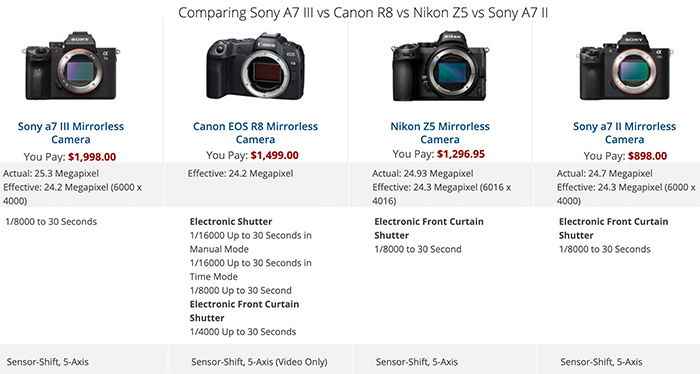
Key differences when deciding How to choose Canon R8 or A7III for hybrid shooting
When you ask how to choose Canon R8 or A7III for hybrid shooting, the first step is to list priorities. Are you mainly video-first, photo-first, or truly 50/50? Do you need in-body stabilization, or do you prefer a light kit for gimbal work?
Quick summary of clear distinctions:
- Autofocus and tracking: Canon R8 uses a newer Dual Pixel AF system tuned for subject tracking and face/eye detection.
- Stabilization and handheld: Sony A7III includes 5-axis IBIS that helps handheld low-light and run‑and‑gun video.
- Size and weight: R8 is lighter and easier to carry all day.
- Lens choices and ecosystem: Sony E-mount has a mature third-party lens market; RF is growing fast but often pricier.
These basics set the tone when learning how to choose Canon R8 or A7III for hybrid shooting.
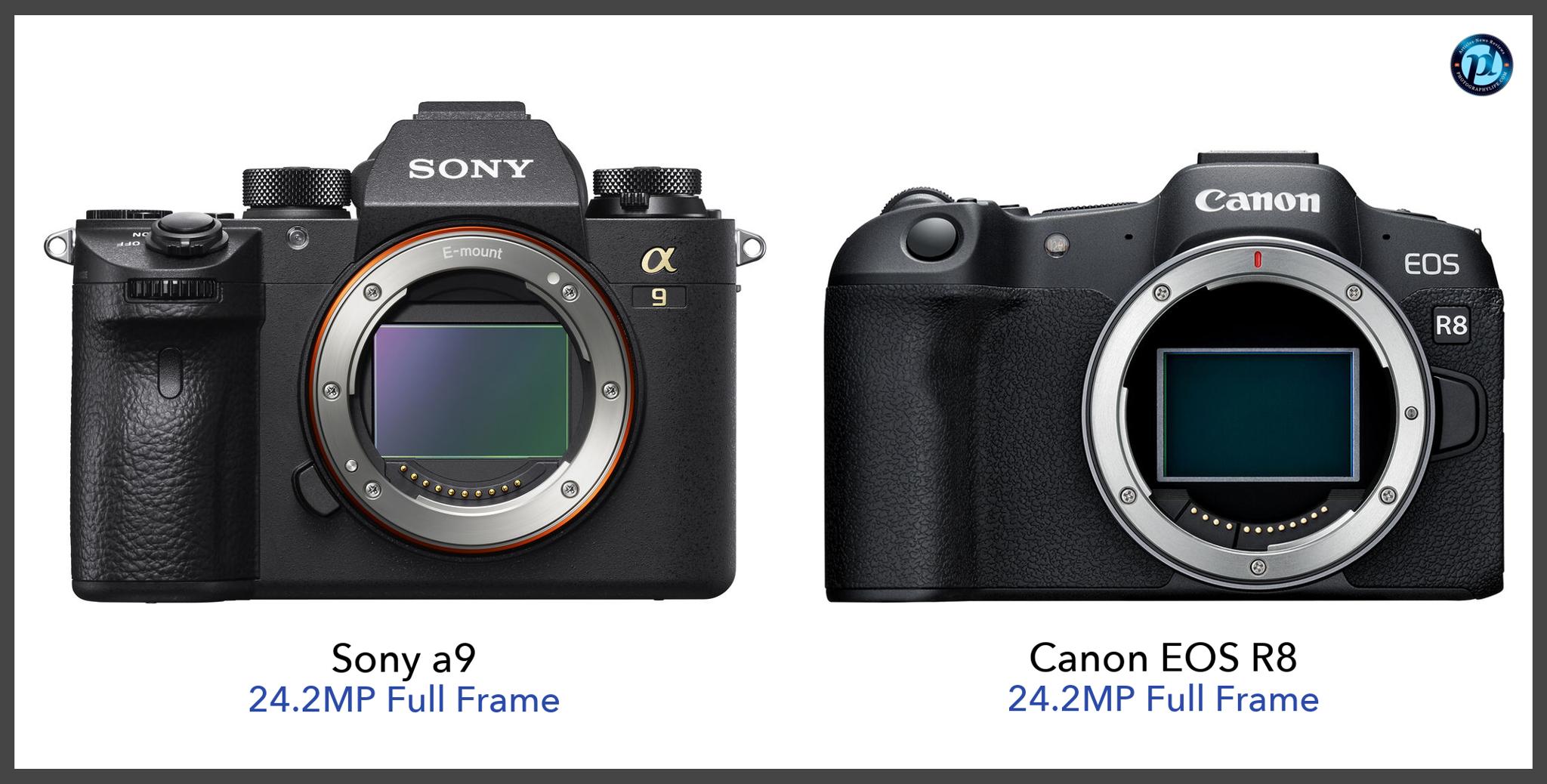
Image quality and autofocus: foundation of hybrid work
Both bodies are full-frame and give excellent stills and video. If stills are your main concern, both deliver clean files and good low-light results. The difference shows up in autofocus behavior and color science.
Autofocus and subject handling:
- Canon R8: modern phase-detect AF that locks fast and keeps eyes and faces tracked in video. Great for fast-moving subjects and solo shooters.
- Sony A7III: reliable AF for photos and video but uses an older algorithm compared to newer Sony models; still very effective for portraits and events.
Color and skin tones:
- Canon R8 tends to render pleasing skin tones out of camera. That saves time for hybrid shooters who deliver quick turnarounds.
- Sony A7III produces neutral, flexible files that grade well. You may spend a little more time on color grading for video.
When you decide how to choose Canon R8 or A7III for hybrid shooting, think about whether built‑in AF speed or raw grading latitude matters more to your workflow.

Video features and codecs for hybrid shooters
Video matters a lot to hybrid shooters. Think codec, frame rates, and rolling shutter when deciding how to choose Canon R8 or A7III for hybrid shooting.
Video strengths:
- Canon R8: newer video tools and modern AF make it a strong video-first camera. It has log profiles that help preserve highlights and offer grading flexibility.
- Sony A7III: solid 4K options and long track record in the field. It lacks the latest video bells but remains a dependable option for hybrid work.
Practical video tips:
- Choose the R8 if you want quick, accurate AF in handheld video or solo-run production.
- Choose the A7III if you rely on IBIS for steady handheld shots or want longer battery life for event coverage.
These trade-offs help answer how to choose Canon R8 or A7III for hybrid shooting based on your video needs.
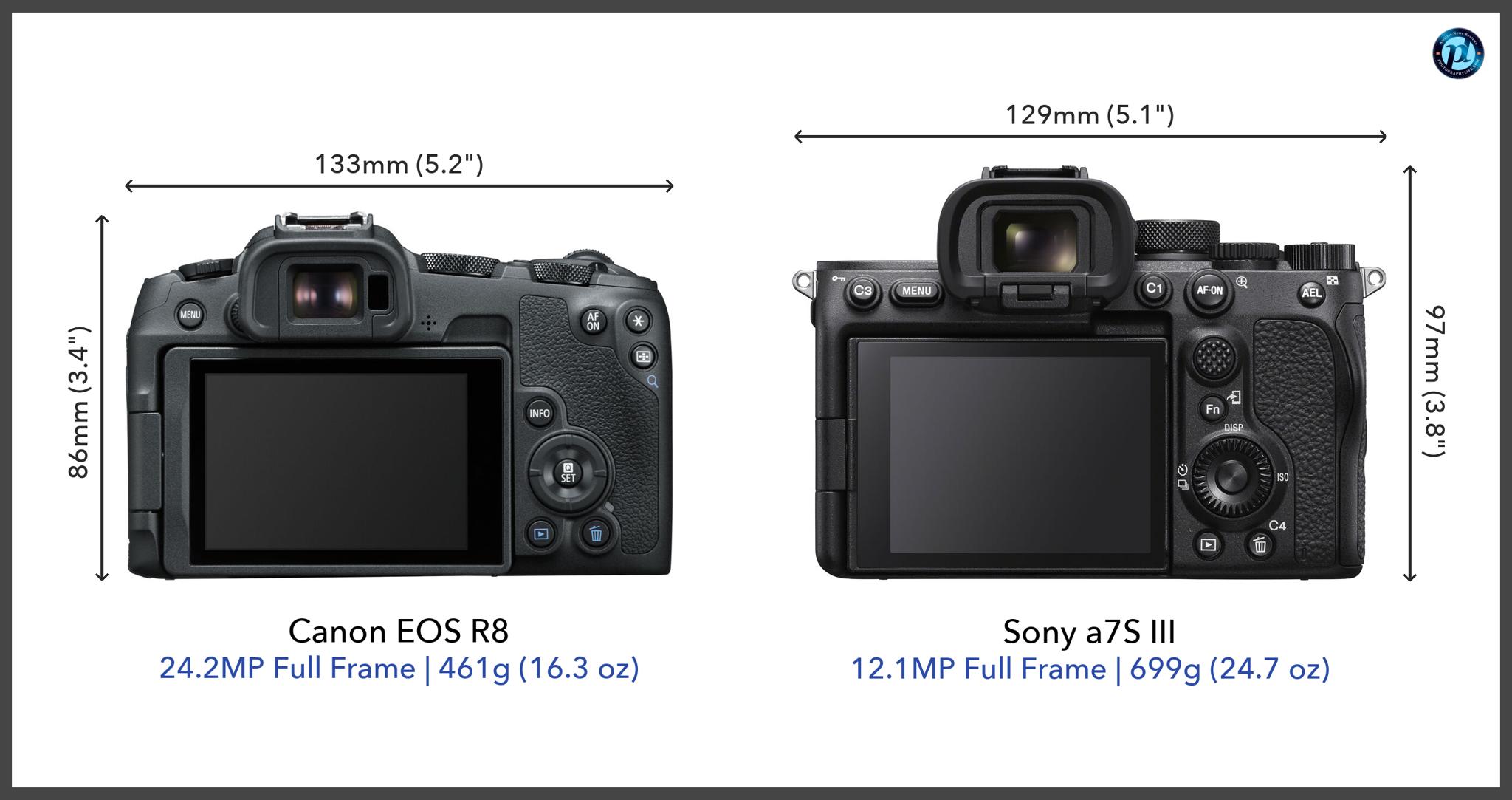
Stabilization, ergonomics, and real-world handling
Stabilization and how the camera feels in your hand changes the way you shoot all day. These factors often decide which camera hybrid shooters pick.
What matters in handling:
- Sony A7III: IBIS makes handheld photos and run‑and‑gun video more reliable. The body is a bit heavier, which some shooters prefer for balance with long lenses.
- Canon R8: light, compact, and easy to carry for hours. If you use a gimbal or shoot mostly on tripod, the slimmer profile is a big win.
Ergonomics and controls:
- Buttons, grip, and menu layout matter. I found the R8’s menu friendly for quick video setups, while the A7III offers robust physical controls that suit fast photo work.
Think practically when you ask how to choose Canon R8 or A7III for hybrid shooting: test how each feels on a long shoot.

Lenses, mounts, and futureproofing your kit
Lenses are as important as the body. The mount you choose shapes costs, options, and creative tools for hybrid work.
Lens ecosystem realities:
- Sony E-mount: decades of native lenses and strong third-party options. Great for budget builds and unique glass.
- Canon RF-mount: newer but expanding quickly with high-performance glass. Many RF lenses excel for video and autofocus.
Adapters and cross‑mount use:
- You can adapt many EF or third‑party lenses to RF with simple adapters and often keep autofocus.
- Sony’s ecosystem supports a large set of native and adapted lenses, which helps when assembling a hybrid kit on a budget.
When considering how to choose Canon R8 or A7III for hybrid shooting, factor long‑term lens costs and how many lenses you already own.
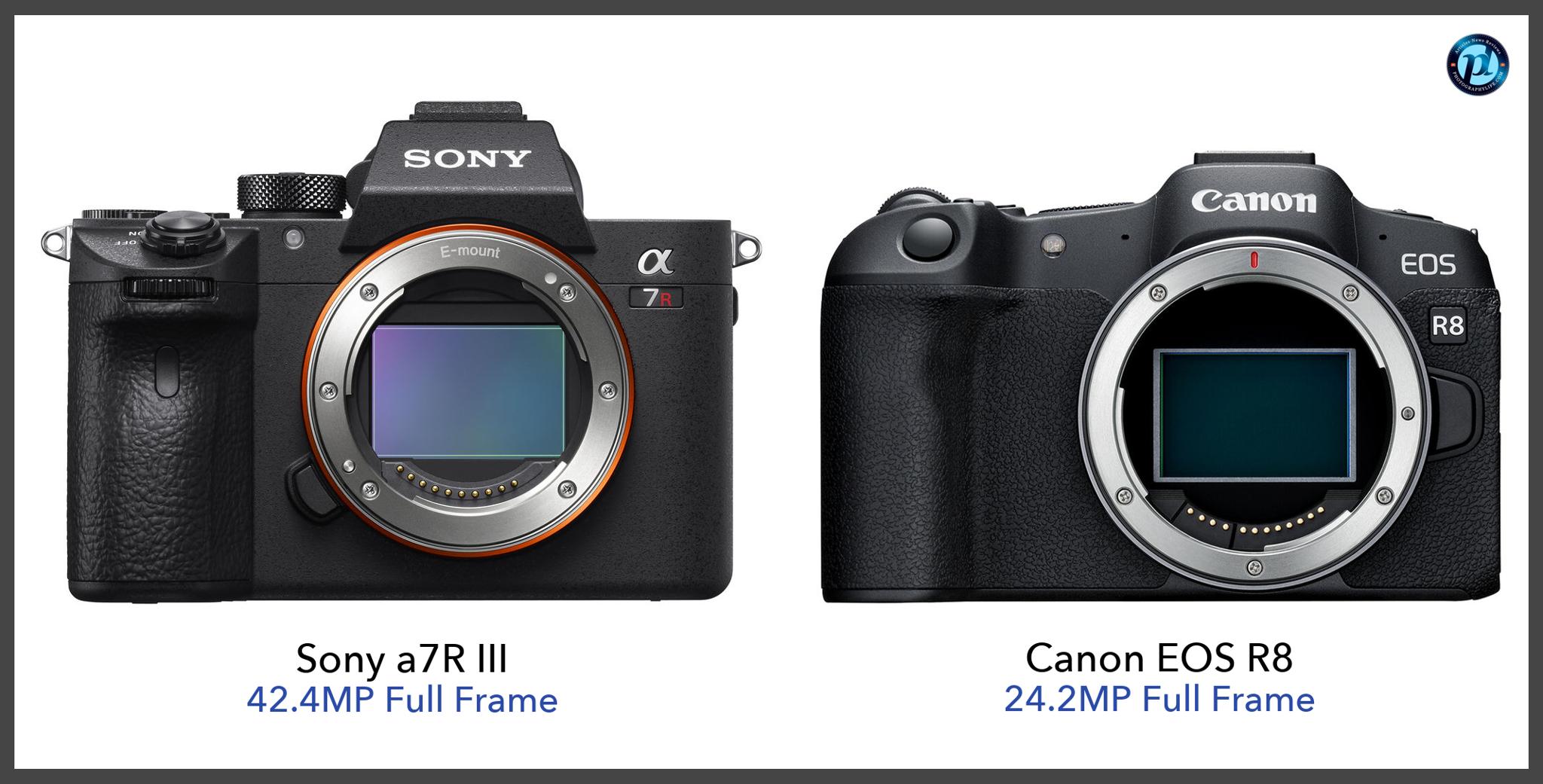
Real-world workflows and personal experience
I’ve used both cameras at weddings, interviews, and quick corporate shoots. Here are honest lessons from the field that help clarify how to choose Canon R8 or A7III for hybrid shooting.
What worked for me:
- For solo wedding days where I shot video and photos, the R8’s AF let me run and capture moments without a dedicated focus puller.
- For evening receptions and low-light dance floors, the A7III’s IBIS and battery life reduced missed shots and kept my kit running longer.
- For gigs where I needed many lenses, the A7III often saved money because of wider third-party options.
Mistakes to avoid:
- Don’t expect the R8 to replace IBIS without lenses that have IS or a gimbal.
- Don’t ignore batteries and cards; hybrid days burn both quickly regardless of body.
These stories show practical ways to approach how to choose Canon R8 or A7III for hybrid shooting in real jobs.
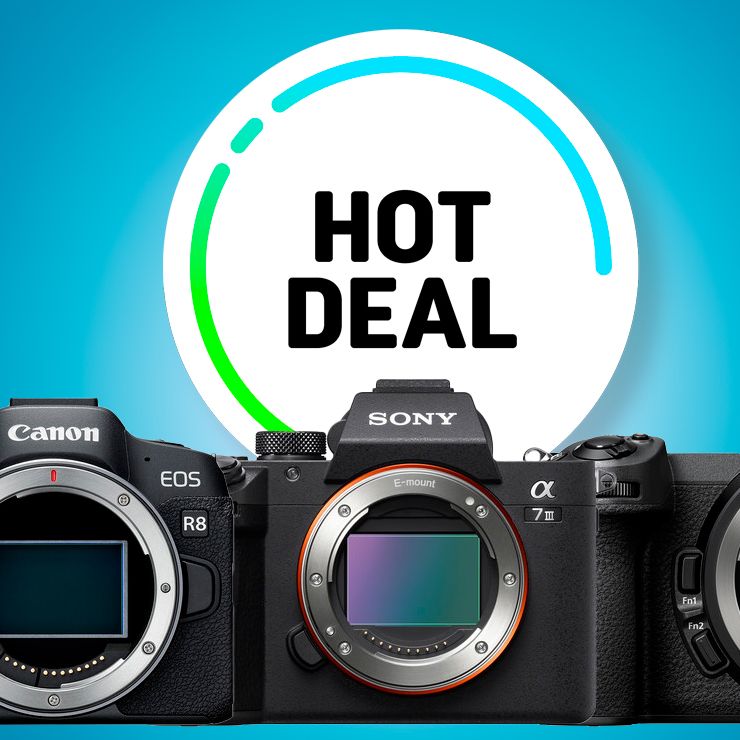
Buying checklist: decide with clarity
Use this checklist to make a clear choice fast. Answer each item and tally which camera fits your needs.
Checklist items:
- Priority: Are you video-first, photo-first, or equal parts both?
- Stabilization: Do you need built‑in IBIS, or will lenses/gimbals cover it?
- Mobility: Is a light kit more important than rugged construction?
- Lenses: Do you already own RF or E lenses, or will you build new?
- Budget: Are you buying new or open to used bodies to save money?
- Battery and cards: Do you rely on long shoots that need extra battery life or dual card backups?
If your answers favor fast AF and light gear, lean toward the R8. If you need IBIS, dual cards, and long battery life, lean toward the A7III. This is a practical way to decide how to choose Canon R8 or A7III for hybrid shooting.
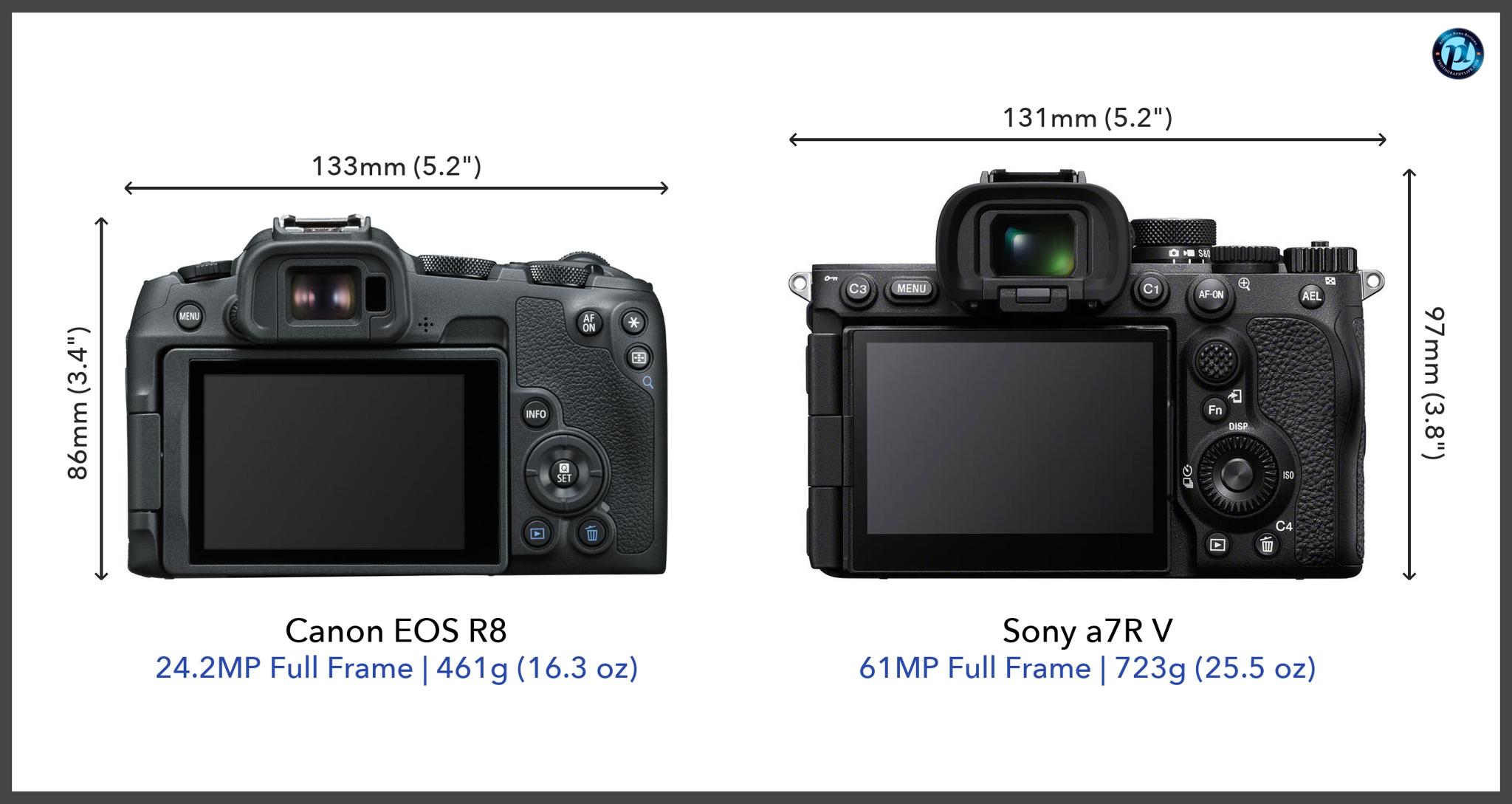
Frequently Asked Questions of How to choose Canon R8 or A7III for hybrid shooting
Is the Canon R8 better for video than the A7III?
The R8 offers newer AF tech and modern video tools that help solo shooters. The A7III is still solid for video but lags in some newer AF and codec features.
Do I need IBIS for hybrid shooting or can lens IS suffice?
IBIS helps when lenses lack stabilization or when you shoot handheld in low light. If you always use lenses with IS or a gimbal, IBIS becomes less critical.
Which camera has better battery life for long events?
Sony A7III generally delivers longer battery life for long days. If battery runtime is crucial, A7III often gives fewer interruptions.
Can I use EF or E lenses on both systems?
You can adapt EF lenses to RF with adapters and many functions remain. Sony supports many native E-mount lenses and third-party options without adapters.
Which camera is easier for a one-person hybrid shooter?
Canon R8 tends to be easier for one-person crews thanks to its AF and lighter weight. It speeds up run-and-gun production and focus handling.
Conclusion
Choosing between the Canon R8 and Sony A7III comes down to clear priorities: the R8 favors modern AF, lighter kits, and fast video workflows, while the A7III gives you IBIS, longer battery life, and a mature lens ecosystem. Use the checklist, test how each feels in your hand, and match your choice to the real jobs you shoot. Pick the camera that solves your daily problems, not the one with the flashiest spec sheet.
Try both bodies with a lens or two if you can, then commit to a kit and practice the workflows you’ll use most. Share your experiences, subscribe for more hands‑on guides, or leave a comment about your shoot style so I can help you refine the choice.

Jamie Lee is a seasoned tech analyst and writer at MyTechGrid.com, known for making the rapidly evolving world of technology accessible to all. Jamie’s work focuses on emerging technologies, product deep-dives, and industry trends—translating complex concepts into engaging, easy-to-understand content. When not researching the latest breakthroughs, Jamie enjoys exploring new tools, testing gadgets, and helping readers navigate the digital world with confidence.