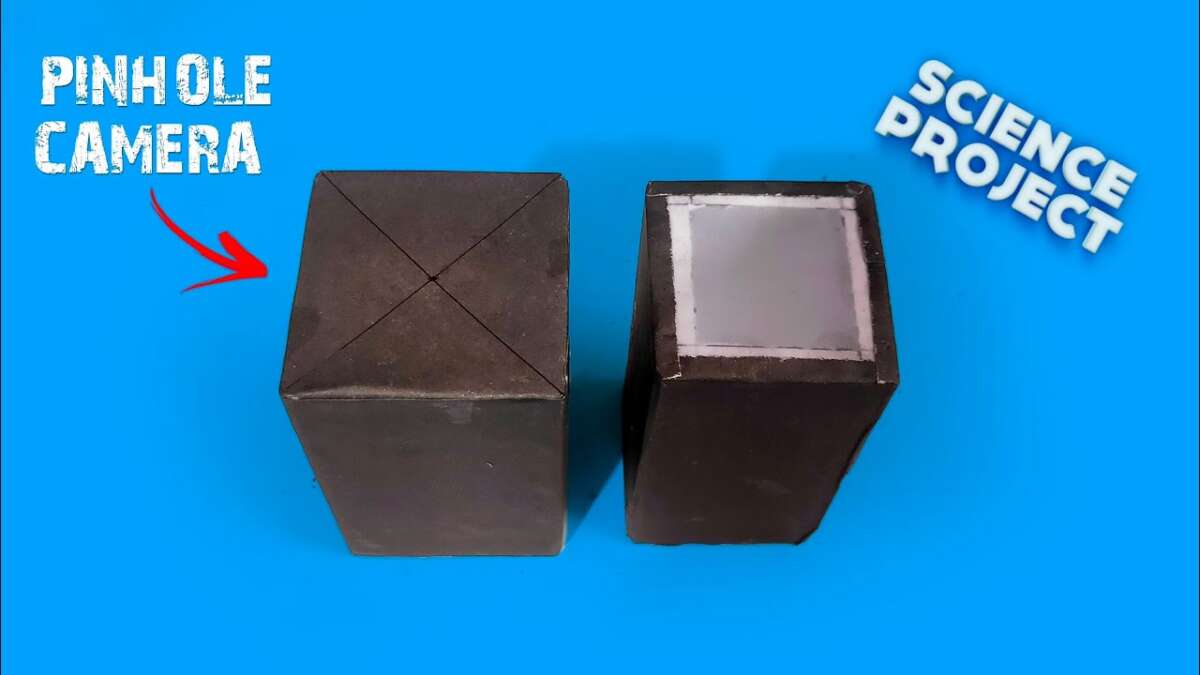
Make a light-tight box, add a tiny hole, load photo paper, and expose.
You are about to learn how to build a pin hole camera the right way. I have built dozens for workshops and art projects. This guide blends hands-on tips and proven optics. We will keep it simple, fast, and fun, while keeping your results sharp and bright. Stick with me, and you will finish with a camera that makes real, dreamy photos.

What is a pinhole camera and why it works
A pinhole camera is a simple camera with no lens. It uses a tiny hole to let in light. That hole projects a real image onto film or paper inside the box.
Think of it like squinting your eyes to see sharper. The small hole cuts blur. That is the magic. This is the base idea behind how to build a pin hole camera that makes clean images.
Materials and tools
You can build one with common items. Pick a box that blocks light well.
- Light-tight box with lid. Shoe box, cookie tin, or mailing tube.
- Thin metal sheet. Use soda can or brass shim for the pinhole plate.
- Black paint or matte black tape. This kills stray light.
- Needle set and fine sandpaper. To make a clean, round hole.
- Tape. Black gaffer tape or painter’s tape.
- Scissors and craft knife. For clean cuts.
- Ruler and marker. For layout and alignment.
- Photo paper or film. Black-and-white paper is easy for starters.
- A makeshift shutter. Use a flap of tape or a sliding card.
These items are all you need for how to build a pin hole camera that works on day one.
Step-by-step: how to build a pin hole camera
Follow these simple steps. Keep each step neat and slow.
- Choose a box. Smaller boxes give wider views. Metal tins leak less light.
- Paint the inside matte black. Let it dry. This reduces flare.
- Pick your image plane. The photo paper will sit on the inside back wall.
- Mark the pinhole spot. Center it on the front wall of the box.
- Cut a square window, about 1 inch wide. This is for the metal plate.
- Prepare the pinhole plate. Cut a 1.5 inch square of thin metal.
- Make the pinhole. Press a fine needle tip in a slow twist. Do not pierce hard.
- Sand the back of the hole. Use very fine paper. Aim for a round, clean hole.
- Tape the metal plate over the window. Center the hole. Seal edges with tape.
- Add a shutter. Tape a small flap over the hole. It should open and close fast.
- Light-seal the box. Tape seams. Check in a dark room with a bright phone light inside.
- Add a paper holder. Use photo corners or loops of tape at the back wall.
Now you have the body done. You just built the core of how to build a pin hole camera.
How big should the pinhole be?
The hole size must fit the distance to the paper. That distance is the focal length. A hole too big gives blur. A hole too small gives dim, soft images.
Use this simple rule of thumb:
- For a focal length of about 50 mm, try a 0.25 mm hole.
- For about 100 mm, try a 0.36 mm hole.
- For about 150 mm, try a 0.44 mm hole.
- For about 200 mm, try a 0.50 mm hole.
These sizes come from classic optical formulas tested in class labs. If you lack a gauge, compare needles and test a few plates. In my builds, I start with two holes and do a quick test shot. This fast A/B test is the easiest way to dial in how to build a pin hole camera for sharp results.
Load photo paper or film and make an exposure
Handle paper in very dim light. A red safelight is best. If you do not have one, use a dark room at night.
- Load one sheet of photo paper, shiny side facing the hole.
- Tape it flat at the back wall. Keep it square.
- Close the box and seal it with tape.
Exposure times vary by light. Here are starter times with black-and-white paper:
- Bright sun outdoors: 5 to 30 seconds.
- Shade or cloudy: 30 to 120 seconds.
- Indoors near a window: 2 to 10 minutes.
Open the shutter to start the exposure. Close it to end. Note the time and conditions. This log will help you tune how to build a pin hole camera for your light.
Develop your image at home or use a lab
You can process paper at home with three trays. Do this in a room with a red safelight.
- Developer tray. About 1 to 2 minutes. Agitate gently.
- Stop bath tray. 10 to 30 seconds.
- Fixer tray. 2 to 5 minutes. Rinse after for 5 to 10 minutes.
Wear gloves. Vent the space. Follow times on the chemical labels. If you prefer no chemicals, use paper negatives and scan them. Invert the image on a computer or phone app. This is a fast route many use in how to build a pin hole camera projects.
Shooting tips, troubleshooting, and pro tricks
You will get better fast with a few simple habits.
- Keep the box steady. Use a small bean bag or tape it to a table.
- Avoid camera shake. Open and close the shutter gently.
- Check for leaks. Foggy frames often mean a light leak. Tape seams again.
- Note your exposures. Build a simple chart for your paper and box.
- Try a curved image plane. Bend the paper to reduce edge blur.
- Use a bright scene first. It helps you learn faster.
If images look soft, try a smaller hole. If they are too dark, use a longer time. This is the core learning in how to build a pin hole camera and make it sing.
Simple math, made easy
You do not need complex math. But a tiny bit helps.
- The farther the paper is from the hole, the longer the exposure.
- A smaller hole is sharper but darker.
- A larger hole is brighter but blurrier.
I test two holes on the same box. I shoot the same scene. I pick the clear winner. This saves time and makes how to build a pin hole camera feel like play, not guesswork.
Advanced builds and upgrades
Once the basics click, try these fun upgrades.
- Sliding box focus. Nest two boxes to change focal length.
- Curved film plane. Wrap paper along the wall for wide views.
- Body cap pinhole. Drill a DSLR or mirrorless body cap and mount a pinhole.
- Precision pinholes. Buy laser-drilled holes for top sharpness.
- Better shutter. Use a sliding metal tab or a spring clip for speed.
Each upgrade deepens your skill with how to build a pin hole camera. You also gain control over look and exposure.
Safety, care, and storage
Treat your camera with care. It will last for years.
- Keep it dry. Moisture warps cardboard and lifts tape.
- Do not point at the sun for long. It can fog paper and heat the box.
- Store chemicals locked and labeled. Follow all safety notes on bottles.
- Keep a kit. Extra tape, paper, and a spare pinhole plate help on the go.
Good care is part of how to build a pin hole camera that stays reliable.
Real-world examples and lessons learned
I have led weekend builds with kids and pros. The best results came from neat tape work and clean holes. Rushed holes gave soft images. Sloppy seams gave fog.
We also learned to log each shot. We wrote light, time, and hole size. By the end of day one, we had a dialed chart. That chart made how to build a pin hole camera both art and science.
Frequently Asked Questions of how to build a pin hole camera
What is the best box for a first build?
A small cookie tin or shoe box works well. Tins block light better, but boxes are easier to cut.
Do I need special photo paper?
Regular black-and-white photo paper works great. Resin-coated paper is easy to wash and dry.
How can I meter exposure without a light meter?
Use a phone app or a sunny day rule. Keep notes and adjust by doubling or halving time.
Can I use color paper or film?
Yes, but color needs tighter control and longer times. Start with black-and-white, then move to color.
How do I scan a paper negative?
Use a flatbed scanner or a phone scanning app. Invert the tones and tweak contrast.
Will a laser-drilled pinhole help?
Yes, it can improve sharpness. It is not required to learn how to build a pin hole camera, but it is a nice upgrade.
Can I make a reusable shutter?
Yes. A sliding card behind a thin metal window works well. Body cap builds can use a lens cap as a shutter.
Why are my edges blurry?
This comes from long focal length, large hole, or a flat plane at wide angles. Try a smaller hole or curve the paper.
How do I stop light leaks?
Check seams in a dark room with a phone light inside. Tape every glow until it is black.
Can I build a pinhole for my DSLR?
Yes. Drill a spare body cap and mount a pinhole plate. Set the camera to manual and use higher ISO.
Conclusion
You now know how to build a pin hole camera from start to finish. You can pick parts, set the hole, load paper, and make real images. You can also test, tweak, and grow into pro-level results.
Start today. Gather a box, foil, tape, and paper. Make one shot in the sun, log the time, then refine. Share your results, ask questions, and subscribe for more deep, simple guides.
Related Posts



Jamie Lee is a seasoned tech analyst and writer at MyTechGrid.com, known for making the rapidly evolving world of technology accessible to all. Jamie’s work focuses on emerging technologies, product deep-dives, and industry trends—translating complex concepts into engaging, easy-to-understand content. When not researching the latest breakthroughs, Jamie enjoys exploring new tools, testing gadgets, and helping readers navigate the digital world with confidence.