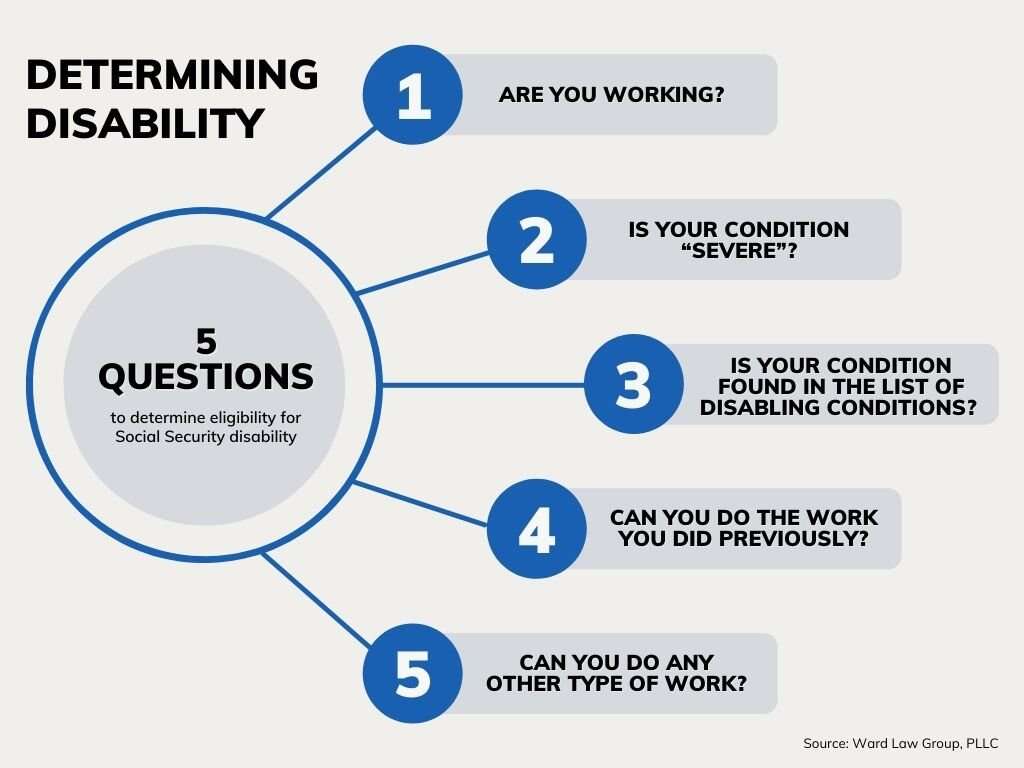
To qualify for SSD you must have sufficient work credits and a medically disabling condition.
I have worked for years helping people navigate Social Security Disability claims. In this guide I explain clearly how to qualify for SSD so you can make smart choices, gather the right evidence, and avoid common mistakes. I write from hands-on experience with real claims and with the official rules in mind. Read on to learn step-by-step how to qualify for SSD, what evidence matters most, and how to handle denials and appeals.
Understanding Social Security Disability basics
Social Security Disability (SSD) pays people who cannot work because of a long-term medical condition. Benefits come from a federal program that uses rules about work credits and medical listings. Knowing these basic rules helps you plan a claim that meets the program’s standards.
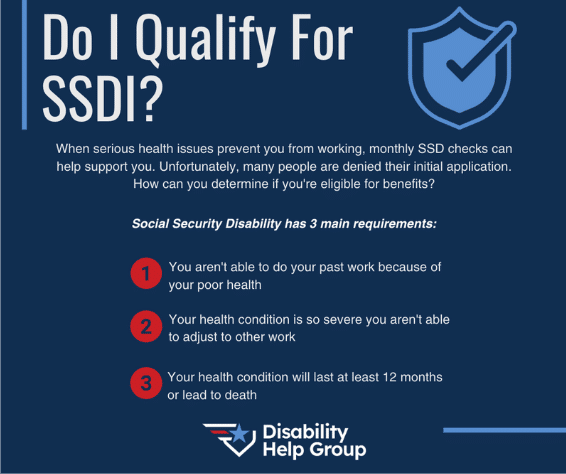
How to qualify for SSD depends on two main tests. The tests are a work test and a medical test. You must pass both to get benefits. Below we break them down clearly and simply.

Eligibility criteria: the two main tests
To know how to qualify for SSD, understand the two required tests.
- Work credits
- You earn credits based on how much you work and pay Social Security taxes.
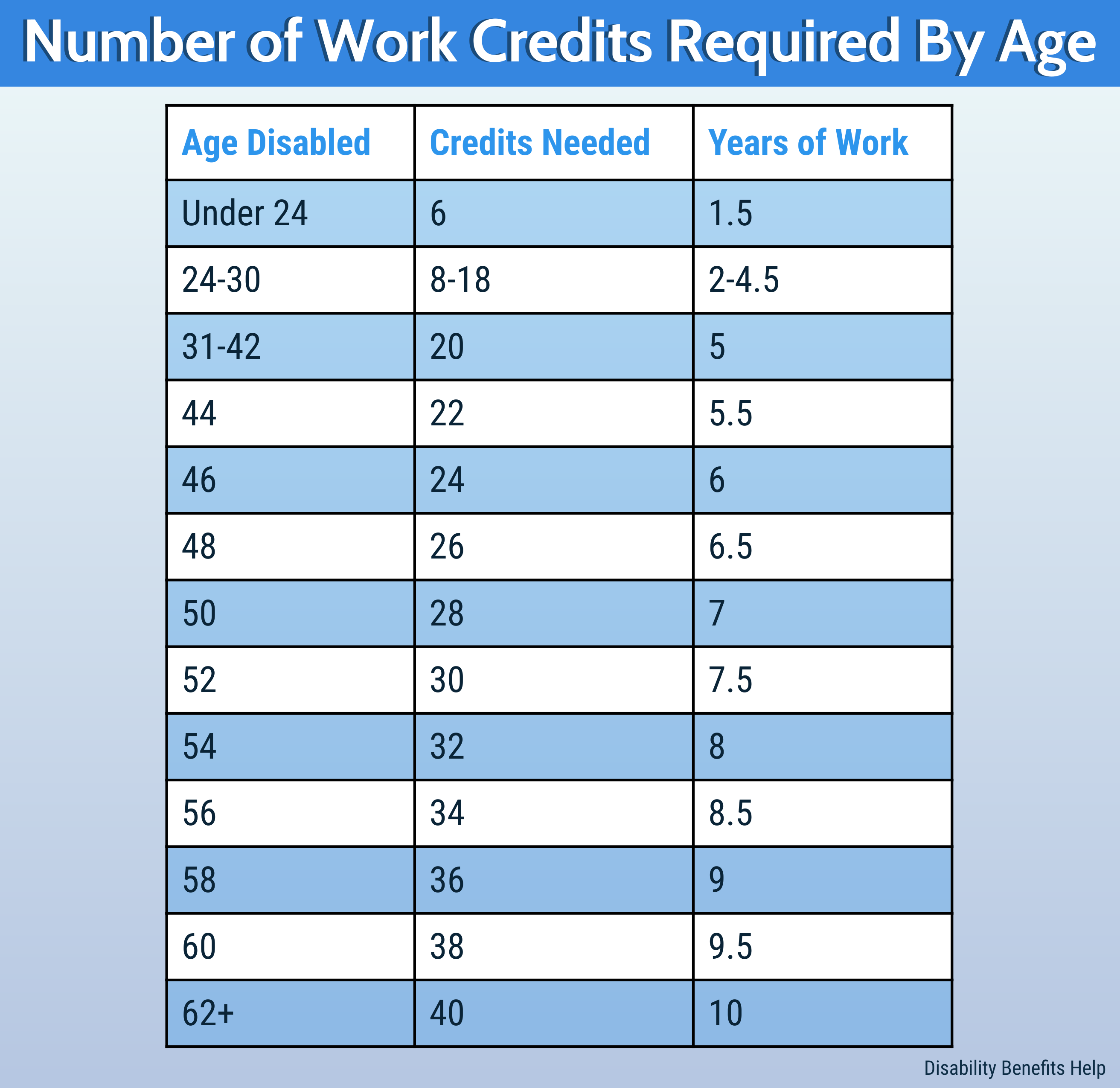
- Most people need about 20 credits in the last 10 years, but younger claimants often need fewer.
- Medical requirements
- You must have a medical condition that prevents substantial gainful activity (SGA).
- The condition must be expected to last at least 12 months or end in death.
Other rules also matter. You must be insured under the Social Security system. You must apply and cooperate with the process. Follow these steps to strengthen your claim.
Medical requirements and proving disability
Medical evidence is the heart of how to qualify for SSD. The Social Security Administration (SSA) looks for proof that your condition is severe and lasting.
- Listing-level impairment
- The SSA has a list of impairments. If your condition matches a listing and meets severity, you may be approved right away.
- Equaling a listing
- If you do not meet a listing exactly, strong records can show your condition equals a listing in severity.
- Residual Functional Capacity (RFC)
- If you do not meet a listing, SSA will decide your RFC. RFC is what you can still do despite your condition.
- RFC guides whether you can do past work or other jobs.
Collect detailed medical records. Ask doctors to write clear notes on function and limits. Include test results, imaging, and treatment notes. Regular care and consistent records speed decisions.

Work history, credits, and SGA limits
Work history determines whether you meet the work test. Learn how to qualify for SSD by tracking your credits and SGA.
- Work credits explained
- You earn credits each year you work. The dollar amount per credit changes yearly.
- Younger workers need fewer credits. Older workers usually need more.
- Substantial Gainful Activity (SGA)
- SGA is a monthly earnings threshold. If you earn more than SGA, you generally do not qualify.
- The SSA updates SGA each year. Check current limits when you apply.
- Recent work test
- The SSA focuses on recent work. They check whether you worked enough in the years before your claim.
- Long gaps or short work history may raise issues.
Keep pay stubs and W-2 forms. These documents prove earnings and help show you meet the work test.

How to apply: step-by-step process
Follow these steps to apply and improve your odds of success.
- Gather documents
- Social Security number, birth certificate, and proof of citizenship.
- Medical records, physician names, and treatment dates.
- Work history and recent earnings statements.
- File your claim
- File online, by phone, or at a local Social Security office.
- Be honest and complete. Incomplete answers can delay decisions.
- Attend consultative exams
- SSA might ask you to see a doctor paid by SSA.
- Attend and bring your records and a list of medicines.
- Wait for a decision
- Initial decisions can take months. Track your claim online.
- If denied, appeal
- First step is reconsideration. Next is a hearing before an administrative law judge.
- Further appeals go to the Appeals Council and then federal court if needed.
Timely paperwork and clear medical proof make the process smoother. I recommend saving copies of every form and note you submit.

Tips to strengthen your claim and common mistakes
Here are practical tips from my experience on how to qualify for SSD.
- Document function daily
- Keep a short journal of symptoms and limits. Note what you can and cannot do each day.
- Seek consistent treatment
- Gaps in care hurt claims. Regular visits and follow-ups matter.
- Use specific language
- Ask providers to describe limitations, not just diagnoses. For example, “can sit 30 minutes” is stronger than “has back pain.”
- Avoid common mistakes
- Do not submit incomplete records. Do not miss appointments. Do not exaggerate or minimize symptoms.
- Consider legal help
- An experienced disability advocate or attorney can help with evidence, forms, and hearings.
- Prepare for hearings
- Practice answering simple, clear questions. Focus on function and daily limits.
Personal note: I once helped a client who had a denied claim due to missing records. We gathered detailed therapy notes and a work history timeline. At the hearing the clear timeline and doctor statements led to approval. The lesson: strong, organized evidence matters more than a compelling story alone.

What to expect after approval or denial
When you understand how to qualify for SSD, you also learn what happens next.
- If approved
- You may receive back pay for months you were disabled before approval.
- Benefits begin after a waiting period, typically five months from the onset date.
- You will have periodic reviews to check if you still qualify.
- If denied
- Do not give up. Many claims win on appeal.
- Reconsideration or a hearing are common next steps.
- Use denials as a guide to what records are missing or weak.
Keep all contact info current with SSA. Report changes in work or medical status quickly. That helps prevent overpayments and keeps benefits accurate.
Frequently Asked Questions of how to qualify for ssd
What are the basic steps to apply for SSD?
Apply online, by phone, or at your local office. Gather ID, medical records, and work history to support your claim.
How long must a condition last to qualify for SSD?
A condition generally must last or be expected to last at least 12 months or result in death to meet the disability rule.
Can I get SSD if I am still working part-time?
If your earnings exceed the SGA limit, you usually cannot qualify. If earnings are below SGA, you may still qualify depending on your RFC.
How many work credits do I need for SSD?
Required credits vary by age. Most adults need around 20 credits in the last 10 years, but younger workers need fewer.
What happens if my SSD claim is denied?
You can appeal. Start with reconsideration, then request a hearing. Many claims are approved at the hearing stage with better evidence.
Do I need a lawyer to apply for SSD?
You do not need a lawyer to apply, but an experienced attorney can improve outcomes, especially at hearings and appeals.
Conclusion
You can learn how to qualify for SSD by focusing on two clear tests: work credits and medical evidence. Start early, keep detailed records, and get consistent medical care. Use clear function-focused statements from providers and consider professional help for appeals. Take action now: gather your records, track your symptoms, and file with care. If this guide helped, explore more resources, subscribe for updates, or share your questions in the comments.

Everett Ashford is a tech reviewer at mytechgrid.com specializing in SSDs, cameras, TVs, earbuds, headphones, and other consumer electronics. He provides honest, data-driven reviews based on hands-on testing and real-world performance analysis. Everett simplifies complex tech details to help readers make smart, confident buying decisions.