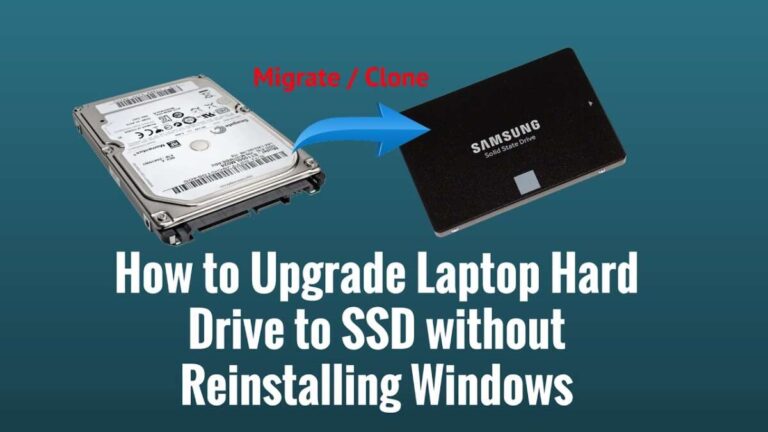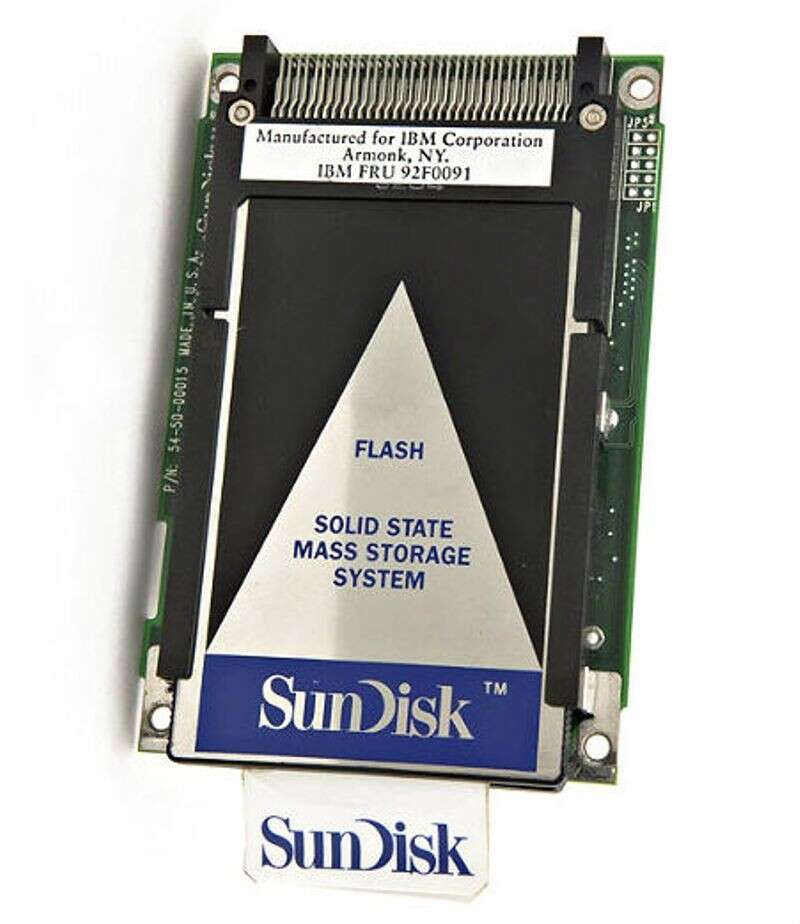
The first SSD was invented in the late 1970s as a prototype solid state disk for enterprise systems.
I have worked with storage hardware and written about storage history for years, so I know the context and the milestones behind the question when was the first ssd invented. This article traces that timeline, explains key inventions, and shows how the early solid state disk ideas evolved into the modern SSDs you use today. Read on to get a clear, concise, and authoritative account of when was the first ssd invented and why it matters for technology now.
A short history: early memory and the roots of SSDs
Solid state concepts date back to early electronic memory. Engineers moved from magnetic cores and drums to semiconductor memory. The question when was the first ssd invented points to a sequence of prototypes and ideas rather than a single instant. In the late 1970s companies and research groups created disk-like storage that used semiconductor memory. Those systems were the first practical steps toward what we call SSDs now. This history helps explain why multiple groups claim to be first when was the first ssd invented.
The first SSD prototypes and key milestones
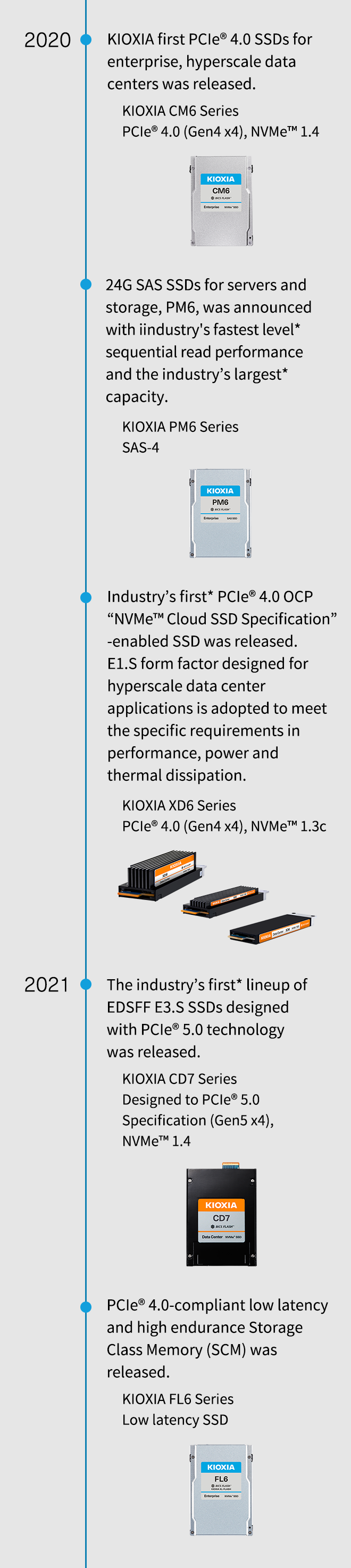
The first devices that looked and behaved like SSDs appeared in the late 1970s and early 1980s. These were large, expensive arrays using RAM or semiconductor memory to replace spinning disks. They served niche markets that needed speed and reliability.
Important milestones:
- 1978 to 1980: Prototype solid state disk devices built for enterprise use.
- Early 1980s: Companies offered RAM-based disk products for servers and military systems.
- 1991: The term "Solid State Disk" started to appear more often in marketing and technical literature.
- Late 1990s: Flash memory improvements led to smaller, cheaper SSDs for wider use.
These milestones show that answering when was the first ssd invented requires nuance. The first functional SSD prototypes were in the late 1970s, while flash-based SSDs came decades later.
Commercialization and market adoption
Commercial adoption lagged behind invention. Early SSDs were too costly for mass markets. They were used in high-value roles like telecom, military, and specialized servers. As flash memory matured, costs fell and adoption rose.
Key drivers of adoption:
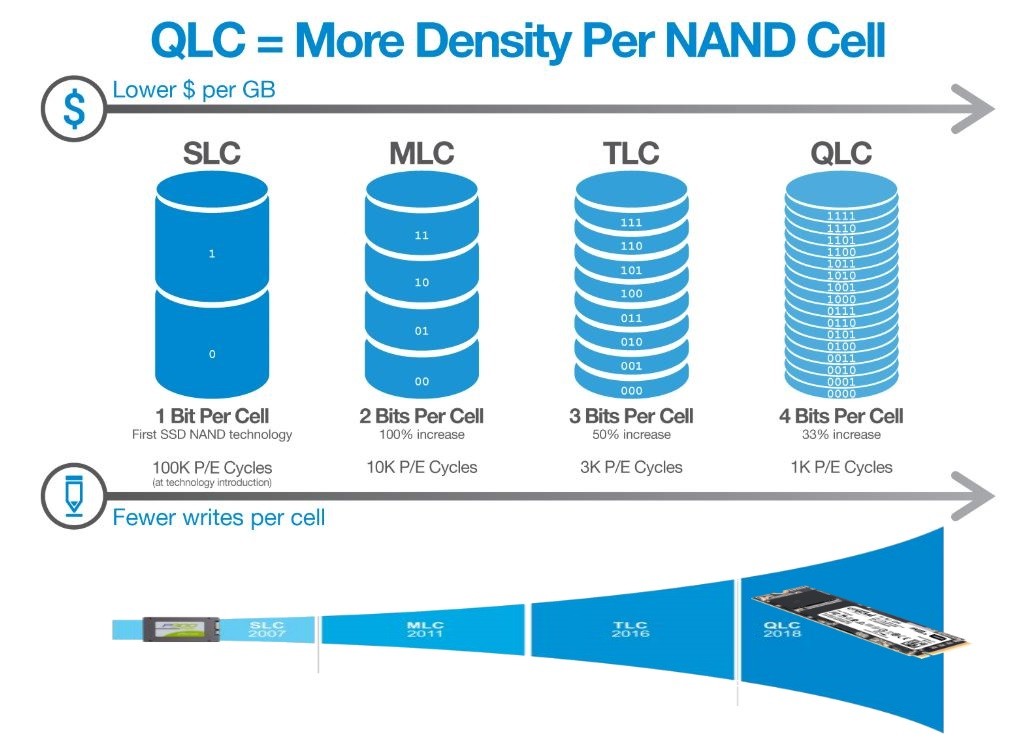
- Improved flash endurance and density.
- Falling cost per gigabyte.
- Standard interfaces like SATA and NVMe.
- Growing demand for speed in consumer and enterprise workloads.
When was the first ssd invented matters to historians, but for users, the commercialization timeline shows when SSDs became practical. Flash-based consumer SSDs became mainstream in the mid-2000s.
How SSD technology evolved from prototype to modern drive
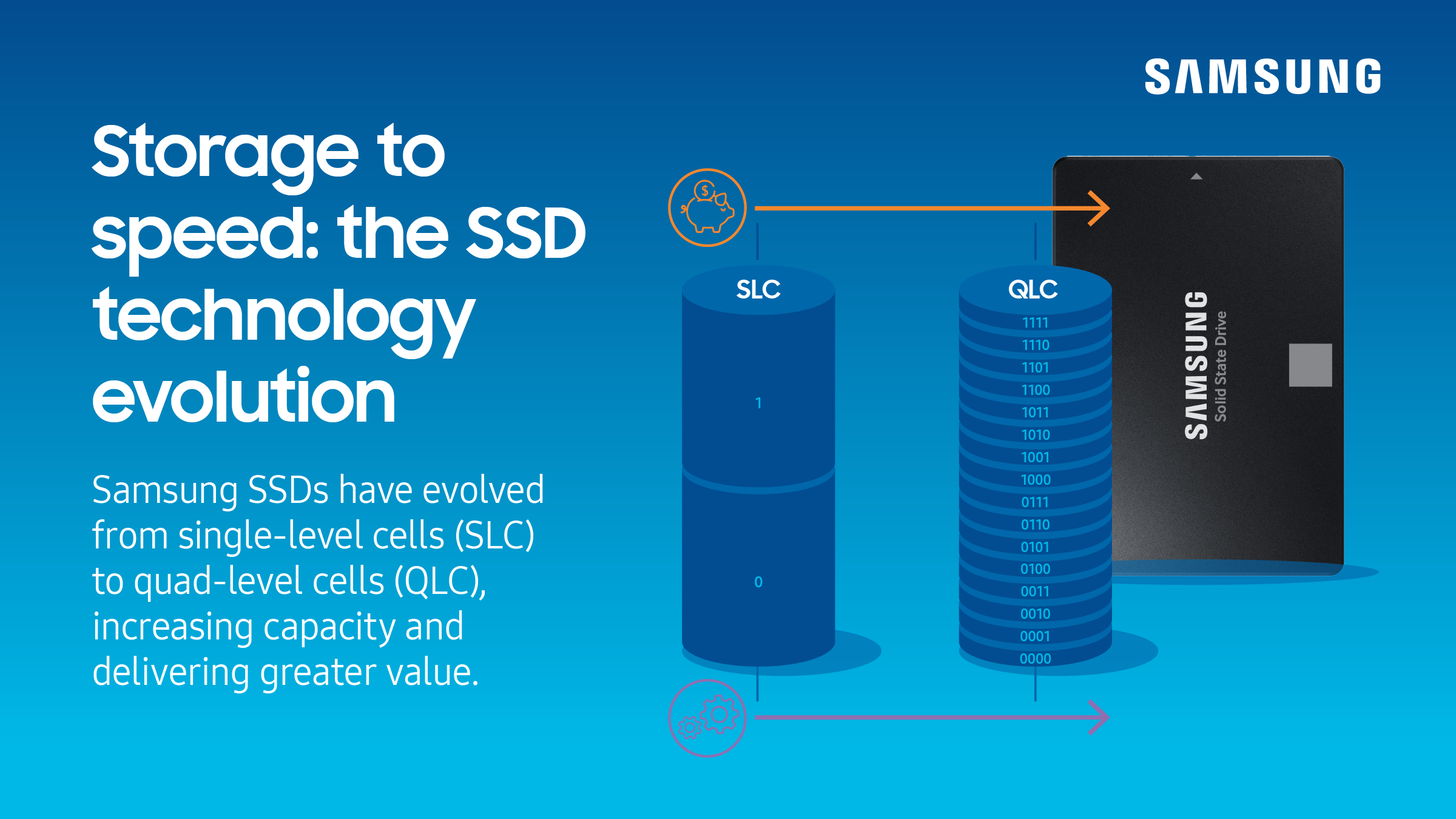
SSDs started as RAM-based disks. Those used volatile memory and required battery backup to prevent data loss. Flash memory introduced nonvolatile SSDs. Key technical shifts include:
-
Memory type
- Early SSDs used RAM for speed.
- Modern SSDs use NAND flash and controller logic.
-
Controllers and firmware
- Early devices had simple logic.
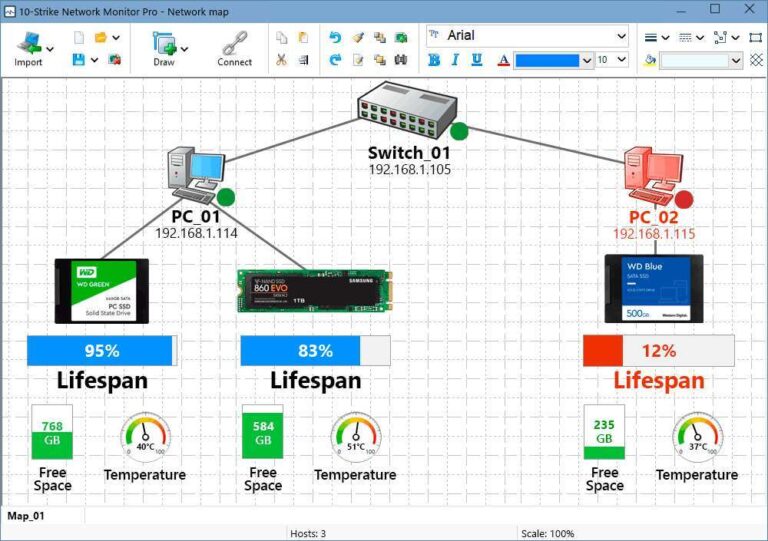
- Modern controllers manage wear leveling, error correction, and garbage collection.
-
Interfaces
- Early prototypes used proprietary connections.
- Modern SSDs use SATA, PCIe, and NVMe.
Understanding when was the first ssd invented helps you see why modern SSDs behave as they do. The lineage moves from prototype speed to flash reliability and efficiency.

My experience testing SSDs and lessons learned
I have installed and benchmarked SSDs across desktops and servers. From hands-on tests I learned practical tips that relate to when was the first ssd invented in meaning and use.
Personal lessons:
- Choose SSDs with good controllers for long life and steady performance.
- Expect firmware updates. They can fix bugs and improve endurance.
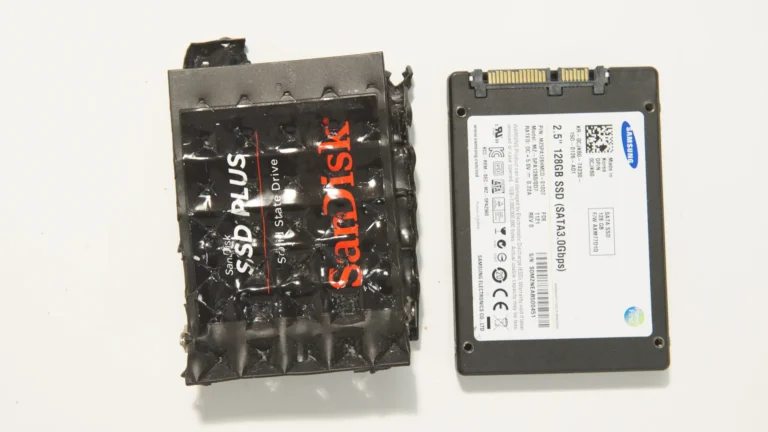
- Back up data. Early SSDs and some low-end models can fail unexpectedly.
A clear lesson from history and practice is that the early drive inventors prioritized speed. Modern users can now get that speed affordably.
Buying advice and the future of SSDs
If you wonder when was the first ssd invented so you can make buying decisions, focus on features, not just history. Today’s SSDs vary by form factor, speed, and endurance.
Buyers should consider:
- Form factor that matches your device.
- Interface: NVMe for high speed, SATA for budget builds.
- Endurance rating and warranty length.
- Controller quality and firmware support.
The future will bring faster NAND, better controllers, and wider adoption in all devices. Knowing when was the first ssd invented gives perspective on how quickly storage evolved and how quickly it will continue to change.
Frequently Asked Questions of when was the first ssd invented
When was the first ssd invented and by whom?
The first practical SSD-like devices appeared in the late 1970s and early 1980s, developed by research groups and companies for enterprise needs. There is no single inventor; multiple teams built RAM-based disk systems around the same time.
When was the first flash-based SSD invented?
Flash-based SSDs emerged later, with noticeable commercial entries in the late 1990s and early 2000s as NAND flash matured. Flash SSDs became mainstream for consumers in the mid-2000s.
Why did it take so long after invention for SSDs to become common?
Early SSDs were expensive and had limited capacity, so they remained niche for years. Improvements in flash density, cost reductions, and better controllers enabled mass adoption.
How do early SSD prototypes compare to modern SSDs?
Early prototypes used expensive RAM and required power backup, offering high speed but low capacity. Modern SSDs use NAND flash, advanced controllers, and offer vastly higher capacity and better reliability.
Does knowing when was the first ssd invented matter for buyers today?
It helps provide context but does not change buying criteria. Buyers should focus on current specs like interface, endurance, and controller features rather than historical origin.
Conclusion
Tracing when was the first ssd invented shows a clear arc from expensive RAM-based prototypes in the late 1970s to the fast, affordable flash SSDs we use today. That history explains design choices and performance trade-offs in modern drives. Takeaway: focus on current specs when buying, but value the engineering progress that started decades ago. If you found this useful, try an SSD test in your system, explore more articles on storage, or leave a comment with your questions.

Everett Ashford is a tech reviewer at mytechgrid.com specializing in SSDs, cameras, TVs, earbuds, headphones, and other consumer electronics. He provides honest, data-driven reviews based on hands-on testing and real-world performance analysis. Everett simplifies complex tech details to help readers make smart, confident buying decisions.