Quick answer: The beyerdynamic DT 990 Pro (250Ω) stands out as the top pick for mixing and mastering.
You’ve spent hours getting the feel of a track, only to hear it fall apart on other systems. The right studio headphones fix that by exposing frequency balance, stereo image, and micro-detail without flattering the sound. I’ll walk you through ten practical choices that solve common mixing and mastering headaches — from revealing harsh highs to showing true low-end — so you can deliver mixes that translate.

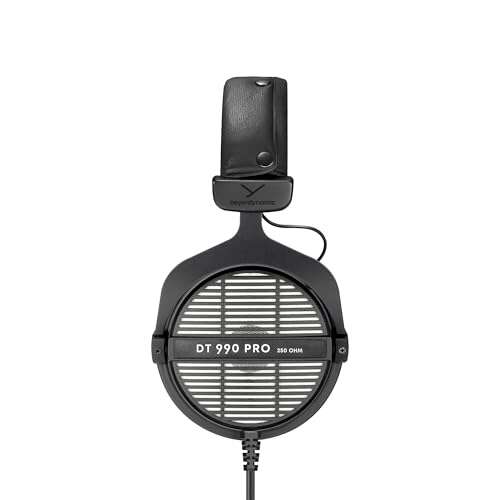
beyerdynamic DT 990 Pro 250…
Wide Open Sound: Open-back studio headphones for critical listening and professional editing deliver astoundingly precise audio clarity with a wide, natural soundstage, highly detailed spatial imaging, and brilliant high frequencies,…
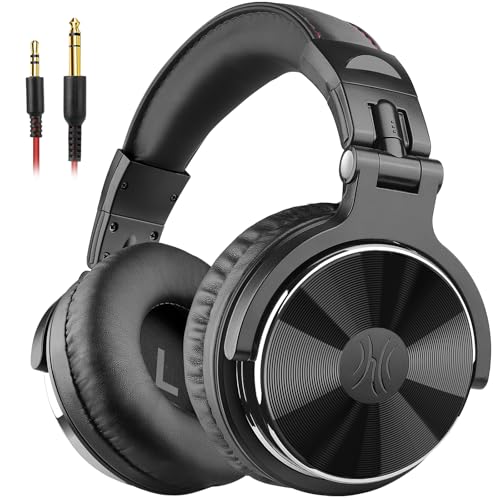
OneOdio Wired Over Ear Headphones…
Bass Sound: Enjoy clear sound and superior comfort with the OneOdio Studio Monitor Headphones. Equipped with large 50mm speaker drivers and neodymium magnets, pro-10 deliver powerful bass, clear vocals, and…

OneOdio Monitor 80 Open Back…
Open-back studio headphones: Hi-Res audio certified, Monitor 80 is a reliable companion for mastering, mixing, or tracking. 250 ohm nominal impedance: The sound it delivers is more stable, solid, and…
beyerdynamic DT 990 Pro (250Ω)

I’ve used the DT 990 Pro for years when I want a wide, detailed soundstage. These open-back headphones reveal where energy lives across the mix. They show cymbal decay, vocal sibilance, and how reverb sits; that helps me make surgical EQ moves.
The 250 ohm version needs a clean headphone amp or interface to sing. When powered properly, the lows stay tight and the highs are crisp, not fatiguing. For me, they are a reference I trust during mastering passes.
Pros:
- Wide, airy soundstage for clear stereo placement
- Detailed highs that reveal harshness and sibilance
- Comfortable velour pads for long sessions
- Durable metal headband and replaceable parts
- Excellent mid-range clarity for vocal work
Cons:
- Open-back design leaks sound and lacks isolation
- Needs a headphone amp/interface for best results
- Can sound bright on poor mixes
My Recommendation
I recommend the DT 990 Pro for engineers who mix and master in quiet rooms and want accurate spatial cues. I use them when I need to check stereo image and upper-frequency detail. They reveal issues that speakers may hide, making them ideal in my toolbox for the best headphones for mixing and mastering. If you can drive the 250Ω model, these are a long-term investment in reliable reference sound.
| Best for | Why |
|---|---|
| Stereo imaging | Large open soundstage shows left-right separation |
| Critical high-end checks | Detailed treble exposes harshness and sibilance |
| Long sessions | Comfortable velour pads reduce fatigue |
OneOdio Wired 50mm Studio Headphones

The OneOdio wired 50mm is an affordable monitoring headphone I turn to for quick tracking and rough mix checks. It’s easy to drive and works with interfaces and phones. The driver size gives a satisfying low-end presence that helps me judge bass lines quickly.
These aren’t neutral reference cans, but they offer useful clarity in the midrange. I like them as a secondary check when I want to hear how a track feels on consumer-grade large drivers. They can guide decisions before switching to my primary reference for final passes.
Pros:
- Good value for budget-conscious producers
- Big drivers give strong low-end presence
- Lightweight and comfortable for long sessions
- Works well without an amp on desktop setups
- Detachable cable options for flexibility
Cons:
- Not perfectly neutral for mastering work
- Build feels more plastic than premium models
- Can be bass-forward, masking low-end problems
My Recommendation
I recommend the OneOdio 50mm headphones as a budget reference and tracking tool. I use them when I need a quick, affordable listen that shows low-end weight. For engineers and home producers who want one set that does tracking and rough mixing, they’re a practical addition to the best headphones for mixing and mastering stack.
| Best for | Why |
|---|---|
| Budget tracking | Affordable and easy to drive |
| Low-end feel | Large drivers deliver weighty bass |
| Portable setups | Lightweight and comfortable for long use |
OneOdio Monitor 80 Open-Back (250Ω)
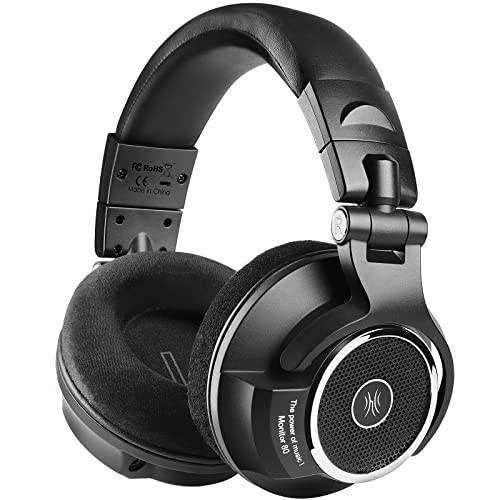
The OneOdio Monitor 80 open-back model aims to deliver a broader, more natural sound. As an open-back, it gives me better spatial cues than closed options in this price range. I use it to audition reverbs and panning before switching to my main reference.
Its 250Ω rating means it benefits from a decent amp. When powered well, the mids are clean and the highs are airy. I find them useful when I need to compare my mix in an open, speaker-like environment without leaving the chair.
Pros:
- Open-back design for natural imaging
- Balanced mids for vocal and instrument clarity
- Velour pads increase comfort during long sessions
- Good value for open-back performance
- Reveals reverb tails and stereo width well
Cons:
- Sound leakage prevents tracking in noisy rooms
- Requires an amp for clean output at 250Ω
- Not as refined as high-end open-back references
My Recommendation
I suggest the OneOdio Monitor 80 for engineers who mix in a quiet room and need an affordable open-back view. I rely on them to check spatial placement and reverb behavior during mixing. They complement closed headphones when I’m building the best headphones for mixing and mastering toolkit.
| Best for | Why |
|---|---|
| Reverb and spatial checks | Open-back reveals tail and width |
| Comfort | Velour pads for long sessions |
| Cost-effective referencing | Affordable open-back performance |
Rumoon Wired 50mm Studio Headphones

The Rumoon wired 50mm cans deliver a punchy sound that’s friendly for modern mixes. I reach for them when I need to test how my tracks translate to consumer-style headphones. The emphasis on mid-bass helps me evaluate groove and impact.
They track well and feel comfortable for long sessions. While not neutral enough for final mastering, they give a practical cross-check for mixes aimed at streaming platforms and mobile listeners. I use them as one of my translation checks regularly.
Pros:
- Punchy low-mid emphasis for commercial mixes
- Comfortable fit for extended use
- Works well directly from most interfaces
- Durable build for everyday studio use
- Good value for casual mixing and tracking
Cons:
- Not fully neutral for critical mastering
- Bass emphasis can mask sub-bass issues
- Limited high-frequency resolution compared to pricier models
My Recommendation
I recommend the Rumoon wired headphones as a practical second set for translation checks. I use them to hear how big mixes translate to bass-forward consumer cans. They’re a useful companion when building a set of the best headphones for mixing and mastering that covers multiple listening scenarios.
| Best for | Why |
|---|---|
| Translation checks | Shows how mixes will sound on bass-forward devices |
| Tracking | Comfortable for long recording sessions |
| Everyday studio use | Durable and affordable |
Rumoon Bluetooth Studio Headphones (Wireless)
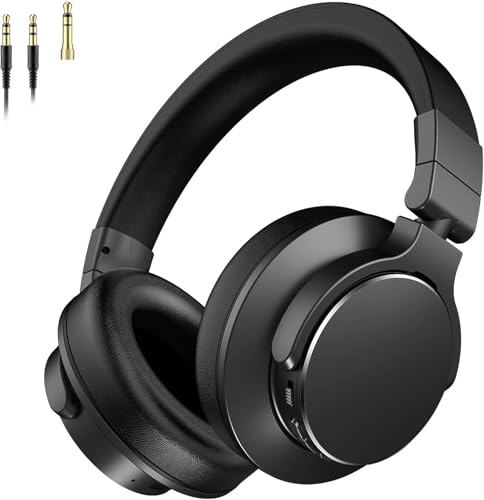
Wireless convenience meets studio-minded drivers in the Rumoon Bluetooth model. I appreciate being untethered during rough mix checks and editing sessions. The wireless mode is handy for quick playback, while wired mode offers reliability for critical listening.
The sound is tuned for consumer appeal, but wired listening improves accuracy. I use these when I need mobility and a fast sense of balance. They’re helpful for producers on the go who still want access to studio-style drivers.
Pros:
- Wireless convenience with wired option for accuracy
- Long battery life for extended use
- Comfortable design for mobile work
- Decent bass and midrange for modern music
- Affordable hybrid option
Cons:
- Wireless sound is less neutral than wired mode
- Latency can affect monitoring while tracking wirelessly
- Not a dedicated mastering reference
My Recommendation
If you need portability and occasional studio checks, I recommend the Rumoon Bluetooth headphones. I use them for quick mix reviews away from the desk. They complement a true reference set when building the best headphones for mixing and mastering because they bridge mobile listening and studio checks.
| Best for | Why |
|---|---|
| Mobile producers | Wireless freedom with wired backup |
| Quick mix checks | Fast, easy listening on the go |
| Value seekers | Good features at a low price |
OneOdio A70 Bluetooth Studio Headphones

The OneOdio A70 balances wireless life with studio-minded features. I use the Bluetooth mode for casual listening and the wired mode when I need more precise checks. The hi-res claim helps in marketing, but my critical listening always goes wired for accuracy.
Battery life is excellent, and build quality feels solid for the price. These headphones serve well as a second set for translation and on-the-go editing. They are a versatile choice for producers who juggle mobility and studio duties.
Pros:
- Long battery life for extended wireless use
- Hi-res wired mode for improved accuracy
- Comfortable earcups for long sessions
- Sturdy build for frequent travel
- Good value for hybrid use
Cons:
- Bluetooth tuning favors consumer sound
- Not a replacement for a dedicated mastering reference
- Slightly bulky for some users
My Recommendation
I recommend the OneOdio A70 for creators who need a hybrid headphone. I use them as an everyday workhorse when I switch between desk work and mobile edits. They’re a helpful piece in a setup that also includes the best headphones for mixing and mastering for final critical passes.
| Best for | Why |
|---|---|
| Hybrid workflows | Wireless for convenience, wired for fidelity |
| Traveling producers | Long battery life and sturdy build |
| Everyday use | Comfortable and versatile |
KRK KNS 6402 Studio Headphones

KRK’s KNS 6402 are built as a no-nonsense studio tool. I use them when I want a flat, analytical sound that helps me spot frequency masking. The closed-back design keeps sound in and room noise out, which is helpful during tracking.
The clamping force is noticeable at first but eases as I get used to them. They reveal low-mid buildup and keep the upper midrange honest. I include them in my rotation when accuracy and isolation are priorities.
Pros:
- Analytical sound ideal for critical listening
- Closed-back isolation for noisy environments
- Durable construction for studio use
- Good midrange clarity for vocal work
- Reasonable price for pro features
Cons:
- Initial clamp can feel tight
- Less spacious than open-back alternatives
- Top-end detail not as airy as high-end references
My Recommendation
I recommend the KRK KNS 6402 for engineers who need isolation and accuracy. I reach for them during tracking and when external noise would ruin a critical listen. They fit well into a set of the best headphones for mixing and mastering when isolation matters most.
| Best for | Why |
|---|---|
| Tracking | Closed-back isolation protects takes |
| Analytical checks | Flat sound reveals masking issues |
| Studio durability | Built to handle daily use |
OneOdio A71 Hi-Res Recording Headphones

The OneOdio A71 brings monitoring-focused design at a low price. I use them for tracking and for quick mix revisions. The shareport feature is handy when I need to let another musician hear a take without unplugging anything.
They are foldable and travel-friendly. Sound is clear in the mids and has enough low-end to judge rhythm sections. For the price, they’re a practical extra pair in my studio bag when I need a portable monitoring solution.
Pros:
- SharePort for easy collaboration
- Foldable design for transport
- Clear midrange for tracking and vocals
- Affordable monitoring option
- Lightweight and comfortable
Cons:
- Not reference-grade for mastering
- Bass can be exaggerated on some tracks
- Plastic build feels less premium
My Recommendation
I recommend the OneOdio A71 for collaborators and mobile engineers. I use them when I need a transportable monitoring set that still reveals important midrange info. They’re a solid companion to your primary set of the best headphones for mixing and mastering when you work with other musicians.
| Best for | Why |
|---|---|
| Collaboration | SharePort makes listening easy |
| Travel | Foldable and lightweight |
| Budget studios | Good monitoring at a low price |
OneOdio Wired 50mm Studio Headphones (Grey)

The grey OneOdio wired model mirrors the black version in performance but offers a different look. I find these useful as backup cans for tracking or reference checks. The 50mm drivers deliver a satisfying low-end that makes groove decisions easy.
They’re straightforward and practical. I keep a pair around for playing back stems and quickly testing balance. They don’t replace a true neutral reference but they help me catch obvious issues fast.
Pros:
- Good value and reliable performance
- Strong low-end for groove assessment
- Comfortable for extended wearing
- Hard-wearing cables and connectors
- Simple, user-friendly design
Cons:
- Not as neutral as studio reference models
- Limited top-end resolution for critical mastering
- Basic fit and finish compared to premium options
My Recommendation
I suggest the OneOdio wired grey pair for producers who need a solid backup for tracking and quick checks. I use them when I want a reliable listen that doesn’t require amps or special setup. They’re a helpful part of building the best headphones for mixing and mastering across price points.
| Best for | Why |
|---|---|
| Backup monitoring | Reliable and easy to use |
| Groove checks | 50mm drivers offer strong bass |
| Value buyers | Good features for the price |
OneOdio Monitor 60 Professional Headphones

The OneOdio Monitor 60 aims for professional use with comfortable pads and a clear midrange. I use them for tracking sessions and quick mix overviews. They handle long hours well and give a reliable sense of balance for pop and electronic music.
These cans won’t replace my highest-end monitors for final mastering, but they are a solid, cost-effective studio tool. I rotate them into sessions where comfort and durability matter more than perfect linearity.
Pros:
- Comfortable padding for long sessions
- Clear mids good for vocal and instrument work
- Sturdy build for regular studio use
- Suitable for tracking and rough mixing
- Includes 6.35mm adapter for studio gear
Cons:
- Not an ultra-flat reference for mastering
- Bass may be slightly enhanced on some tracks
- Higher-tier headphones offer more detail
My Recommendation
I recommend the OneOdio Monitor 60 for producers who value comfort and consistent performance. I use them for long tracking days and quick balance checks. They work well alongside a true reference as part of your best headphones for mixing and mastering collection.
| Best for | Why |
|---|---|
| Long sessions | Comfortable pads reduce fatigue |
| Tracking | Sturdy and reliable in the studio |
| General mixing | Clear mids for vocal focus |
FAQs Of best headphones for mixing and mastering
How do I choose the right impedance for studio headphones?
Choose impedance based on your gear. High-impedance (≥ 80–250Ω) headphones sound best with a clean headphone amp or audio interface. Low-impedance models (≤ 32–80Ω) work well with portable devices. I match impedance to my interface to get clean, distortion-free sound.
Should I use open-back or closed-back for mixing and mastering?
Open-back headphones give a natural soundstage useful for mixing and mastering. Closed-back models isolate better for tracking. I use open-back for detailed mastering and closed-back for recording and noisy rooms. Each type plays a role in a well-rounded monitoring setup.
Can I master only on headphones?
You can master on headphones if they’re accurate and you cross-check on other systems. I always test masters on speakers, car stereo, and consumer headphones. Headphones are powerful tools, but multiple listening environments ensure mixes translate.
Do I need a headphone amp for the best headphones for mixing and mastering?
Many reference headphones, especially high-impedance models like 250Ω, benefit from a good amp. I use a clean headphone amp to reach proper levels and keep distortion low. For low-impedance cans, a quality interface may suffice.
How often should I replace earpads and cables?
Replace pads every year or when they wear out to keep sound and comfort consistent. Cables last longer but swap them if you hear crackling or intermittent signals. I keep spare pads and cables on hand to avoid downtime during sessions.
Final Verdict: Which Should You Buy?
For a studio-first choice, the beyerdynamic DT 990 Pro (250Ω) is my pick as the best headphones for mixing and mastering — they reveal detail and stereo image. If you need isolation or portability, pair them with a closed-back set and a wireless option for checks on the go.
Build a small set: a neutral open-back for reference, a closed-back for tracking, and one consumer-style pair for translation. That combo gives you reliable results and helps the best headphones for mixing and mastering translate across devices.

Everett Ashford is a tech reviewer at mytechgrid.com specializing in SSDs, cameras, TVs, earbuds, headphones, and other consumer electronics. He provides honest, data-driven reviews based on hands-on testing and real-world performance analysis. Everett simplifies complex tech details to help readers make smart, confident buying decisions.