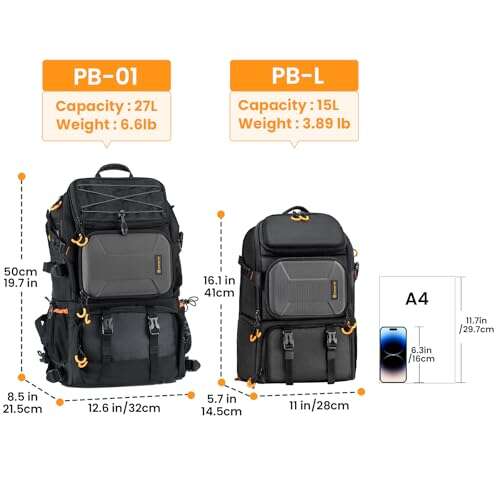
The best camera bags for travel are protective, roomy, and quick to access.
You know that feeling at the airport when your gear feels heavy, your straps dig in, and you can’t find a lens cap when the light is perfect? I’ve been there. The right bag fixes that stress fast. The best camera bags for travel keep your camera safe, your laptop snug, and your shoulders happy. They open fast, balance weight well, and fit under a seat. In this guide, I break down what matters and which bags deliver. If you shoot DSLR, mirrorless, or even fly a compact drone, I’ve got you covered.
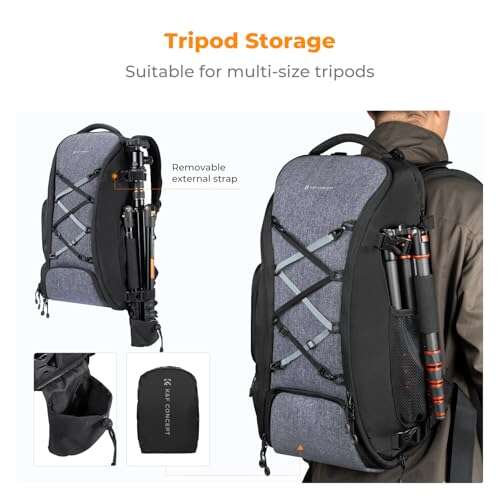
K&F Concept 30L Camera Backpack with Raincover

This 30L K&F Concept backpack hits a sweet spot for travel. It has space for a full-frame body, three to five lenses, and a compact drone. The 16-inch laptop sleeve helps if you edit on the road. The included rain cover adds peace for wet city walks and mountain mist.
It opens wide, so packing is easy. The padded dividers feel firm and hold shape. That helps keep lenses from bumping in transit. The fit and finish feel solid for daily use and long hauls.
Pros:
- Big 30L capacity for camera, lenses, and a compact drone
- 16-inch laptop sleeve for travel editing and tethering
- Rain cover included for storms and sea spray
- Structured dividers protect glass and bodies well
- Comfortable straps and back padding for all-day wear
- Full-open main access makes packing simple
Cons:
- 30L is large for strict ultra-low-cost airlines
- No rigid front shell; soft face can compress under pressure
- If fully loaded, it can feel top heavy without careful packing
My Recommendation
If you want one bag to do most trips, this is a smart pick. It balances volume, comfort, and protection. I like it for city breaks and week-long trips where I carry a laptop and a drone. It feels like one of the best camera bags for travel if you need space with comfort.
| Best for | Why |
|---|---|
| Travel creators with 3–5 lenses | 30L capacity and sturdy dividers hold varied kits well |
| Photographers who edit on the go | 16-inch laptop sleeve fits modern thin-and-light laptops |
| Mixed photo and drone travel | Space for a compact drone kit with room to spare |
K&F Concept Hardshell Camera Backpack 15.6″ Laptop
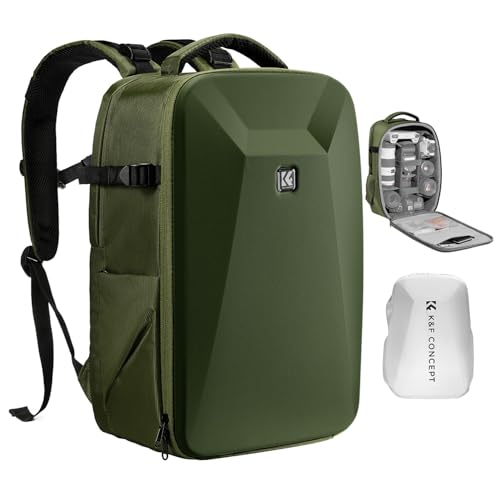
This K&F Concept backpack adds a hard front shell for extra protection. That rigid face resists bumps in crowded trains and busy streets. Inside, you get flexible dividers to secure a DSLR or mirrorless body and lenses. The 15–15.6 inch laptop compartment works for most travel notebooks.
The hardshell design is a big upgrade for peace of mind. It keeps your gear safer from soft impacts and pressure. The bag still wears like a regular backpack, which makes travel easier. If you shoot in tight, busy places, you will appreciate the shell.
Pros:
- Hardshell front adds real impact protection
- 15–15.6 inch laptop sleeve fits common travel laptops
- Flexible interior dividers for custom layouts
- Good comfort for daily walking and airport use
- Clean look that blends in while traveling
- Solid value for protection and features
Cons:
- Hardshell adds a bit of weight
- Less expandable than a soft-only pack
- Front shell can feel firm against tight airline bins
My Recommendation
Pick this if you want more protection without going full hard case. It is a good middle ground for street and transit. I like it for urban trips and events where crowds and bumps happen. It belongs on any shortlist of the best camera bags for travel when gear safety comes first.
| Best for | Why |
|---|---|
| City and event shooters | Hardshell front shields lenses in crowded spaces |
| Travel with one body and key lenses | Smart layout and strong front panel |
| Flights with soft overhead pressure | Rigid face helps resist squeeze and knocks |
MOSISO Hardshell Camera Backpack 15–16″ with Tripod
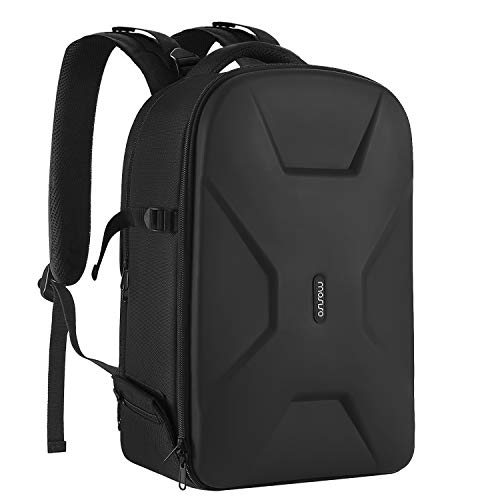
The MOSISO backpack adds a hard front cover and a built-in tripod holder. It fits DSLR, SLR, or mirrorless gear and a 15–16 inch laptop. The waterproof hardshell face helps protect the front area from splashes and light bumps. The clean look and simple layout make it easy to pack.
It is a solid pick if you always carry a travel tripod. The side or front straps keep it snug so it does not swing. The laptop pocket is helpful for flights and cafés. It is a good value choice for the best camera bags for travel when you shoot landscapes.
Pros:
- Hardshell front adds protective rigidity
- Tripod holder keeps sticks secure and handy
- Fits 15–16 inch laptops for on-the-go edits
- Water-resistant front helps with light rain
- Clean design that looks low key
- Good price-to-feature ratio
Cons:
- Tripod weight can pull if not balanced
- Interior space is moderate, not huge
- Hard face can scuff if dragged on rough surfaces
My Recommendation
Choose this if a tripod is part of your daily kit. The carry system makes it smooth for sunrise and sunset shoots. The hardshell front calms nerves in tight spots. For many travelers, it ranks with the best camera bags for travel for value and simple, strong features.
| Best for | Why |
|---|---|
| Landscape and time‑lapse travel | Tripod holder is secure and quick to use |
| Hybrid photo/video kits | Hardshell protects mics and small rigs up front |
| Budget‑friendly protection | Strong feature set without a high price tag |
How to choose the best camera bags for travel
Start with what you carry most. List your body, lens count, and the biggest lens. Add your laptop size and any drone or audio kit. This list sets the volume and layout you need.
Pick a style that fits your movement. Backpacks spread weight and feel best for long walks. Slings move fast and work for light kits. Messengers are quick in cities but can feel heavy on one side.
Protection matters. A soft pack with strong dividers is fine for careful travel. A hardshell face helps in crowds and on busy transit. If you toss your bag often, a semi-rigid panel is worth it.
Check access. A full clamshell lets you pack clean and tight. Top or side access is fast for street work. Many of the best camera bags for travel blend both in one design.
Comfort and fit
Good shoulder straps spread load. Look for thick foam that keeps shape. A back panel with airflow helps in heat. A sternum strap is a small part that makes a big difference.
Try the bag with weight if you can. Move, twist, and crouch. The bag should not shift or bite. Comfort is the reason the best camera bags for travel feel “invisible” while you shoot.
Weight and size
Empty weight matters on long days. A very heavy bag can ruin a shoot. Aim for lighter builds without losing needed protection. This balance defines the best camera bags for travel in real use.
Airline rules vary. Measure the outer size. Keep the bag under seat size if you can. A smaller footprint saves stress at the gate.
Dividers and layout
Dividers should be firm yet soft on gear. They should hold shape over time. Some are L-shaped for tricky lenses or flashes. Good layouts keep your most used items near the top or a quick side access.
Plan a “home” for each item. Body, primary lens, and spare battery should be easy to grab. Use small pouches for cards and cables. This saves shots when timing is tight.
Materials and zippers
Look for dense weave fabrics with a water-resistant coating. Strong stitching at stress points is key. Smooth zippers save seconds and prevent snags. A rain cover is cheap insurance when the sky turns.
Metal hardware lasts longer than thin plastic. Simple pull tabs help in cold or with gloves. These small parts define the day-to-day joy of use.
Laptop and tech support
A laptop sleeve should match your size and add padding. Check if it is off the ground when you set the bag down. That gap protects your edges. A tablet pocket is nice if you use a small slate for edits.
Cable routes and power bank space help on trains and planes. When I travel, I keep a short USB-C cable near the top. Little systems make a big impact.
Packing tips for the best camera bags for travel
Pack heavy items mid-back and low. This improves balance and saves your shoulders. Keep your main camera near the top or a side access. Spare batteries live in a zip pocket for fast swaps.
Use lens wraps for extra care with fast glass. Put filters in a flat case to avoid pressure. Strap the tripod tight and centered if the bag allows. Loose tripods swing and cause fatigue.
Carry a small microfiber cloth in an outer pocket. Keep rain cover in the same spot every time. A simple system beats a fancy one you forget. That is why the best camera bags for travel make room for small habits.
Street, landscape, and travel styles: what changes?
Street shooters need fast access and low weight. A smaller backpack or sling is ideal. Silent zippers help in quiet spaces. A low-profile look draws less attention.
Landscape travel adds a tripod, filters, and warm layers. You want a stable frame and strong straps. A hardshell front helps when you put the bag down on rough ground. A rain cover is a must.
City to mountain trips need a hybrid setup. The best camera bags for travel in this case balance two modes. They keep the body quick to grab, and the rest locked down. Flex matters here.
What to avoid with travel camera bags
Do not pick a bag by looks alone. A clean style helps, but comfort rules the day. If it hurts in the store, it will hurt more after six miles.
Do not overpack “just in case.” Each extra lens adds weight and mental load. Choose a tight kit. Your back and your focus will thank you.
Do not skip a rain cover if your fabric is not sealed. Weather changes fast. Your gear cannot argue with a storm. The best camera bags for travel plan for that.
Size examples to match your kit
For one body and two small primes, a compact pack is fine. You can keep it light and fast. Add a slim laptop sleeve if you edit on the go. No need for 30L here.
For one body, a 24–70, a 70–200, and a drone, mid-size works best. The K&F Concept 30L shines for this kit. Balance weight low and centered. It is a classic travel loadout.
For two bodies and three lenses, comfort is key. Get a larger back panel and padded straps. Hardshell fronts help if you shoot events. These details make the best camera bags for travel stand out.
Care and upkeep to extend bag life
Empty the bag after gritty trips. Shake out sand and dust. Wipe the shell with a damp cloth. Let it air dry before storage.
Check seams and strap anchors now and then. Trim loose threads and avoid overloading. Lube zippers with a small drop of zipper care if they snag. Store in a dry spot out of direct sun.
Keep the rain cover clean and folded. Replace it if it tears. These small steps keep the best camera bags for travel going strong for years.
Safety and travel smart tips
Use a luggage strap to slip over a suitcase handle. This saves your back in long terminals. Keep your bag on your front in crowds. Low profile colors draw less attention.
Carry a small lock if you leave the bag in a hotel. It is a gentle barrier, not full security. Record serial numbers and keep a cloud photo of your gear. Peace of mind helps you create.
Register gear for travel insurance if you can. Back up memory cards daily. The best camera bags for travel help, but data safety is on you. Simple rules, big payoff.
Real-world comfort insights
Thicker straps help, but shape matters more. Curved straps fit the chest better. A sternum strap stops bounce. A soft back panel reduces hot spots on long walks.
Try on with real weight. Fill water bottles to simulate lenses. Walk stairs and sit, stand, and twist. The best camera bags for travel feel stable in all moves.
How I test travel camera bags
I load a common kit: a mirrorless body, three lenses, filters, and a laptop. I pack and unpack ten times. I time how fast I can grab the body and a lens. I walk two miles and note soreness points.
I check zippers and seams with light pulls. I test rain covers in a shower for five minutes. I strap a small tripod and check swing and balance. This simple method shows how a bag works in real life.
Who should pick a hardshell face?
If you push through crowds or work events, the shell helps. It spreads pressure and deflects knocks. It also holds shape when packed tight. Your filters and small mics are safer.
If you often press the bag under seats, a hard face resists crush. It keeps your layout intact. For me, it is a top trait in the best camera bags for travel used in cities and flights.
When a softer pack is better
Soft packs flex in tiny rental cars and buses. They can be lighter and simpler. They also squish into tight hostel lockers. If you carry less gear, a soft front is fine.
Add a rain cover and good dividers. Pack with lens wraps to protect fast primes. This combo works for most trips. It is part of why the best camera bags for travel are not all hard.
Budget and value thoughts
You do not need to spend a fortune to protect gear. Focus on layout, straps, and proven features. A tripod holder and a rain cover help a lot for little cost. A 15–16 inch laptop pocket adds real use.
Each bag here brings real value for the price. They cover core needs I see on the road. That makes them easy picks on a budget. They earn a place among the best camera bags for travel.
FAQs Of best camera bags for travel
What size camera bag fits under an airline seat?
Most personal items should be near 16 x 12 x 6 inches. Backpacks with soft sides flex a bit. Always check your airline’s rules before you fly.
Is a hardshell front worth it for travel?
Yes if you ride crowded transit or pack tight. It spreads pressure and helps protect lenses, filters, and small mics from bumps.
How do I stop back pain with a heavy camera bag?
Keep heavy items low and close to your spine. Use sternum and waist straps. Take short breaks. Pack only what you use.
Can I carry a tripod on my camera backpack?
Yes, if the bag has tripod straps or a holder. Strap it centered and tight. That cuts swing and saves your shoulders.
Are rain covers enough in heavy storms?
They help a lot. For very heavy rain, add a dry bag inside. Keep a small towel to wipe zippers and seams after.
Final Verdict: Which Should You Buy?
For space and comfort, the K&F Concept 30L is hard to beat. It handles a laptop, lenses, and even a drone. It is one of the best camera bags for travel if you carry more.
Want extra protection? Pick the K&F Hardshell. Need tripod carry on a budget? Go MOSISO. All three rank as the best camera bags for travel for real trips and tight schedules.
Jamie Lee is a seasoned tech analyst and writer at MyTechGrid.com, known for making the rapidly evolving world of technology accessible to all. Jamie’s work focuses on emerging technologies, product deep-dives, and industry trends—translating complex concepts into engaging, easy-to-understand content. When not researching the latest breakthroughs, Jamie enjoys exploring new tools, testing gadgets, and helping readers navigate the digital world with confidence.