The best camera for sports photography blends fast autofocus, high burst rates, and tough build.
You want a camera that locks focus fast, fires off clean shots, and keeps going when the action gets wild. I’ve shot soccer under rain, basketball in low light, and track at noon sun. Missed focus hurts. Slow bursts sting. The right body and lens fix that. In this guide, I break down what matters and which options match real budgets. Whether you are a parent on the sidelines or a creator with client needs, I’ll help you pick the best camera for sports photography with clear pros, cons, and honest recommendations.
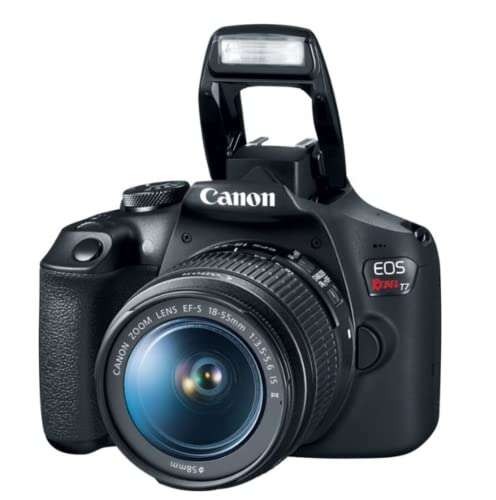
Canon EOS Rebel T7 2-Lens Kit (18-55, 75-300)

This bundle gives you the Canon EOS Rebel T7 and two lenses. You get the 18–55mm for general shots and the 75–300mm for reach. It is simple to use, light, and ideal for daytime fields. New shooters can learn the basics fast and feel at ease right away.
For sports, the T7 can capture sharp images in good light. Its 24.1MP sensor produces clean files at lower ISO settings. The 75–300mm lens provides reach for soccer, baseball, and track. If you set it right and pre-focus, you can catch solid moments.
Pros:
- Two-lens value out of the box. You can start wide and zoom in without buying more gear right away.
- Easy to learn. The controls are simple, and auto modes help when the pace is fast.
- Lightweight body. Long games are easier on your hands and neck.
- 24.1MP image quality. Files look crisp in good light, and prints hold detail.
- Good for daylight action. The 75–300mm reaches across a field for youth sports.
Cons:
- Slow burst rate. About 3 fps is tough for fast plays and peak action.
- Basic autofocus. A 9-point AF system is not built for tracking erratic movement.
- Low-light limits. Indoors and night games will push ISO and soften detail.
My Recommendation
If you are starting out and want reach on a budget, this kit works. It is not the best camera for sports photography for pro work, but it is a safe first step. Use the 75–300mm in bright daylight. Pre-focus on areas where action happens. You will get more keepers this way. Parents and beginners who want clean photos at the park will be happy with the value. As your skills grow, you can upgrade the body or lens later while keeping the system simple.
| Best for | Why |
|---|---|
| Beginner sports parents | Affordable kit with useful reach for field sports |
| Daylight games | Sensor quality shines in bright light and simple scenes |
| Learning DSLR basics | Simple controls and two lenses to explore styles |
Canon EOS Rebel T7 with 18-55mm Lens (Wi‑Fi)

This T7 kit includes the 18–55mm lens, which covers wide to normal views. It is great for team huddles, bench shots, and pre-game scenes. The camera has built-in Wi‑Fi for quick sharing. The 24.1MP sensor delivers nice detail for prints and social media.
For fast action, this lens falls short due to limited reach. You can shoot courtside or from the sideline with care. Focus is best when subjects move predictably. If you add a telephoto later, this body can still serve as a backup for wide shots.
Pros:
- Compact and light. Easy to carry and faster to aim at short range.
- Good image quality. Clean files at base ISO and pleasing color.
- Wi‑Fi sharing. Send photos to your phone fast after the game.
- Friendly interface. Helps you learn settings without feeling lost.
- Affordable entry point. Fits tight budgets and covers basic needs.
Cons:
- Limited burst and AF. Not ideal for chaotic plays or rapid sequences.
- Short lens reach. The 18–55mm is too short for most field sports.
- Low-light constraints. Night games will challenge focus and noise control.
My Recommendation
This kit suits someone close to the action, like indoor volleyball on the baseline. It is not the best camera for sports photography if you need long reach or top tracking. Pair it with a 50mm f/1.8 for brighter gyms. Add a telephoto later as your budget allows. It makes a solid first camera to learn exposure, timing, and composition with minimal risk to your wallet.
| Best for | Why |
|---|---|
| Sideline and baseline shooting | Short lens suits close action and team moments |
| New photographers | Easy controls and Wi‑Fi for quick learning and sharing |
| Budget-friendly start | Low cost while you build skills and save for lenses |
XNSIAKXA 8K 88MP Dual‑Lens Camera (Wi‑Fi)
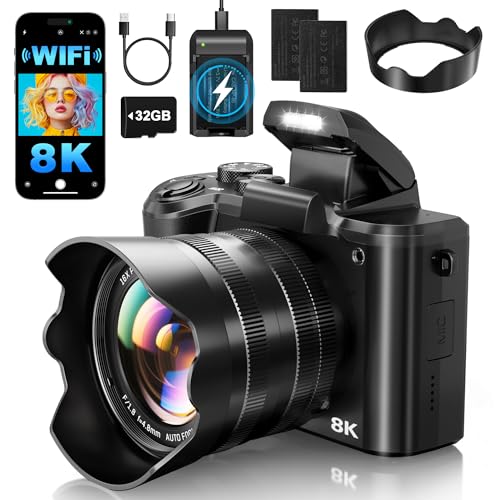
This camera advertises 8K video and an 88MP sensor, plus dual lenses. It includes a touch screen, Wi‑Fi, and a charging stand. It is aimed at creators who want simple tools in one box. The package comes with a lens hood and two batteries for longer use.
For sports, I judge cameras by autofocus, burst rate, and lens speed. Specs here suggest a focus on general vlogging and travel. It may capture casual action in bright light. For serious sports, the AF and lens options will likely limit results.
Pros:
- All-in-one kit. Batteries, charging stand, and accessories help you start fast.
- Touch screen ease. Menus and focus selection feel quick for casual shooting.
- Wi‑Fi sharing. Move files to your phone without cables.
- Dual-lens design. Offers some framing flexibility out of the box.
- Good value for video diaries. Works for sideline interviews or behind-the-scenes clips.
Cons:
- Autofocus limits. Tracking fast action is hard for cameras in this class.
- Lens speed unknown. Likely slow apertures, which hurt indoors and at night.
- 8K claims vary. Real-world performance may not match pro 8K systems.
My Recommendation
Choose this if you want an affordable camera for general content with some sports on the side. It is not the best camera for sports photography when the play is fast and light is dim. But it can cover team intros, halftime shows, or simple drills. If budget and simplicity are your top needs, it can work. If you want high keeper rates in action, consider a mirrorless body with proven AF and a fast telephoto lens.
| Best for | Why |
|---|---|
| Casual content creation | Includes extras and a touch screen for quick setup |
| Sideline vlogs | Wi‑Fi and simple interface help you post fast |
| Beginner shooters | Two batteries and dual lenses ease the learning curve |
8K 88MP Dual‑Lens Vlogging Camera (Wi‑Fi)
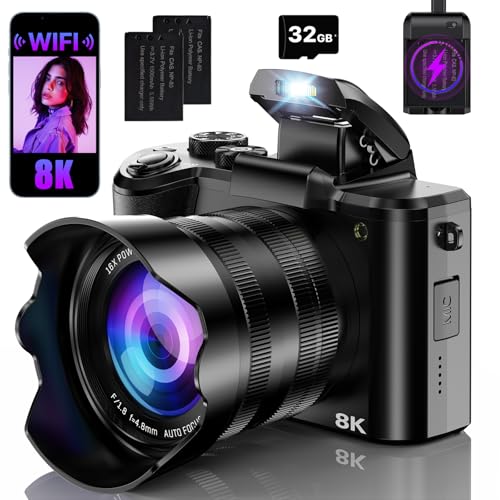
This 8K-labeled compact camera targets vloggers and casual shooters. It offers 16X digital zoom, a 3.2 inch touch screen, and anti-shake. The package includes two batteries and a charging stand. It aims to be a one-stop kit for light travel and social content.
For sports, digital zoom is not the same as optical reach. Expect best results in bright conditions with slower action. Anti-shake helps with handheld shots, but it cannot replace fast autofocus. For serious motion, this camera serves as a secondary angle rather than the main tool.
Pros:
- Complete kit value. Two batteries add real runtime for game days.
- Touch controls. Swipe and tap to set focus or review clips on the fly.
- Anti-shake support. Smoother handheld video for casual moments.
- Simple sharing. Wi‑Fi helps you move highlights to your phone fast.
- Light and portable. Easy to keep in your bag for backup shots.
Cons:
- Digital zoom limits detail. You lose quality compared to optical telephoto lenses.
- AF and burst are modest. Not built for elite action tracking.
- Low-light noise risk. Small sensors struggle under gym lights.
My Recommendation
Consider this if you want a compact side camera for pre-game, crowd shots, and short clips. It is not the best camera for sports photography as your primary unit. But it can capture context and behind-the-scenes moments well. If you pair it with a more capable body on the field, you can tell a fuller story without much extra weight or cost.
| Best for | Why |
|---|---|
| Backup video angles | Easy to mount or handhold for cutaway shots |
| Social content | Touch screen and Wi‑Fi make quick posts simple |
| Beginners on a budget | All-in-one kit reduces extra purchases |
Canon Rebel T7 18-55 & 75-300 Bundle Kit

This bundle builds on the T7 and adds many extras. You get extra batteries, memory cards, and a bag. There is a flash, software, and accessory lenses as well. It is a ready-to-go kit for a new sports parent.
The two lenses cover wide to long range. Day games look best with the 75–300mm at the far end. The included flash is better for portraits after the game. For moving plays, stick to natural light and faster shutter speeds.
Pros:
- Complete starter package. Batteries, cards, and bag make field days simple.
- Nice reach for daylight sports. The 75–300mm can track action at a distance.
- Good image quality for price. Clean shots in sun or bright overcast.
- Wi‑Fi convenience. Share to your phone or tablet right after the game.
- Learning-friendly. Helps you master exposure, timing, and angles.
Cons:
- Basic AF and burst. The T7 struggles with fast, erratic motion.
- Slow telephoto apertures. Low light will push ISO and soften details.
- Accessory lenses vary. Clip-on optics can reduce sharpness at the edges.
My Recommendation
If you want an all-in-one kit to start today, this is a smart buy. It is not the best camera for sports photography at the elite level, but it can capture memories that matter. Focus on timing and positioning. Shoot in good light with higher shutter speeds. As you grow, invest in a faster telephoto lens, like a 70–200mm f/2.8, and keep the T7 as a backup or family camera.
| Best for | Why |
|---|---|
| Complete beginners | Comes with essentials to start shooting right away |
| Daytime youth sports | Telephoto reach works well in bright conditions |
| Family events | Flash and accessories help with portraits and parties |
Canon Rebel T7 + 420–800mm Telephoto Bundle (Renewed)

This renewed bundle adds a 420–800mm super telephoto lens. It also includes a sling backpack and memory cards. The reach looks very long on paper. It is tempting for fields, wildlife, and distant scenes.
In real use, lenses like this are often manual focus with narrow apertures. That means less light and more misses on fast movement. It is a niche tool for bright daylight and slow or predictable subjects. Handholding at 800mm is also a challenge without support.
Pros:
- Extreme reach. You can frame far-away subjects when you cannot get closer.
- Good value in a bundle. Backpack and cards add real-world utility.
- Useful for static scenes. Works for distant landscapes and large stadium views.
- Light learning tool. Teaches you about stability, shutter speeds, and focus control.
- Renewed savings. Lower price compared to new kits.
Cons:
- Manual focus in many cases. Tracking sports is very hard without autofocus.
- Slow aperture. Requires bright light and higher ISO for action.
- Handling at 800mm. Heat shimmer and shake can blur shots.
My Recommendation
Buy this for distant static scenes and for learning long-lens technique. It is not the best camera for sports photography if you need consistent action shots. A faster, autofocus telephoto is a better fit. Use a monopod, shoot in bright sun, and pre-focus on zones. If you master that, you can still capture clean moments at a distance.
| Best for | Why |
|---|---|
| Distant outdoor scenes | Extreme focal length frames far subjects well |
| Learning long-lens technique | Forces good handholding and support skills |
| Budget reach | Lower cost for trying a super telephoto setup |
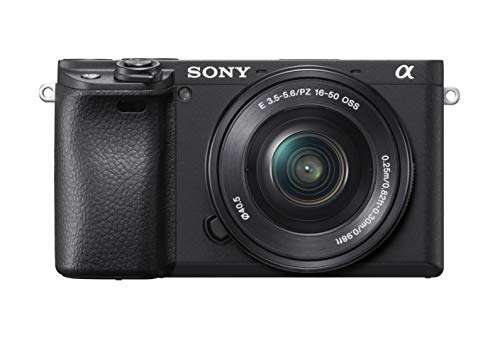
Sony Alpha 7 IV Kit (28–70mm)

The Sony A7 IV is a 33MP full-frame mirrorless camera. It offers fast, accurate autofocus with Real-time Tracking. You get up to 10 fps with strong subject detection. The 28–70mm kit lens is good for close sidelines and pre-game scenes.
For sports, the body shines. It locks onto faces, eyes, and moving players with confidence. Pair it with a 70–200mm f/2.8, 100–400mm, or 70–300mm, and the system becomes a powerhouse. It handles low light better than entry DSLRs and keeps files clean at higher ISO.
Pros:
- Excellent autofocus. Real-time Tracking sticks to players as they cut and sprint.
- Up to 10 fps with deep buffer. You can capture sequences and pick the peak moment.
- 33MP sensor. Cropping power and crisp detail for prints and clients.
- Great low-light performance. Handles indoor arenas and night games with less noise.
- Robust lens ecosystem. Many fast telephotos and third-party options exist in 2026.
Cons:
- Kit lens is short. You will need a telephoto for most sports.
- Cost is higher. Body and pro lenses are an investment.
- Learning curve. AF settings have depth, and you should tune them for sport type.
My Recommendation
If you want a camera that handles real action, this is a top choice. It may be the best camera for sports photography at this price because of its AF, burst rate, and image quality. Add a 70–200mm f/2.8 for courts and fields. Or use a 100–400mm for field sports where you need reach. It will reward you with high keeper rates, clean files, and confident focus in tough light.
| Best for | Why |
|---|---|
| Serious sports shooters | Elite autofocus, 10 fps, and strong low-light results |
| Indoor and night games | Full-frame sensor handles higher ISO with less noise |
| Mixed photo and video | Strong hybrid features for creators and pros |
FAQs Of best camera for sports photography
What specs matter most for sports photography?
Autofocus speed and tracking matter most. Burst rate and buffer size help you catch peak action. Low-light performance and lens options also make a big difference.
Do I need a fast telephoto lens?
Yes, for field sports and indoor action. A 70–200mm f/2.8 or a 100–400mm is very useful. Faster apertures keep shutter speeds high and ISO lower.
Is the Canon Rebel T7 good for sports?
It works for beginners in daylight. It is not ideal for fast play or low light due to basic AF and burst limits. It is a budget learning platform.
Is the Sony A7 IV good for sports in 2026?
Yes. It has excellent AF, a deep feature set, and strong lens support. It is a great hybrid pick for photos and video.
What settings should I start with for sports?
Use shutter priority at 1/1000s or faster. Set continuous AF and burst mode. Raise ISO as needed and track subjects with AF-C.
Final Verdict: Which Should You Buy?
If you want the best camera for sports photography with room to grow, pick the Sony A7 IV and add a fast telephoto. It nails focus, shoots quick bursts, and looks clean in low light.
If you need a low-cost start, the Canon Rebel T7 kits can work in daylight while you learn skills. When you are ready, upgrade lenses or bodies to reach your own best camera for sports photography level.

Jamie Lee is a seasoned tech analyst and writer at MyTechGrid.com, known for making the rapidly evolving world of technology accessible to all. Jamie’s work focuses on emerging technologies, product deep-dives, and industry trends—translating complex concepts into engaging, easy-to-understand content. When not researching the latest breakthroughs, Jamie enjoys exploring new tools, testing gadgets, and helping readers navigate the digital world with confidence.