Crucial X10 and WD My Passport SSD top the list for music producers.
I live in the US, in Austin, Texas. I know the pain of bouncing between a home studio, a rehearsal space, and a coffee shop with a laptop in tow. Fast sessions, big sample packs, and high track counts push storage hard. That is where the best portable SSD for music production changes the game. It cuts load times, keeps sessions safe, and lets me track, edit, and mix without slowdowns or random dropouts. In this guide, I share hands-on insight to help you pick a drive that will not choke when a client needs a new bounce in five minutes.
Crucial X10 1TB Portable SSD (2,100MB/s USB-C)
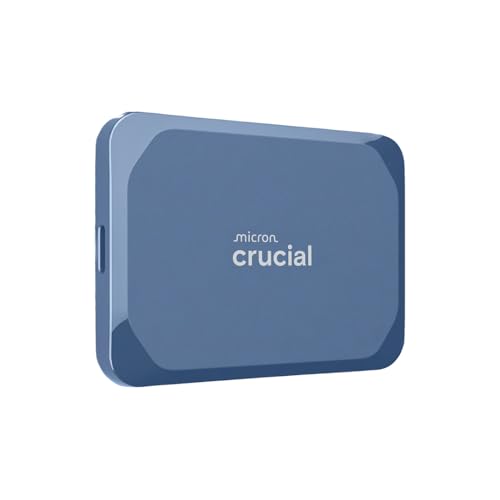
The Crucial X10 is a speed-first drive that fits modern music work. It offers up to 2,100 MB/s peak reads over USB-C. That kind of speed matters when I open a complex Ableton Live or Logic Pro session with large sample sets. Big Kontakt libraries stream clean. Stems copy fast. Backups finish in less time. The shell is light and pocket friendly. It draws power over USB, so I do not need a spare outlet on stage or in a small studio. For the best results, pair it with a USB 3.2 Gen 2×2 port. That port allows the headroom for its top speed.
In real work, sustained speed is as key as peak speed. The Crucial X10 holds strong for long writes, like printing mixdowns or moving a huge session folder. That is vital if you work at 96 kHz, or film score projects with hundreds of tracks. The drive boots fast on Mac and Windows. Format to exFAT for cross-platform work, or APFS on Mac if you prefer. The casing feels sturdy. It shrugs off daily bumps in a bag. If you move a lot, this is one of the best portable SSD for music production because it cuts lag and keeps creative flow intact.
Pros:
- Very fast peak speed for heavy DAW sessions
- Strong sustained writes for long exports and backups
- Light, pocketable build that travels well
- USB-C bus power, no wall adapter needed
- Great choice for streaming big sample libraries
Cons:
- Needs a USB 3.2 Gen 2×2 port to hit max speeds
- Short cable in the box for some setups
- No stated IP rating for dust or water
My Recommendation
If you track, edit, and mix across locations, the Crucial X10 fits. It shines when you load large libraries and stream audio. If you score, or use orchestral tools, it will feel fast. It is also good if you back up each night and want those backups done before the ride home. For many creators, it is the best portable SSD for music production because it blends speed, size, and a low-stress setup. It gives laptops a big lift without a big spend. If your laptop supports USB 3.2 Gen 2×2, you will see the full benefit.
| Best for | Why |
|---|---|
| Large sample libraries | High read speeds keep loading and streaming smooth |
| Mobile producers | Light, bus-powered, and tough enough for travel bags |
| Fast nightly backups | Sustained writes cut backup times for big projects |
Vansuny 500GB Portable SSD (USB 3.1 Gen2, 450MB/s)

The Vansuny 500GB drive is a compact, budget-friendly SSD that still beats any spinning drive. It peaks around 450 MB/s over USB 3.1 Gen 2. That is enough for on-the-go tracking and light mixing. It works well as a session shuttle drive too. I like it for quick beat ideas and vocal comps on a laptop at a cafe. The metal shell helps with heat and gives a premium feel. It is small enough to tape to a laptop lid during a set. For small rigs, it is easy to call this one of the best portable SSD for music production under its price tier.
The half-terabyte size fits many EPs, podcast runs, and a stack of demo sessions. It also works as a sample cache drive if your main library lives on a desktop. I would not load very large orchestral libraries here. It will handle pop, hip-hop, indie rock, and most stereo sessions with ease. Use exFAT to move files between Mac and Windows. The drive is bus-powered, so setup is quick. For tight budgets, this drive offers solid value, fair speed, and a simple workflow. It is a smart backup or travel drive for lean mobile rigs.
Pros:
- Great price-to-performance ratio
- Metal shell helps heat dissipation
- Ultra compact and pocket friendly
- Good for session shuttling and rough mixes
- Plug-and-play on most systems
Cons:
- Not ideal for huge sample libraries
- Capacity can fill fast with stems and bounces
- Peak speeds are mid-range vs. premium NVMe units
My Recommendation
If you are a songwriter, podcaster, or new producer, this is a smart first SSD. It is quick enough for most two-track and light multi-track work. It also makes a good travel backup of your main project folder. It will not break the bank, and it does not slow you down. If you need the best portable SSD for music production on a tight spend, start here, then scale up when your sessions grow. It also plays nice with tablets and phones that support USB-C storage.
| Best for | Why |
|---|---|
| Beginners and students | Affordable entry to SSD speed and reliability |
| Light mobile rigs | Small size and bus power keep setups clean |
| Session shuttle drive | Easy to move projects between studios and laptops |
WD My Passport SSD 2TB (Hardware Encryption)

The WD My Passport SSD 2TB is a studio workhorse with a focus on security and speed. It hits up to about 1,050 MB/s reads on USB 3.2 Gen 2. That is plenty for modern DAWs and heavy sessions. The big win here is hardware encryption. You can set a password and protect client tracks, voiceovers, and unreleased mixes. That matters if you work with labels or sensitive client content. The gold finish looks sharp and is easy to spot in a bag. The drive is small and light, and it is bus powered with a USB-C port. Setup is quick and clear.
In use, the WD feels balanced and steady. Load times are short. Edits snap. Printing long bounces is stable. The 2TB size fits big sample libraries and long stem runs. It is a reliable partner for daily work. It moves between Mac and Windows with no drama. For the best results, keep it on a USB 3.2 Gen 2 port. That is the 10 Gbps port that aligns with its peak speed. If you want a secure and fast drive that just works, this is one of the best portable SSD for music production in 2025. It protects your work and keeps you moving.
Pros:
- Hardware encryption for client and project security
- Fast performance for most pro sessions
- Large 2TB capacity handles big libraries and stems
- Reliable brand with broad support
- Compact and bus powered for easy travel
Cons:
- Not as fast as 20 Gbps NVMe drives
- Premium price compared to smaller budget drives
- Short cable may need a hub or longer lead
My Recommendation
This is my pick for music pros who value security and steady speed. If you juggle label sessions, film cues, or client podcast seasons, hardware encryption brings peace of mind. The 2TB size lets you keep active sessions and sample sets on one drive. It is not the absolute fastest, but it is fast enough and rock solid. For many, this is the best portable SSD for music production when you need a trusted brand, smart security, and a big, simple space that runs day after day.
| Best for | Why |
|---|---|
| Client security | Hardware encryption with password protection |
| All-around studio work | Balanced speed and large capacity |
| Cross-platform teams | Works well on Mac and Windows with simple setup |
Netac ZX20 2TB NVMe Portable SSD (2000/1700MB/s)

The Netac ZX20 pairs NVMe speed with a portable shell. It is rated up to 2,000 MB/s reads and 1,700 MB/s writes. That puts it in the fast lane for large music projects. It uses USB 3.2 Gen 2×2 for 20 Gbps headroom. If your laptop supports that port, you can see near desktop-class transfer rates. I like this drive for sample-heavy sessions and quick cloning of project folders. The 2TB capacity holds a lot of drums, keys, and stems. It is bus powered. The case is tough enough for daily travel. It is a strong pick if speed is your main need.
When I stream large orchestral libraries, the ZX20 helps keep disk meters calm. Big Kontakt patches and modern Romplers load with less wait. Bounces to stems are quick too. I do suggest short, high-quality cables for best speed. Also, plan your ports. You want a 20 Gbps port free. On slower ports, it still runs well, but the top speed will drop. This drive belongs in any kit that needs a fast scratch disk or a sample drive. It is one of the best portable SSD for music production when you need 20 Gbps speed without a huge cost.
Pros:
- Very fast NVMe performance on 20 Gbps ports
- Strong writes for long exports and backups
- 2TB space for large libraries and stems
- Bus power and travel-ready design
- Good price for its speed tier
Cons:
- Needs USB 3.2 Gen 2×2 to reach peak speeds
- Can run warm under long sustained writes
- No built-in hardware encryption noted
My Recommendation
Pick the Netac ZX20 if speed is your top goal. If you edit film cues, orchestral mockups, or big EDM sets with lots of layers, this drive keeps up. It is a great sample drive and a fast work drive. If your laptop has a 20 Gbps USB port, you get the full win. If not, it still runs well, but you will see lower numbers. For raw throughput, this is among the best portable SSD for music production in its class.
| Best for | Why |
|---|---|
| Orchestral and film scoring | High read speeds for large sample streaming |
| Fast project cloning | Strong write speeds move folders quickly |
| High track counts | Stable throughput keeps DAW disk usage low |
Vansuny 1TB Portable SSD (USB 3.1 Gen2, 500MB/s)

The Vansuny 1TB offers a sweet spot for cost, size, and speed. It hits up to about 500 MB/s on USB 3.1 Gen 2. That is enough for most pop and hip-hop sessions with dozens of tracks. It is quick for audio edits and light video cuts too. The metal case looks clean and helps with heat. It is tiny and easy to keep with a laptop at all times. I like it as an everyday work drive. It is also great as a backup drive for active projects when I need to move fast and stay light.
With 1TB, you can hold several albums of work, a stack of sample packs, and a ton of bounces. It is not as fast as NVMe 20 Gbps units, but for the price, it is strong. If you record live sets and want to dump multitrack files fast after a show, it gets the job done. The drive is bus powered, so gear bag clutter stays low. It plays nice with Windows, Mac, and many phones. For many creators, this is the best portable SSD for music production when you want space and speed without overspending.
Pros:
- Balanced speed for most daily music tasks
- 1TB fits many sessions and samples
- Metal shell and compact form
- Good value for the size
- Simple plug-and-play on modern devices
Cons:
- Not a 20 Gbps performer
- May throttle a bit under very long writes
- No hardware encryption
My Recommendation
Reach for the Vansuny 1TB if you want a roomy, nimble drive for daily use. It suits producers who track and edit on the go and need a “forever in the bag” SSD. It handles podcasts, demos, and most album projects well. It is also a smart backup companion to a faster studio drive. If you are hunting for the best portable SSD for music production on a fair budget, this one nails the value sweet spot with ease and speed that feel great in real work.
| Best for | Why |
|---|---|
| Daily project work | Good mix of speed and capacity |
| Mobile creators | Small, light, and bus powered |
| Budget-conscious buyers | Strong value without big trade-offs |
How I Choose the Best Portable SSD for Music Production
I look at five key points. They are speed, sustained performance, capacity, durability, and security. First, speed. For DAWs, fast reads cut load time and keep sample streaming smooth. USB 3.2 Gen 2 hits up to 10 Gbps. That equals around 1,000 MB/s in the real world. USB 3.2 Gen 2×2 doubles that. It can hit near 2,000 MB/s. That helps with large film or game projects. The best portable SSD for music production often uses NVMe inside to push higher peak and sustained speeds.
Next, sustained writes. Long bounces and backups need steady speed. Drives with smart caches and good thermal design hold up better. Capacity matters too. I suggest 1TB minimum for modern music work. 2TB is ideal for big libraries. Durability helps a lot if you travel. A tough shell and good heat control make a drive last. Last, security. Hardware encryption is key if you hold client masters or unreleased work. The WD My Passport SSD is a good option here. Pick the mix of these factors that fit your rig and workflow.
Real-World Performance Tips for Music Producers
To get the best from even the best portable SSD for music production, do a few simple things. Use short, high-quality USB-C cables. Keep your fastest port free for the drive. That helps avoid a hub bottleneck. Format the drive to exFAT if you hop between Mac and Windows. On Mac-only rigs, APFS is a good fit. Turn off background sync tools when you track. They can hit disk usage at the wrong time. Leave 10–20% of the drive free. SSDs run better with spare space.
If you stream big sample libraries, put them on the fastest drive you have. Keep your project sessions on the same drive when you can. That cuts seek time. Back up often. I like a two-drive method: one fast work drive and one backup drive. At the end of the night, mirror your work drive to a second SSD. Cloud backup adds another layer, but do not rely on it during sessions. These small steps keep your rig solid, fast, and clean.
FAQs Of best portable ssd for music production
How much storage do I need for music production?
Go with at least 1TB. If you use large sample libraries or score to picture, 2TB is better. The best portable SSD for music production balances speed and size.
Is USB 3.2 Gen 2×2 worth it for producers?
Yes, if your laptop supports it. You can see up to 2,000 MB/s. That helps with big sessions. If not, a good 10 Gbps drive is still fast for most work.
Can I run my DAW sessions directly from a portable SSD?
Yes. That is a common and smart setup. Many pros run projects and samples from the best portable SSD for music production to keep laptops fast and lean.
Should I use hardware encryption on my SSD?
Use it if you handle client masters or unreleased tracks. The WD My Passport SSD offers hardware encryption. It protects your work with a password.
What file system should I choose for cross-platform use?
Use exFAT for Mac and Windows. It is simple and works well. It is a safe pick for the best portable SSD for music production across mixed rigs.
Final Verdict: Which Should You Buy?
For raw speed, the Crucial X10 and Netac ZX20 shine, especially on 20 Gbps ports. For security and balance, the WD My Passport SSD 2TB is hard to beat.
On a budget, the Vansuny 1TB and 500GB models offer strong value. The best portable SSD for music production is the one that fits your port, speed needs, and session size.

Everett Ashford is a tech reviewer at mytechgrid.com specializing in SSDs, cameras, TVs, earbuds, headphones, and other consumer electronics. He provides honest, data-driven reviews based on hands-on testing and real-world performance analysis. Everett simplifies complex tech details to help readers make smart, confident buying decisions.