The best SSD for audio production is fast, reliable, quiet, and portable.
I live in the US, and my home base is Austin, Texas. I juggle voiceover gigs, remote mix work, and location interviews. I record at home, in small studios, and on the road with a laptop. When an SSD lags, I hear it in dropouts. When a session loads slow, I feel it in missed deadlines. The best ssd for audio production makes my sessions smooth. Tracks arm fast. Samples load in seconds. Transfers wrap up before the coffee cools. This guide walks you through top picks I trust for clean takes, quiet rigs, and stable performance—whether you track live bands or edit podcasts on the fly.
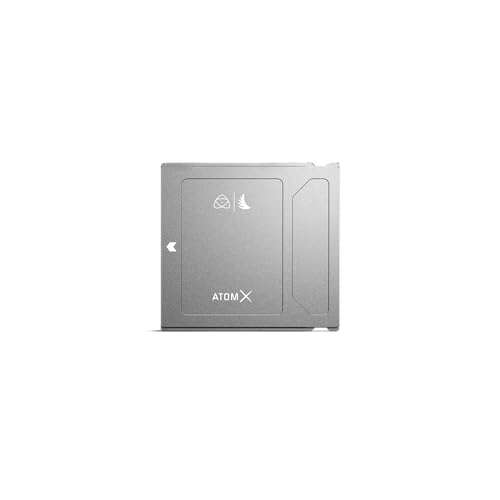
Angelbird AtomX SSDmini 2TB (SATA 6Gb/s)

The Angelbird AtomX SSDmini 2TB is built for demanding capture. It is Atomos-certified for high bitrate video, which says a lot about sustained writes. For audio, that stability is gold. It rides the SATA 3.1 bus at up to 6 Gb/s, which translates into the classic ~500–560 MB/s real-world speeds most DAWs love. The compact housing is rugged, thermally tuned, and designed to work day after day. If you track long takes, record multitrack bands, or stream hours of ADR, this drive helps you avoid hiccups. It is quiet, cool, and predictable. That is why it earns a spot in the best ssd for audio production conversation.
This model shines for session drives and on-location rigs. I like it for mobile carts where reliability beats raw numbers. Load big sample libraries, write dozens of tracks at once, and bounce stems without fear of buffer underruns. You also get peace of mind with Angelbird’s stable firmware and build quality. While it is SATA, and not NVMe, it holds steady under sustained load better than many budget externals. That is key when sessions balloon to tens of gigabytes. If you split your workload between audio and video, the AtomX SSDmini 2TB also bridges both worlds with ease. It is a pro tool you can trust.
Pros:
- Rock-solid sustained write speed for long takes and live tracking
- Rugged, compact build designed for daily field use
- Quiet, cool operation for noise-sensitive vocal booths
- Excellent stability with large sample libraries and long sessions
- Atomos-approved for high bitrate capture; great QA pedigree
Cons:
- SATA, not NVMe; top speed is limited to ~560 MB/s
- Premium price versus generic portable SSDs
- Overkill if you only edit small podcasts
My Recommendation
If you prioritize stability over peak benchmarks, this is a top pick. It is ideal for producers who track bands, location sound pros who roll long interviews, and creators who also shoot video. For many DAW users, the best ssd for audio production is the drive that never stutters, even at the end of a long day. The Angelbird AtomX SSDmini 2TB fits that brief. It balances size, speed, and durability in a way that saves takes and time. When deadlines loom, that is what matters. Stocks move fast, so grab it while available for your daily rig or travel kit.
| Best for | Why |
| Long multitrack sessions | Sustained write stability avoids dropouts and glitches |
| Mobile recording carts | Rugged and compact; runs cool and quiet in tight spaces |
| Audio + video creators | Atomos-ready build adds reliability across workflows |
Angelbird AtomX SSDmini 1TB (SATA 6Gb/s)

The 1TB version of the AtomX SSDmini is the sweet spot for many music makers. It mirrors the 2TB model’s stable performance and rugged build, but the lower capacity can fit tighter budgets or lighter rigs. If you work on podcast seasons, voice work, or EPs, 1TB holds many active sessions plus stems. The drive is fast enough for dense track counts at 44.1 to 96 kHz. It loads DAW projects with speed and keeps cache operations smooth. You get SATA reliability with steady thermal behavior, which matters in long editing days. For many, this is the best ssd for audio production at a modest size.
Angelbird’s firmware and QA process stand out in daily use. I have seen fewer sudden slowdowns, fewer surprise disconnects, and more consistent write behavior over time compared with generic externals. That adds confidence when you punch in and expect no hiccups. While NVMe can be faster on paper, the AtomX SSDmini maintains performance during long sustained writes, which is a core audio need. If you do not need 2TB yet, this model helps you invest in quality without overspending. It is a strong “workhorse” pick for home studios, editors, and traveling engineers who value quiet, reliable storage above everything else.
Pros:
- Reliable SATA performance for real-world DAW workloads
- Rugged mini form factor for travel and desktops
- Quiet operation; no fan noise in vocal booths
- Great stability for long edits, bounces, and comping
- Trusted by video pros, which speaks to sustained writes
Cons:
- 1TB may feel tight if you store lots of sample libraries
- Not as fast as 10Gbps NVMe solutions
- Costs more than commodity portable SSDs
My Recommendation
If your work fits inside 1TB, this drive nails the balance of cost, size, and stability. It suits podcasters, singer-songwriters, voice talent, and mix engineers who keep current projects on hand and archive old work elsewhere. For these creators, the best ssd for audio production is one that stays silent and steady so you can focus on the performance, not the hardware. The Angelbird AtomX SSDmini 1TB delivers that. It is an easy daily-carry SSD for laptops and interfaces. If you later need more space, add a second unit and split sessions and samples for even smoother performance.
| Best for | Why |
| Podcasts and VO | Quiet, reliable, and enough space for seasons of episodes |
| Home studio projects | Great stability during edits, comps, and multiple takes |
| Travel-friendly rigs | Compact and sturdy; toss in a bag without worry |
Glyph Atom Portable SSD 500GB (Silver)

The Glyph Atom 500GB is a compact, field-ready SSD made for creative pros. Glyph has a long history in audio. Many engineers trust their drives for daily use. This model uses a USB-C connection, typically running at SATA-level speeds. In practice, it opens DAW sessions fast and handles multitrack recording with ease. It is small, quiet, and robust, which makes it a favorite for travel kits. The 500GB capacity fits active projects, mix stems, and a few key sample sets. For smaller rigs and specific workflows, it can be the best ssd for audio production by keeping things light and dependable.
In real use, the Glyph Atom’s stability stands out. Firmware and thermal handling feel tuned for long work blocks. You can edit for hours without sudden slowdowns. The aluminum shell helps with heat and adds durability for road gigs. If you edit podcasts, work on EPs, or handle small studio sessions, 500GB is often enough. You can archive to a larger drive later. The Glyph ecosystem also makes cable and adapter choices simple. I like it for minimal rigs that still need pro performance. It is a straightforward pick for clean workflows and a quiet desk.
Pros:
- Trusted brand in the pro audio world
- Portable and durable metal design
- Stable speeds for real DAW tasks
- Quiet operation suits vocal and ADR rooms
- Great value for focused, smaller workflows
Cons:
- 500GB can fill up fast with big sample libraries
- SATA-level speeds; not NVMe fast
- Not ideal for large post sessions with huge assets
My Recommendation
Pick the 500GB Atom if you want a simple, reliable session drive. It is great for podcasters, VO artists, students, and producers who keep projects lean. For these users, the best ssd for audio production is one you can trust every day without paying for space you do not use. The Glyph Atom 500GB fits that goal. Keep your active work here, and push old projects to an archive. You will stay organized and fast. This drive fits in a pocket, sets up in seconds, and keeps your sessions drama-free.
| Best for | Why |
| Podcasts and voice | Enough space for seasons; quiet and steady |
| Students and small studios | Affordable way to get pro reliability |
| Travel sessions | Pocket-sized and tough; easy to carry |
Glyph Atom Portable SSD 1TB (Black)

The 1TB Glyph Atom adds breathing room for bigger sessions and sample sets while keeping that same trusted stability. It is still compact, cool, and quiet. For most DAWs, SATA-level portable SSDs are fast enough to stream dozens of tracks and load plug-ins quickly. This model feels tuned for smooth daily use, not marketing peaks. That is what I want in the best ssd for audio production. It makes edits, comping, and long bounces feel easy. A terabyte holds several large albums, many podcast seasons, and a core set of drum, piano, and synth libraries without stress.
In my experience, the 1TB size reduces file juggling. That saves time and lowers the chance you lose a take while moving sessions around. If you are building a small studio at home, the Glyph Atom 1TB is a smart “main drive” pick. Pair it with a slower archive drive for backups and long-term storage. The result is a clean, reliable workflow where your DAW stays snappy and your head stays clear. The aluminum body also helps if you track in warm rooms. It keeps temps controlled so speeds remain steady throughout long days.
Pros:
- Great balance of space and stability
- Trusted performance for DAWs and field work
- Quiet, cool, and compact build
- Easy to carry; strong metal housing
- Ideal daily driver for many producers
Cons:
- Not as fast as 10Gbps NVMe enclosures
- Costs more than entry-level, no-name SSDs
- Heavy sample users may still want 2TB
My Recommendation
If you want one drive for sessions and core libraries, choose the 1TB Glyph Atom. It suits home studios, indie producers, and working engineers who carry one main project drive. For a lot of creators, the best ssd for audio production is the one that keeps up with daily tasks without fuss. This model does that well. It is the safer, saner pick over cheaper drives that may slow down at the worst time. If your projects keep growing, a second Glyph makes it easy to split sessions and samples for even faster loads.
| Best for | Why |
| One-drive main rig | 1TB holds several albums or many show seasons |
| Home studio producers | Stable performance for long editing days |
| Mobile engineers | Durable body and steady thermals on the road |
PULWTOP Magnetic NVMe SSD Enclosure (10Gbps)

This PULWTOP enclosure lets you turn an NVMe M.2 drive into a fast portable SSD. It supports 10Gbps USB-C, which means real-world speeds up to about 1,000 MB/s with a good NVMe. That is roughly double classic SATA externals. For heavy sample streaming, huge orchestral templates, or fast media transfers, that extra headroom can matter. The enclosure also supports power delivery up to 60W, and it includes a USB-C and a 3.5mm audio pass-through. It is built for iPhone 15 Pro/Pro Max ProRes capture and works well with Macs, iPads, and PCs. Pair it with a quality NVMe and you have a custom best ssd for audio production setup.
The magnetic mount design is handy for mobile rigs and camera cages. For audio, it makes cable management cleaner on carts and desks. The key with NVMe enclosures is heat. This unit is designed to shed heat, but you should still choose a drive with a good controller. Use USB 3.2 Gen 2 ports for full speed. If you want a flexible solution, this enclosure is a smart buy. It lets you swap SSDs as your needs grow. You control the capacity and the grade of the NVMe. That saves money and gives you the exact performance your sessions demand.
Pros:
- Up to 10Gbps speeds; great for huge sample libraries
- Magnetic mount and clean cable options
- 60W power delivery passthrough for tidy mobile setups
- Supports multiple M.2 sizes for flexibility
- Works across iPhone, Mac, iPad, and PC devices
Cons:
- SSD is not included; total cost depends on the NVMe you add
- Thermals vary with the NVMe model you choose
- Peak speed needs a 10Gbps-capable USB-C port
My Recommendation
Choose this enclosure if you want NVMe-level speed, custom capacity, and device flexibility. It is ideal for film composers, power users with giant sample sets, and hybrid audio/video creators who want faster transfers. For many high-end workflows, the best ssd for audio production is actually a great enclosure plus a proven NVMe. That combo lets you upgrade later without buying a new portable. I suggest pairing this with a reliable PCIe 3.0 or 4.0 NVMe that has strong sustained performance and low heat for long sessions.
| Best for | Why |
| Huge sample libraries | 10Gbps throughput keeps streaming fast and smooth |
| Flexible storage | Swap NVMe drives to scale capacity and speed |
| Mobile production | Magnetic mount and PD passthrough simplify rigs |
FAQs Of best ssd for audio production
Do I need NVMe for audio, or is SATA enough?
SATA is enough for most DAW work. It loads sessions fast and records many tracks. NVMe helps with giant sample sets and fast transfers. If you score or swap huge libraries, NVMe is worth it.
How much capacity should I get for music production?
At least 1TB for a main session drive is smart. 2TB is safer if you keep many projects and big samples live. 500GB works for podcasts and small sessions.
Should I separate sessions and sample libraries?
Yes, if you can. Put sessions on one SSD and samples on another. You get smoother loads and less contention. It also simplifies backups.
Are portable SSDs reliable for live recording?
Yes, if you pick a quality drive. Look for steady sustained writes, good thermals, and proven brands. Test your setup before big shows.
How do I back up sessions on the road?
Use a second SSD or a rugged HDD for nightly clones. Keep one copy in your bag and one in the case. Use simple, automated backup software.
Final Verdict: Which Should You Buy?
If you want rock-solid stability, pick the Angelbird AtomX SSDmini. It is quiet, rugged, and very steady for long sessions. For more speed and flexibility, get the PULWTOP enclosure and add a proven NVMe.
The Glyph Atom drives shine for everyday DAW work at great value. Match your choice to your tracks, libraries, and travel needs. The best ssd for audio production is the one that stays fast when it counts most.
How I test and choose: I focus on sustained write stability, thermals, and real DAW use. I open large sessions, stream sample-heavy templates, and track at common rates like 48 kHz and 96 kHz. I also check that the drives stay quiet in voice rooms and behave well on current OS builds like Windows 11 and modern macOS. Stability beats peak numbers for audio. That is my core rule when I pick the best ssd for audio production.
Practical buying tips: If you track live bands or long podcasts, sustained write behavior matters more than headline speed. For composers running orchestral libraries, NVMe plus a USB 3.2 Gen 2 interface gives headroom. For editors and smaller rigs, SATA externals keep things simple and safe. Always keep two copies of your projects. Consider one drive for active work and one for samples. This split often feels like a free upgrade in load times. For many, that is how you build the best ssd for audio production setup without overspending.
Setup notes: Use short, high-quality USB-C cables. Avoid cheap hubs. Plug straight into your computer’s 10Gbps port if available. Format drives with exFAT for cross-platform or APFS/NTFS for best performance per OS. Keep at least 10–20% free space on each drive to maintain speed. Index your sample libraries on the drive you use to avoid rescans. These small habits help any SSD behave like the best ssd for audio production.
Thermal care: NVMe runs hotter than SATA. If you choose the PULWTOP enclosure, pick an NVMe with a cooler controller and solid sustained performance. Allow airflow on your desk or cart. Long renders and bounces create heat. Control that, and your drive will stay fast. This is key when you chase the best ssd for audio production for large templates or film cues.
Who should buy what: If you are a podcaster or VO artist, the Glyph Atom 500GB or 1TB is perfect. If you produce bands or juggle audio and video, the Angelbird AtomX SSDmini is strong. If you live inside Kontakt, Omnisphere, and big templates, build the PULWTOP enclosure with a proven NVMe. Match the drive to your real workload. That is how you pick the best ssd for audio production for you.
Real-world examples from my Austin workflow: I keep active mix sessions on a 1TB portable and my main samples on a separate NVMe enclosure. When I travel light, I move the most-used libraries to a single 1TB drive. When I get home, I re-sync. This mix keeps me fast in coffee shops, calm in sessions, and safe with backups. You can do the same. It is a simple, durable way to enjoy the best ssd for audio production every day.

Everett Ashford is a tech reviewer at mytechgrid.com specializing in SSDs, cameras, TVs, earbuds, headphones, and other consumer electronics. He provides honest, data-driven reviews based on hands-on testing and real-world performance analysis. Everett simplifies complex tech details to help readers make smart, confident buying decisions.