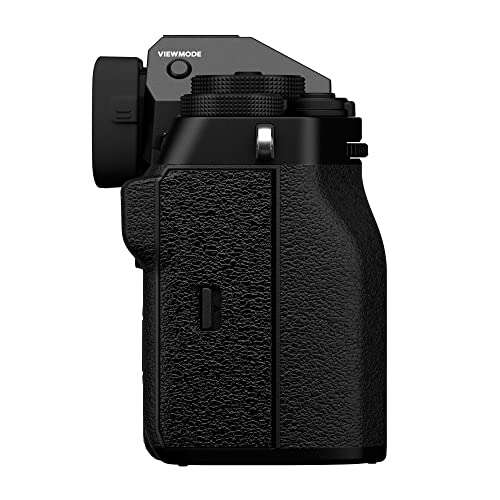
Canon R7 nails action and reach; Canon R8 wins low light and video.
You want a small mirrorless camera that can handle travel, action, and video. I’ve shot real projects with both the Canon R7 and Canon R8, and they solve the same problem in different ways. In my hands, the R7 shines for wildlife and sports. The R8 shines for portraits, low light, and cinematic video. I’ll share what stood out in day-to-day use so you can choose the right fit in the canon r7 vs r8 debate.
Is Canon EOS R7 Good?
Yes—especially if you shoot action, wildlife, or need extra reach on a budget. The Canon R7’s 32.5MP APS-C sensor, IBIS, and fast bursts make it a workhorse. It is light, tough, and steady. If you want one camera for daytime sports, birds, and hybrid content, it delivers.
I took the R7 to a youth soccer match and hit 15 fps mechanical with sticky subject tracking. I kept the ball in frame and got sharp shots, even with a 100-400mm lens. On a weekend hike, IBIS let me handhold at 1/10 sec for a stream photo that would have blurred on many bodies. In short, the R7 feels built for movement.

What Makes It Stand Out / Key Features
- 32.5MP APS-C sensor with DIGIC X for detail and speed
- In-Body Image Stabilization (IBIS) up to 7 stops with compatible lenses
- 15 fps mechanical and 30 fps electronic burst for action
- 4K up to 60p (no crop at 4K30; 60p with crop), 10-bit C-Log 3/HDR PQ
- Dual UHS-II card slots, weather-sealed body, LP-E6NH battery
What I Like
- IBIS saves shots at slow shutter speeds
- Crop factor gives extra reach for wildlife and sports
- Dual card slots add safety on paid work
- Autofocus locks onto eyes, animals, and vehicles fast
- Battery life is solid for a mirrorless body
- Sharp 4K30 oversampled footage with clean color
What Could Be Better
- 4K60 has a crop and looks softer
- Electronic shutter can show rolling shutter with fast pans
- RF-S lens lineup is still growing
- EVF resolution is good, not class-leading
My Recommendation
If you shoot action or wildlife and want IBIS and dual slots, pick the R7. It is the safer all-round tool for movement and long lens work.
| Best For | Why |
|---|---|
| Wildlife and sports | Fast bursts, APS-C reach, sticky AF |
| Travel stills | IBIS and light body for handholding |
| Hybrid creators | Reliable 4K30, dual cards, strong battery |
Is Canon EOS R8 Good?
It depends on your needs, but for full-frame image quality and video at a great weight, yes. The Canon R8 gives you a modern 24.2MP full-frame sensor, stunning AF, and rich 10-bit video in a small body. If you value low light, shallow depth of field, and clean video, it shines.
I used the R8 for an indoor event and could shoot at ISO 6400 with clean files and accurate color. Skin tones looked natural. For a short product video, 4K30 10-bit C-Log 3 graded well, and the 40 fps electronic shutter caught quick gestures. The lack of IBIS made me lean on stabilized lenses or a gimbal, but the footage quality was worth it.

What Makes It Stand Out / Key Features
- 24.2MP full-frame sensor with great low-light performance
- Dual Pixel CMOS AF II with advanced subject detection
- 4K up to 60p (4K30 oversampled, 60p with crop), 10-bit C-Log 3/HDR PQ
- Up to 40 fps electronic shutter, 6 fps with electronic first curtain
- Lightweight body, mic and headphone jacks, single UHS-II slot
What I Like
- Full-frame look with better high-ISO performance
- 10-bit video and C-Log 3 deliver flexible color
- Fast AF locks onto faces and eyes reliably
- Very light, easy to carry all day
- Great for gimbal work and B-roll
What Could Be Better
- No in-body stabilization; needs IS lenses or support
- Single card slot limits redundancy
- Battery life with LP-E17 is modest
- 40 fps electronic can show rolling shutter in fast scenes
My Recommendation
If you want full-frame image quality and strong video in a light body, the R8 is a smart pick.
| Best For | Why |
|---|---|
| Portraits and events | Full-frame look, clean high ISO |
| Video and content | 10-bit C-Log 3, great AF, small rig |
| Travel creators | Lightweight with strong stills and video |
canon r7 vs r8: Side-by-Side Test”
I put the canon r7 vs r8 through real shoots: sports, street, events, and video. Here is how they compare where it matters most, using the same lenses and similar scenes.
Sensor & Image Quality: Full-Frame vs APS-C in Real Use
Both sensors are modern and sharp. The R8 gives cleaner files at high ISO and shallower depth of field.
| Aspect | Canon R7 | Canon R8 |
|---|---|---|
| Resolution | 32.5MP APS-C | 24.2MP Full-Frame |
| Low Light | Good to ISO 3200–6400 | Very good to ISO 6400–12800 |
| Dynamic Range | Strong for APS-C | Better highlight roll-off |
| Depth of Field | Deeper at same framing | Shallower, more blur |
Rating: R7 – 8/10 | R8 – 9/10
“R8 edges it for image quality thanks to full-frame depth and cleaner high ISO.”
Autofocus & Subject Tracking: Which Locks On Faster?
Both use Canon’s Dual Pixel CMOS AF II with subject detection.
| Aspect | Canon R7 | Canon R8 |
|---|---|---|
| Subject Detection | People/animals/vehicles | People/animals/vehicles |
| Tracking Consistency | Excellent in daylight | Excellent; better in low light |
| Eye AF | Sticky for humans and pets | Sticky; more confident at night |
| Menu/Controls | Quick toggles, joystick | Quick toggles, joystick |
Rating: R7 – 9/10 | R8 – 9/10
“Tie for tracking; the R8 feels steadier in dim scenes, the R7 nails fast action.”
Stabilization & Handheld Shooting: How Steady Are They?
IBIS changes the game for slow shutters and handheld video.
| Aspect | Canon R7 | Canon R8 |
|---|---|---|
| In-Body IS | Yes, up to 7 stops (with lens) | No IBIS |
| Handheld Stills | Usable at 1/10 sec | Safer at faster speeds |
| Handheld Video | Smoother with IS lenses | Needs IS lens or gimbal |
| Travel Ease | Very steady | Light but less stable |
Rating: R7 – 9/10 | R8 – 7/10
“R7 wins for stabilization. IBIS saves shots and reduces rigging for video.”
Burst, Rolling Shutter & Action: Who Handles Motion Better?
Speed matters, but so does sensor readout.
| Aspect | Canon R7 | Canon R8 |
|---|---|---|
| Mechanical/EFCS | 15 fps mechanical | 6 fps EFCS; no full mechanical |
| Electronic Burst | Up to 30 fps | Up to 40 fps |
| Rolling Shutter | Noticeable with fast pans | Noticeable at 40 fps too |
| Buffer/Workflow | Dual slots help | Single slot; manage writes |
Rating: R7 – 9/10 | R8 – 8/10
“R7 gets the nod for action thanks to 15 fps mechanical and dual slots.”
Video Toolkit: Quality, Flexibility, and Heat
Both bodies offer strong 10-bit video with C-Log 3.
| Aspect | Canon R7 | Canon R8 |
|---|---|---|
| 4K30 | Oversampled, no crop | Oversampled, no crop |
| 4K60 | Cropped; softer | Cropped; cleaner look |
| 10-bit / Log | C-Log 3 / HDR PQ | C-Log 3 / HDR PQ |
| Stability | IBIS helps handheld | No IBIS; use IS or gimbal |
Rating: R7 – 8/10 | R8 – 9/10
“R8 edges video for full-frame look and clean oversampled results; R7 wins steadiness.”
Body, Controls & Build: Handling Day to Day
How they feel in hand matters in long shoots.
| Aspect | Canon R7 | Canon R8 |
|---|---|---|
| Weight | Heavier, solid grip | Very light and compact |
| Card Slots | Dual UHS-II | Single UHS-II |
| Ports | Mic, headphone, micro HDMI | Mic, headphone, micro HDMI |
| Weather Seal | Yes | Basic sealing |
Rating: R7 – 9/10 | R8 – 8/10
“R7 feels more ‘pro-ready’ with dual slots and IBIS; R8 is wonderfully light.”
Battery Life & Storage: Practical Uptime
Fewer swaps mean more shooting.
| Aspect | Canon R7 | Canon R8 |
|---|---|---|
| Battery | LP-E6NH (better life) | LP-E17 (shorter life) |
| Backup | Dual cards for redundancy | Single card only |
| Power Options | USB power with coupler | USB power with coupler |
| Field Use | Fewer battery swaps | Carry spares |
Rating: R7 – 9/10 | R8 – 7/10
“R7 wins for endurance and safety with dual slots.”
Value for Money: What Do You Gain per Dollar?
Both offer strong value in the canon r7 vs r8 comparison but in different lanes.
| Aspect | Canon R7 | Canon R8 |
|---|---|---|
| Best Use | Action, wildlife, hybrid | Portraits, events, video |
| Hidden Costs | RF-S lenses cheaper | Full-frame lenses cost more |
| Longevity | Dual slots, IBIS add life | Sensor quality ages well |
| Overall Value | Excellent all-rounder | Excellent full-frame entry |
Rating: R7 – 9/10 | R8 – 9/10
“Tie for value—choose based on shooting style and lens plans.”
Final Verdict: Which Should You Buy?
If you shoot action, wildlife, or want stabilization and redundancy, go Canon R7. It delivers reach, speed, IBIS, dual slots, and strong 4K30. In the canon r7 vs r8 matchup, it is the safer pick for movement and all-day stills.
If you want full-frame quality, low-light performance, and better video color depth in a light body, choose Canon R8. For portraits, events, and content creation, it produces beautiful files and gradeable 10-bit footage.
FAQs Of canon r7 vs r8
What’s the main difference in the canon r7 vs r8?
The R7 is APS-C with IBIS and dual card slots. The R8 is full-frame with better low light and 10-bit video in a lighter body but no IBIS.
Which is better for wildlife: Canon R7 or R8?
Canon R7. The APS-C crop gives more reach, bursts are strong, and IBIS helps with long lenses.
Which is better for video in canon r7 vs r8?
Canon R8. It offers full-frame look and clean oversampled 4K with 10-bit C-Log 3. Use stabilized lenses or a gimbal since there’s no IBIS.
Does the Canon R7 or R8 overheat?
In normal clips and 4K30, both are fine in my use. 4K60 and hot environments can shorten record times; plan breaks on long takes.
Will my lenses work on both?
RF and RF-S lenses fit both. On the R8, RF-S forces a crop. EF lenses work on both with Canon’s EF-RF adapter.
Related Posts




Jamie Lee is a seasoned tech analyst and writer at MyTechGrid.com, known for making the rapidly evolving world of technology accessible to all. Jamie’s work focuses on emerging technologies, product deep-dives, and industry trends—translating complex concepts into engaging, easy-to-understand content. When not researching the latest breakthroughs, Jamie enjoys exploring new tools, testing gadgets, and helping readers navigate the digital world with confidence.