If you run a small remote business, choosing the right cloud storage can make or break your daily operations. You need a solution that keeps your files safe, lets you access them anytime, and grows with your business—all without draining your budget.
But with so many options out there, how do you find the one that fits your unique needs? This guide breaks down the best cloud storage choices for small remote businesses in 2025, helping you make a smart decision that boosts your productivity and protects your data.
Keep reading to discover which cloud storage option is perfect for you and your team.
Cloud Types For Small Business
Choosing the right cloud type is crucial for small remote businesses in 2025. Each cloud model offers unique features, costs, and security levels. Understanding these types helps businesses pick the best option for their needs.
Public Cloud
Public cloud services are shared by many users on the internet. They offer low costs and easy access. Small businesses can store data and run apps without buying hardware. Security is managed by the cloud provider. This option is ideal for startups with tight budgets.
Private Cloud
Private clouds are used by a single business. They provide more control and higher security. Companies can customize the environment to fit their needs. This type suits businesses handling sensitive data or needing strict compliance rules. Private clouds may cost more but offer peace of mind.
Hybrid Cloud
Hybrid clouds combine public and private clouds. Businesses can keep critical data in private clouds. Less sensitive data can go to the public cloud. This setup offers flexibility and cost savings. It helps small businesses balance security and budget effectively.
Community Cloud
Community clouds are shared by businesses with similar needs. They share infrastructure and security policies. This option works well for small businesses in the same industry. It reduces costs and improves collaboration. Community clouds support specialized requirements without heavy investments.
Credit: www.cloudwards.net
Key Benefits Of Cloud Storage
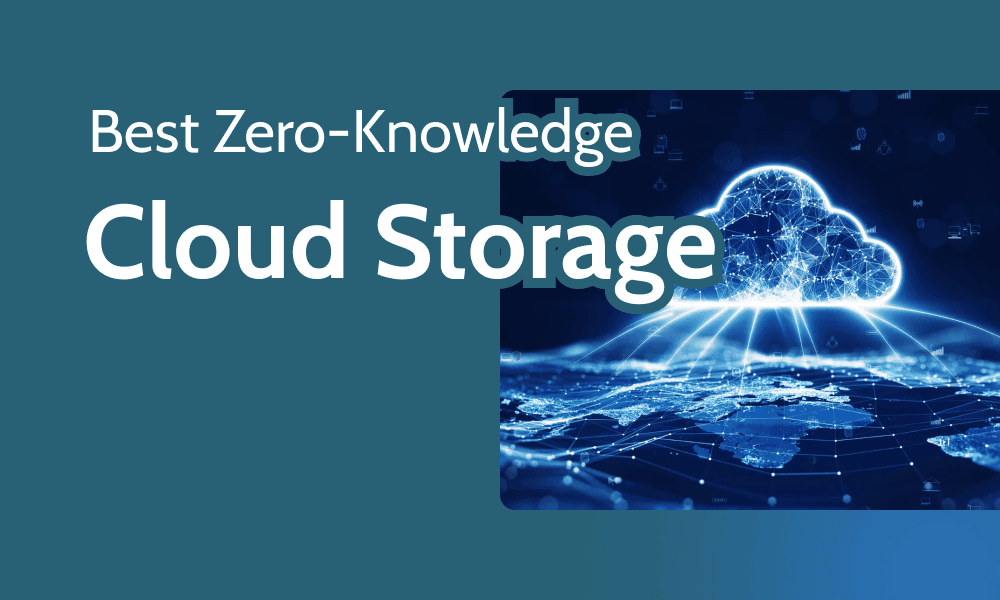
Cloud storage offers many advantages for small remote businesses in 2025. It supports business growth and simplifies data management. Cloud solutions help companies stay competitive and efficient in a digital world.
Scalability And Flexibility
Cloud storage grows with your business needs. You can add or reduce storage space easily. This avoids buying extra hardware or software. Flexibility means you only pay for what you use. It adapts to changing workloads and project demands.
Cost Efficiency
Cloud storage lowers upfront costs by removing the need for physical servers. It cuts expenses on maintenance and upgrades. Pay-as-you-go pricing models help control budgets. Businesses save money on IT staff and infrastructure.
Remote Accessibility
Access your files anytime from any device with internet. This supports remote teams and flexible work hours. Employees can work from home or on the move. Cloud storage keeps data available without complex VPN setups.
Automatic Backups And Security
Cloud providers offer automatic data backups to prevent loss. Your files stay safe even if devices fail. Strong encryption protects sensitive information from cyber threats. Regular updates maintain high security standards.
Enhanced Collaboration
Cloud storage allows real-time file sharing and editing. Teams can work together smoothly, regardless of location. Collaboration tools improve communication and project tracking. This boosts productivity and reduces errors.
Top Cloud Storage Providers
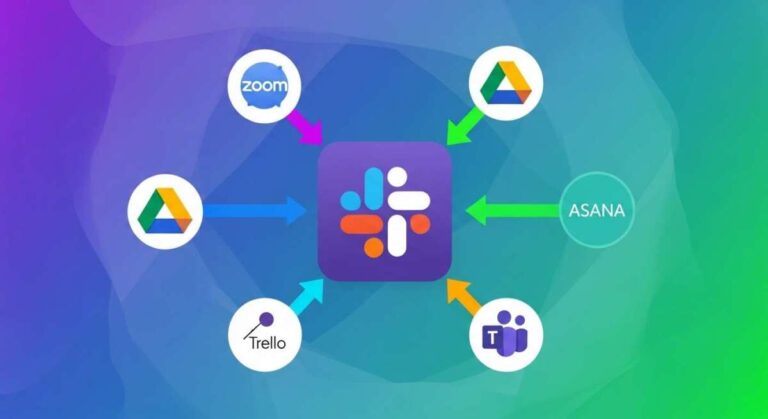
Collaboration and productivity tools play a vital role in supporting small remote businesses. These tools help teams stay connected, manage tasks, and streamline workflows. They improve communication and make project tracking easier. Using the right software boosts efficiency and helps meet deadlines.
Slack For Messaging
Slack offers a simple platform for team messaging and communication. It organizes conversations into channels based on topics or projects. Users can send direct messages, share files, and integrate other apps. Slack reduces email clutter and speeds up decision-making.
Asana For Project Management
Asana helps teams plan and track project progress. It allows users to create tasks, assign them, and set deadlines. Visual boards and timelines provide clear overviews of work status. Asana keeps everyone aligned and accountable.
Sage Accounting
Sage Accounting simplifies financial management for small businesses. It tracks expenses, invoices, and cash flow. The software supports tax preparation and compliance. Sage helps maintain accurate records and saves time on bookkeeping.
Hubspot Marketing Hub
HubSpot Marketing Hub provides tools for managing marketing campaigns. It includes email marketing, social media scheduling, and lead tracking. Businesses can automate tasks and analyze results easily. HubSpot helps attract and nurture customers effectively.

Credit: markgrafconsulting.com
Collaboration And Productivity Tools
Cloud storage continues to evolve rapidly, shaping how small remote businesses manage their data. In 2025, several key trends will define cloud storage solutions. These trends focus on making storage more adaptable, smarter, and safer for businesses working from different locations.
Increased Remote Work Support
Cloud storage providers are improving tools for remote teams. They offer seamless access to files from any device. Collaboration features are enhanced to allow easy sharing and editing. These upgrades help teams stay productive regardless of location. Faster sync speeds and offline access options are becoming common. This makes working remotely smoother and more reliable.
Ai-driven Data Management
Artificial intelligence helps organize and manage data automatically. AI can tag files, suggest folders, and detect duplicates. It improves search functions, making it easier to find documents quickly. AI also predicts storage needs and optimizes space use. This smart management saves time and reduces manual work for small businesses.
Enhanced Security Features
Data security remains a top priority in cloud storage. Providers are adding stronger encryption methods to protect files. Multi-factor authentication is more widely used to prevent unauthorized access. Some services offer real-time threat detection and alerts. These security features help businesses protect sensitive information from cyber threats.
Greater Customization
Cloud storage options now allow more customization to fit business needs. Users can choose storage size, backup schedules, and access controls. Custom workflows and integrations with other apps are easier to set up. This flexibility lets small businesses tailor cloud storage to their specific operations. It ensures better efficiency and control over data management.

Credit: thectoclub.com
Frequently Asked Questions
What Is The Enterprise Storage Trend For 2025?
Enterprise storage trends for 2025 focus on hybrid cloud adoption, increased AI integration, enhanced security, and scalable, cost-efficient solutions.
What Are The 4 Types Of Cloud Storage?
The four types of cloud storage are public, private, hybrid, and community clouds. Each offers different access, security, and cost benefits.
What Is The Cloud Solution For Small Business?
Cloud solutions for small businesses offer scalable, cost-effective tools for file storage, collaboration, communication, and data security. Popular options include Google Workspace, Dropbox, Slack, and Sage Accounting, enabling remote access, real-time teamwork, and automatic backups to boost productivity and protect data.
What Is The Cheapest Online Cloud Storage?
IDrive and Google Drive offer some of the cheapest online cloud storage with affordable plans and reliable service.
Conclusion
Choosing the right cloud storage helps your remote business run smoothly. Think about your budget, security needs, and ease of use. Many options offer flexible storage and simple sharing tools. Cloud storage keeps your files safe and accessible from anywhere.
Small businesses can benefit from reliable backups and collaboration features. Stay focused on what fits your team best. Cloud storage supports growth and remote work without extra hardware costs. Start simple, then adjust as your business changes. The right choice makes daily tasks easier and saves time.