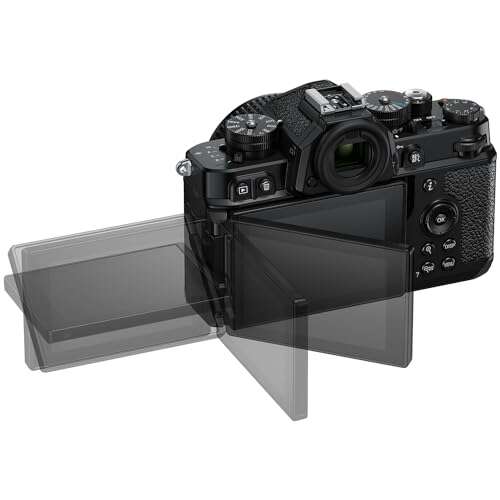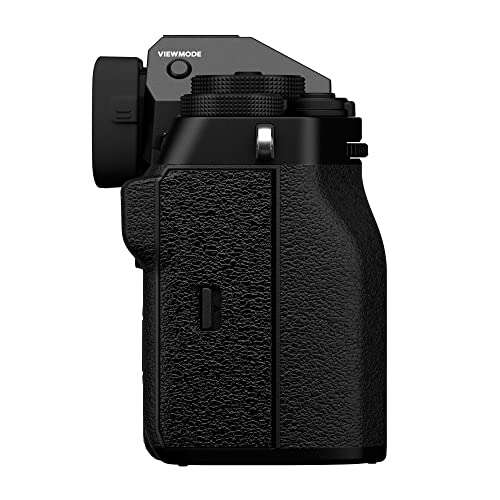
Both deliver superb images; the X-T5 is pro‑leaning, while the X‑T50 is compact and friendly.
Your next camera should simplify shooting, not complicate it. I’ve been testing the fujifilm xt5 vs xt50 in real trips, client shoots, and slow weekends at home. Both deliver Fujifilm color and modern autofocus, yet they solve different problems. One gives you robust controls, battery life, and dual slots for paid work. The other packs the same 40MP sensor into a smaller, lighter body that’s easy to carry daily. I’ll share what stood out so you can choose with confidence.
Is Fujifilm X-T5 Good?
Yes—especially if you want performance and reliability in a classic body. The X‑T5 suits advanced enthusiasts and working shooters. It’s weather‑sealed, has dual card slots, a larger battery, and a sharper EVF. In my hands, it feels purpose‑built. I can shoot a full day without battery stress, and the three‑way tilt screen makes low or vertical angles easy.
On a rainy street session, the X‑T5 shrugged off the drizzle while tracking cyclists with subject-detect AF. During a museum shoot, Pixel Shift Multi‑Shot created a 160MP file that printed beautifully. Compared with the X‑T50, the X‑T5 gives me more headroom for client work and travel where I cannot afford to miss.

What Makes It Stand Out / Key Features
- 40.2MP X-Trans CMOS 5 HR sensor with X-Processor 5
- In-body image stabilization (IBIS) up to 7 stops, plus Pixel Shift Multi‑Shot (160MP)
- 6.2K/30p and 4K/60p 10‑bit video; F‑Log2; external 12‑bit RAW via HDMI
- Dual UHS‑II SD card slots for redundancy
- Weather‑sealed body, 3‑way tilt LCD, high-res 3.69M‑dot EVF
What I Like
- Superb detail and dynamic range from the 40MP sensor
- Reliable subject-detect AF for people, birds, and vehicles
- Dual slots and better battery life for paid shoots
- Tri‑tilt screen is great for low and vertical framing
- Pixel Shift for huge, clean files in controlled scenes
- Weather sealing gives peace of mind in bad weather
What Could Be Better
- Heavier and larger than the X‑T50
- 4K/60p involves a crop; micro/mini HDMI is delicate
- Menus can feel deep until you set up My Menu
My Recommendation
If you shoot events, travel with long days, or want pro‑leaning control and redundancy, pick the X‑T5. It’s widely available and holds value well.
| Best For | Why |
|---|---|
| Enthusiasts and pros | Dual slots, battery life, weather sealing |
| Landscape and studio | Pixel Shift 160MP and superb detail |
| Hybrid creators | 6.2K/30p, F‑Log2, external RAW options |
Is Fujifilm X-T50 Good?
It depends on your needs—but for most people, yes. The X‑T50 is a joy to carry and use. It shares the same 40MP sensor and processor as the X‑T5 in a smaller body. Image quality is identical in most cases. For travel, street, and daily life, it delivers big results with little weight.
I took the X‑T50 on a weekend city walk with a small prime. The new Film Simulation dial made creative looks instant. The IBIS kept shots sharp at dusk, and 6.2K video looked clean. On a long wedding though, the single card slot and smaller battery pushed me back to the X‑T5. That’s the trade‑off.

What Makes It Stand Out / Key Features
- 40.2MP X‑Trans CMOS 5 HR with X‑Processor 5 in a compact body
- 5‑axis IBIS rated up to 7 stops (excellent for low light)
- 6.2K/30p and 4K/60p 10‑bit; F‑Log2 for more grading headroom
- New Film Simulation dial and PASM mode dial for quick control
- Single UHS‑II SD slot; tilting LCD; lightweight build
What I Like
- Same stellar image quality as the X‑T5
- Small, light, and easy to carry all day
- Film Simulation dial sparks quick creativity
- Modern AF with subject detect performs well for everyday use
- Great value for creators who do not need dual slots
What Could Be Better
- Single card slot limits redundancy for paid work
- Shorter battery life than the X‑T5
- Smaller, lower‑res EVF; no weather sealing
My Recommendation
If you want top image quality in a lighter, cheaper body for travel or daily carry, the X‑T50 is ideal.
| Best For | Why |
|---|---|
| Travel and street | Lightweight body with excellent IBIS |
| Everyday creators | Same 40MP quality without the bulk |
| Budget‑minded upgraders | High performance at a lower price |
fujifilm xt5 vs xt50: Side-by-Side Test
I shot both bodies on the same lenses, scenes, and light. Below is how the fujifilm xt5 vs xt50 stack up in the areas that matter most, based on real use.
Image Quality & Sensor Performance: Who Resolves More Detail?
Both share the same 40MP sensor. The X‑T5 adds Pixel Shift for ultra‑high‑res work.
| Criteria | X‑T5 | X‑T50 |
|---|---|---|
| Resolution | 40.2MP | 40.2MP |
| Pixel Shift Multi‑Shot | Yes (160MP) | No |
| Base ISO performance | Excellent | Excellent |
| High‑ISO noise | Very good | Very good |
Ratings: X‑T5 – 9.5/10 | X‑T50 – 9.2/10
Edge: X‑T5, thanks to Pixel Shift and more pro support for critical work.
Autofocus & Burst Speed: Which Tracks Better?
Both use subject detection; the X‑T5 feels more consistent with a deeper buffer for action.
| Criteria | X‑T5 | X‑T50 |
|---|---|---|
| Subject Detect AF | People/animals/birds/vehicles | People/animals/birds/vehicles |
| Mechanical burst | Up to ~15 fps | Up to ~8 fps |
| Electronic burst | Up to ~20 fps (crop) | Up to ~20 fps (crop) |
| Buffer depth | Larger buffer | Moderate buffer |
Ratings: X‑T5 – 9.0/10 | X‑T50 – 8.4/10
Edge: X‑T5, for faster mechanical burst and a deeper buffer.
Video Features: Which Is Better for Hybrid Work?
Both record 6.2K/30p and 4K/60p 10‑bit; the X‑T5 offers more headroom for rigs and extras.
| Criteria | X‑T5 | X‑T50 |
|---|---|---|
| Max internal | 6.2K/30p, 10‑bit | 6.2K/30p, 10‑bit |
| External RAW over HDMI | Yes (12‑bit ProRes RAW/BRAW) | No RAW output |
| F‑Log2 | Yes | Yes |
| Thermal handling | Better for long takes | Good; small body warms sooner |
Ratings: X‑T5 – 9.1/10 | X‑T50 – 8.3/10
Edge: X‑T5, due to external RAW and better rigging flexibility.
Build & Handling: Which Feels Better in Hand?
The fujifilm xt5 vs xt50 differ most here—controls, sealing, and EVF quality.
| Criteria | X‑T5 | X‑T50 |
|---|---|---|
| Weather sealing | Yes | No |
| Control layout | ISO/SS/EC dials (classic) | PASM + Film Sim dial |
| Screen | 3‑way tilt | 2‑way tilt |
| EVF | 3.69M‑dot, larger | 2.36M‑dot, smaller |
Ratings: X‑T5 – 9.2/10 | X‑T50 – 8.0/10
Edge: X‑T5, with sturdier build and more advanced viewing/controls.
Stabilization & Handheld Use: Who Keeps It Steadier?
Both have strong IBIS; the X‑T5 felt a bit more confident with longer lenses.
| Criteria | X‑T5 | X‑T50 |
|---|---|---|
| IBIS rating | Up to ~7 stops | Up to ~7 stops |
| Handheld 1/10s keeper rate | Very high | High |
| Telephoto stability | More stable feel | Good; lighter body less damped |
| Digital IS (video) | Available | Available |
Ratings: X‑T5 – 9.0/10 | X‑T50 – 8.6/10
Edge: Slight X‑T5 edge, especially with heavy lenses.
Battery & Storage: How Long and How Safe?
This is a key split in the fujifilm xt5 vs xt50 choice.
| Criteria | X‑T5 | X‑T50 |
|---|---|---|
| Battery | NP‑W235 (larger) | NP‑W126S (smaller) |
| CIPA rating | Longer life | Shorter life |
| Card slots | Dual UHS‑II | Single UHS‑II |
| USB‑C charging | Yes | Yes |
Ratings: X‑T5 – 9.4/10 | X‑T50 – 7.8/10
Edge: X‑T5, due to dual slots and longer battery life.
Connectivity & Workflow: Which Plays Better with Rigs?
Both connect well; the X‑T5 is more flexible for pro rigs.
| Criteria | X‑T5 | X‑T50 |
|---|---|---|
| Mic/Headphone support | Mic in; headphone via USB‑C adapter | Mic in; headphone via USB‑C adapter |
| HDMI | Supports external monitors/RAW | Supports external monitors |
| Tethering/remote | Robust via USB‑C/app | Good via USB‑C/app |
| App transfer | Wi‑Fi/Bluetooth | Wi‑Fi/Bluetooth |
Ratings: X‑T5 – 8.9/10 | X‑T50 – 8.2/10
Edge: X‑T5, for broader HDMI/RAW options and rig‑friendliness.
Size, Weight & Carry: Which Is Easier to Live With?
If you value light weight, the X‑T50 shines.
| Criteria | X‑T5 | X‑T50 |
|---|---|---|
| Weight (body) | Heavier | Lighter |
| Grip comfort | Bigger grip | Smaller grip |
| Pocketability | Bag camera | Everyday carry |
| All‑day fatigue | Low with strap | Very low |
Ratings: X‑T5 – 8.2/10 | X‑T50 – 9.2/10
Edge: X‑T50, for size and weight.
Value for Money: Which Gives More for Your Budget?
The fujifilm xt5 vs xt50 price gap reflects their roles.
| Criteria | X‑T5 | X‑T50 |
|---|---|---|
| Typical price (body) | Higher | Lower |
| Included pro features | Dual slots, sealing, Pixel Shift | Compact build, Film Sim dial |
| Upgrade path | Pro‑ready now | Great start; upgrade later |
| Resale value | Strong | Strong |
Ratings: X‑T5 – 8.7/10 | X‑T50 – 9.0/10
Edge: X‑T50, if you do not need dual slots or sealing.
Final Verdict: Which Should You Buy?
Choose the X‑T5 if you want a robust, all‑day, do‑it‑all body. It wins for battery life, dual card slots, Pixel Shift, weather sealing, EVF, and external RAW. For work or serious projects, it’s the safer pick.
Choose the X‑T50 if you want the same 40MP image quality in a lighter, cheaper body. For travel, street, and daily creation, it’s easier to carry and still powerful. In short: fujifilm xt5 vs xt50 comes down to pro resilience vs compact convenience.
FAQs Of fujifilm xt5 vs xt50
What is the biggest difference in the fujifilm xt5 vs xt50?
The X‑T5 is pro‑leaning: dual UHS‑II card slots, weather sealing, larger battery, higher‑res EVF, and Pixel Shift. The X‑T50 is smaller, lighter, and cheaper with one card slot and no sealing.
Do they have the same image quality?
Yes. Both use the 40.2MP X‑Trans CMOS 5 HR sensor and X‑Processor 5. The X‑T5 adds Pixel Shift for 160MP files in controlled scenes, but single‑shot quality is effectively the same.
Which is better for video, the fujifilm xt5 vs xt50?
Both do 6.2K/30p and 4K/60p 10‑bit with F‑Log2. The X‑T5 is better for rigs and long sessions, thanks to external 12‑bit RAW support and a body that handles heat and accessories more comfortably.
Is the X‑T50 good enough for paid work?
For some jobs, yes. But the single card slot and shorter battery life are risks. If redundancy and endurance matter, the X‑T5 is safer.
Which should I choose for travel in the fujifilm xt5 vs xt50 debate?
Pick the X‑T50 for light, all‑day carry. Pick the X‑T5 if you expect bad weather, long shoot days, or need dual slots for backup.

Jamie Lee is a seasoned tech analyst and writer at MyTechGrid.com, known for making the rapidly evolving world of technology accessible to all. Jamie’s work focuses on emerging technologies, product deep-dives, and industry trends—translating complex concepts into engaging, easy-to-understand content. When not researching the latest breakthroughs, Jamie enjoys exploring new tools, testing gadgets, and helping readers navigate the digital world with confidence.