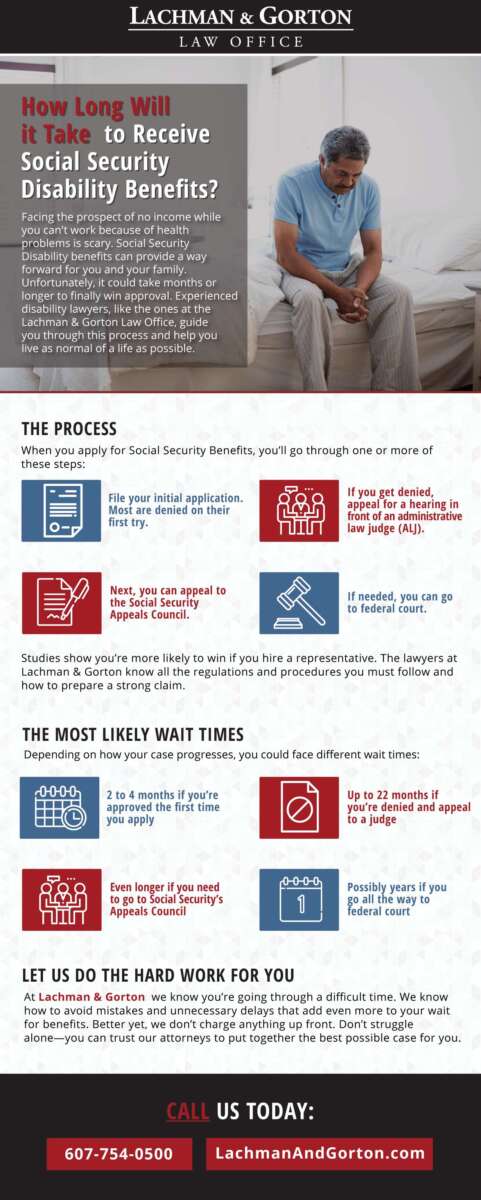
Most approvals take 3–7 months; appeals can push total time to 12–24 months.
If you’re asking how long does it take to get ssd, you want a clear, honest timeline with real steps to speed it up. I’ve helped many people file for Social Security Disability, and the process can feel slow and confusing. In this guide, I’ll break down each stage, show what impacts your wait, and share insider tips that actually help you move faster.

The SSD Timeline: What To Expect Step by Step
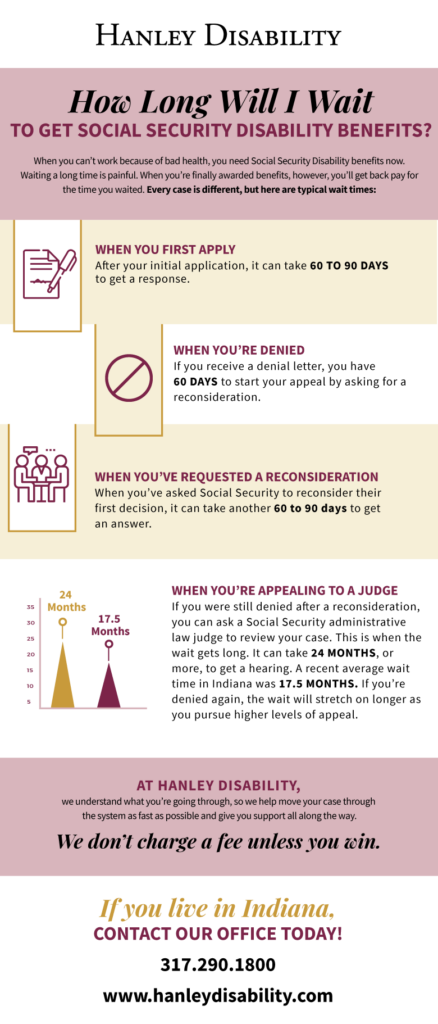
Your path depends on your medical records, your work history, and your state. Still, most cases follow the same main stages. Here is a simple view of how long does it take to get ssd from start to finish.
- Application filed to initial decision: 3–7 months on average. Some get decisions in as little as 2 months. Heavy workloads can push this to 8–10 months.
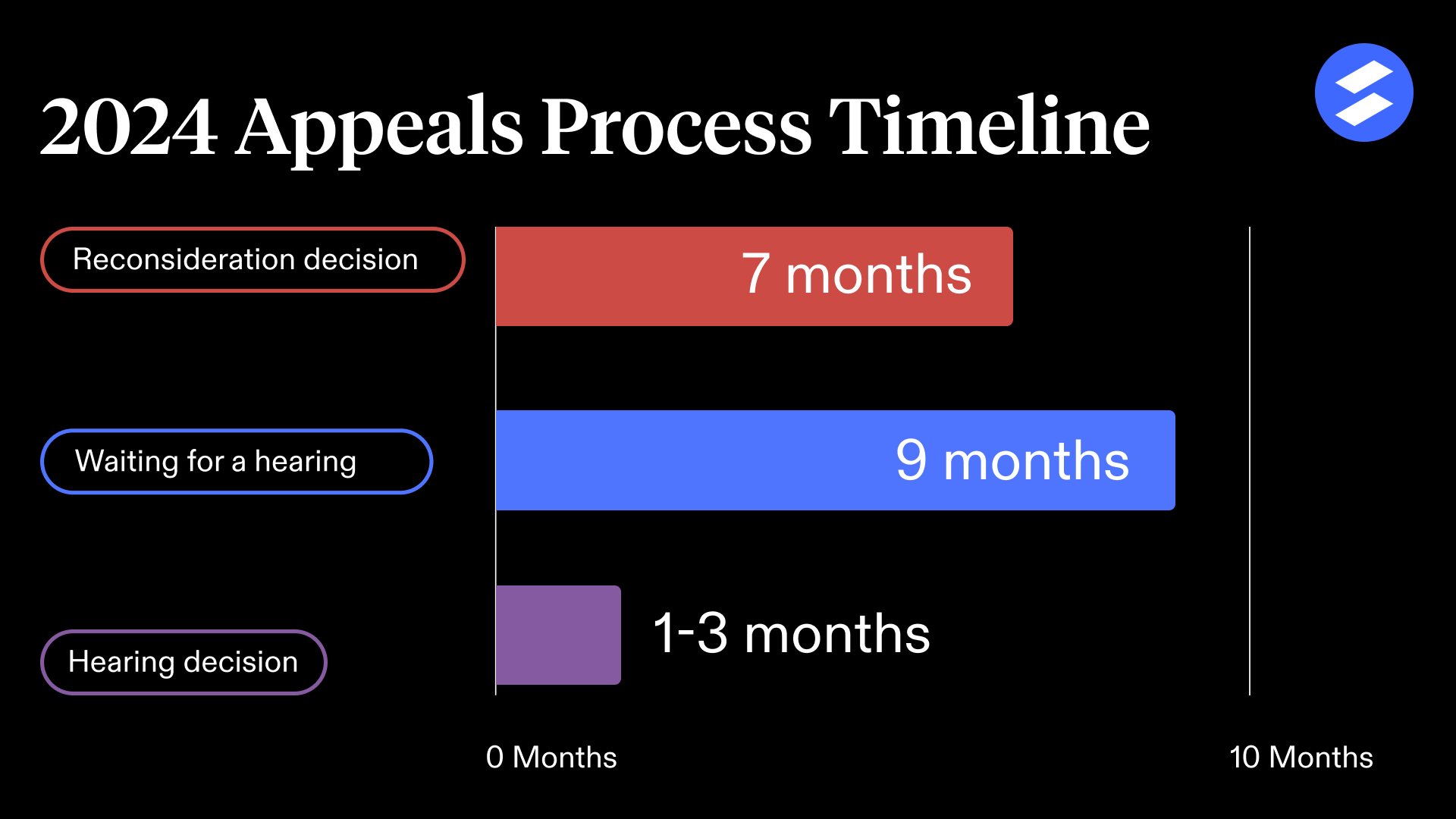
- Reconsideration (first appeal): 3–6 months. Many denials get reversed here if you add new medical proof.
- Hearing with an Administrative Law Judge: 7–20 months to get a hearing date, then a few more months for the written decision.
- Appeals Council or Federal Court: add several months to over a year if needed.
A few paths move faster. Compassionate Allowances and terminal illness cases can be approved in weeks. Veterans with 100% P&T or those injured on active duty may also get priority handling.

What Changes How Long Does It Take To Get SSD
Many factors shape how long does it take to get ssd. Some you can control. Some you cannot.
- Case complexity: Multiple conditions or rare illnesses need more review.
- Medical records: Missing or late records slow everything.
- State workload: Some states process claims faster than others.
- Age and work history: Older workers may meet the rules faster under grids.
- Program type: SSDI has a 5-month waiting period from your disability onset date. SSI does not have that waiting period.
- Representation: A skilled advocate can fix gaps and avoid delays.
From my experience, the biggest time killer is incomplete records. The second is not responding fast to SSA letters. The third is not updating SSA when you get new test results.

Fast-Track Options That Can Cut Your Wait
If you want to know how long does it take to get ssd in the best case, fast tracks matter. Some claims qualify for quick review.
- Compassionate Allowances: For certain severe conditions. Many decisions come in 2–8 weeks.
- Terminal Illness (TERI): These cases get priority and can be processed in weeks.
- Dire Need: Homelessness, lack of food, or no access to needed care may speed scheduling.
- Wounded Warriors and 100% P&T veterans: Often expedited if the disability began on active duty or rating is permanent and total.
You still need solid proof. Use clear doctor notes, pathology reports, imaging, and hospital summaries. Label uploads with dates and provider names so examiners find them fast.
After Approval: When Do Payments Start
A common part of how long does it take to get ssd is the wait after approval. Here is what happens next.
- First payment: Usually 30–60 days after approval once SSA sets your record.
- SSDI waiting period: Benefits start the sixth full month after your established onset date.
- Back pay: Paid in a lump sum for SSDI. For SSI, back pay may come in up to three installments.
- Health coverage: SSDI brings Medicare after 24 months from your first month of entitlement. SSI brings Medicaid right away in most states.
Set up direct deposit and make sure SSA has your correct bank info. That alone can save weeks.
How To Speed Up Your SSD Claim
You cannot control every part of how long does it take to get ssd. But you can cut avoidable delays with a tight plan.
- Gather records before you apply: Hospital stays, imaging, labs, specialist notes, mental health records, and test results.
- List all providers: Names, addresses, phone numbers, dates seen, and patient IDs.
- Describe functional limits: What you can lift, stand, walk, sit, or remember. Give real examples from daily life.
- Keep a symptom diary: Dates, pain levels, flare triggers, and missed work days.
- Respond fast: Check your mail and SSA online account often. Reply within days, not weeks.
- Go to exams: Attend all consultative exams. Rescheduling causes weeks of delay.
- Add new evidence at every stage: Do not wait for a denial to update records.
I keep a one-page timeline in each file. It lists key dates, tests, surgeries, and changes in meds. It helps examiners see the full picture fast.
Real-World Timelines: What I See Most Often
People want a plain answer to how long does it take to get ssd. Here are common patterns I see.
- Straight approval at initial: 3–5 months with strong records and clear limits.
- Approval at reconsideration: 7–12 months total when new evidence is added.
- Approval at hearing: 14–28 months total, depending on your hearing office.
- Compassionate Allowance: 1–2 months with clear medical proof.
Your path may be faster if you are older, have consistent treatment, and have objective tests that match your claim.

Common Delays And Mistakes To Avoid
These simple errors can add months to how long does it take to get ssd. Avoid them.
- Gaps in treatment: Long gaps raise questions. Explain any gaps in writing.
- Vague doctor notes: Ask providers to note specific limits, not just diagnoses.
- Working above SGA: Earnings over the monthly limit can lead to denial.
- Ignoring mental health: Many have both physical and mental limits. Document both.
- Missing deadlines: Mark appeal deadlines on your calendar with reminders.
When in doubt, submit a short letter. Explain your limits in plain words. Tie each limit to a test, a note, or a medication side effect.

What To Expect At Each Stage
This section breaks down how long does it take to get ssd at each point and what you can do.
- Application: File online for speed. Upload records the same day if you can.
- Reconsideration: Add new visits, test results, and updated forms. Do not repeat the same file.
- Hearing: Submit a brief with key evidence. Practice simple testimony with examples.
- Appeals Council: Point to legal or factual errors. Add new, material evidence if allowed.
Keep your contact info current. A single missed letter can cost you months or even force you to start over.

Tracking Your Case And When To Push
Active tracking can shorten how long does it take to get ssd. Here is how to stay on top of it.
- Create a my Social Security account: Check status and letters online.
- Call DDS or your examiner: Confirm records arrived. Ask what is still missing.
- Set 30-day check-ins: Nudge stalled requests for records.
- Ask your doctor’s office to fax records: Direct submissions often move faster.
- Request escalation: If you qualify for dire need or fast-track, ask in writing.
Be polite, short, and specific when you call. Write down names, dates, and what was promised.
Planning For The Wait: Money, Work, And Health
The wait is hard. Planning helps you handle how long does it take to get ssd.
- Budget: Cut fixed costs. Pause nonessential subscriptions.
- Benefits check: See if you qualify for SNAP, Medicaid, or local aid now.
- Work within rules: If you try part-time work, stay under SGA and track hours.
- Health first: Keep appointments. Skipping care hurts your health and your claim.
I tell clients to create a simple binder. One tab for medical records. One for letters from SSA. One for bills and aid. Order cuts stress and saves time.
Frequently Asked Questions of how long does it take to get ssd
How long does the initial SSD decision take?
Most people see a decision in 3–7 months. Busy offices or missing records can push it longer.
How long does it take to get SSD after approval?
Payments often start within 30–60 days. SSDI back pay comes in a lump sum, while SSI may pay in parts.
Can I speed up my SSD case?
Yes, with complete records, fast responses, and asking for fast-track if you qualify. Keep proof current and attend all exams.
What is the SSDI five-month waiting period?
SSDI benefits start the sixth full month after your onset date. This does not apply to SSI.
Do I need a lawyer to get SSD faster?
It is not required, but good reps spot gaps and avoid delays. Many work on contingency, so you pay only if you win.
What if my reconsideration is denied?
Request a hearing within the deadline. Add new evidence and consider representation to strengthen your case.
Will working part-time hurt my claim?
Earnings over the SGA limit can cause denial. If you work, stay under the limit and document limits and breaks.
Conclusion
The short truth about how long does it take to get ssd is this: plan for months, prepare like a pro, and keep your file hot. Strong records, quick replies, and clear limits can cut weeks or even months from your wait.
Take one action today. Gather your top five medical records and upload them. If you found this helpful, subscribe for more guides or drop a question in the comments so I can help with your next step.

Jamie Lee is a seasoned tech analyst and writer at MyTechGrid.com, known for making the rapidly evolving world of technology accessible to all. Jamie’s work focuses on emerging technologies, product deep-dives, and industry trends—translating complex concepts into engaging, easy-to-understand content. When not researching the latest breakthroughs, Jamie enjoys exploring new tools, testing gadgets, and helping readers navigate the digital world with confidence.