Average TV repairs typically cost between $100 and $400, depending on the issue and model.
I’ve spent years helping people decide whether to fix or replace electronics. In this article I break down how much does it cost to fix a TV with clear numbers, real-world examples, and step-by-step advice. You’ll learn common fault costs, what drives price, when DIY makes sense, and how to choose a trustworthy repair service. Read on to make a confident, money-smart decision about your TV.
Typical repair cost ranges for TVs
A simple screen calibration or minor board fix often runs $100 to $200.
Moderate repairs such as power supply or speaker replacement usually cost $150 to $350.
Major fixes like replacing a panel or T-con board can push $300 to $800 or more.
Labor and diagnostic fees add $50 to $150 on top of parts.
How much does it cost to fix a TV depends on the model and the broken component. High-end large-screen TVs often cost more to repair. Older or budget TVs sometimes cost more to fix than to replace. Use these ranges to set expectations before you call a shop.

Common TV problems and typical repair costs
- Backlight or LED strips fail — $120 to $450 depending on panel type and size.
- Power board or power supply faults — $100 to $250 including parts and labor.
- T-con board or image timing issues — $120 to $300.
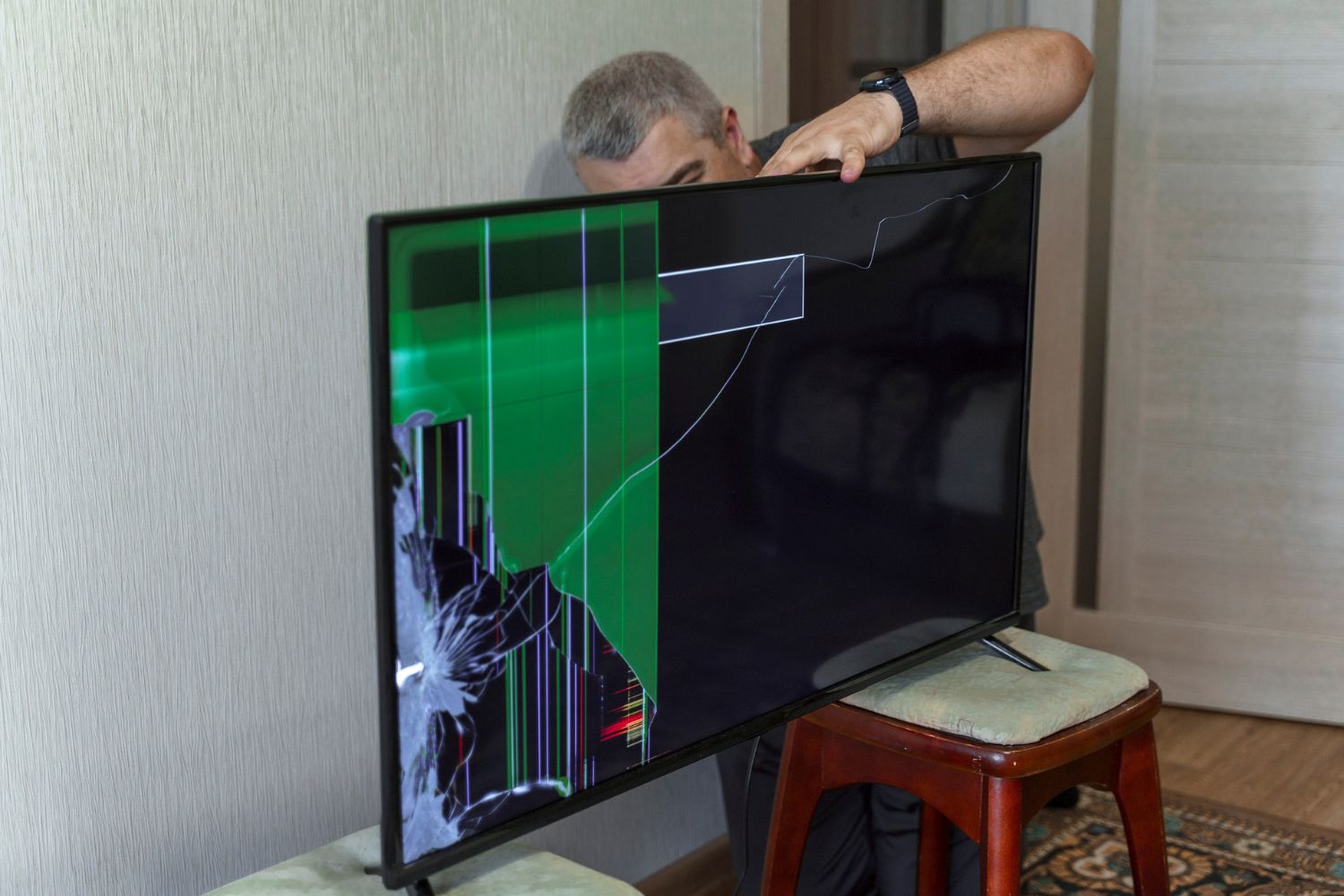
- Cracked screen or physical glass damage — $300 to $1,200; many TVs are beyond economical repair.
- HDMI, USB ports or smart board faults — $100 to $350.
- Sound problems (speakers or amp board) — $80 to $250.
- No power or intermittent power — $90 to $250 after diagnostics.
How much does it cost to fix a TV varies by part rarity. Older models may need special-order parts. Parts for newer premium models cost more. Ask the shop for part brand and warranty when you get a quote.

Key factors that affect repair cost
- TV size and type — Larger OLED and QLED panels cost more to repair.
- Age of the TV — Older sets often have discontinued parts or higher labor time.
- Brand and model — Premium brands can have pricier components.
- Type of fault — Mechanical damage is usually costlier than electronic fixes.
- Warranty or service plans — These can reduce or eliminate out-of-pocket costs.
- Location and labor rates — Urban areas often have higher shop rates.
When you ask how much does it cost to fix a TV, mention model and serial number for the most accurate estimate. Shops give better quotes with a clear symptom description. Always ask if the quote includes diagnostics, parts, labor, and taxes.
src="https://assets.fixr.com/cost_guides/tv-repair/tv-repair-63bd4ca6954ef.png"
alt="DIY vs professional repair: cost and risk”
style=”max-width: 100%; height: auto; border: 2px solid black; border-radius: 10px; display: block; margin: 0 auto;”
loading=”lazy”
/>
DIY vs professional repair: cost and risk
If you have basic tools and steady hands, you can handle small jobs. Changing a power cap or swapping a speaker may be doable. DIY saves labor costs but risks further damage. Professional repair gives warranty and safer handling. Labor is the main difference in price.
How much does it cost to fix a TV yourself? Parts alone might be $30 to $200. Add your time and risk. If the TV is under warranty or the fix is complex, go pro. If the issue is simple and you know what you’re doing, DIY can be a low-cost option.
When to repair and when to replace
Use a simple rule: if repair cost is more than 50% of the replacement cost, replacing often makes sense. Consider hidden benefits of replacement like newer smart features, better energy use, and longer warranty. For a $500 TV, a $250 repair is borderline. For a $1,500 TV, a $300 repair is fine.
How much does it cost to fix a TV compared to replacing it depends on sentimental value and upgrade needs. If your set is over 7 years old, upgrades often bring big picture or smart improvements. If the issue is the screen, replacing the TV is often cheaper.

How to find a reputable TV repair service
- Check local reviews and ratings. Look for recent feedback on repairs and timeliness.
- Ask about diagnostic fees and whether they apply to the repair cost.
- Request a written estimate that details parts, labor, and warranty.
- Confirm the shop uses genuine or OEM-equivalent parts.
- Ask for turnaround time and whether they offer on-site or pick-up service.
When you call, describe symptoms clearly. Saying the TV “won’t turn on” helps less than “power light blinks three times and screen stays black.” How much does it cost to fix a TV is easier to estimate with clear info.

Tips to lower repair costs
- Check existing warranty or credit card protection first.
- Look for manufacturer recall or free service programs.
- Use certified third-party shops that offer lower labor rates.
- Salvage a good power board from a similar broken TV if you do DIY.
- Ask for used or refurbished parts to cut parts cost.
How much does it cost to fix a TV can drop if you negotiate or choose used parts. Always weigh savings against risk and shortened lifespan of cheaper parts.

Parts, labor, and diagnostic fees explained
Diagnostic fee
- Covers shop time to test the TV and find faults. Typical fee is $50 to $100.
Labor - Charged hourly or as a flat rate. Expect $60 to $120 per hour in many markets.
Parts - Can range from $10 for small connectors to $800+ for panels.
How much does it cost to fix a TV is the sum of these three parts. Always get the line-item breakdown. That helps you compare quotes and choose the best option.
Real-life examples and personal experience
I once fixed a mid-range 55-inch LED with a dead power board. Parts were $85 and labor $90. Total bill was $175, and the owner kept the TV another five years.
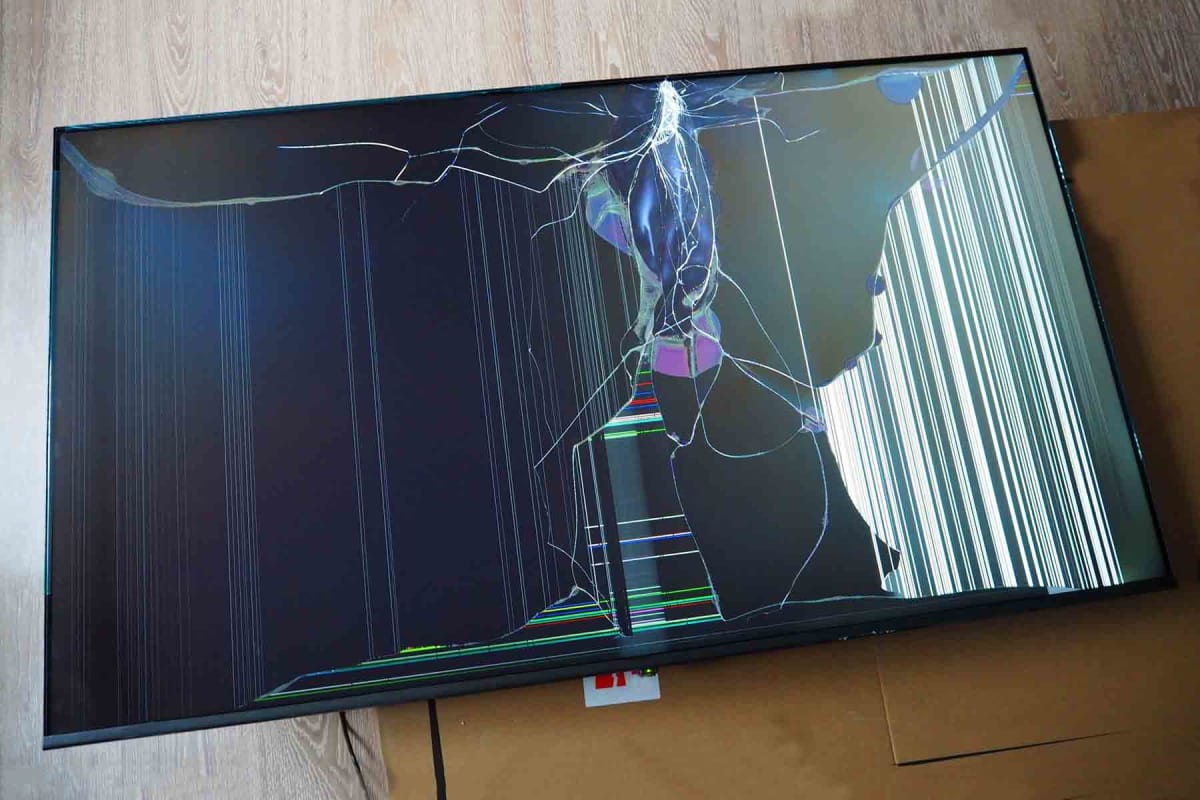
Another job was a cracked panel on an older 65-inch. Panel alone cost $900. We advised replacement. The owner upgraded for $1,200 and got a much brighter picture.
From years helping homeowners, the lesson is simple. Ask for part costs up front. Get a written estimate. How much does it cost to fix a TV varies, but clear quotes keep surprises away.
Frequently Asked Questions of how much does it cost to fix a tv
How much does it cost to fix a TV screen?
Screen repair is the most expensive. Expect $300 to $1,200 depending on size and type. Often replacement is the better choice.
Will a cracked TV screen be cheaper to fix than replacing the TV?
Cracked screens are usually costly to fix. If repair costs approach half the price of a new TV, replacing is usually smarter.
How much does it cost to fix a TV that won’t turn on?
A no-power issue often costs $90 to $250 after diagnostics. If it’s the main board or panel, costs can be higher.
Do TV repairs come with a warranty?
Reputable shops offer limited warranties on parts and labor, often 30 to 90 days. Always confirm terms in writing before repair.
Can I get a free estimate for TV repair?
Many shops offer free in-store estimates but charge a diagnostic fee for on-site or detailed testing. Ask about fees before service.
Is it cheaper to fix a smart TV motherboard or replace the TV?
Motherboard repairs run $100 to $350 typically. Compare that to the cost of a new TV. For older sets, replacement can be more cost-effective.
Conclusion
Repair costs for TVs span a wide range. Small fixes often cost under $200. Major parts and panels push costs higher. Use clear quotes, check warranties, and weigh repair vs replacement with the 50% rule. If you want to save money, try reliable third-party shops or safe DIY for simple fixes. Take action now: get a written estimate for your model, compare one or two shops, and decide with confidence. Share your repair story or questions below to get tailored advice.
Related Posts


Jamie Lee is a seasoned tech analyst and writer at MyTechGrid.com, known for making the rapidly evolving world of technology accessible to all. Jamie’s work focuses on emerging technologies, product deep-dives, and industry trends—translating complex concepts into engaging, easy-to-understand content. When not researching the latest breakthroughs, Jamie enjoys exploring new tools, testing gadgets, and helping readers navigate the digital world with confidence.