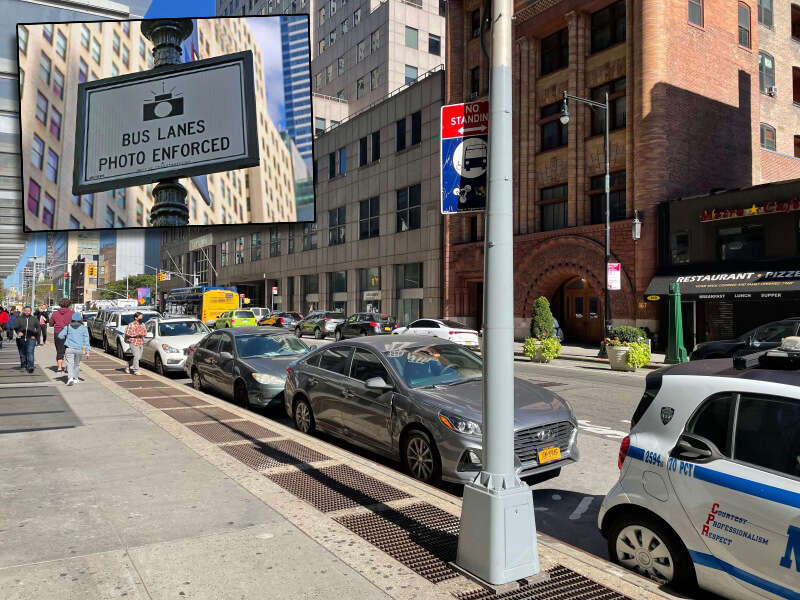
Use legal exceptions, weak signage, or proof you turned within 200 feet.
If you want to know how to beat a bus lane camera ticket in NYC, you’re in the right place. I’ve helped many New Yorkers win these cases by using the law, the facts, and clean evidence. In this guide, I break down how to beat a bus lane camera ticket in NYC with plain steps, proven defenses, and real examples. Follow along, and you’ll see what works, what fails, and how to make your best case.

How NYC bus lane cameras work and what they must prove
Here is how to beat a bus lane camera ticket in NYC: start by knowing the rules. NYC bus lane cameras record your plate if you drive in a bus lane during posted hours. The city mails a Notice of Liability to the owner. It is a civil ticket, no points.
The law backs this program. New York Vehicle and Traffic Law §1111-c and NYC Traffic Rules set the rules. The city must prove your car was in the bus lane during restricted hours and that the camera captured clear images. Fines rise for repeat violations, but you can fight and win with the right defense.
Key facts:
- No points, but fines increase with repeat tickets over a 12‑month window.
- Hours vary by corridor; signs control, not the red paint alone.
- Evidence is usually photos and short video. You can view it online before you fight.

Legal defenses that can beat a bus lane camera ticket
If you ask how to beat a bus lane camera ticket in NYC, know the legal exceptions. These are real, and they work when proven.
Strong defenses:
- Right turn within 200 feet You may enter the bus lane to make the next right turn. You must move in near the turn and do it safely. This comes from NYC Traffic Rules for bus lanes.
- Outside posted hours If the sign says 7 a.m. to 7 p.m., and the video shows 7:05 p.m., you win. The sign controls.
- Expeditious passenger pick‑up or drop‑off Very quick curbside pick‑up or drop‑off is allowed. Keep it brief and safe.
- Avoiding a hazard or obstruction If a crash, double‑parked truck, or work zone blocks your lane, you may enter to pass. Show why it was needed and brief.
- Directed by police or flagger If an officer or MTA worker waved you in, say so and provide proof.
- Authorized or emergency vehicles Buses, some authorized vehicles, and emergency vehicles are exempt when on duty.
- Signage issues Missing, blocked, or wrong signs can beat a ticket. Signs must be clear at the start and along the corridor.
- Mistaken identity Wrong plate, wrong car, or cloned plates are valid defenses. Provide proof.
- Insufficient evidence If the video is unclear or fails to show time, place, signs, and your motion, press that point.
From my cases, the 200‑foot right turn and bad signage are the most common winners. Pair the claim with hard proof.

Step-by-step: how to beat a bus lane camera ticket in NYC
If you ask how to beat a bus lane camera ticket in NYC, use this simple plan.
Step 1: Read the Notice
- Check the date, place, and time.
- Note the hearing deadline, usually 30 days from the notice date.
Step 2: Watch the video
- Use the city portal to view the clip.
- Look for signs, lane markings, buses, and your reason for entering.
Step 3: Check the bus lane hours
- Visit the corridor and take fresh photos of every sign near the spot.
- Note if signs are missing, blocked, or wrong.
Step 4: Map your turn or stop
- If you turned right, measure the distance to the corner. Aim for under 200 feet.
- If you dropped a passenger, note how long and where.
Step 5: Gather proof
- Dashcam, phone photos, GPS trip logs, toll logs, receipts, and witness notes help.
- Request video and camera records if needed.
Step 6: Choose your hearing
- Online, by mail, or live virtual with NYC Department of Finance.
- Keep your statement short, factual, and tied to the law.
Step 7: Submit and track
- Upload all exhibits with labels and dates.
- Save confirmations and check your case status.
Evidence checklist and how to get it
One core rule of how to beat a bus lane camera ticket in NYC is this: evidence wins. Do not rely on talk alone. Show, do not tell.
Collect this:
- Photos of signs and lane paint Take clear, daylight shots in both directions. Include street names.
- Short map and distance proof Use a measuring app, tape, or the car’s dash estimate to show 200 feet or less.
- Video and stills From your dashcam or the city’s video. Save frames where you signal and merge near the turn.
- Witness notes A short note from a rider or coworker can help confirm a drop‑off or reason.
- Trip records and timestamps Rideshare logs, delivery apps, and GPS data support your story.
- Maintenance or obstruction proof Work zone permits, 311 reports, or your photos can confirm hazards.
- Signage research You can request DOT sign plans and logs. Ask for the sign inventory for that block and date.
Label each exhibit. Use simple names like Photo‑1 Eastbound bus lane sign, 42 St and 3 Ave, 6:12 p.m.

Winning arguments vs. weak excuses
Knowing how to beat a bus lane camera ticket in NYC also means avoiding bad claims.
What often wins:
- I entered within 200 feet to make a right turn. Here is my map and photos.
- It was 7:03 p.m., and the posted hours end at 7 p.m. Here is the sign photo.
- A crash blocked my lane. I merged to pass and returned at once. See my video.
- The near‑side sign was covered by scaffolding. Here are two angles of the blockage.
What often fails:
- I was only in the lane for a second.
- I kept my hazards on while I waited.
- Everyone else does it on this block.
- The bus lane paint is old, so rules do not count.
Keep it simple. Tie your story to a legal exception and back it with proof.

Deadlines, fines, and escalation you should know
It helps to learn timing when thinking about how to beat a bus lane camera ticket in NYC. You must respond by the date on the notice, often 30 days from mailing. Late fees can add up if you wait.
Money facts:
- Fines start around $50 and can rise to $250 for repeat cases.
- No points and no insurance hit in most cases, since it is civil.
- Unpaid tickets can lead to default, booting, or towing over time.
If you need more time to gather proof, request a hearing early. You can upload more documents before the officer rules. Do not ignore the notice.
Sample script and letter you can adapt
When asking how to beat a bus lane camera ticket in NYC, a clean script helps. Keep your statement short. Focus on facts and the rule.
Sample hearing script:
- I entered the bus lane within 200 feet to make a right turn at Main St.
- I signaled, merged near the corner, and turned at once. I did not pass any bus.
- The attached map and photos show the distance and the sign with posted hours.
Sample written statement:
- On 10/12 at 6:55 p.m., I entered the bus lane to turn right at 5 Ave.
- NYC rules allow this within 200 feet. See Photos 1 to 3 showing my path and the corner.
- The video shows my signal and short merge. Please dismiss.
This is not legal advice. It is a template you can tailor to your facts.

After the decision: appeal or pay
There is one more step in how to beat a bus lane camera ticket in NYC. If you lose, you can appeal. You usually have 30 days from the decision date to file with the Appeals Board. Your appeal should show an error of law or a clear mistake in the facts.
Tips:
- Do not just repeat your story. Point to what the officer missed.
- If signs were blocked, say the decision ignored your photos and explain why they matter.
- If you win on appeal, the ticket is dismissed. If not, pay fast to avoid more fees.
Prevent future NYC bus lane tickets
A smart part of how to beat a bus lane camera ticket in NYC is to avoid the next one. A few habits save a lot of stress.
Try this:
- Read the signs, not the paint Hours vary by block. Signs rule.
- Plan right turns early Move to the lane near the corner, within 200 feet, and turn clean.
- Avoid bus stops Never stop where buses load, even for quick drop‑offs.
- Use a dashcam It is cheap and powerful in hearings.
- Save a lane photo log When you drive routes often, take photos of tricky signs after changes.
I once helped a rideshare driver beat a ticket on Fulton Street. His dashcam showed he merged near the corner and turned right at once. The case was dismissed because the proof was clear.
Frequently Asked Questions of how to beat a bus lane camera ticket in nyc
Does a NYC bus lane camera ticket add points to my license?
No. It is a civil ticket issued to the vehicle’s owner. There are no points and usually no insurance impact.
Can I use the 200-foot rule for any right turn?
Yes, if you enter within about 200 feet and turn at the next corner or driveway. You must move in near the turn, keep it brief, and yield to buses.
What if the bus lane sign was missing or blocked?
Take clear photos from a driver’s view. If signs were not visible or wrong, that can be a strong defense.
How do I see the video before my hearing?
Use the city portal listed on your notice. You can review, download, and submit the footage as evidence.
Can I win by saying I was in the lane for only a moment?
Time alone is not a defense. You must show a legal reason, like a right turn, drop‑off, or hazard.
What if someone cloned my plate?
File a police report and gather proof like different car make or damage marks. Submit that with your hearing request.
Can commercial loading in a bus lane beat the ticket?
No, not if it blocks the bus lane. Passenger pick‑up or drop‑off can be allowed if it is quick and safe.
Conclusion
You now know how to beat a bus lane camera ticket in NYC with clear steps and real defenses. Focus on the rules, collect clean proof, and tell a short, fact‑based story. The best wins come from the 200‑foot right turn, clear signage issues, and true hazards.
Take action today. Watch your video, photograph the signs, and draft your statement. If this helped, share it with a friend, subscribe for more NYC road tips, or drop a question in the comments.

Jamie Lee is a seasoned tech analyst and writer at MyTechGrid.com, known for making the rapidly evolving world of technology accessible to all. Jamie’s work focuses on emerging technologies, product deep-dives, and industry trends—translating complex concepts into engaging, easy-to-understand content. When not researching the latest breakthroughs, Jamie enjoys exploring new tools, testing gadgets, and helping readers navigate the digital world with confidence.