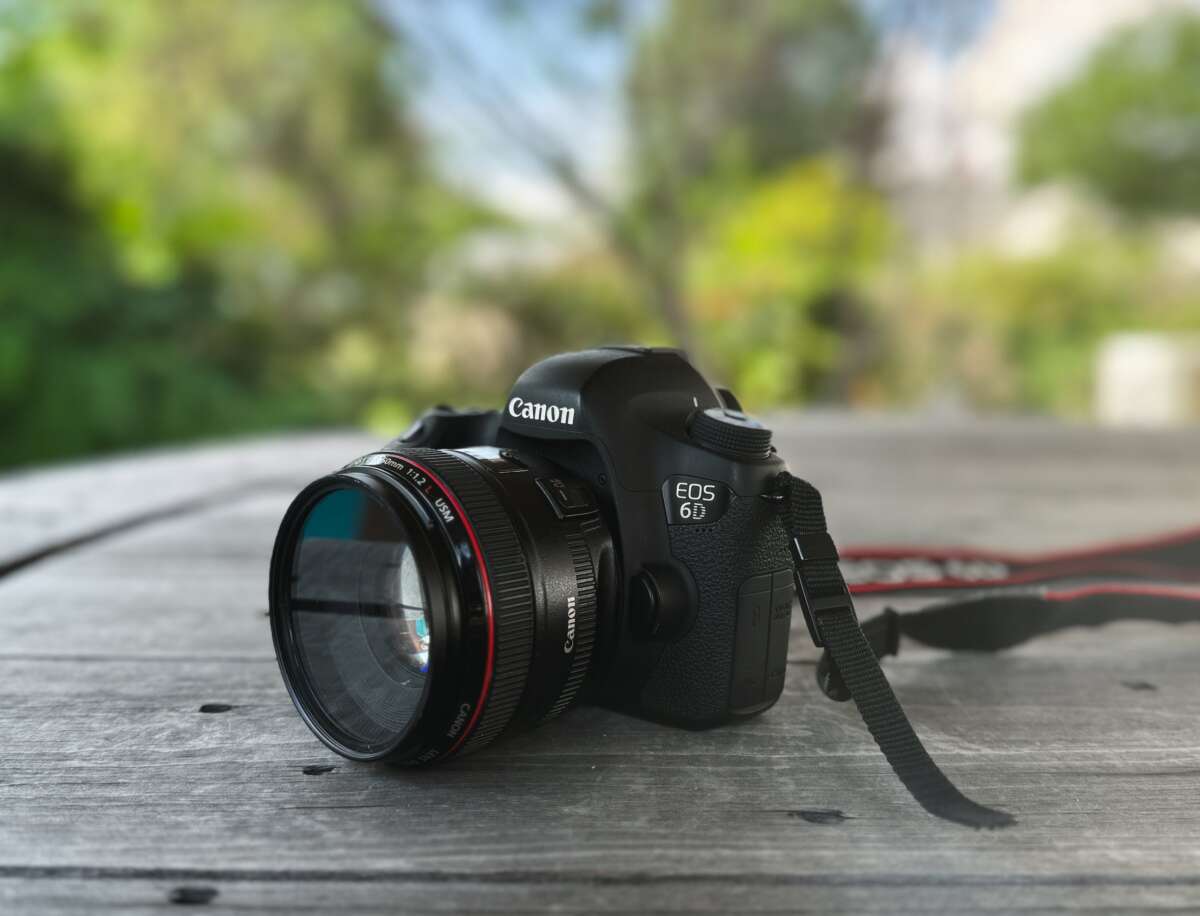
Choose the 5D Mark IV for pro speed and build; pick the 6D Mark II for value and simple portrait work.
I’ve shot portraits for years with both bodies. I know how to choose 5D Mark IV or 6D Mark II for portraits, and I’ll walk you through the real trade-offs. This guide covers image quality, autofocus behavior, lens choices, handling, low-light work, and real-world tips I learned on shoots and weddings. Read on and you’ll be able to pick the right tool for your portrait style and budget.
Sensor, image quality, and dynamic range
Image quality is the heart of portrait work. The 5D Mark IV has a higher-resolution sensor than the 6D Mark II, which helps when you crop or need fine detail for large prints. The 6D Mark II still makes beautiful files and tends to give pleasing skin tones with less file size to manage. If you shoot tethered in studio or need maximum detail for retouching, the 5D Mark IV gives an edge; if you want great results with less data and lower cost, the 6D Mark II is solid.

Autofocus, eye detection, and focus performance
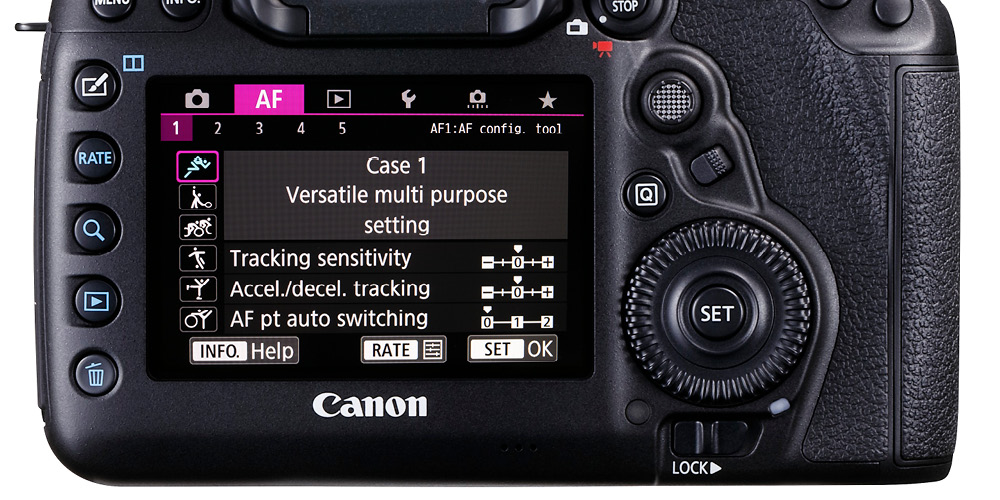
Autofocus matters most when the subject moves or when you use wide apertures. The 5D Mark IV has a denser and more complex AF system for faster, more reliable tracking in everyday portrait scenarios. The 6D Mark II has a capable AF system and very good live view/dual-pixel AF for single-subject portraits, but it can lag behind in fast-changing scenes. For studio headshots or slow posed sessions, both work well; for fast-paced events, the 5D Mark IV will earn its keep.
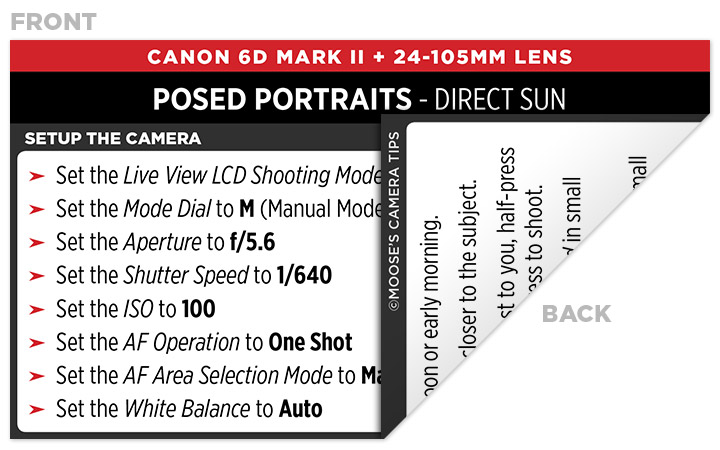
Build, handling, and features that matter for portraits
Handling affects how fast you work and how comfortable you are during long shoots. The 5D Mark IV has a more robust body, better weather sealing, and dual card slots — useful for pros who need redundancy. The 6D Mark II is lighter and easier to carry all day, which helps for location portrait work. If you value a rugged setup and backup storage, choose the 5D Mark IV; if weight and budget matter more, the 6D Mark II makes sense.

Lens choices and portrait focal lengths
Lenses shape portrait style more than the camera body. Both cameras use Canon full-frame lenses. Recommended focal lengths include:
- 85mm prime for classic headshots and creamy background blur.
- 50mm for natural, environmental portraits.
- 70-200mm for body shots and compressed looks.
- 35mm for storytelling or group portraits.
The 5D Mark IV’s higher resolution pairs nicely with sharp primes for retouch-heavy work. The 6D Mark II gives excellent results with mid-range primes and is a great partner for affordable 85mm or 50mm lenses.

Low light, high ISO, and skin tone rendering
Portraits in dim rooms test noise performance and color. The 6D Mark II performs very well at moderate ISO and keeps skin tones pleasing. The 5D Mark IV handles high ISO cleanly and gives slightly better dynamic range for pulling highlights and shadows in post. If you shoot candlelit or reception portraits, the 5D Mark IV gives more headroom. For low-light posed portraits and a lighter kit, the 6D Mark II is reliable and forgiving.
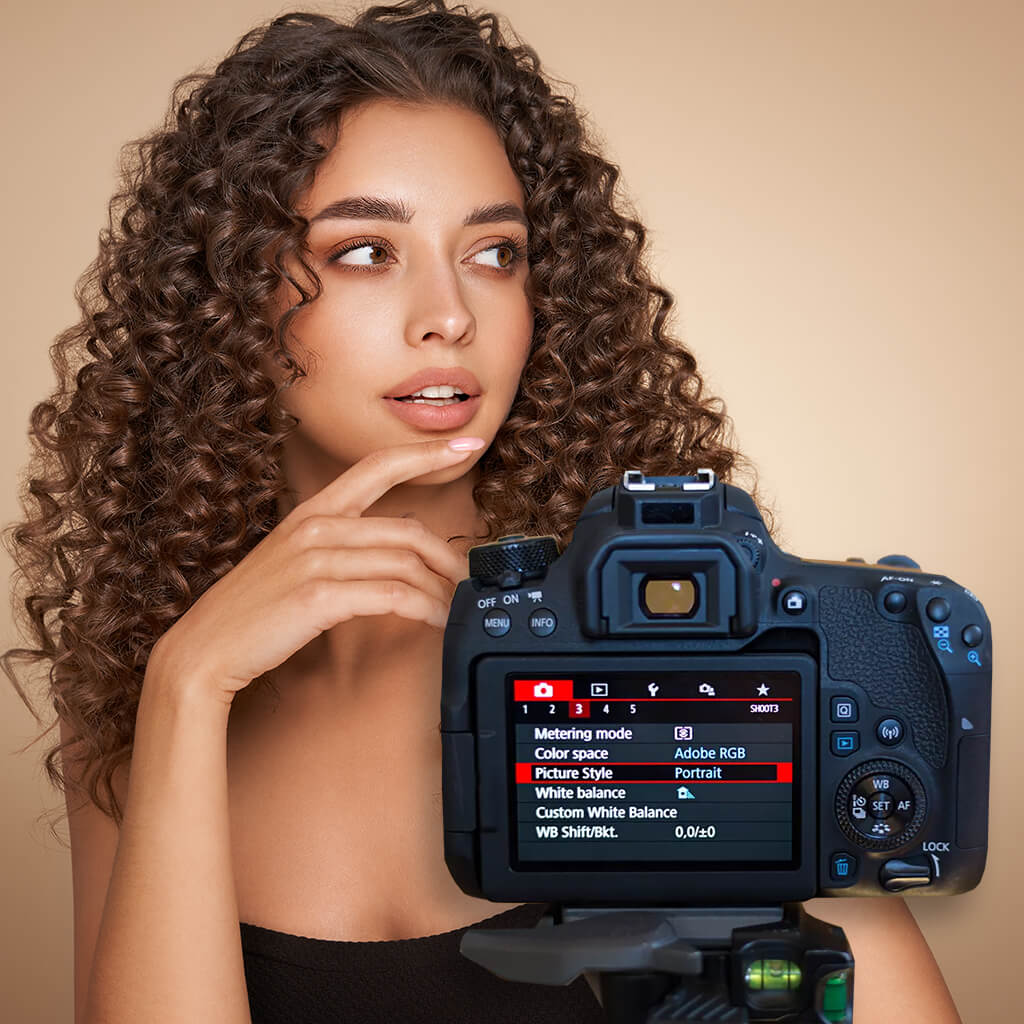
Workflow, ergonomics, and practical tips from my shoots
Here are practical tips I use daily. I shoot tethered in studio with the 5D Mark IV to see detail and guide retouching. On location I often grab the 6D Mark II for its lighter feel and fast live view focus. Keep these in mind:
- Pack one versatile prime and one zoom for flexibility.
- Use center-point AF with focus-and-recompose for single-eye focus when needed.
- Shoot RAW and apply gentle skin tone adjustments in post.
- Backup files on two cards if possible; that saves a day if a card fails.
These habits improve your portraits more than small spec differences between bodies.

How to choose 5D Mark IV or 6D Mark II for portraits — scenario-based picks
Match the camera to how you work. Here’s a quick guide:
- If you are a pro wedding or studio photographer who needs reliability, higher resolution, dual slots, and tougher build, choose the 5D Mark IV.
- If you are a hobbyist, on a tight budget, or prefer a lighter kit for location headshots, choose the 6D Mark II.
- If you value fast AF tracking for mixed action and portraits, lean toward the 5D Mark IV.
- If you want good image quality with lower file sizes and simpler handling, the 6D Mark II is sensible.
- If you shoot mostly posed studio work and retouch heavily, the 5D Mark IV’s extra detail will pay off.
These scenarios help you decide how to choose 5D Mark IV or 6D Mark II for portraits in practice.
Frequently Asked Questions of How to choose 5D Mark IV or 6D Mark II for portraits
Which camera gives better detail for headshots?
The 5D Mark IV typically gives finer detail thanks to its higher-resolution sensor. That extra detail helps with cropping and heavy retouching.
Is the 6D Mark II good enough for professional portraits?
Yes. The 6D Mark II produces professional-looking portrait files and is especially good for solo shooters, bloggers, and smaller studios.
Does autofocus on the 6D Mark II struggle with moving subjects?
The 6D Mark II is fine for posed portraits, but it can be less consistent than the 5D Mark IV for fast or unpredictable movement. Use continuous AF modes and good technique to help.
Do both cameras work well with Canon portrait lenses?
Yes. Both cameras support Canon EF lenses and deliver excellent results with classic portrait primes like 85mm and 50mm. Lens choice matters more than the body.
Should I buy used to save money?
Buying used is a smart way to get a 5D Mark IV or 6D Mark II at a lower price, but inspect shutter count and body condition. Buying from a reputable seller reduces risk.
Conclusion
Choosing between these two bodies comes down to priorities: the 5D Mark IV favors resolution, durability, and pro-level features, while the 6D Mark II favors value, lighter carry, and simplicity. Think about your shooting style, budget, and the lenses you already own. Make a choice that supports your workflow, then practice lighting, posing, and retouching to lift your portraits further. If this guide helped, try the camera in hand if possible, test with your favorite lens, and leave a comment with your shooting needs or questions.

Jamie Lee is a seasoned tech analyst and writer at MyTechGrid.com, known for making the rapidly evolving world of technology accessible to all. Jamie’s work focuses on emerging technologies, product deep-dives, and industry trends—translating complex concepts into engaging, easy-to-understand content. When not researching the latest breakthroughs, Jamie enjoys exploring new tools, testing gadgets, and helping readers navigate the digital world with confidence.