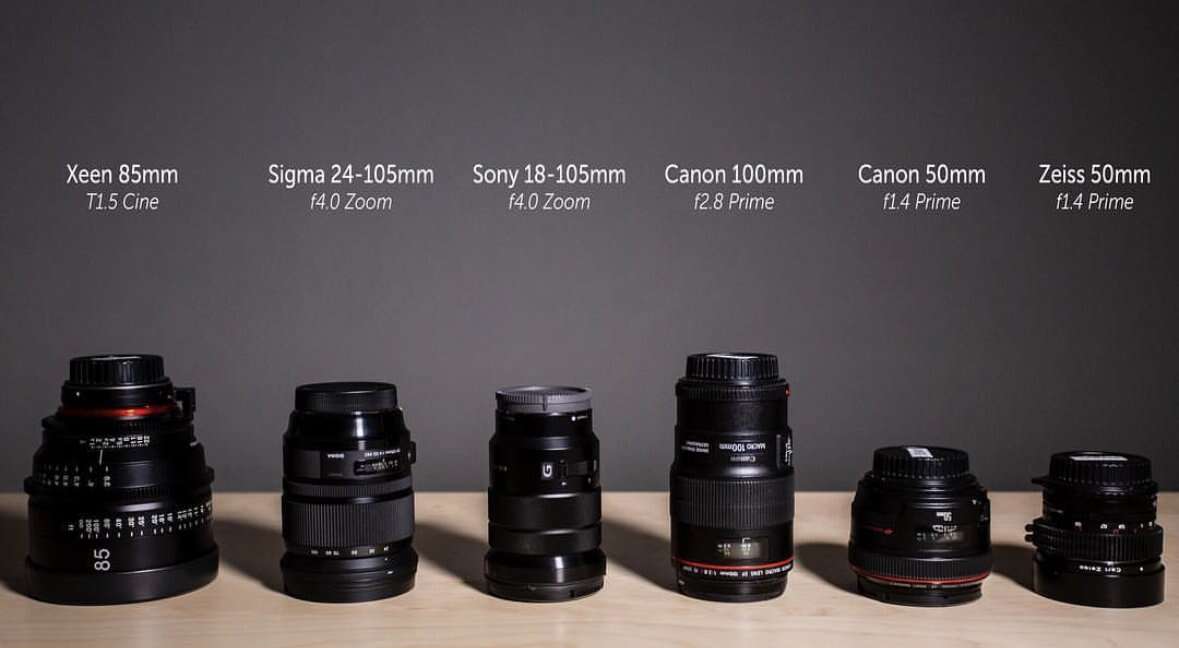
Choose a lens by matching focal length, aperture, mount, and your shooting style and budget.
I’ve spent years testing lenses in studios, streets, and wild places, so I know how to choose camera lens that truly fits your needs. This guide breaks down the technical bits and real-world trade-offs in simple steps so you can pick lenses with confidence and avoid costly mistakes.

Understand your camera system and mount compatibility
Before you learn how to choose camera lens, confirm your camera mount and sensor size. Different mounts mean different lenses. Full-frame and crop sensors change the effective focal length, so a 50mm behaves differently on each.
Check if your camera supports native lenses for best autofocus and exposure performance. Adapters exist, but they can add weight, affect autofocus, or block features. I once bought a cheap adapter and lost fast autofocus during a wedding shoot — expensive lesson learned.
What to do next:
- Verify mount name on the camera body or in the manual.
- Note sensor type: full-frame, APS-C, or Micro Four Thirds.
- List native lens options first; consider adapters only when necessary.
Learn key lens terms: focal length, aperture, and crop factor
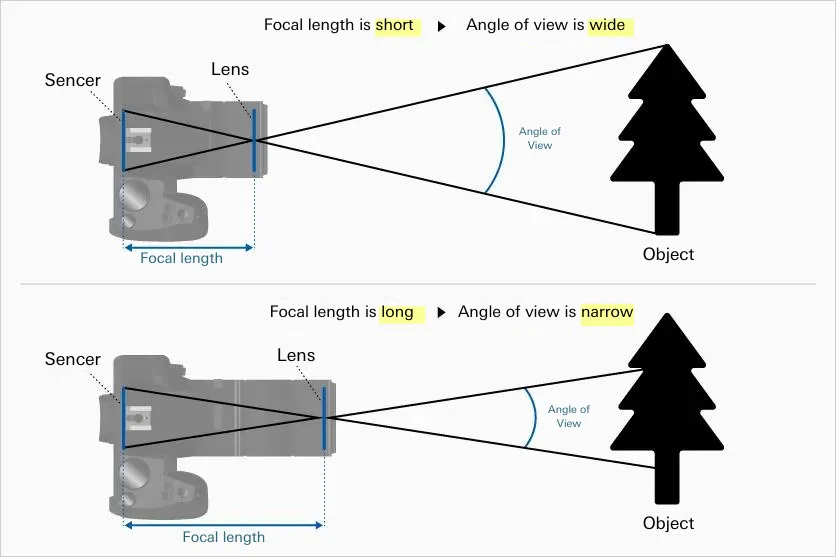
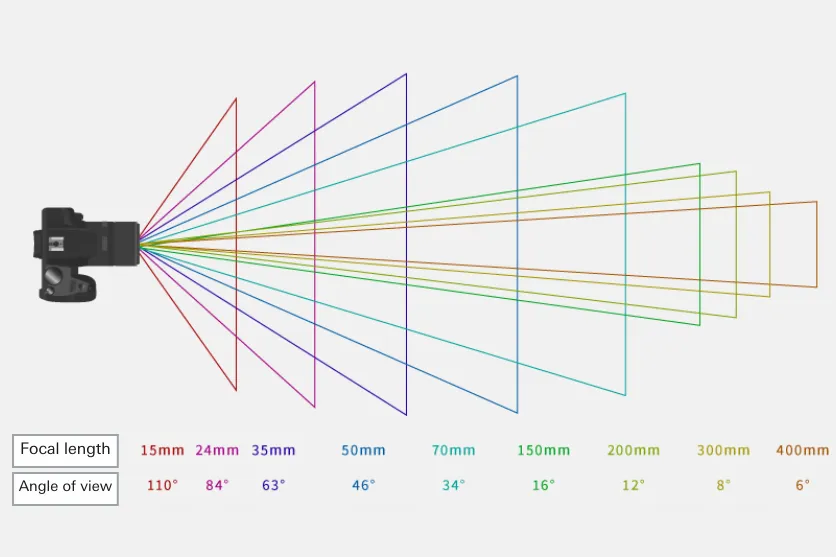
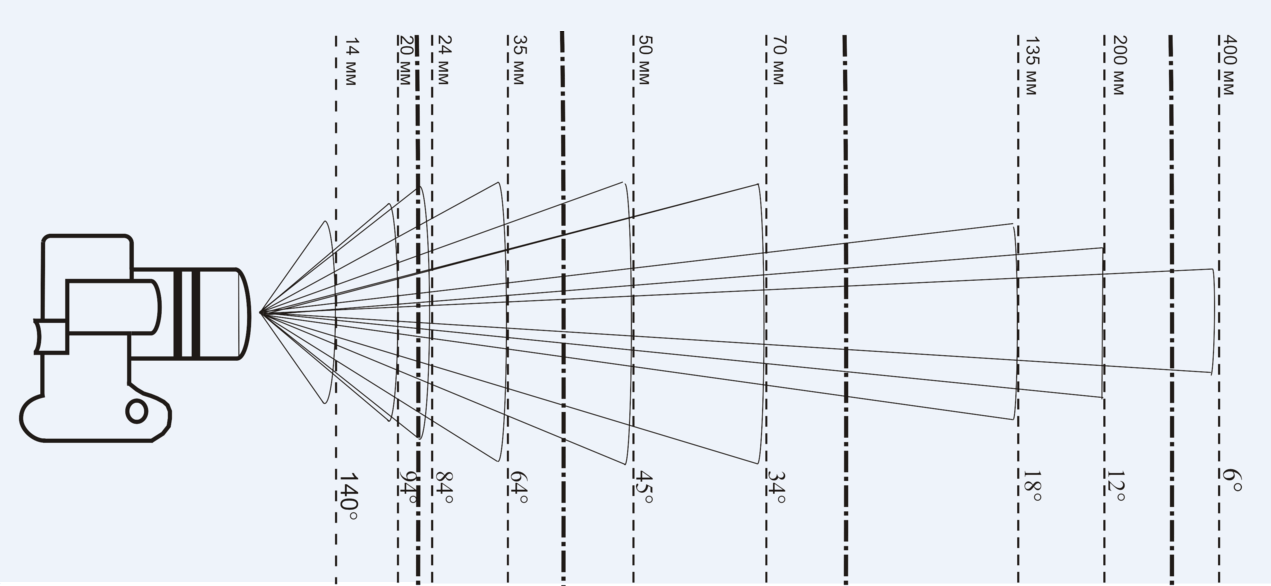
Knowing the basics makes it easier to decide how to choose camera lens. Focal length tells you angle of view. Aperture (f-number) tells you light and depth of field control. Crop factor multiplies focal length for smaller sensors.
Simple map for focal lengths:
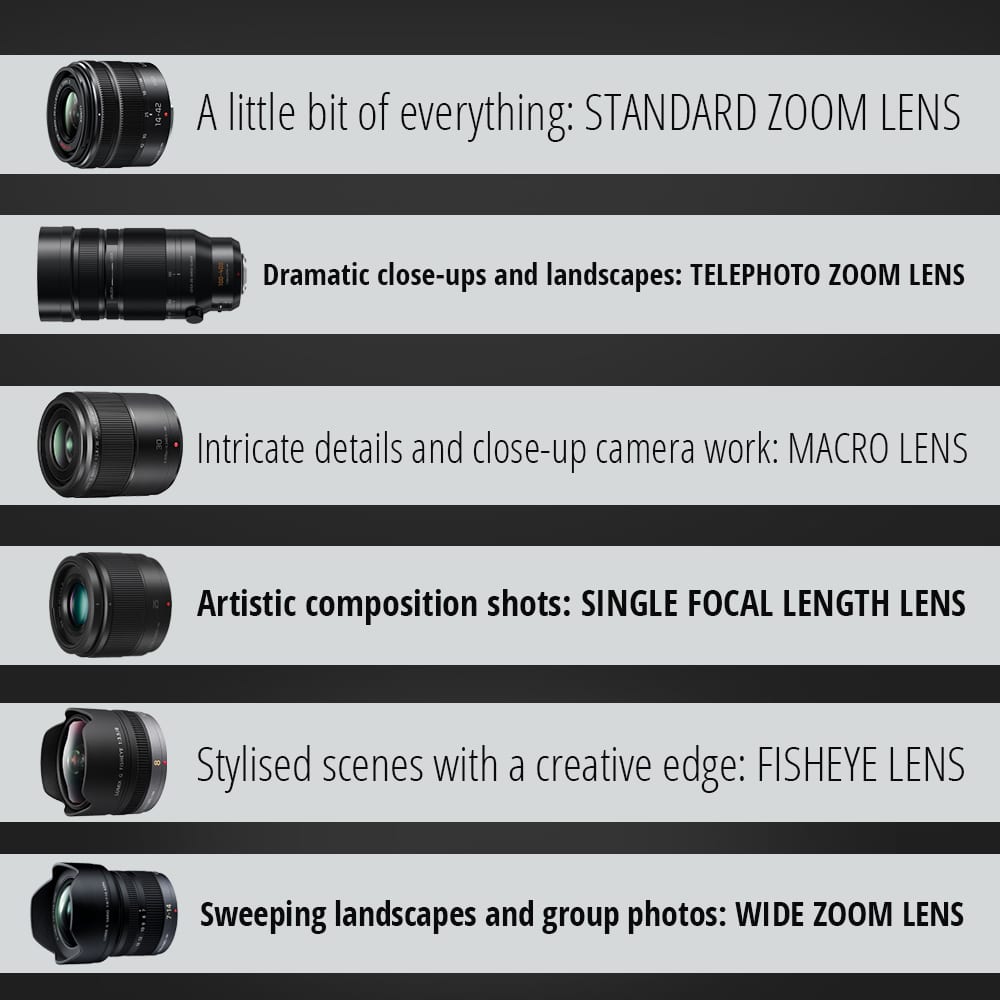
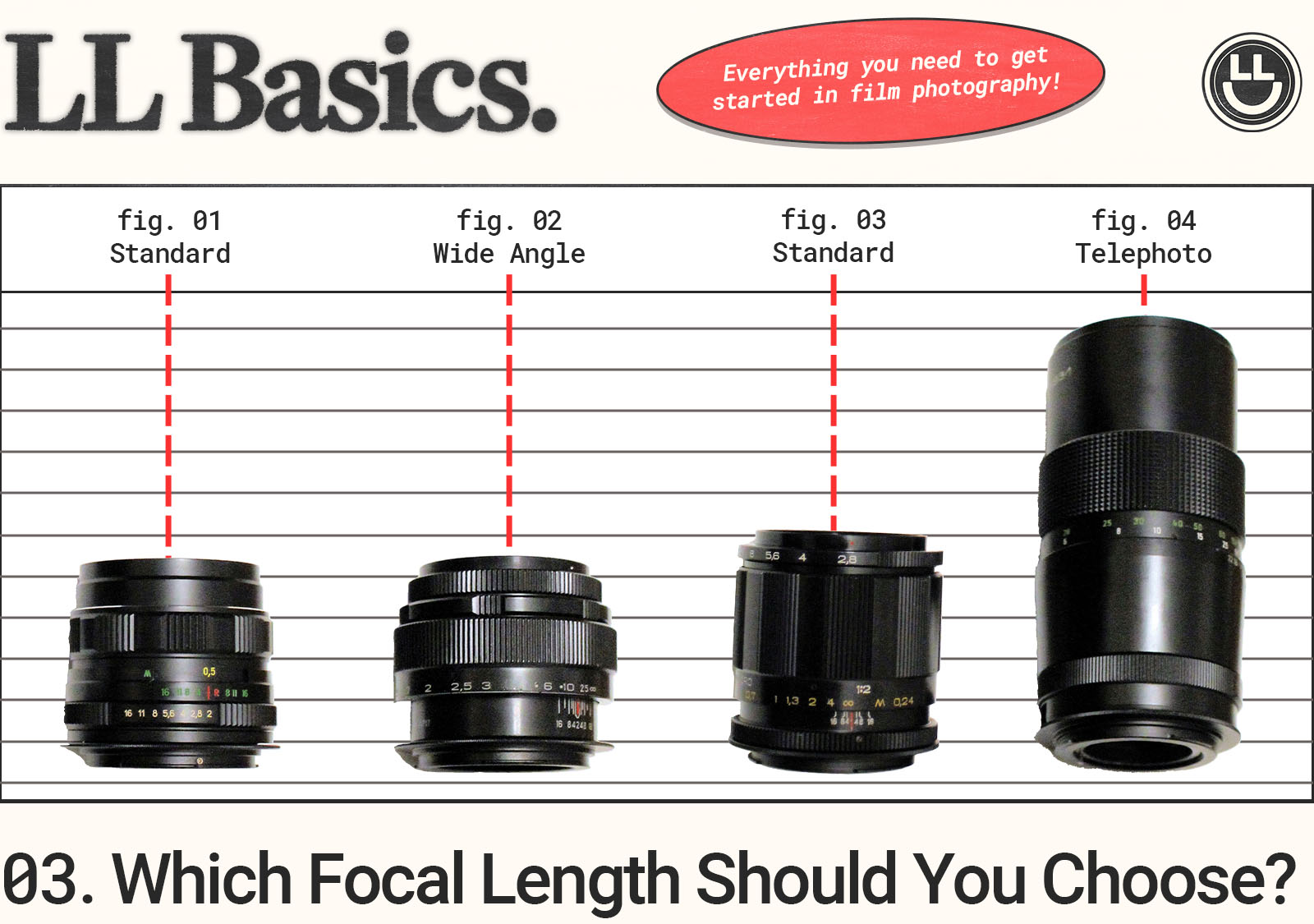
- 14–24mm: ultra wide, dramatic landscapes and architecture.
- 24–35mm: wide, environmental portraits and street work.
- 35–50mm: standard, versatile and natural view.
- 85–135mm: short telephoto, flattering portraits.
- 200mm+: long telephoto, wildlife and sports.
Aperture notes:
- Lower f-number (f/1.2–f/2.8) gives better low-light and shallow depth.
- Higher f-number (f/5.6–f/22) increases depth and is good for landscapes.

Match lenses to shooting style and how to choose camera lens by genre
Your shooting style decides much of the choice. When you know what you photograph most, you can narrow options fast.
Examples:
- Portraits: favor fast primes like 50mm or 85mm with wide aperture for creamy background blur.
- Landscapes: choose sharp wide to mid-range zooms with good corner performance.
- Street: light, compact 35mm or 50mm primes for speed and low profile.
- Sports and wildlife: longer telephoto zooms with fast autofocus and good stabilization.
- Macro: dedicated macro lenses with 1:1 magnification for close detail.
From my shoots, I keep a 35mm for run-and-gun days and an 85mm for paid portrait sessions. That mix covers most needs without a heavy bag.
Decide between prime and zoom when you choose camera lens
Choose prime or zoom based on flexibility and image quality needs. Both have clear pros and cons that affect cost and handling.
Prime lens advantages:
- Wider apertures for low light and shallow depth.
- Often sharper and lighter.
- Simpler mechanics can mean better longevity.
Zoom lens advantages:
- Versatility across ranges; fewer lens swaps.
- Good for travel and events.
- New zooms can be very sharp and fast.
Practical tip: If you’re starting, a 24–70mm zoom covers many situations. Once you know your style, add primes for specific needs.
Important lens specs and features to evaluate
When you learn how to choose camera lens, focus on these specs. They tell you how the lens performs where it matters most.
Key specs:
- Maximum aperture: affects light and background blur.
- Optical stabilization: helps handheld shooting at slower shutter speeds.
- Autofocus motor type: influences speed and noise.
- Weather sealing: useful if you shoot outdoors often.
- Image quality: sharpness, chromatic aberration, and bokeh quality.
Look at real-world reviews and sample images rather than just spec sheets. I once chose a lens for specs only and had to return it after testing images revealed heavy purple fringing.
Budgeting, used markets, and when to invest
Budget shapes choices. Decide what you need now and what you can upgrade later. Buying used is a smart way to get high-quality lenses on a tight budget.
Strategies:
- Prioritize lenses that will change your images the most, like a fast 50mm or a versatile 24–70mm.
- Buy used from reputable sellers and test for dust, fungus, and autofocus performance.
- Consider third-party lenses from trusted manufacturers if native options are too costly.
A rule I follow: spend most on the lens you use 70% of the time. That lens impacts your work more than any camera body.
Testing lenses: what to try before you buy
Testing helps you feel how to choose camera lens for your workflow. Spend time with a lens before committing if possible.
Test checklist:
- Focus speed and accuracy across distances.
- Sharpness center to edge at different apertures.
- Bokeh quality and rendering of highlights.
- Stabilization effectiveness if present.
- Comfort, weight, and handling during long shoots.
Try real shooting conditions. I test lenses on a walk and at a quick portrait session. That shows image and handling issues you won’t find in a spec table.

Maintenance, storage, and long-term value
Good care extends lens life and keeps resale value. Knowing maintenance helps you choose camera lens with confidence about long-term costs.
Care tips:
- Keep caps on when not in use and store in a dry place with silica packs.
- Clean front elements with a blower, brush, and microfiber cloth.
- Service lenses with mechanical problems rather than forcing fixes.
- Photograph serial numbers and keep receipts for resale or insurance.
I sold one lens after a decade of use with minimal cleaning and got a fair price because I kept service records and boxes.
How to choose camera lens: quick decision checklist
Use this checklist to pick a lens quickly and wisely. Keep it on your phone when shopping.
Checklist:
- What genre do I shoot most often?
- What is my camera mount and sensor size?
- Do I need low-light aperture or range flexibility?
- What’s my comfortable weight and budget?
- Can I test it or buy used with a return policy?
Follow these steps and your choice becomes much clearer.
Frequently Asked Questions of how to choose camera lens
What focal length should I choose for portraits?
Choose 85mm to 135mm on a full-frame camera for flattering compression and pleasing subject isolation. On crop sensors, multiply the crop factor to find the equivalent range.
Is a fast aperture always better?
A fast aperture helps in low light and creates creamy backgrounds, but it costs more and can be heavy. For many uses, a mid-range aperture offers sharpness and depth control at a lower price.
Can I use full-frame lenses on APS-C cameras?
Yes, full-frame lenses work on APS-C bodies, but the field of view becomes narrower due to the crop factor. This can be useful if you want extra reach from the same lens.
Should I buy prime lenses first or zooms?
Start with a versatile zoom, like a 24–70mm, if you need flexibility. Choose primes later for specific strengths like low-light performance and ultimate sharpness.
How do I choose camera lens for travel photography?
Pick light, versatile lenses such as a wide-to-standard zoom and a compact prime. Prioritize weight, focal range, and image stabilization for handheld travel shots.
Conclusion
Picking the right lens means matching focal length, aperture, mount, and real-world needs. Use the steps here to evaluate gear, test lenses, and avoid common mistakes. Try a shortlist, test in the field, and buy what serves your vision and workflow.
Take action today: make your shortlist, test one lens this week, or post questions about your setup in the comments. Your next lens should make your photos noticeably better and your shooting more enjoyable.

Everett Ashford is a tech reviewer at mytechgrid.com specializing in SSDs, cameras, TVs, earbuds, headphones, and other consumer electronics. He provides honest, data-driven reviews based on hands-on testing and real-world performance analysis. Everett simplifies complex tech details to help readers make smart, confident buying decisions.