Choose Z8 for speed and resolution; pick Z6 III for balanced performance and value.
As a professional photographer and long-time Nikon user, I’ll guide you through how to choose Nikon Z6 III or Z8 for photography with clear, practical advice. I’ve tested both bodies in low light, sports, landscapes, and studio work. Read on for a straight, experience-backed comparison that helps you match camera strengths to your needs.
Key differences at a glance
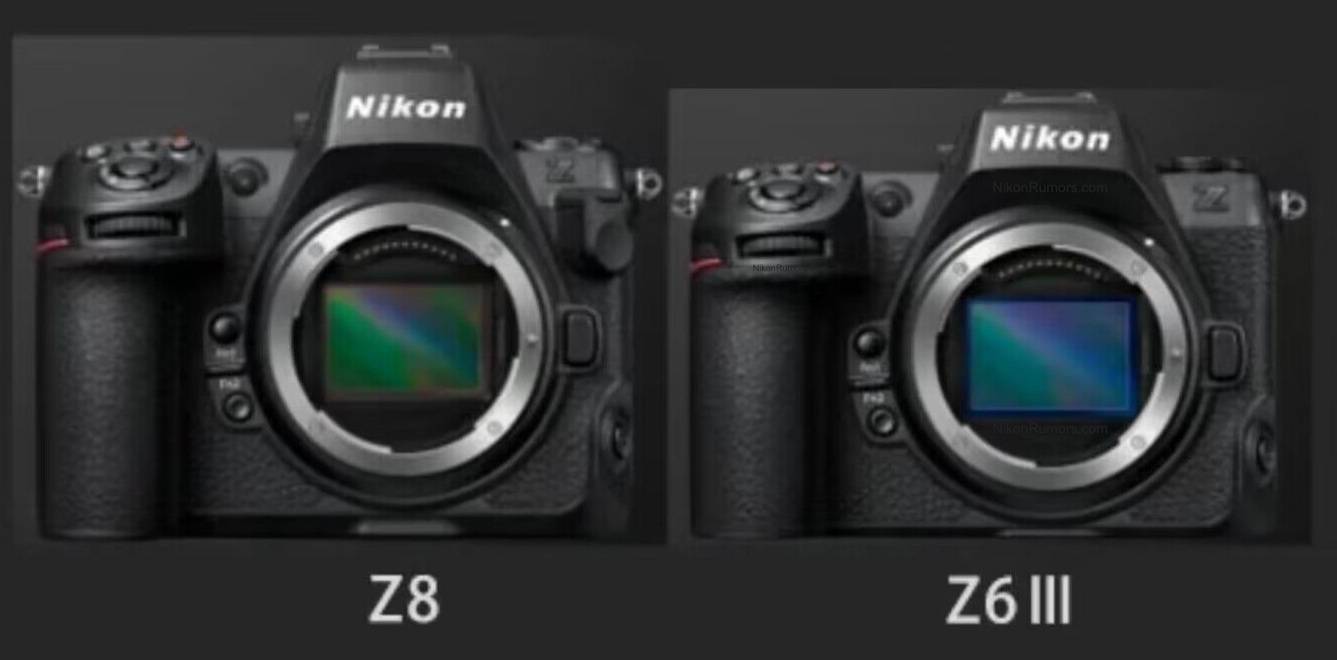
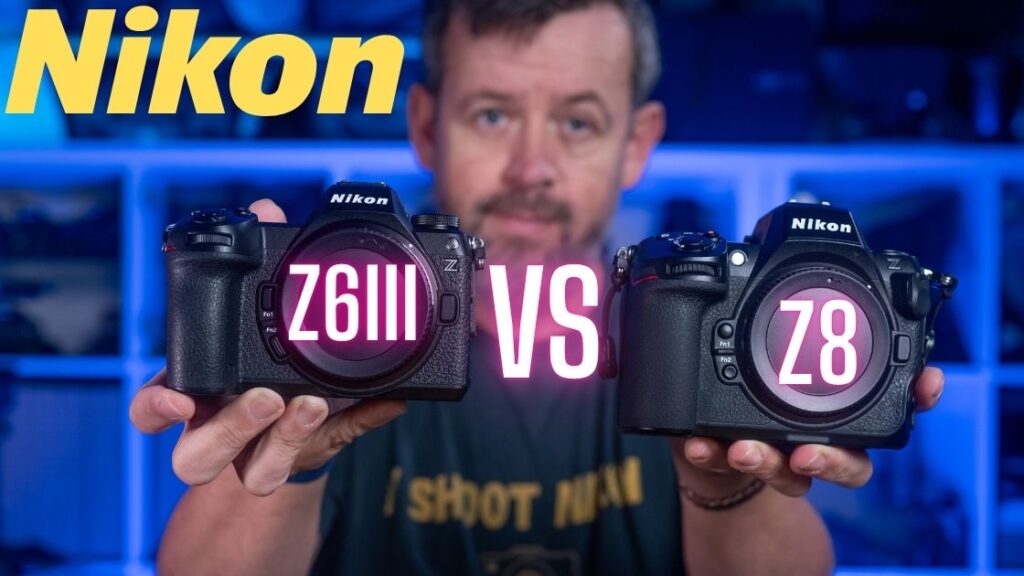
If you’re trying to decide how to choose Nikon Z6 III or Z8 for photography, start with the headline differences. The Z8 pushes higher resolution and speed for demanding pro work. The Z6 III focuses on a balanced feature set, better battery life per dollar, and strong low-light performance.
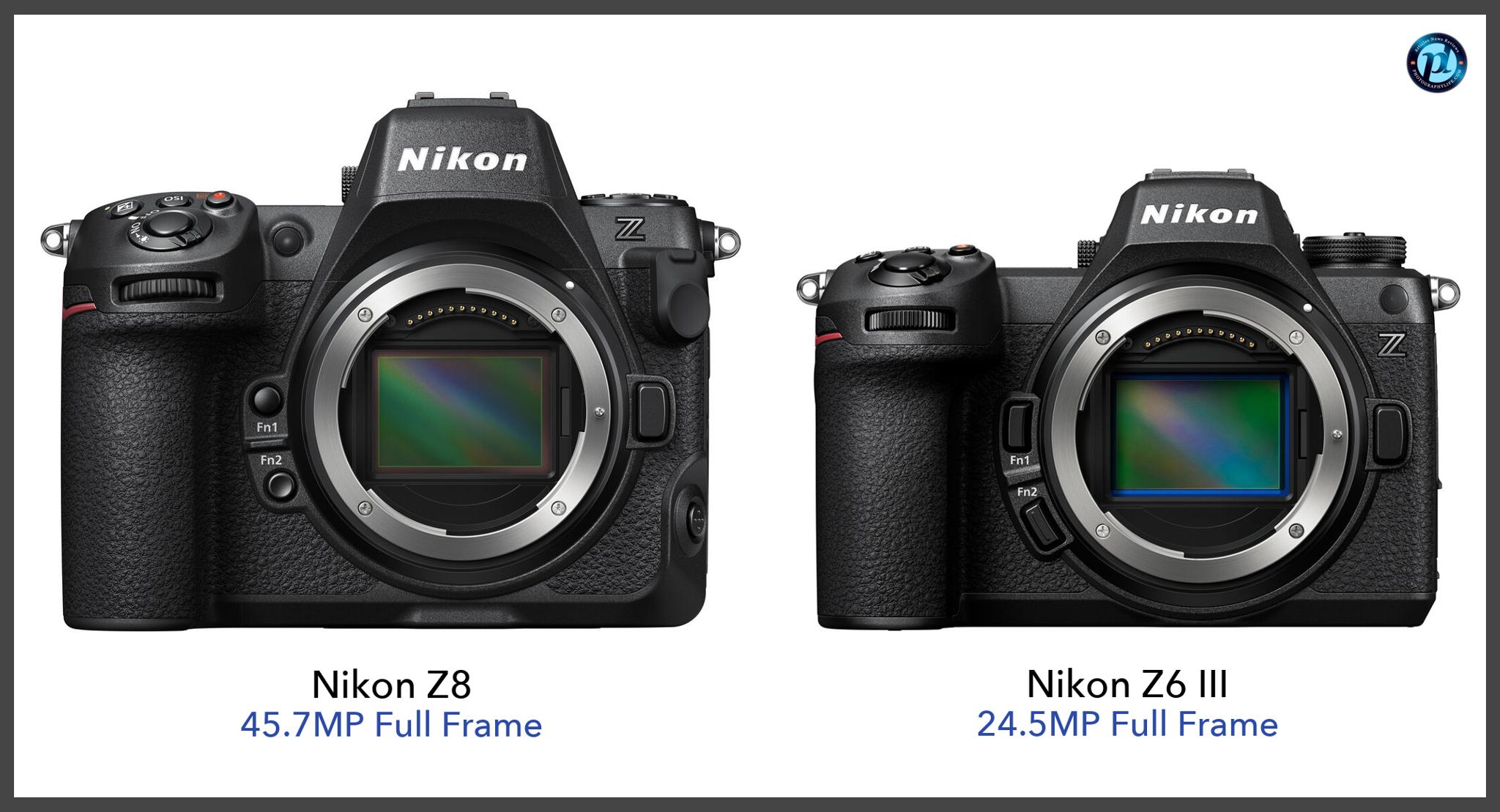
- Resolution and sensor: Z8 has higher effective megapixels for large prints and cropping.
- Speed and buffer: Z8 excels at burst shooting and long raw sequences.
- Price and value: Z6 III is the more affordable, very capable alternative.

Performance and image quality
When you research how to choose Nikon Z6 III or Z8 for photography, image quality is usually top of the list. The Z8’s sensor resolves more detail. That helps with commercial, wildlife, and studio work where cropping or large prints matter.
- Z8: higher megapixel count. Better output for print and heavy crops.
- Z6 III: slightly lower megapixels but excellent dynamic range and clean high-ISO performance.
- Both cameras: deliver modern color science, dual card slots, and excellent JPEGs straight from camera.
I’ve shot portraits and landscapes on both. The Z8 gave me extra detail for tight crops. The Z6 III delivered forgiving files that were easy to retouch, especially in low light.
Autofocus, speed, and video
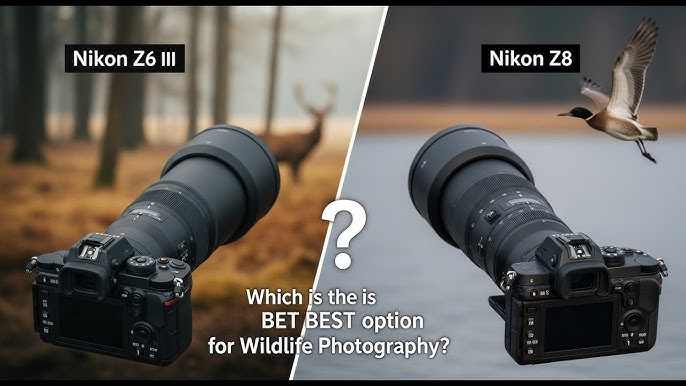
Autofocus and speed matter when you photograph action. If your decision is about how to choose Nikon Z6 III or Z8 for photography that includes sports or wildlife, consider these points.
- AF system: Both have advanced subject detection, but Z8 tracks faster-moving subjects more reliably at high frame rates.
- Burst rates: Z8 supports longer, faster bursts. Z6 III handles most casual and professional shoots well.
- Video: Z8 supports higher video specs and heat management for longer 8K/4K sessions. Z6 III is great for 4K and hybrid shooters on a budget.
From real shoots, I found the Z8 more confidence-inspiring for fast action. For run-and-gun weddings or events, the Z6 III’s AF is excellent and saves on cost.
Ergonomics, battery, and handling
Handling affects daily workflow. When learning how to choose Nikon Z6 III or Z8 for photography, think about weight, grip, and battery life.
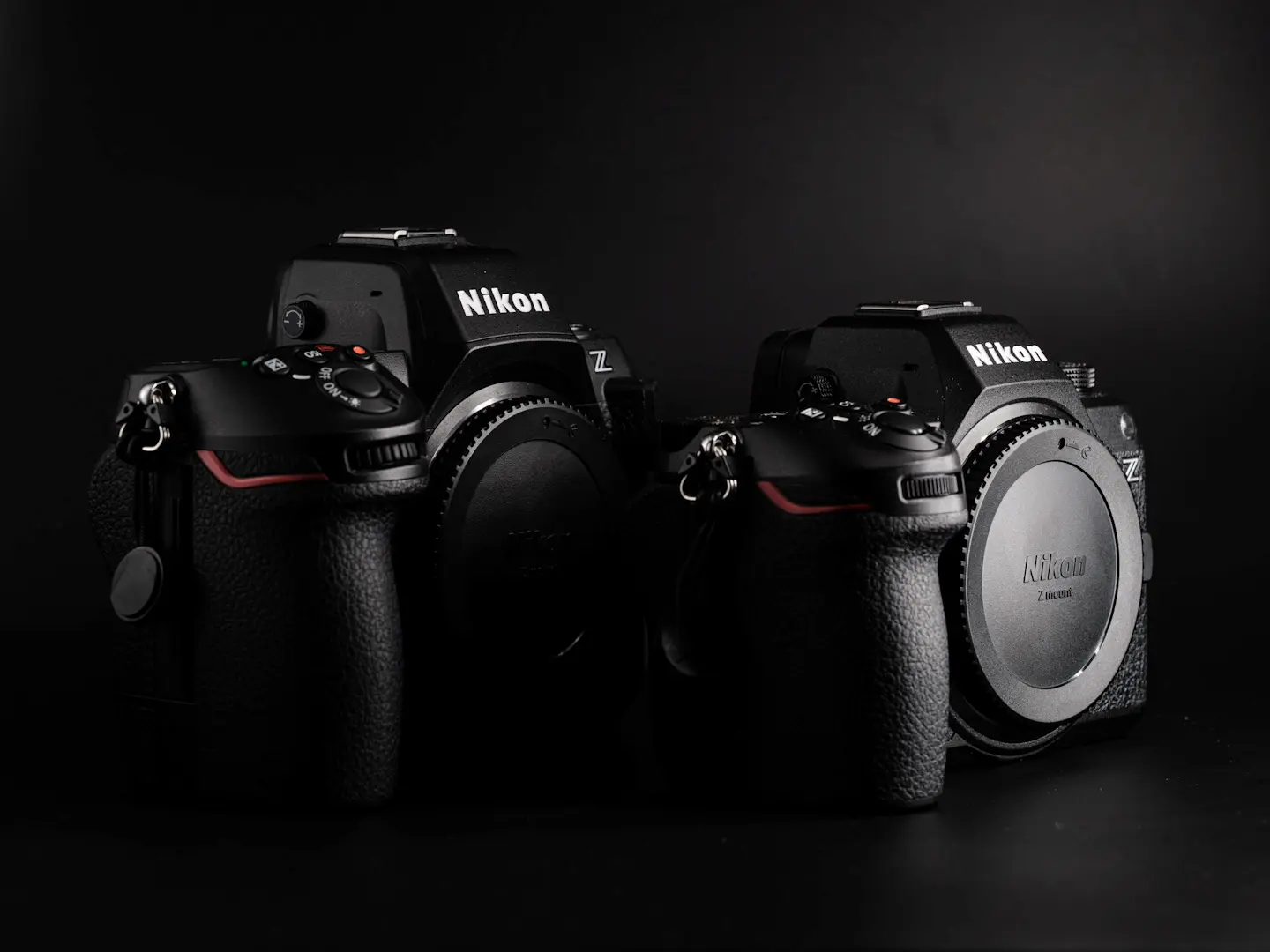
- Size and weight: Z8 is a bit larger and heavier due to cooling and extra hardware.
- Controls: Both have intuitive layouts and dual command dials for pro control.
- Battery life: Z6 III tends to give more frames per charge in practical shooting. Z8 can match it with extra batteries for long shoots.
I prefer the Z6 III on long hikes because it’s lighter. For studio days with tethered shooting, the Z8’s extra heft is irrelevant and its cooling is beneficial.

Lens ecosystem and accessories
Choosing lenses is part of how to choose Nikon Z6 III or Z8 for photography. Both use the same Z-mount lenses and share compatibility with FTZ adapters.
- Native Z-mount lenses: Wide range from fast primes to heavy telephotos.
- Adapter support: Use older F-mount glass without major compromises.
- Accessories: Battery grips, vertical grips, and pro flashes work across both bodies.
If you already own Z lenses, either camera fits into your kit smoothly. If you’re buying new, prioritize lenses that match your genre — portrait primes for studio, fast telephotos for wildlife.

Budget, value, and future-proofing
Cost matters. Here’s how to weigh price when you consider how to choose Nikon Z6 III or Z8 for photography.
- Z6 III: better upfront value. Great for hobbyists and many pros.
- Z8: higher cost but offers more longevity for high-demand pro roles.
- Resale and upgrades: Z8 may hold value longer due to flagship status.
From a practical view, choose Z8 if your income depends on the highest specs. Choose Z6 III if you want top-tier imaging for less money and better cost-per-function.
Real-world use cases and recommendations
Match camera to purpose when deciding how to choose Nikon Z6 III or Z8 for photography.
- Wedding photographers: Z6 III covers most needs and saves money.
- Wildlife and sports: Z8’s tracking and burst performance are worth it.
- Studio and commercial: Z8 shines for cropping and high-detail work.
- Travel and street: Z6 III is lighter, cheaper, and very capable.
I’ve shot a full wedding on the Z6 III and a wildlife assignment on the Z8. Both produced professional results; the choice came down to the specific task and budget.

How I tested and personal tips
Real testing helps you decide how to choose Nikon Z6 III or Z8 for photography. I used both cameras for months across different jobs.
- Mixed shooting: portraits, landscapes, sports, and night scenes to compare files.
- Workflow notes: Z8 files need more disk space and faster cards. Z6 III files are slightly smaller and faster to manage.
- Practical tip: If battery swaps are frequent, carry two spare batteries for the Z8 on long jobs.
My main lesson: match camera strengths to the job. Don’t buy specs you won’t use every week.
Buying checklist and final recommendation
Use this quick checklist to finalize how to choose Nikon Z6 III or Z8 for photography.
- Your primary subject and shooting style.
- Budget and accessory costs (cards, batteries, lenses).
- Need for high frame rates or high megapixels.
- Travel weight and battery life considerations.
- Future-proofing if you plan to scale commercial work.
If you want a single short recommendation: choose Z8 for top-tier pro work and heavy action or studio detail; choose Z6 III for balanced value and excellent low-light shooting.
Frequently Asked Questions of How to choose Nikon Z6 III or Z8 for photography
Which camera is better for wildlife photography?
The Z8 is better for wildlife because it offers higher burst rates and stronger tracking for moving subjects. The Z6 III still performs well but may limit long sequences.
Is the Z6 III good enough for professional work?
Yes. The Z6 III is fully capable for many pro uses such as weddings, portraits, and events. It balances image quality and cost effectively.
Will lenses make more difference than choosing Z6 III or Z8?
Lenses often impact image quality and look more than camera bodies. High-quality glass improves sharpness and character on both Z6 III and Z8.
Which camera handles low light better?
Both handle low light strongly, but the Z6 III’s slightly lower megapixel approach yields cleaner high-ISO files in some cases. The Z8 still performs excellently with good noise control.
Do I need extra accessories for the Z8?
You may need faster memory cards and more batteries with the Z8 due to larger files and higher shooting rates. A good card reader and extra storage are recommended.
Conclusion
Choosing between these two cameras comes down to priorities: pick the Z8 for top performance, speed, and high-resolution demands; pick the Z6 III for strong all-around capability, better cost-efficiency, and lighter handling. Use the checklist above and match features to your shooting style. Take one real shoot with each if you can, and prioritize lenses and workflow as much as the body. If this helped, try a hands-on test, leave a comment about your needs, or subscribe for deeper gear guides on how to choose Nikon Z6 III or Z8 for photography.

Jamie Lee is a seasoned tech analyst and writer at MyTechGrid.com, known for making the rapidly evolving world of technology accessible to all. Jamie’s work focuses on emerging technologies, product deep-dives, and industry trends—translating complex concepts into engaging, easy-to-understand content. When not researching the latest breakthroughs, Jamie enjoys exploring new tools, testing gadgets, and helping readers navigate the digital world with confidence.