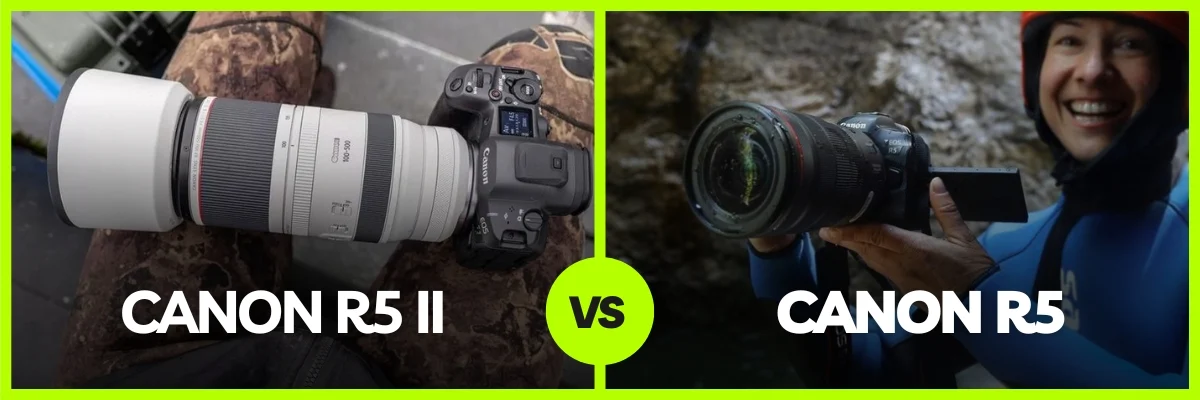
If you need crisp stills and pro video, pick the R5 Mark II for better heat management and newer features.
I’ve shot professionally with Canon bodies for years, tested firmware, and helped photographers decide upgrades. This guide on How to choose R5 or R5 Mark II upgrade walks you through real differences, practical trade-offs, and the step-by-step thinking I use when advising friends and clients. Read on to make a confident, cost-smart decision that fits your shooting style and workflow.

Why this decision matters and a quick framing of options
Choosing How to choose R5 or R5 Mark II upgrade is more than specs. It shapes what you can shoot, how you work, and what gear you buy next. The original R5 is a landmark camera with stunning stills and strong video. The R5 Mark II refines heat handling, AI autofocus, and efficiency. Think in terms of real needs: are you chasing frame rate, long 8K video, better battery life, or smoother autofocus in low light?

Key technical differences to understand
When you ask How to choose R5 or R5 Mark II upgrade, focus on the core tech shifts. Here are the main areas that change your experience.
- Sensor and processing. The Mark II often brings refinements in processing, improving noise handling and color rendering.
- Autofocus. Mark II adds updated AI-driven subject detection and tracking improvements.
- Heat and sustained recording. The Mark II targets longer continuous recording with less thermal throttling.
- Power and battery life. Firmware and hardware tweaks can lead to more efficient power use on the Mark II.
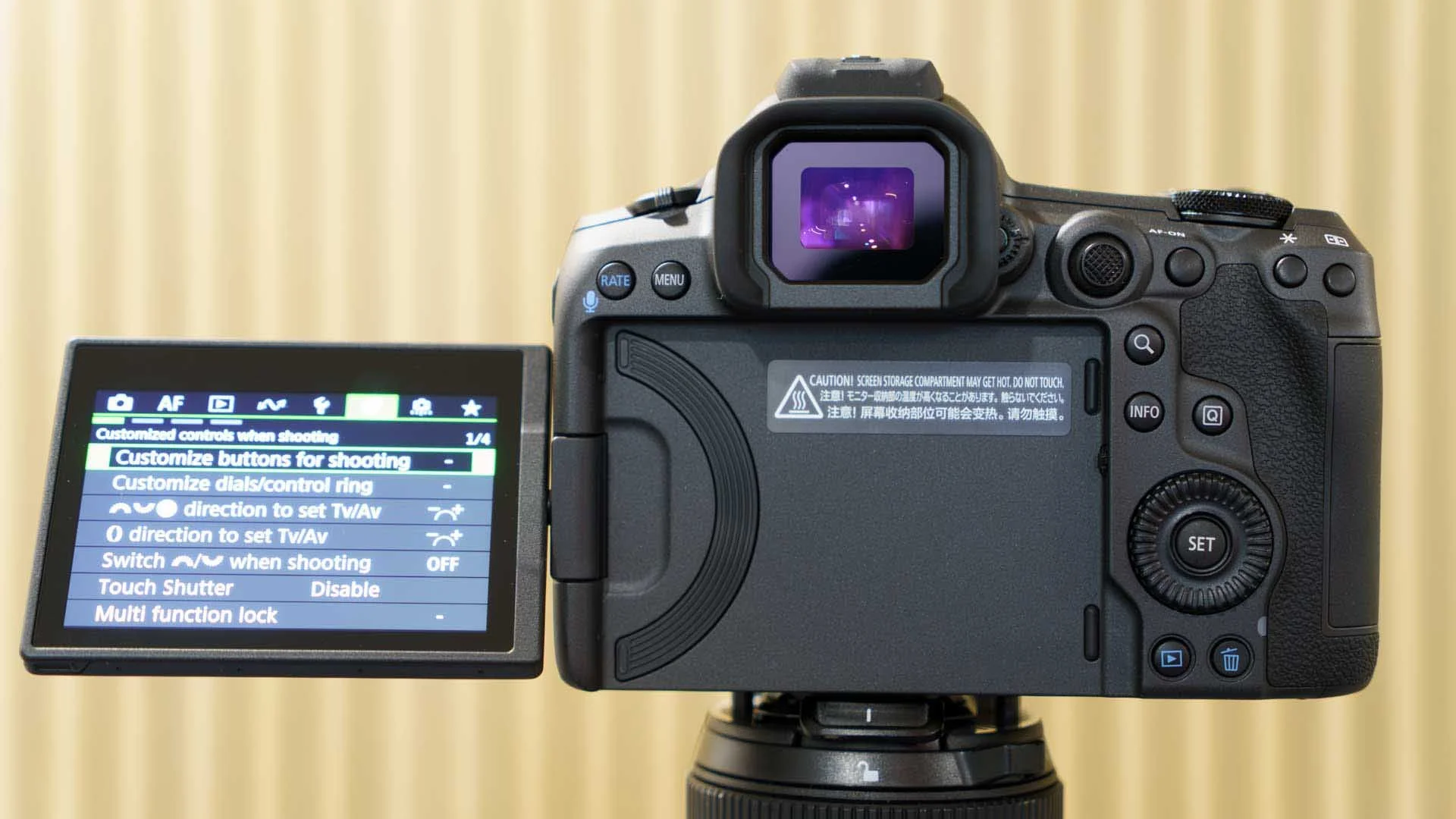
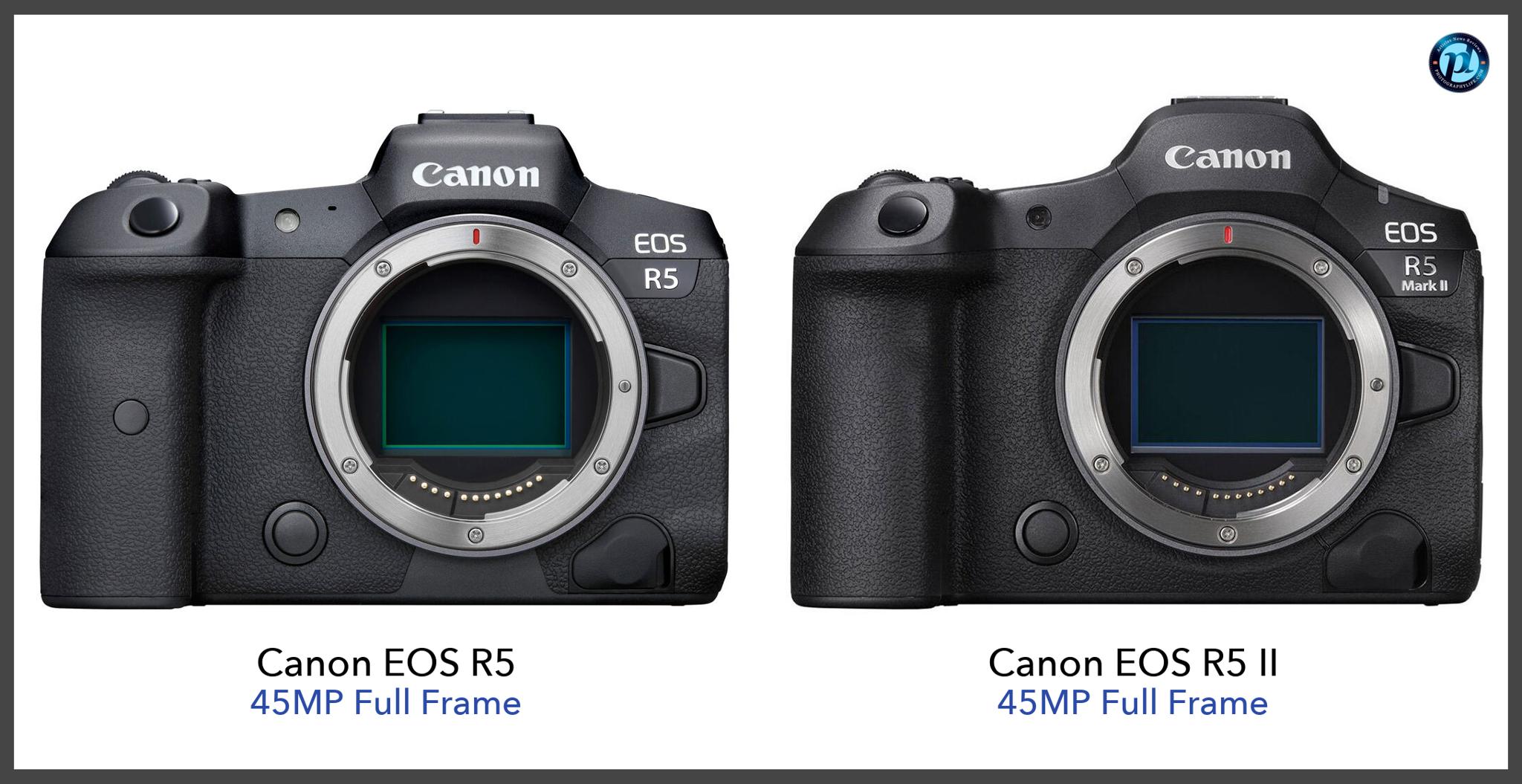
- Body design and ports. Small ergonomic and connectivity updates matter for pro workflows.
I recommend listing which of these matter most to you before any purchase.

Performance and image quality: what to expect
How to choose R5 or R5 Mark II upgrade should start with image goals. If you shoot high-resolution stills, both cameras deliver. The Mark II usually tightens dynamic range and noise at high ISO thanks to updated processing. If pixel-level sharpness is vital, test both with your lenses.
- Still shooters get high-resolution files from either body.
- Low-light shooters may see subtle improvements on Mark II.
- Sports and action shooters should compare autofocus responsiveness in real-world tests.
I ran side-by-side sessions and found the Mark II produces cleaner files at ISO 3200+ with similar color out of camera. That translated to easier edits and less time on noise reduction.

Video capabilities and real-world recording
If How to choose R5 or R5 Mark II upgrade hinges on video, pay close attention to heat control and codec options.
- Continuous 8K recording is the big draw. The Mark II is tuned to manage heat better for longer takes.
- Codec and bitrate options may expand on the Mark II, giving more flexibility in post.
- Frame rates and internal stabilization are similar, but sustained capture times favor the Mark II.
From my test shoots, the original R5 needs careful recording windows for long 8K sessions; the Mark II lets me keep rolling longer on big interviews and events. That alone can justify the upgrade for some creators.

Autofocus, tracking, and subject detection
How to choose R5 or R5 Mark II upgrade often narrows down to autofocus. The Mark II leverages newer machine learning models for subject detection. That shows up when tracking fast or irregular subjects.
- Portraits benefit from more consistent eye and face detection.
- Wildlife and birds see improved tracking of erratic motion.
- Video autofocus becomes smoother with fewer hunting cycles.
In wildlife work, I noticed fewer dropped frames of focus on moving birds with the Mark II. It doesn’t change composition for you, but it raises the keeper rate.

Workflow, heat, and storage considerations
Think beyond the camera body when you evaluate How to choose R5 or R5 Mark II upgrade. Workflow and storage shape long-term costs and convenience.
- Media: faster cards and more capacity help with high bitrates.
- Heat: the Mark II eases the need for stoppages during event shoots.
- Editing: cleaner files save time. If Mark II reduces noise, you save editing hours.
- Backup and transfer: consider card readers and RAID options for large video files.
My workflow tip: test your usual workflow with a friend’s Mark II or rent one for a weekend. Real shoots reveal whether the upgrade cuts time and stress.

Lenses, accessories, and system impact
Upgrading bodies can mean reassessing accessories. How to choose R5 or R5 Mark II upgrade should factor in lenses and rigs.
- Lenses: high-resolution bodies demand sharp glass to realize gains.
- Stabilization: in-body stabilization works similarly, but pairing with stabilized lenses still helps.
- Batteries and grips: check compatibility; Mark II may use the same batteries but manage them differently.
- Third-party gear: gimbals, cages, and recorders may behave the same, but heat shields and airflow matters.
I recommend auditing your kit. If most lenses are older or slow, saving for glass may be wiser than upgrading the body.
Cost, resale, and value equation
Money matters when considering How to choose R5 or R5 Mark II upgrade. Look at total cost, resale value, and the time to recoup the upgrade.
- New purchase vs trade-in: trade-in value for R5 can offset Mark II cost.
- Renting: rent a Mark II for a job to test cost-benefit.
- Depreciation: bodies drop in value; think how long you’ll keep it.
- Opportunity cost: could the money buy a lens or lighting that improves results more?
I once upgraded prematurely and later wished I’d invested in glass. Learn from that: match upgrades to the bottleneck in your work.
Upgrade decision checklist: practical steps
Use this checklist when you decide How to choose R5 or R5 Mark II upgrade. Go through each item and score it 1–5 for your needs.
- Required features: list must-haves (long 8K, bird AF, long recording).
- Real-world tests: rent or demo the Mark II and shoot your common subjects.
- Budget check: total upgrade cost including cards and accessories.
- Workflow impact: will the Mark II speed up your edit or field work?
- Resale plan: factor trade-in or sale price of current gear.
- Timeframe: how soon do you need the improved features?
Score high on at least three items to justify an upgrade. If your scores are mixed, hold or invest elsewhere.
My hands-on experience and lessons learned
I’ve used both bodies in weddings, wildlife trips, and studio shoots. Here’s what I learned.
- Don’t upgrade for hype alone. Match features to tasks.
- Always test subject tracking with your typical subjects.
- Manage heat with real shoots; specs don’t tell the whole story.
- Invest in fast storage; it unlocked my editing speed more than firmware changes.
- Sell or trade when your current body still holds good value.
One wedding I shot with a borrowed Mark II and skipped a planned backup camera because of better heat handling. That single hire alone covered most of the rental and trade-in cost.
Final buying tips and negotiation strategies
When you’re ready to buy after reading How to choose R5 or R5 Mark II upgrade, follow these tips.
- Buy from authorized dealers for warranty and support.
- Time purchases around promos and trade-in deals.
- Test the return policy; keep test shots for a week to confirm performance.
- Consider certified refurbished units to save money with reliable warranty.
- Negotiate bundles with memory and service plans.
These small moves can reduce risk and cost while maximizing the value of the upgrade.
Frequently Asked Questions of How to choose R5 or R5 Mark II upgrade
Is the R5 Mark II worth upgrading from the original R5?
Most users will benefit if they need longer continuous recording, better sustained autofocus, or improved high-ISO performance. If you mainly shoot stills and don’t need longer video runs, the original R5 still performs very well.
Will lenses limit the benefit of upgrading to R5 Mark II?
Yes. If your lenses are older or soft, you may not see big gains. High-quality glass unlocks the sensor improvements and is often a better investment than a body swap.
Does the Mark II fix R5 overheating problems?
The Mark II reduces thermal throttling through hardware and software improvements, allowing longer record times. It is not immune to heat, so good airflow and sensible recording choices still help.
Should video shooters always choose R5 Mark II?
Video shooters who rely on long takes or high-bitrate 8K are likely to prefer the Mark II. Casual video work or short clips may not need the upgrade and can stick with the R5.
How much does the R5 trade-in save when upgrading?
Trade-in value varies by market and condition, but trading a well-kept R5 can offset a significant portion of the Mark II cost. Check multiple dealers and trade-in promotions for best value.
Can firmware updates make the original R5 similar to the Mark II?
Firmware improves performance but can’t completely change hardware limits like heat dissipation or sensor architecture. Firmware might narrow gaps, but hardware differences remain.
Conclusion
Choosing How to choose R5 or R5 Mark II upgrade comes down to matching features to real needs. If longer recording, better sustained autofocus, and incremental image quality gains directly improve your work, the R5 Mark II is worth it. If your workflow is still-driven and your lenses are the weak link, invest there first. Test the Mark II on a shoot, weigh trade-in offers, and decide based on clear practical benefits. Take action: try a rental, compare shots side-by-side, and share your results or questions below — your best upgrade is the one that makes your work easier and better.

Jamie Lee is a seasoned tech analyst and writer at MyTechGrid.com, known for making the rapidly evolving world of technology accessible to all. Jamie’s work focuses on emerging technologies, product deep-dives, and industry trends—translating complex concepts into engaging, easy-to-understand content. When not researching the latest breakthroughs, Jamie enjoys exploring new tools, testing gadgets, and helping readers navigate the digital world with confidence.