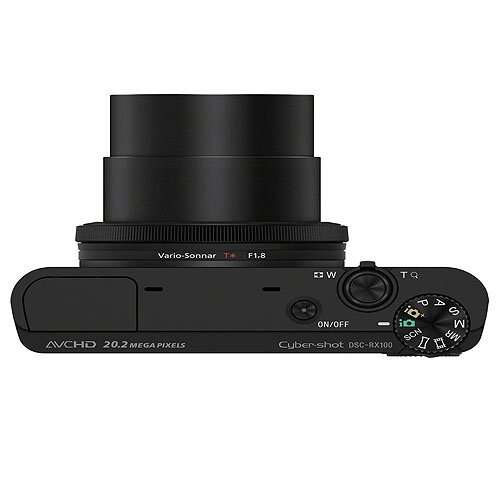
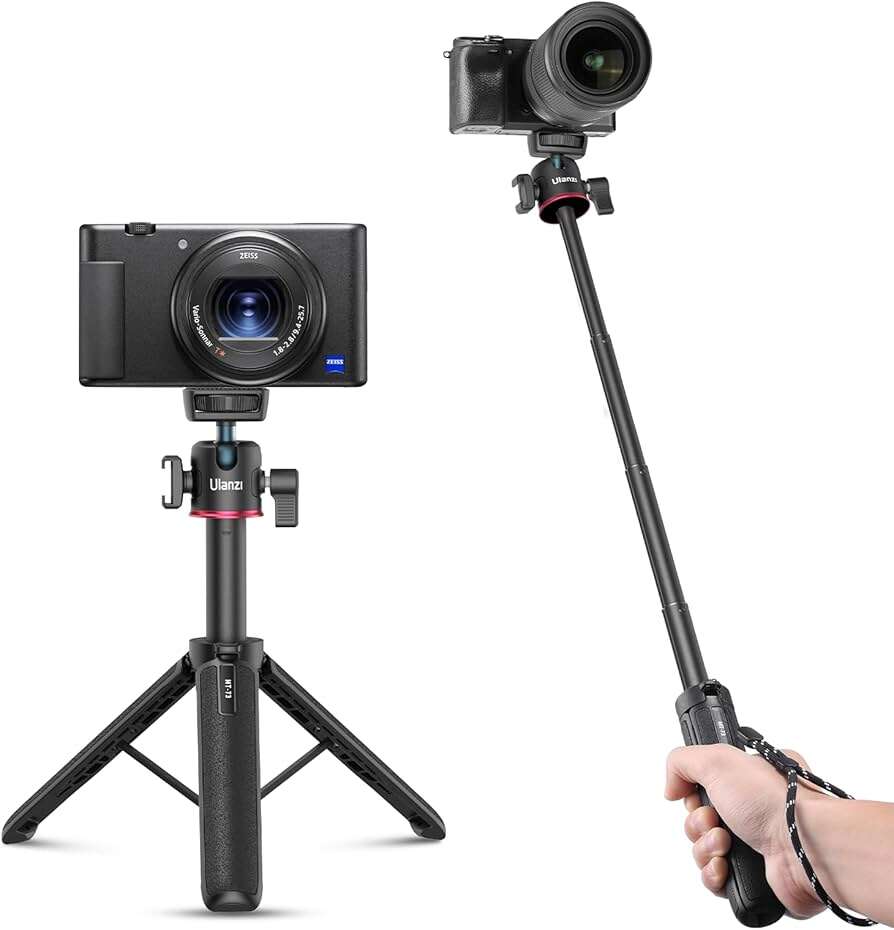
Choose the RX100 VII for speed and autofocus, or the G7X Mark III for budget and selfie-friendly shooting.
I’ve spent years testing compact cameras for daily vlogs, reviewing both specs and real shoots. This guide breaks down exactly how to choose RX100 VII or G7X Mark III for vlogs. I’ll show strengths, real-world trade-offs, and a clear checklist so you pick the right pocket camera for your style and budget.
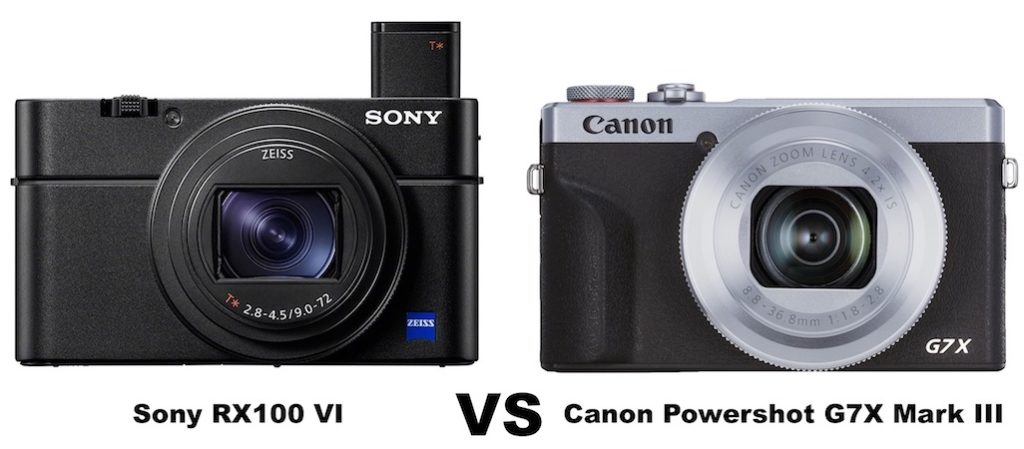
Why these two cameras matter for vlogging
Both the RX100 VII and the G7X Mark III are compact, pocketable, and purpose-built for creators who need great image quality without bulky gear. They balance size, image output, and features like flip-up screens, mic support (via adapters), and strong autofocus. For many vloggers, choosing between RX100 VII or G7X Mark III is the single biggest decision when moving from a phone to a dedicated compact camera.
I’ve used both on travel trips, street interviews, and daily sit-downs. Each has clear advantages depending on shooting style, budget, and priorities. Read on to match the camera to your needs.

Key specs compared: what really matters
Below are the specs that will change your vlog outcomes. I focus on what you’ll notice while shooting.
-
Sensor and image quality
- Both cameras use 1-inch sensors. The RX100 VII often delivers a touch cleaner image in low light thanks to better processing.
- If you shoot indoors in dim rooms, RX100 VII usually holds detail better.
- RX100 VII or G7X Mark III for vlogs: both are far better than phones for depth and dynamic range.
-
Lens and zoom range
- RX100 VII: 24–200mm equivalent. Great reach for varied scenes and B-roll.
- G7X Mark III: 24–100mm equivalent. Wider aperture at certain focal lengths helps in low light.
- If you need telephoto shots and one-handed framing, the RX100 VII wins.
-
Autofocus and tracking
- RX100 VII uses advanced phase-detect AF with fast subject tracking.
- G7X Mark III has good contrast AF but lags behind subject tracking in fast moves.
- For run-and-gun vlogging, RX100 VII or G7X Mark III for vlogs — RX100 VII is far more reliable.
-
Video features
- Both record 4K with no heavy crop. RX100 VII offers more stable autofocus during 4K.
- G7X Mark III supports vertical video and live streaming via USB, which some creators prefer.
- If live streams or vertical content is key, G7X Mark III can be more convenient.
-
Stabilization
- RX100 VII has solid electronic and optical combined stabilization for smoother handheld footage.
- G7X Mark III stabilizes well but not as strongly in longer focal lengths.
- For walking vlogs, RX100 VII or G7X Mark III for vlogs — RX100 VII tends to look steadier.
-
Audio and ports
- Neither has a built-in 3.5mm mic jack. You’ll need an adapter or external recorder.
- G7X Mark III offers easy live streaming via USB; RX100 VII emphasizes onboard performance.
- Plan on audio accessories regardless of your pick.
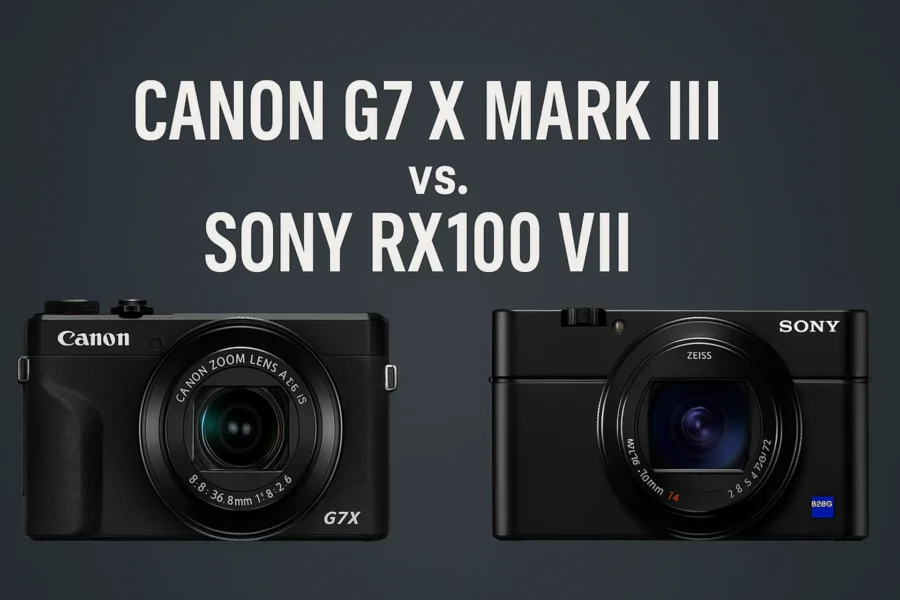
Real-world vlogging scenarios: pick by shooting style
Think about how you shoot. Below are common styles and which camera fits best.
-
Travel and street vlogs
- I used RX100 VII for a week of city shoots. The longer zoom was great for distant subjects.
- For quick handheld shots and low-light cafes, RX100 VII performs better.
- RX100 VII or G7X Mark III for vlogs — RX100 VII is the top pick for variety.
-
Daily talking-heads and desk vlogs
- G7X Mark III is easier on a small tripod and offers a warmer look straight from camera.
- If you want vertical shorts for social platforms, G7X Mark III’s convenience is a plus.
- For long desk sessions where autofocus tracking is less important, G7X Mark III feels simpler.
-
Action and run-and-gun
- Fast autofocus and strong stabilization matter most. RX100 VII handles moving subjects and quick reframing better.
- If you vlog sports or chase scenes, RX100 VII reduces retakes.
- RX100 VII or G7X Mark III for vlogs — RX100 VII excels here.
-
Live streaming and mobile-first creators
- G7X Mark III supports live streaming via USB without complicated capture cards.
- If you stream to social apps frequently, G7X Mark III can be faster to set up.
- For creators who stream occasionally, both work with extra gear.
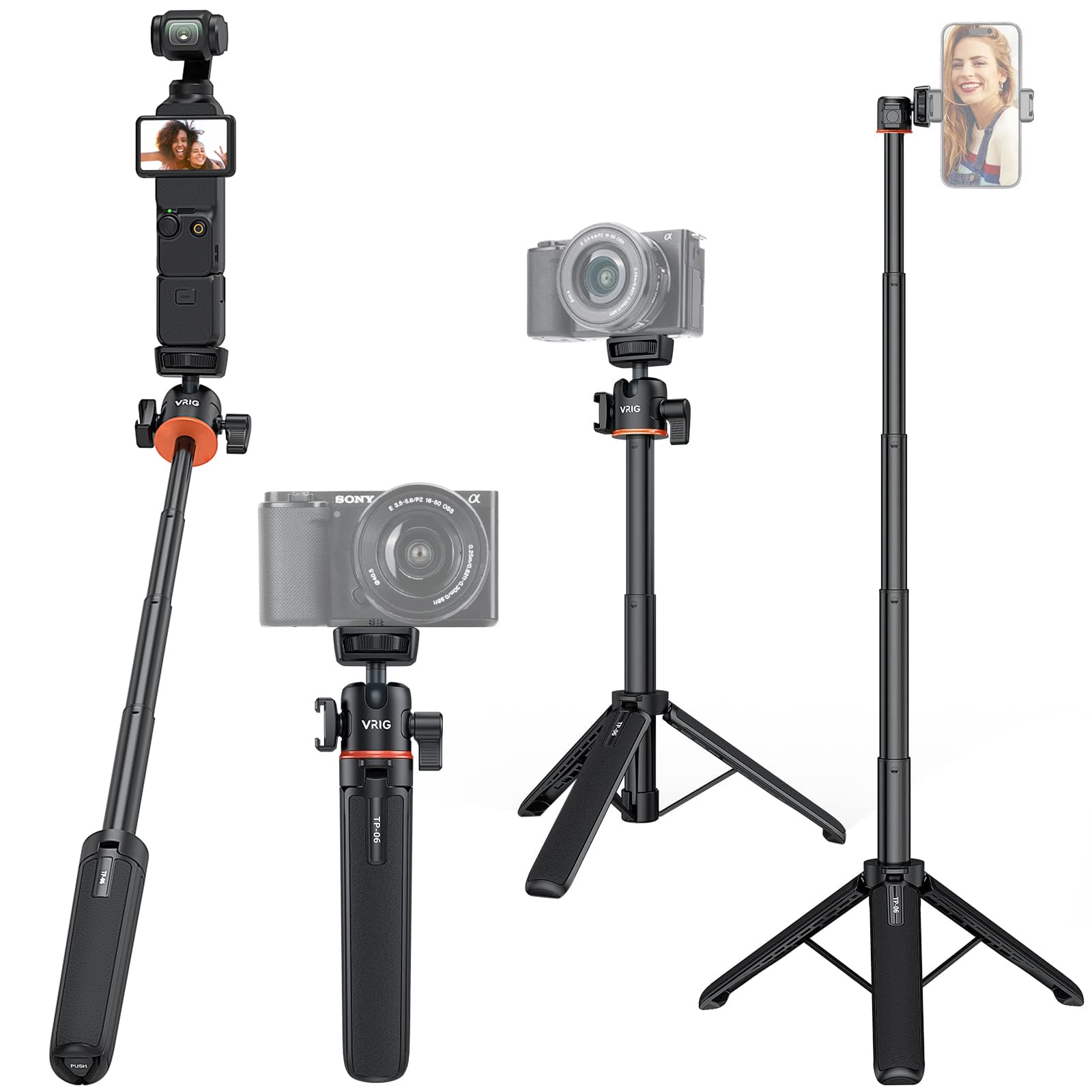
Audio, stabilization, and essential accessories
Camera choice is only part of the vlogging equation. Good audio and stable footage matter most to viewers.
-
Microphone solutions
- Use a compact shotgun mic with a hot-shoe adapter or a small wireless lavalier and recorder.
- For both cameras, get a USB or audio adapter for clean sound when needed.
-
Stabilization tools
- A lightweight gimbal can fix both cameras’ remaining shake on the move.
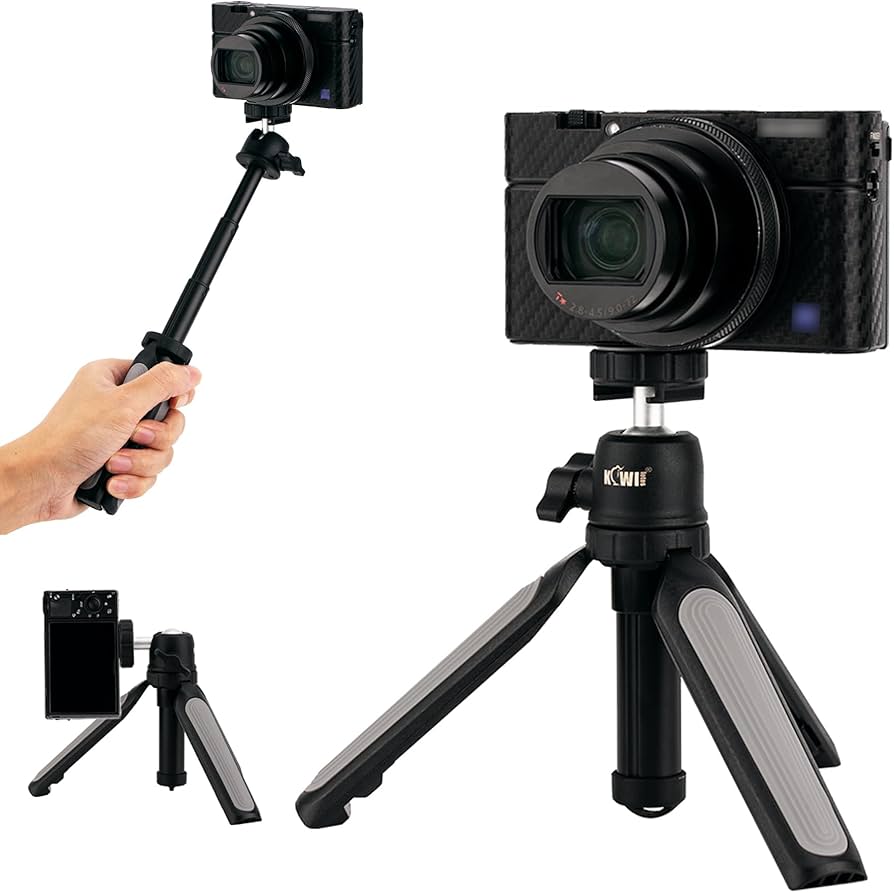
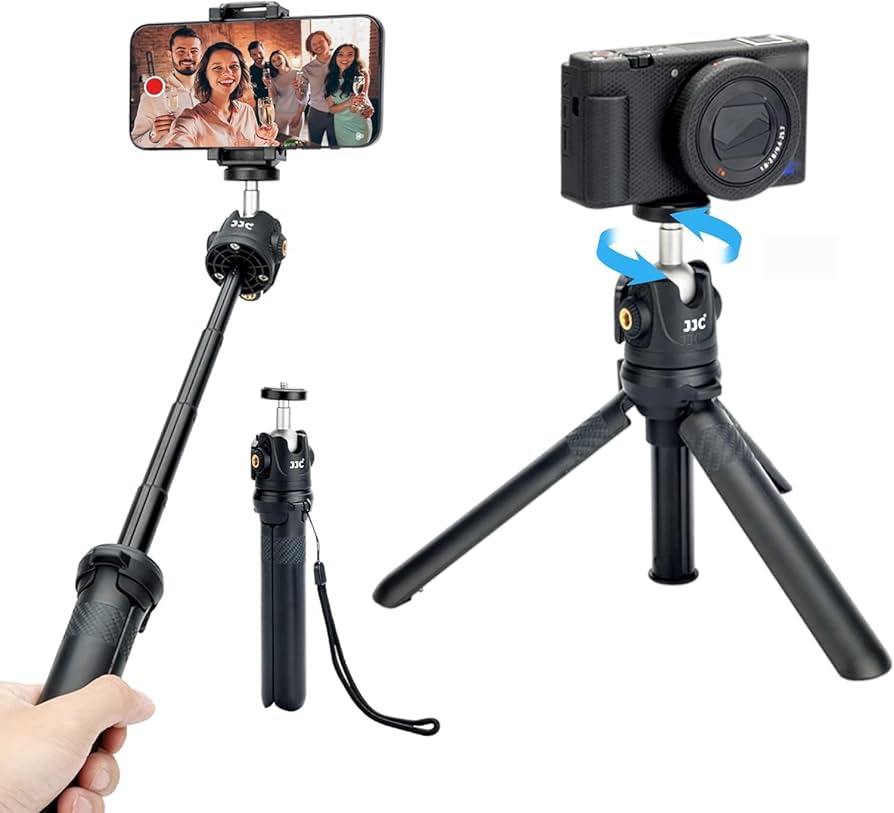
- Small tabletop tripods and hand grips help for talking-head shots.
-
Mounts and filters
- A cold-shoe or cage gives you space for mic and light.
- ND filters help keep shutter speed cinematic outdoors.
I personally carry a small lavalier, a mini-gimbal, and a lightweight LED. That combo transformed footage from shaky and noisy to professional in a few minutes.
Budget, size, and long-term value
Price and portability often decide the purchase. Here’s how to weigh costs against benefits.
-
Upfront cost
- RX100 VII costs more than G7X Mark III. You pay for better AF and zoom range.
- G7X Mark III gives strong image quality at a friendlier price.
-
Accessories cost
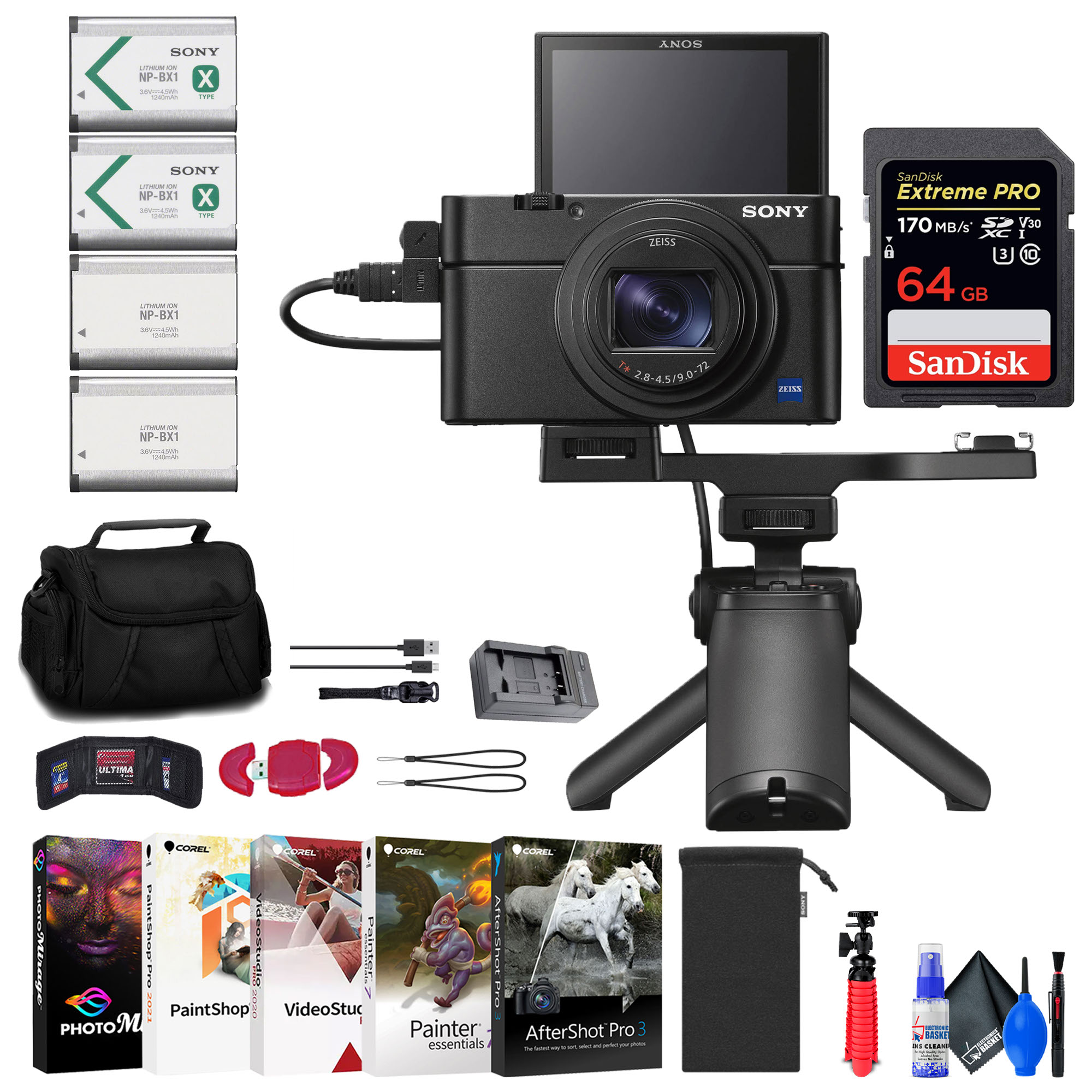
- Plan extra for mics, mounts, and adapters for both models.
- RX100 VII’s versatility can save money later if you avoid buying multiple lenses or a second camera.
-
Longevity and resale
- RX100 VII tends to hold resale value thanks to higher-end specs.
- If budget is tight but you want solid results now, G7X Mark III is a smart pick.
RX100 VII or G7X Mark III for vlogs: invest more if autofocus, zoom, and stabilization will be used regularly.
How to choose: step-by-step checklist
Use this checklist to make a confident choice.
- Identify your shooting style
- Travel, studio, live stream, or run-and-gun.
- Prioritize features
- Put autofocus, zoom, stabilization, or live-stream support in order of importance.
- Consider audio workflow
- Will you use lavalier mics, shotgun mics, or onboard streaming?
- Test in person if possible
- Hold each camera. Check grip, screen angle, and menu layout.
- Evaluate long-term costs
- Add accessories, cases, and adapters to your budget.
- Make a decision
- Choose RX100 VII if you need speed, reach, and better low-light AF.
- Choose G7X Mark III if you want a budget-friendly, selfie-first, streaming-ready compact.
I followed this exact checklist before switching cameras. It saved me buyer’s remorse and ensured the camera fit my real needs.
Shooting tips to get the most from either camera
Little habits boost final quality a lot.
- Frame consistently
- Use the flip screen and frame your eyes near the top third for pleasing composition.
- Use manual exposure when possible
- Lock exposure for consistent skin tones, then tweak as needed.
- Prioritize audio
- Record external audio or use a lav mic to avoid muffled sound.
- Keep firmware updated
- Both cameras receive improvements that fix bugs and add features.
I learned to carry a small LED light and a spare battery. That simple habit doubled my usable footage on long days.
Frequently Asked Questions of How to choose RX100 VII or G7X Mark III for vlogs
Which camera is better for low-light vlogging?
RX100 VII has a slight edge in low light due to better processing and stabilization. G7X Mark III still performs well but may show more noise in dim scenes.
Can I live stream with both cameras?
G7X Mark III supports simpler USB streaming setups, while RX100 VII can stream with extra capture hardware. G7X Mark III is more plug-and-play for live streaming.
Do either camera have a mic input?
Neither camera includes a 3.5mm mic jack natively. You will need an external adapter or recorder for higher-quality microphones.
Which camera has better autofocus for moving subjects?
RX100 VII offers superior autofocus and subject tracking, making it the better choice for action and moving shots. G7X Mark III is fine for static or slow-moving vlogs.
Is stabilization on the G7X Mark III adequate for walking vlogs?
G7X Mark III stabilizes well for small movements, but the RX100 VII provides stronger stabilization for longer telephoto shots and active walking.
Which camera is more beginner-friendly?
G7X Mark III is slightly simpler for beginners thanks to its friendly menus and live-stream features. RX100 VII offers more advanced controls that reward learning.
Should I buy a gimbal with these cameras?
A gimbal helps both models, especially for run-and-gun or action vlogs. It’s a useful accessory if you want very smooth motion footage.
Conclusion
Choosing the right compact camera comes down to what you shoot and how you work. If speed, tracking, and reach matter most, go with the RX100 VII. If you want a friendlier budget option with easy live-streaming and a selfie-first design, choose the G7X Mark III. Both deliver great image quality and will upgrade your vlogs from phone footage to a professional look.
Take action: list your shooting needs, follow the checklist above, and test the feel of each camera if you can. Share your choice or questions below, subscribe for more gear breakdowns, or try a short shoot with both to see which camera fits your story best.

Jamie Lee is a seasoned tech analyst and writer at MyTechGrid.com, known for making the rapidly evolving world of technology accessible to all. Jamie’s work focuses on emerging technologies, product deep-dives, and industry trends—translating complex concepts into engaging, easy-to-understand content. When not researching the latest breakthroughs, Jamie enjoys exploring new tools, testing gadgets, and helping readers navigate the digital world with confidence.