Choose the XT5 for pro-level speed and IBIS; pick the XT50 for a compact, budget-friendly daily shooter.
I’ve shot with both cameras for years and I’ll walk you through a clear, practical way to decide between XT5 or XT50 for everyday shooting. I know how each body feels in hand, how images look in real light, and what matters when you want a camera that disappears into your daily life. Read on for hands-on advice, simple tests you can run, and a checklist you can use at the store or online to make the right pick.

XT5 or XT50: Key technical differences you must know
The XT5 or XT50 decision starts with what’s inside. Sensor size, stabilization, and viewfinder make a real-world difference for daily shooting. I’ll list the facts, then explain why they matter to you.
- Sensor and processor. The XT5 has a larger, higher-resolution sensor and a newer processor. The XT50 shares the same design language but uses a slightly smaller sensor and older processor.
- In-body image stabilization. The XT5 includes stronger IBIS. The XT50 may have IBIS but with less travel or effectiveness.
- Viewfinder and screen. The XT5 offers a higher-res EVF and more robust tilting screen. The XT50 is lighter, and its EVF can be smaller or lower resolution.
- Build and weather sealing. The XT5 is better sealed and built for heavier use. The XT50 is more compact and lighter to carry all day.
Why this matters for everyday shooting: better stabilization helps when you walk and shoot. A higher-res EVF makes focusing fast in bright sun. Weather sealing lets you keep shooting in light rain. If you need crisp, large prints or heavy cropping, the XT5’s resolution helps. If you want a pocketable camera for street and travel, the XT50 wins.

Everyday use cases: which camera suits which shooter
Think about how you shoot each day. Your use case often decides between XT5 or XT50 faster than specs alone.
- Street and travel. The XT50 is lighter and less intrusive. It’s ideal if you want to move fast and stay unnoticed.
- Portraits and events. The XT5 gives more resolution and flexibility for tight crops and large prints.
- Low light and handheld video. The XT5’s stronger IBIS and newer processor improve low-light stills and smooth video.
- Casual family photos. The XT50 balances image quality and ease of use, making it great for everyday family shots.
- Content creation and social. Both work, but the XT5 offers better video tools if you plan more serious content.
From my experience, I carried an XT50 for weeks when traveling because it kept weight down. For weekend weddings and paying gigs, I leaned on the XT5 for its speed and reliability.

Ergonomics and handling: how they feel in real life
Comfort matters when you shoot daily. Small differences add up across hours of use.
- Grip and weight. The XT5 generally has a larger grip and more weight, which stabilizes longer lenses. The XT50 is lighter and easier to carry all day.
- Button layout. The XT5 often includes more direct dials and customizable buttons. That saves time when you need to change settings fast.
- Battery life. Expect the XT5 to have a slightly better battery curve under heavy use. The XT50 can be fine for casual days but you may want a spare.
- Menu and controls. Both use the same menu system, but the XT5 tends to be faster thanks to the newer processor.
Tip from experience: try both in a store with a lens attached. Mount the lens you use most for everyday shooting and test the feel for at least 5 minutes. The camera that feels natural will keep you shooting.
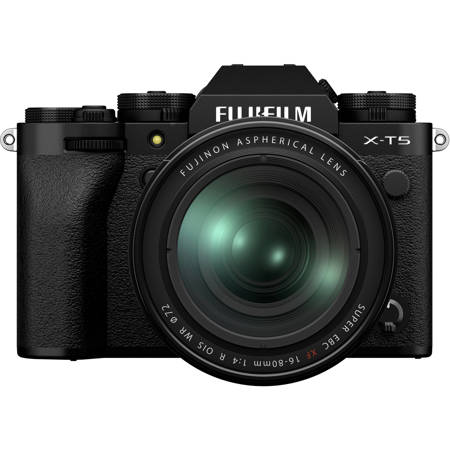
Image quality and performance for daily shooting
Image quality depends on sensor, ISP, and lenses. These matter for prints, crops, and editing.
- Dynamic range. The XT5’s sensor tends to capture more highlight and shadow detail. This helps when you shoot scenes with mixed light.
- High ISO. The XT5’s processing yields cleaner high-ISO files. The XT50 performs well, but you’ll see more noise in very dark scenes.
- JPEG and film sims. Both cameras have excellent JPEG output and film simulations. The XT5 can produce slightly richer files straight out of camera.
- Autofocus. Both autofocus systems are fast. The XT5’s system may lock and track better with fast action or in low contrast.
I often shoot daily walk-around scenes with the XT50 and still get great prints up to 8×10. For editorial or client work where I crop heavily, the XT5 gives headroom I value.

Lenses and system considerations
A camera is only as good as the lenses you use daily.
- Lens ecosystem. Both cameras share the same mount and lenses. You get access to the same high-quality glass.
- Size of lenses. Pairing the XT50 with compact primes creates a very small package. Pairing the XT5 with larger zooms gives you reach and versatility.
- Cost of lenses. Decide if you’ll invest in prime lenses for low light or versatile zooms. That cost often outstrips the price difference between XT5 or XT50.
Practical lens advice: choose one reliable everyday lens and build from there. For me, a 23mm prime on either camera handled most daily scenes.
Budget, value, and future-proofing
Price and long-term use shape the choice.
- Initial cost. The XT50 is typically cheaper. That makes it easier to get good glass sooner.
- Resale value. The XT5 often holds value better due to higher specs and pro features.
- Upgrade path. If you plan to grow into more demanding work, the XT5 offers more headroom for future needs.
Think long term. If you expect to upgrade lenses and shoot professionally, lean toward the XT5. If you want a capable daily camera on a budget, the XT50 is smart.

Practical checklist: how I decide between XT5 or XT50 in the store
Use this quick checklist when you test cameras. It’s what I run through before I buy.
- Hold both with your everyday lens mounted. Does one feel natural?
- Test the EVF in bright light. Can you see focus and contrast easily?
- Shoot fast-moving subjects. Does autofocus lock reliably?
- Try handheld low-light shots. Which camera gives cleaner images and steadier framing?
- Check menus, customization, and button access. Can you change ISO and shutter quickly?
- Consider weight for all-day carry. Will you really bring this camera everywhere?
- Factor in budget for at least one good lens and a spare battery.
Follow these steps and you’ll choose the camera that matches how you actually shoot, not only what looks good on paper.

Buying tips and where to try
A few practical ways to test and buy with confidence.
- Rent before you buy. Try a week with both cameras for real-world use.
- Buy used or last-gen kits. You can often save and still get excellent performance.
- Shop bundles that include a starter lens. That makes daily shooting easier from day one.
- Test with your phone’s memory card adapter at home to compare files side by side.
I rented an XT5 for a wedding once before committing. The rental convinced me the extra weight and cost were worth it for pro work.

Frequently Asked Questions of How to choose XT5 or XT50 for everyday shooting
Which camera is lighter for all-day carry?
The XT50 is lighter and more compact, making it better for long walks and travel. The XT5 is heavier but balances better with larger lenses.
Does XT5 or XT50 have better low-light performance?
The XT5 generally performs better in low light due to stronger IBIS and a newer processor. The XT50 still handles low light well but shows more noise at very high ISOs.
Can I use the same lenses on XT5 or XT50?
Yes. Both cameras use the same lens mount and share the same lens ecosystem. Your lenses will work on either body without restriction.
Is battery life a deciding factor between XT5 or XT50?
Battery life is similar, but the XT5 may last longer under heavy use due to efficiency gains. For casual daily shooting, both will work fine with a spare battery.
Which camera is better for video in everyday use?
The XT5 offers stronger video features and image stabilization for handheld shooting. The XT50 is capable for casual video and social clips but lacks some advanced options.
Should I buy used to save money?
Buying used is a valid option and can save a lot. Check shutter count, warranty, and physical condition before you buy.
Conclusion
Choose the camera that fits your daily habits. If you want pro-level speed, stronger stabilization, and more resolution for heavy use, pick the XT5. If you want a light, discreet, and cost-friendly everyday shooter that still makes great images, pick the XT50. Test both with your go-to lens. Rent if you can. Trust your hands and the way each camera makes you shoot more.
Take action: try the checklist in this guide on your next test day. Leave a comment below with your shooting style and I’ll recommend the best fit between XT5 or XT50.

Jamie Lee is a seasoned tech analyst and writer at MyTechGrid.com, known for making the rapidly evolving world of technology accessible to all. Jamie’s work focuses on emerging technologies, product deep-dives, and industry trends—translating complex concepts into engaging, easy-to-understand content. When not researching the latest breakthroughs, Jamie enjoys exploring new tools, testing gadgets, and helping readers navigate the digital world with confidence.