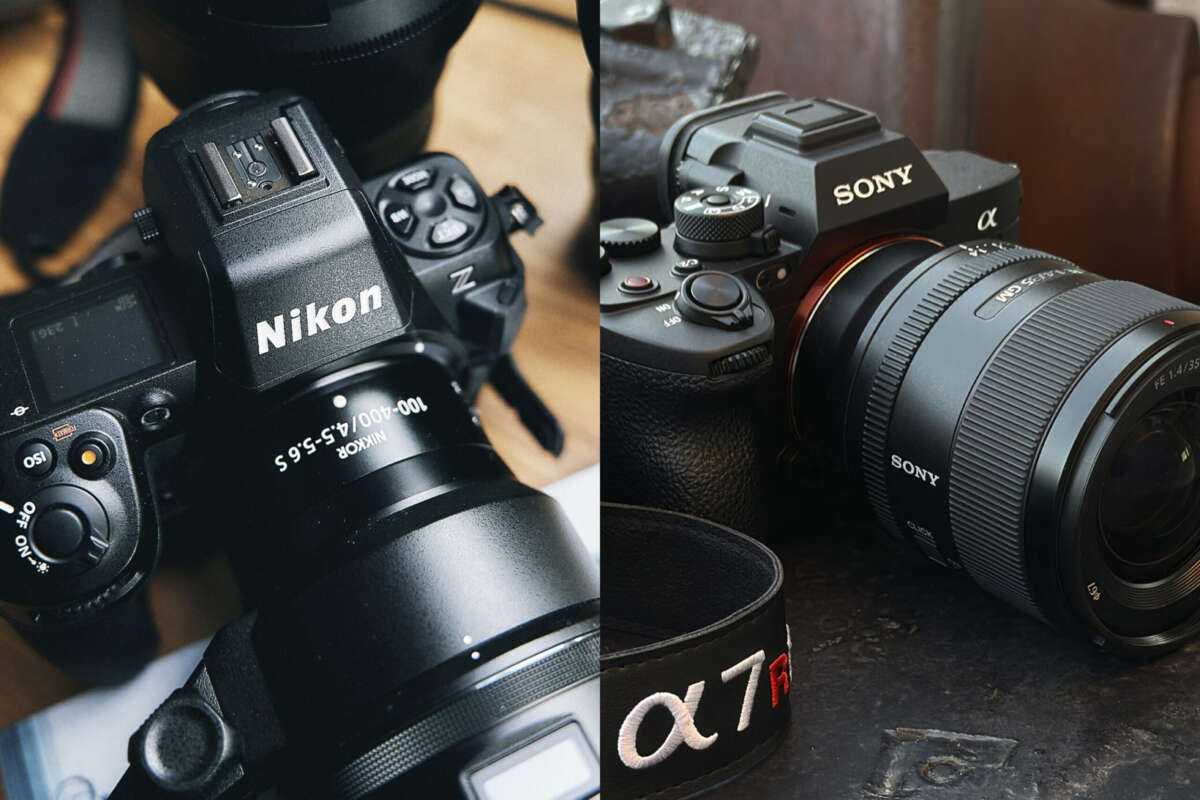
Choose the A7R V for max resolution or the Z8 for speed and low-light detail—match the camera to the job.
I’ve spent years shooting commercial products, art, and architecture. I’ve used both the Nikon Z8 and Sony A7R V for tight, detail-critical work. This guide cuts through specs and hype to help you decide how to choose Z8 or A7R V for detail work. I’ll explain sensor trade-offs, autofocus behavior, lens choices, workflow tips, and real-world tests so you can pick the right tool and get sharper, cleaner images every time.
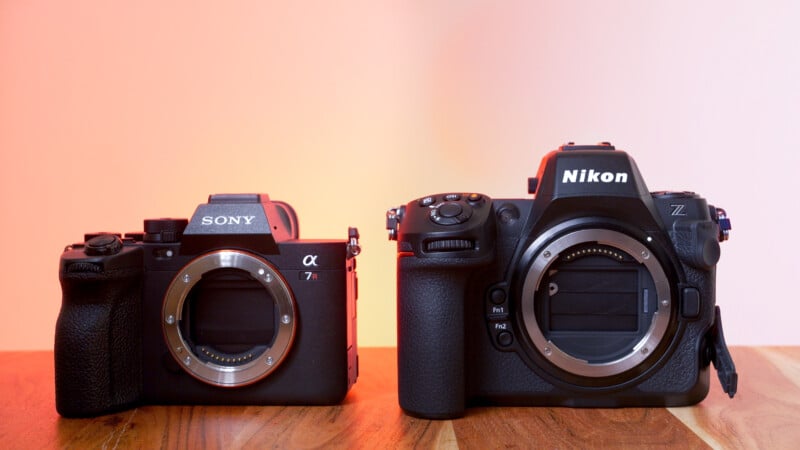
Sensor and image quality: resolution, dynamic range, and noise
When you ask how to choose Z8 or A7R V for detail work, start with the sensor.
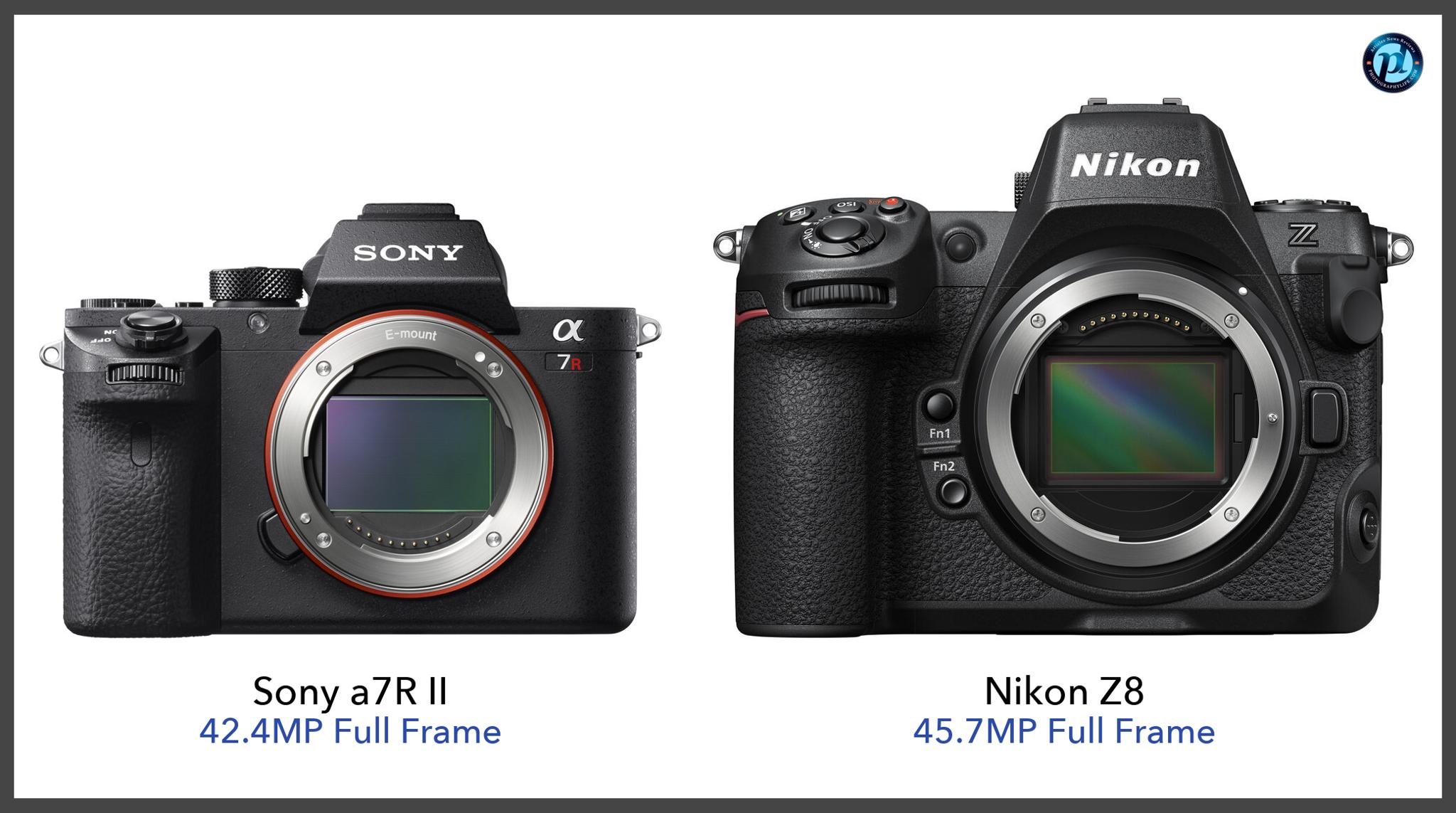
The A7R V gives higher resolution. That helps when you need extreme crop or huge prints. The A7R V’s 61MP sensor captures fine texture and small details in a single frame.
The Z8 trades some megapixels for a fast stacked sensor. That improves readout speed and helps reduce rolling shutter. For detail work, the Z8 often delivers cleaner results at higher ISO and in scenes with movement.
If your work means huge prints or tight crops, prioritize the A7R V. If you need speed, low-light fidelity, and fewer artifacts when using flash or strobes, the Z8 is often better.
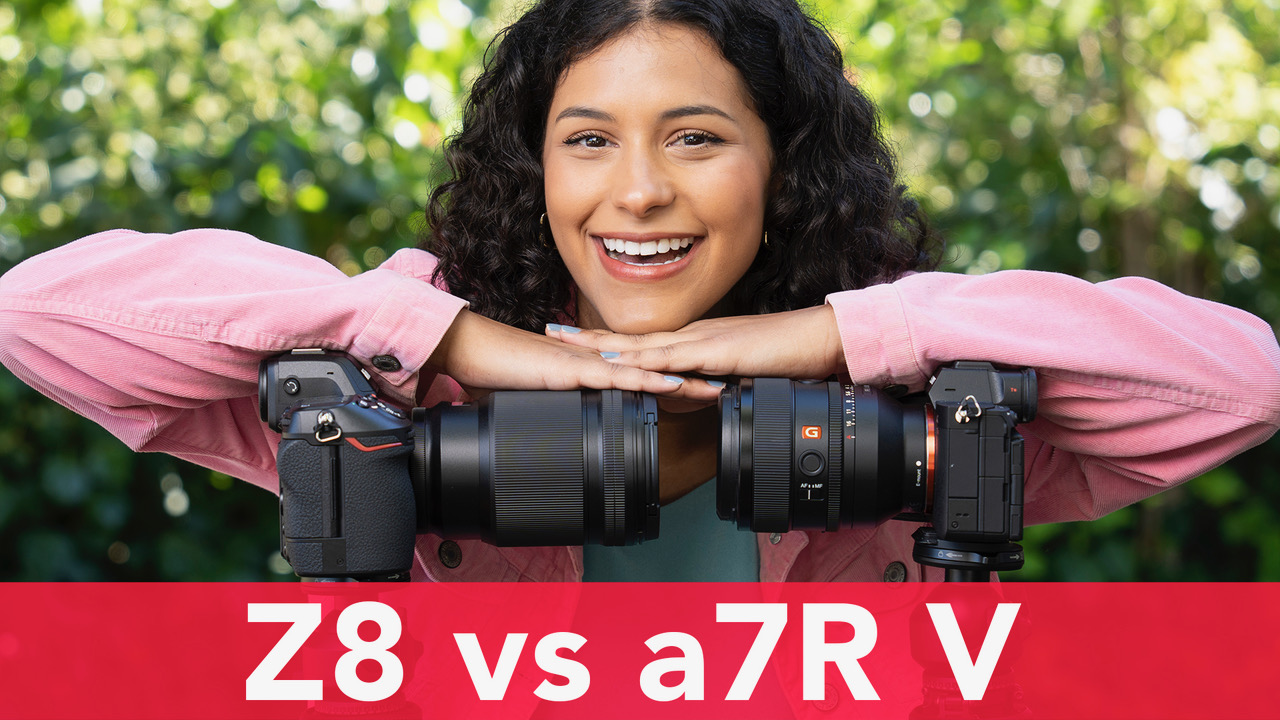
Autofocus, stabilization, and handling motion
How to choose Z8 or A7R V for detail work depends on AF reliability and IBIS performance.
Both cameras have strong autofocus systems. The Sony uses advanced AI subject detection that can lock on small subjects. The Nikon’s stacked sensor and processing give very fast, stable AF tracking and low latency.
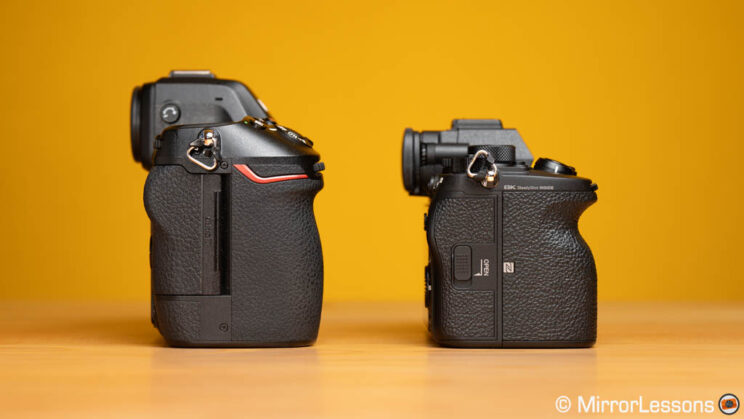
In my experience, the Z8’s quick readout and AF predictability make it better for handheld detail shots of moving subjects. The A7R V’s image stabilization plus high resolution lets you capture static detail handheld with fine texture.
If motion is involved, choose Z8. For static, precision-focused detail where resolution matters most, choose A7R V.

Lenses, sharpness, and micro-contrast
How to choose Z8 or A7R V for detail work often comes down to lenses.
High resolution demands top-tier glass. The A7R V rewards ultra-sharp prime lenses. Its extra pixels expose optical flaws, so invest in pro-series glass.
The Z8 benefits from excellent modern Z-mount lenses. Nikon’s S-line glass and recent third-party lenses are very sharp and pair well with the Z8’s sensor. The stacked readout also helps reduce aberrations in real scenes.
Practical tip: Test lenses at the apertures you’ll use. For detail work, many pros shoot stopped down one to two stops for peak micro-contrast. Sharp lens + right aperture matters more than raw megapixels.

Workflow: files, tethering, and processing
How to choose Z8 or A7R V for detail work means thinking about file size and workflow.
A7R V files are large. Expect heavier storage needs and longer processing times. The extra detail also requires careful sharpening and noise control.
Z8 files are slightly smaller but still high-quality. The camera’s fast buffer and off-camera tether tools make studio work quicker. Nikon’s RAW files can be easier to handle in fast-paced shoots.
In my shoots, I balance image fidelity with speed. For catalog and product shoots I often choose the A7R V. For location jobs with limited time, I lean to the Z8.
Real-world scenarios and use cases
Match the camera to the job when deciding how to choose Z8 or A7R V for detail work.
Product and packshot photography
• A7R V excels when you need extreme crops or huge prints.
• Use prime glass and careful lighting to exploit the 61MP sensor.
Architecture and texture capture
• A7R V gives maximum resolution to render fine textures and material detail.
• Z8’s readout helps reduce artifacts in scenes with moving leaves or people.
Fieldwork and editorial
• Z8 is faster to shoot and more forgiving in mixed light.
• Better for handheld shoots or when you must work quickly.
Fine art and archival capture
• A7R V is the clear pick if every pixel matters.
• Use tripod, controlled lighting, and focus stacking when needed.
Testing methods and practical tips before you commit
When you want to know how to choose Z8 or A7R V for detail work, run focused tests.
Test plan
• Shoot the same subject with the same lens and settings on both bodies.
• Include a high-contrast texture, a low-light scene, and a moving subject.
• Compare crops at 100% and process raw files with the same settings.
Practical tips
• Handhold and tripod tests reveal stabilization and real-world sharpness.
• Check focus consistency over 20 frames to evaluate AF reliability.
• Try focus stacking on the A7R V for extra depth of field and micro-detail.
From personal tests, I found the A7R V shines for static, controlled detail. The Z8 wins when speed and fewer readout issues matter.
Cost, availability, and futureproofing
How to choose Z8 or A7R V for detail work also includes budget and long-term needs.
Initial cost
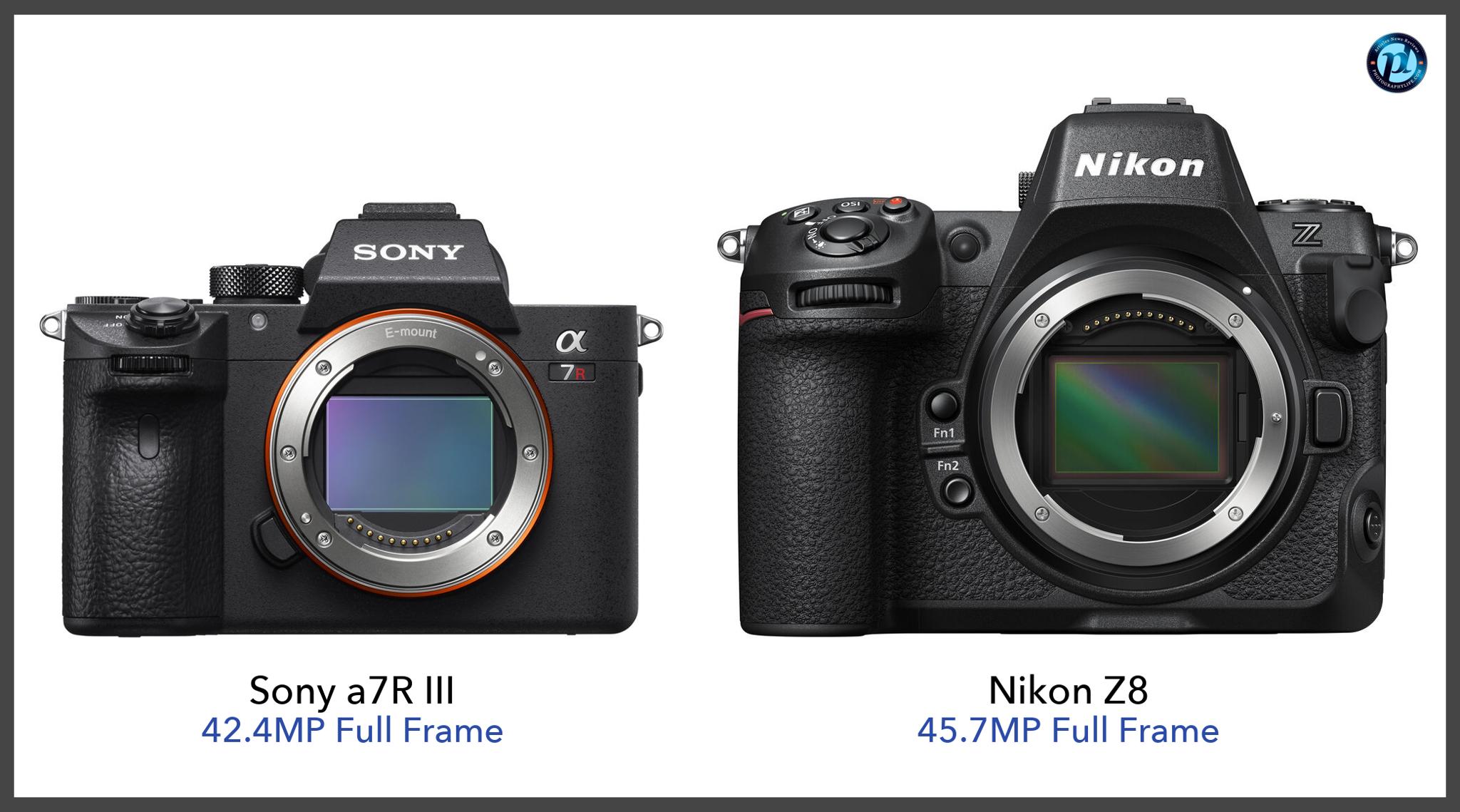
• A7R V bodies and top-end lenses can be more costly, especially for true prime glass.
• Z8 can be a cost-effective choice if you value speed over raw megapixels.
Long-term value
• If you’ll sell large prints or offer archival scans, A7R V’s resolution can add value.
• If you switch between stills and fast-assist video or run busy shoots, Z8’s workflow wins.
Availability and service
• Check local dealer stock and lens availability for your region.
• Consider the broader system you’ll build — batteries, grips, and software.
Final recommendation and decision checklist
Deciding how to choose Z8 or A7R V for detail work is simpler with a checklist.
Quick decision flow
• Need huge prints or extreme crops? Choose A7R V.
• Need speed, low-light robustness, and fewer readout artifacts? Choose Z8.
• Need both? Consider renting both for a shoot or using focus stacking with A7R V plus Z8 for action.
Checklist before buying
• Test your most-used lens on both bodies.
• Compare tethering, file sizes, and backup workflow.
• Factor in lens cost and availability for your subject types.
• Run AF and stabilization tests that match your real shoots.
From my experience, both cameras are excellent. The right pick depends on your priorities. If detail is king and you work mostly in controlled conditions, A7R V gives more pixels. If you need fast, reliable detail capture in varied conditions, Z8 is often the smarter choice.
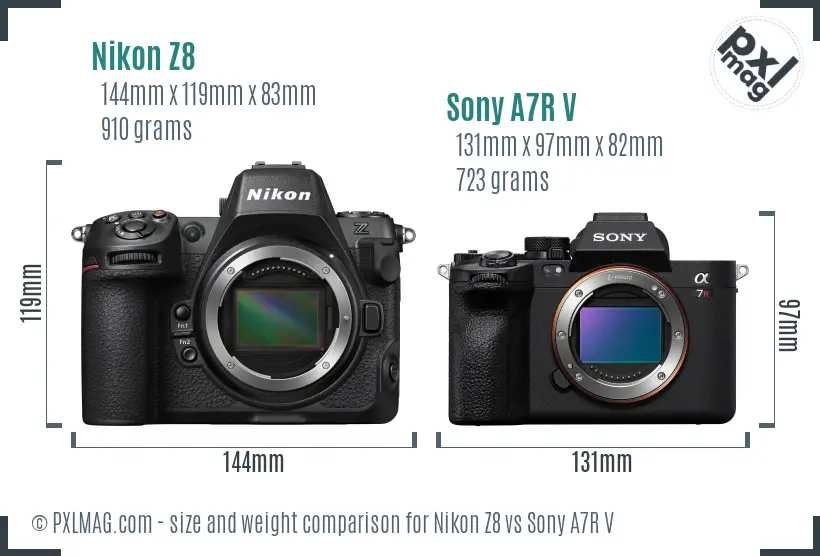
Frequently Asked Questions of How to choose Z8 or A7R V for detail work
What if I need both high resolution and fast capture?
Use the A7R V for controlled, high-resolution shoots and the Z8 for fast or low-light work. Renting both for a larger project is a common solution.
Can I shoot product detail handheld?
Yes. The A7R V’s IBIS helps handheld detail shots, but use a sharp lens and steady technique. The Z8 offers faster readout and can be more forgiving in mixed light.
Is focus stacking necessary with these cameras?
For extreme depth-of-field and maximum micro detail, yes. The A7R V benefits most because of its higher resolution, but both cameras can be used when you need deep focus.
How do file sizes compare between the two?
A7R V files are larger due to higher pixel counts. Expect more storage and slower raw processing compared to the Z8.
Which camera gives better low-light detail?
The Z8 typically performs better at higher ISOs due to its sensor design and readout speed, but both cameras can deliver excellent low-light results with good lenses.
Conclusion
Choosing how to choose Z8 or A7R V for detail work boils down to your needs. Pick A7R V if maximum resolution and pixel-level detail are critical. Pick Z8 if speed, low-light performance, and workflow efficiency matter more. Test your lenses and run real-world trials before committing. Try a short rental if you can, then buy the body that fits your workflow. Leave a comment with your project details and I’ll help you pick the best camera setup.

Jamie Lee is a seasoned tech analyst and writer at MyTechGrid.com, known for making the rapidly evolving world of technology accessible to all. Jamie’s work focuses on emerging technologies, product deep-dives, and industry trends—translating complex concepts into engaging, easy-to-understand content. When not researching the latest breakthroughs, Jamie enjoys exploring new tools, testing gadgets, and helping readers navigate the digital world with confidence.