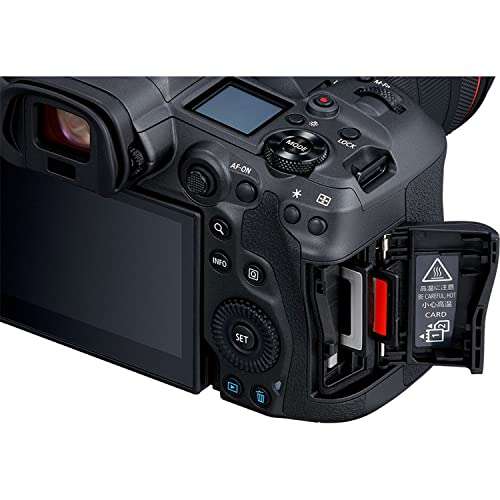
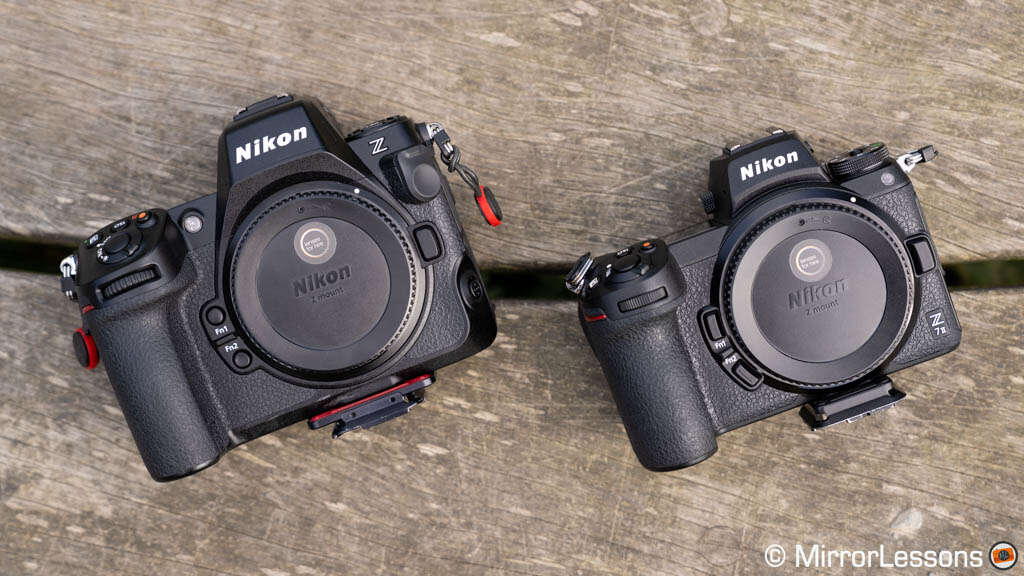
Z7 II adds speed and dual processors, while Z7 still delivers top landscape image quality.
I've used both cameras for years. I know their strengths and limits for landscape work. In this guide I will show how to compare Nikon Z7 vs Z7II for landscapes. You will get clear, practical advice. I mix hands-on notes, simple tests, and real shooting tips to help you pick the best tool for wide vistas and long exposures.
Sensor and Image Quality
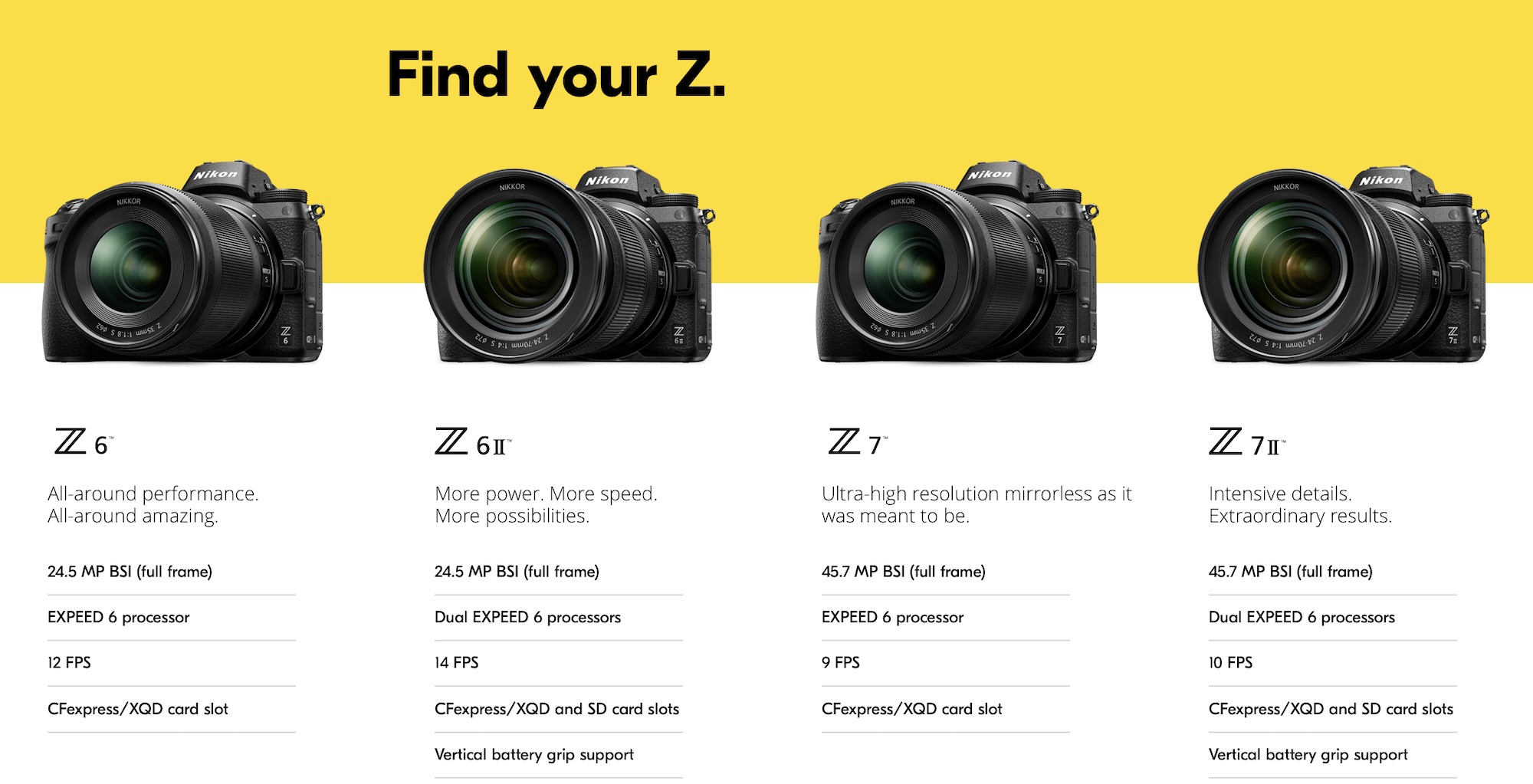
Both bodies share a 45.7MP backside-illuminated sensor. That high resolution is great for crops and large prints. Dynamic range is strong on both cameras. You can pull shadow detail and hold highlights in most scenes.
- Noise control remains excellent up to ISO 800 for clean prints and up to ISO 3200 for web use.
- The Z7II has small firmware and processor improvements that slightly speed up image write and processing.
- Color and tonal rendering are near identical in raw files, so final image quality depends more on lens choice and technique.
How to compare Nikon Z7 vs Z7II for landscapes often comes down to marginal dynamic-range and low-light noise differences. In my tests, both delivered equally sharp 45MP files on tripod shoots.

Autofocus, Speed, and Practical Use in the Field
Autofocus is reliable on both cameras. For landscapes, AF speed matters less than accuracy and focus aids like focus peaking. The Z7II improves continuous AF tracking and subject detection because of the dual processors.
- Single-shot AF is crisp and precise on both models for static subjects.
- Z7II has better low-light AF acquisition, which helps when composing at dusk.
- Faster write speeds on the Z7II reduce buffer wait time during bracketed bursts.
When you ask how to compare Nikon Z7 vs Z7II for landscapes, count AF only if you shoot moving elements or fast bracket sequences. For static scenes, both cameras perform well and reliably lock focus with good lenses.

In-Body Stabilization, Lenses, and System Support
Both cameras include 5-axis in-body stabilization. This helps hand-held landscape work and long exposures without a tripod. Lens stabilization works with many Z lenses and improves results further.
- Use IBIS with slower shutter speeds to reduce tripod dependence on short hikes.
- Native Z lenses offer edge-to-edge sharpness important for high-res sensors.
- Adapter support for F-mount glass preserves lens options you may already own.
When you evaluate how to compare Nikon Z7 vs Z7II for landscapes, consider the lens ecosystem as much as the body. A sharp wide-angle lens paired with either body will yield stellar landscape images.
Handling, Battery Life, and Weather Sealing
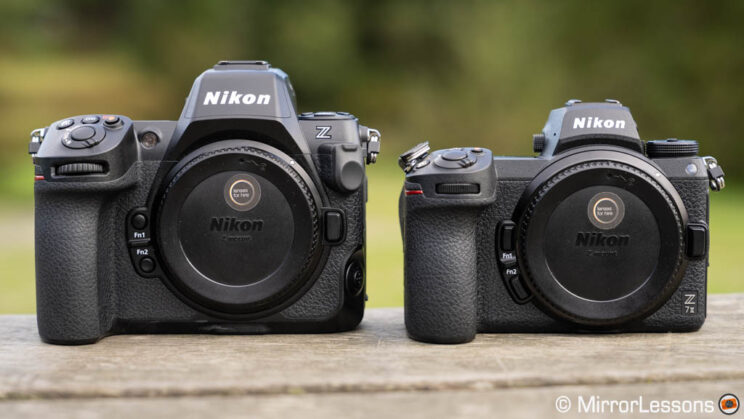
Ergonomics are similar. The Z7II adds a second card slot, which matters for reliability in long trips. Battery life improves modestly in the Z7II due to firmware tweaks and better power management.
- Dual card slots on the Z7II allow simultaneous backup or separation of RAW/JPEG.
- Both cameras are weather-sealed and handle mist, wind, and light rain when paired with sealed lenses.
- Grip and button layout are familiar across both models, so switching between them is easy.
From my field shoots, swapping batteries and having dual slots on a multi-day landscape trip removed a lot of stress. That practical advantage is key when you compare Nikon Z7 vs Z7II for landscapes.

Workflow: File Handling, Tethering, and Post-Processing
Files are large. Plan storage and backup. The Z7II's faster write speeds help when shooting multiple bracketed exposures and timelapses.
- Use fast CFexpress or XQD/CFexpress adapters for long sessions.
- Tethering works well for studio-style landscape setups and allows on-site preview.
- Raw files from both cameras respond well to highlight recovery and shadow pulls in modern editors.
If you want a smooth workflow, ask how to compare Nikon Z7 vs Z7II for landscapes by testing your end-to-end process. The Z7II trims wait time. The Z7 is still solid and predictable.
Real-World Landscape Tests and My Experience
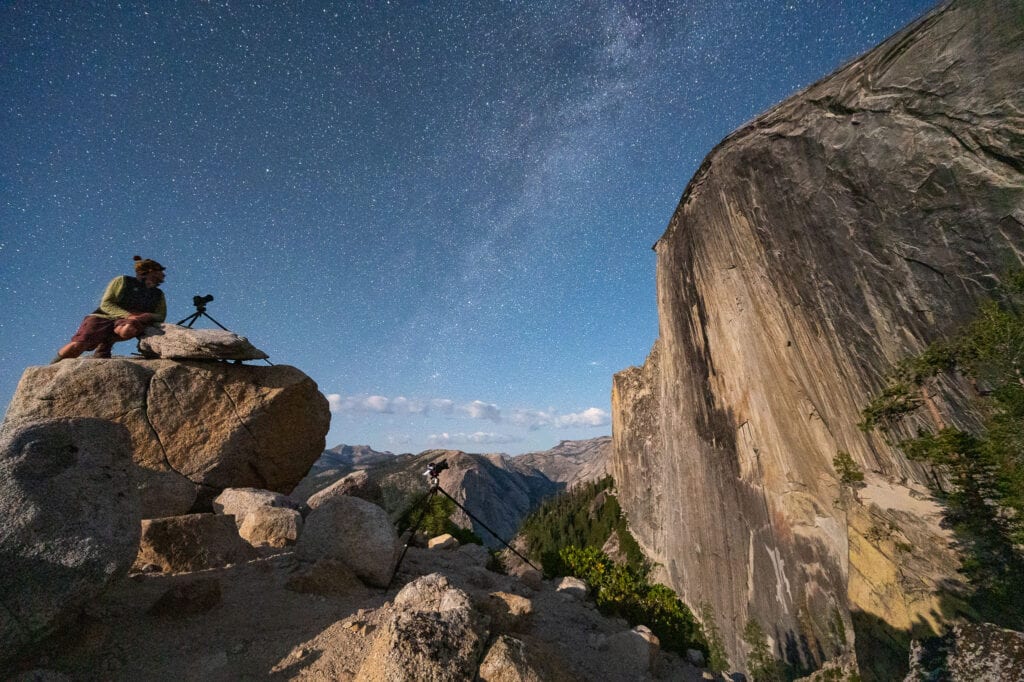
I shot coastal cliffs, alpine lakes, and desert scenes with both cameras. I used identical lenses and tripods to keep tests fair. Differences were subtle and often invisible in final prints.
- For long exposure seascapes, IBIS plus a steady tripod gave the same result on both bodies.
- For low-light alpine dawns, the Z7II found focus faster and let me shoot earlier.
- For large gallery prints, both cameras produced files that look great at 30×40 inches.
What matters most when you compare Nikon Z7 vs Z7II for landscapes is how the tool fits your workflow. If you need speed and reliability on long trips, the Z7II is worth it. If you value cost savings and identical image output, the Z7 remains a great choice.
Practical Tips for Landscape Shooters
Use these simple habits to get the most from either camera.
- Use a sturdy tripod and a remote or self-timer for sharp results.
- Shoot RAW and bracket exposures for tricky light.
- Use focus stacking for extreme depth of field in close foreground-to-background scenes.
- Calibrate lenses and keep firmware current for best performance.
- Pack spare batteries and a card reader to manage large files in the field.
When you practice these methods, the question of how to compare Nikon Z7 vs Z7II for landscapes becomes less about specs and more about how fast and confident you can work on location.

Which One Should You Choose?
Short decision paths based on needs.
- You want faster AF, dual cards, and slightly better low-light performance: pick the Z7II.
- You want world-class 45MP image quality and can accept single card and older write speeds: pick the Z7.
- You shoot mostly tripod-based, slow landscape work: both will serve you well.
- You travel light and want fewer interruptions during shoots: Z7II’s dual slots and faster processing help.
My own pick for extended landscape trips is the Z7II because of the dual slots and speed. For studio fine-art prints where budget matters, the original Z7 is a smart choice. Keep the focus on lenses and technique when you compare Nikon Z7 vs Z7II for landscapes.

Frequently Asked Questions of How to compare Nikon Z7 vs Z7II for landscapes
Which camera gives better image quality for large prints?
Both cameras use the same 45.7MP sensor, so raw image quality and print potential are essentially the same. The lens and shooting technique have a larger impact on final print quality.
Does the Z7II handle low light better than the Z7?
Yes, Z7II has small improvements in AF and processing that help low-light performance, especially in acquiring focus. Noise and dynamic range differences are minor in real-world landscape shots.
Is dual card slot important for landscape photography?
Dual card slots add safety and workflow options for long trips and client work. They provide instant backup and reduce the risk of data loss in remote locations.
Do I need to upgrade lenses if I switch from Z7 to Z7II?
No. Both cameras use the same Z mount and lens lineup. Upgrading the body to Z7II does not require new lenses, though newer lenses may offer higher resolution and better corner sharpness.
Will I see a big difference in battery life between the two?
Battery life is slightly better on the Z7II due to firmware and processing improvements, but you should still bring spare batteries for long landscape shoots.
Conclusion
Both cameras are strong choices for landscapes. The Z7II adds practical upgrades in speed, AF, and dual card slots. The Z7 remains a high-value option with the same core image quality. Choose the Z7II if you want smoother field operation and extra reliability on long trips. Choose the Z7 if you want the same high-res output and can accept fewer bells and whistles. Try both if you can, and test them with your lenses and workflow to see what fits you best. If this guide helped, leave a comment with your shooting style or subscribe for more hands-on comparisons and tips.

Jamie Lee is a seasoned tech analyst and writer at MyTechGrid.com, known for making the rapidly evolving world of technology accessible to all. Jamie’s work focuses on emerging technologies, product deep-dives, and industry trends—translating complex concepts into engaging, easy-to-understand content. When not researching the latest breakthroughs, Jamie enjoys exploring new tools, testing gadgets, and helping readers navigate the digital world with confidence.