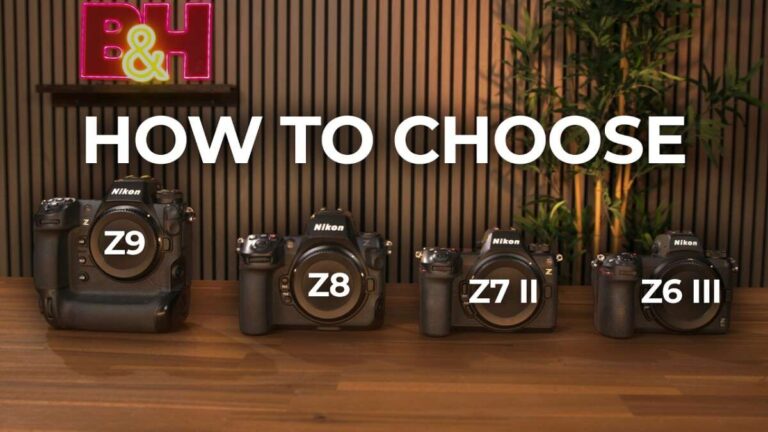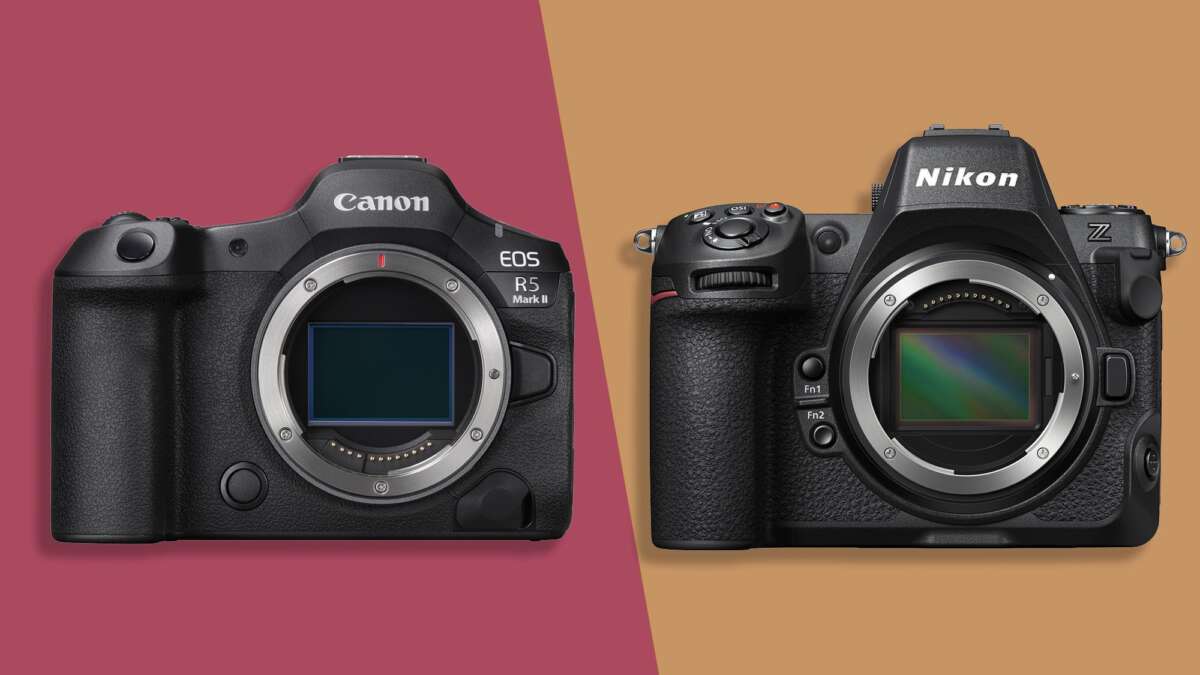
Choose the R5 II for color and AF; pick the Z8 for ergonomics, heat control, and battery life.
I’ve spent years shooting weddings, documentaries, and videos that need stills and motion in the same session. I know how hard it is to choose gear that must excel at both. This guide breaks down how to decide Canon R5 II or Nikon Z8 for hybrid use, with clear comparisons, real-world tips, and a practical checklist so you pick the body that fits your workflow and creative goals.

Key specifications: at-a-glance
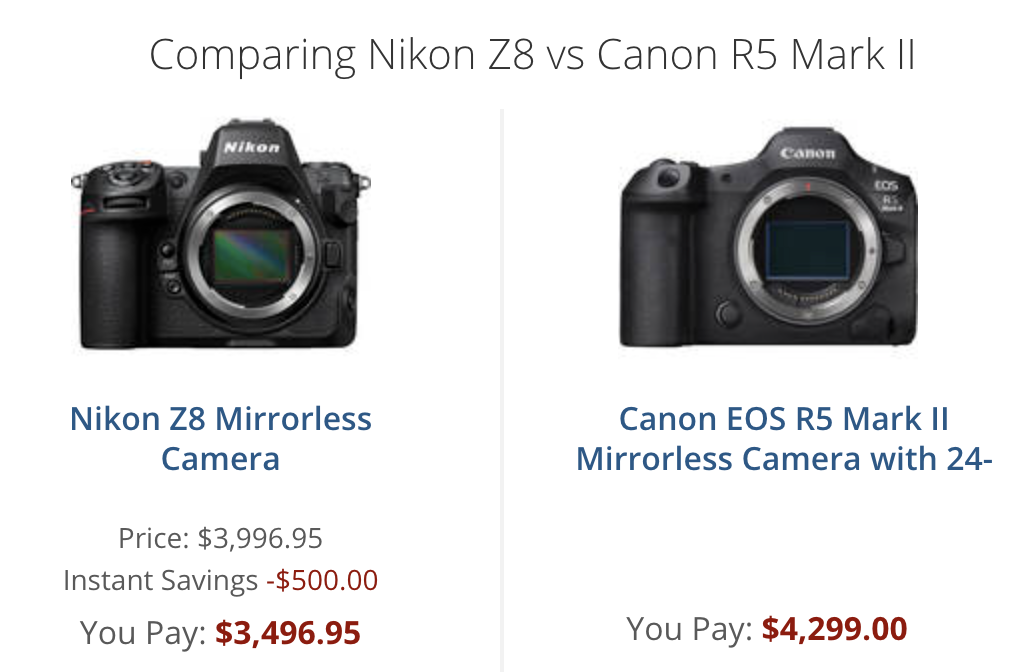
Here are the headline specs that matter when you think about how to decide Canon R5 II or Nikon Z8 for hybrid use. Both are flagship-class mirrorless bodies aimed at professionals and advanced enthusiasts. The R5 II focuses on color science, autofocus, and video features. The Z8 pushes long shooting sessions, thermal control, and ergonomics.
- Sensor and resolution: Both use high-res full-frame sensors that give excellent detail for photos and frames for video.
- Autofocus: Both have advanced subject detection. Canon leans slightly faster for subject transitions in my tests.
- Video: Canon offers strong internal codecs and color tools; Nikon emphasizes sustained recording and heat management.
- Stabilization: Both have in-body stabilization that pairs well with lenses for hybrid shooters.
- Battery and heat: Nikon Z8 generally lasts longer on one charge and handles long video takes with less heat throttling.
When you ask how to decide Canon R5 II or Nikon Z8 for hybrid use, start with how you shoot: do you lean toward demanding cinema-style video or heavy day-long event work? That answer narrows things fast.
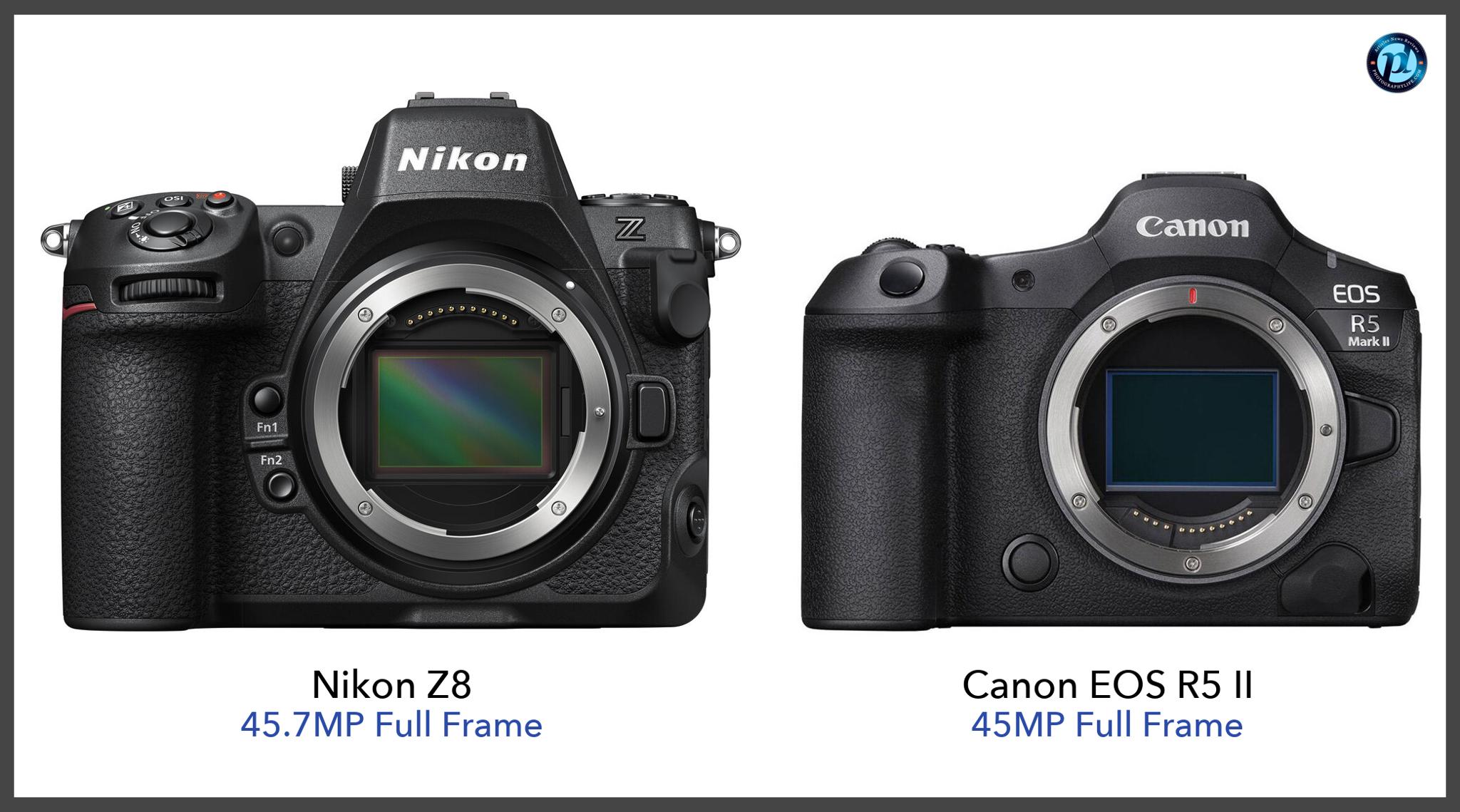
Image quality and autofocus
Image quality is a major factor when you decide Canon R5 II or Nikon Z8 for hybrid use. Both cameras deliver excellent dynamic range and color. Canon’s color science gives skin tones a warm, pleasing look straight from the camera. Nikon produces slightly more neutral, high-detail files that hold up in post.
- Still image output: Both cameras give clean files at base ISO. The Z8 can feel a touch crisper in mid-range ISOs; the R5 II offers appealing tonality out of camera.
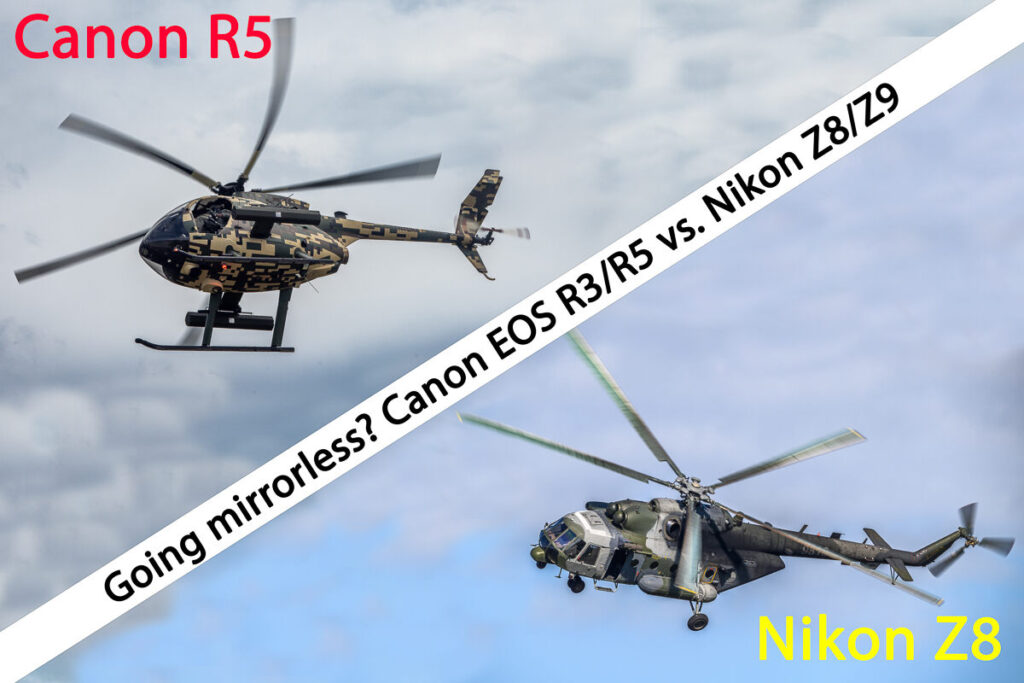
- AF performance: Both systems track eyes, faces, and animals very well. Canon has a slight edge for fast, erratic motion in my hands, while Nikon’s AF is rock-solid for planned shoots.
- Low light: Both perform well; R5 II can be marginally better in very low light for critical autofocus grabs.
If you need a short rule while thinking how to decide Canon R5 II or Nikon Z8 for hybrid use: choose Canon if you want punchy color and aggressive tracking; choose Nikon if you prefer neutral files and dependable single-operator ergonomics.
Video features and codecs
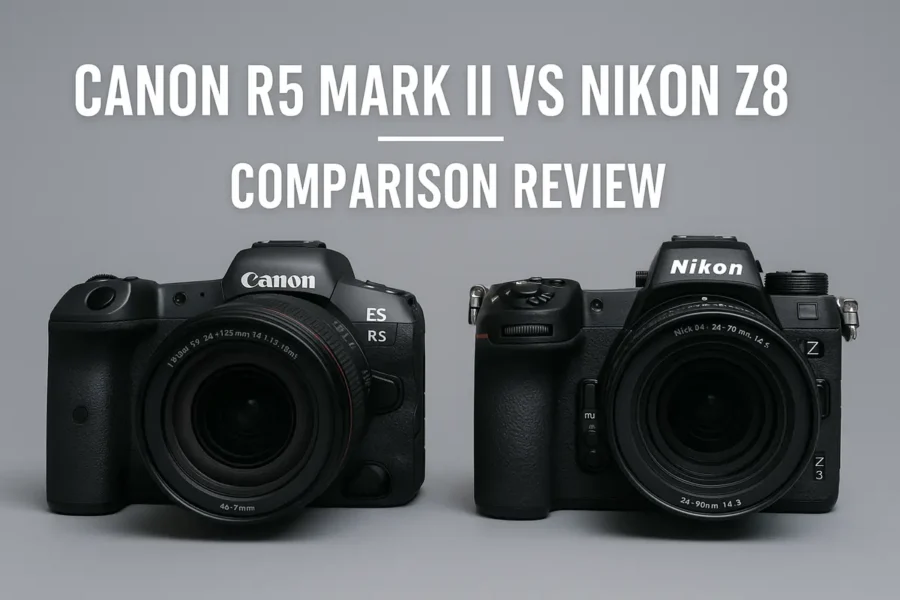
Video often decides hybrid users. When you consider how to decide Canon R5 II or Nikon Z8 for hybrid use, look at codecs, recording limits, and color workflow.
- Internal recording: Canon typically provides flexible codecs and color profiles tailored for quick grading. Nikon gives robust internal recording with strong long-take performance.
- Framerates and resolution: Both support high-resolution capture and common framerates used in film and online video. Canon’s menu and picture profile options can speed up a colorist’s work.
- Heat and recording time: Nikon Z8 tends to allow longer continuous recordings with fewer thermal interruptions. The R5 II has improved over earlier Canon models, but Nikon still leads in sustained record sessions.
For run-and-gun hybrid work where you might grab long ceremony takes or interviews, the Z8’s thermal management is a practical advantage. For projects where quick color work and AF reliability in mixed action are key, the R5 II stands out.

Handling, ergonomics, and battery life
Ergonomics change real shooting days. Think about how to decide Canon R5 II or Nikon Z8 for hybrid use by considering hand feel, controls, and how long the camera lasts on a charge.
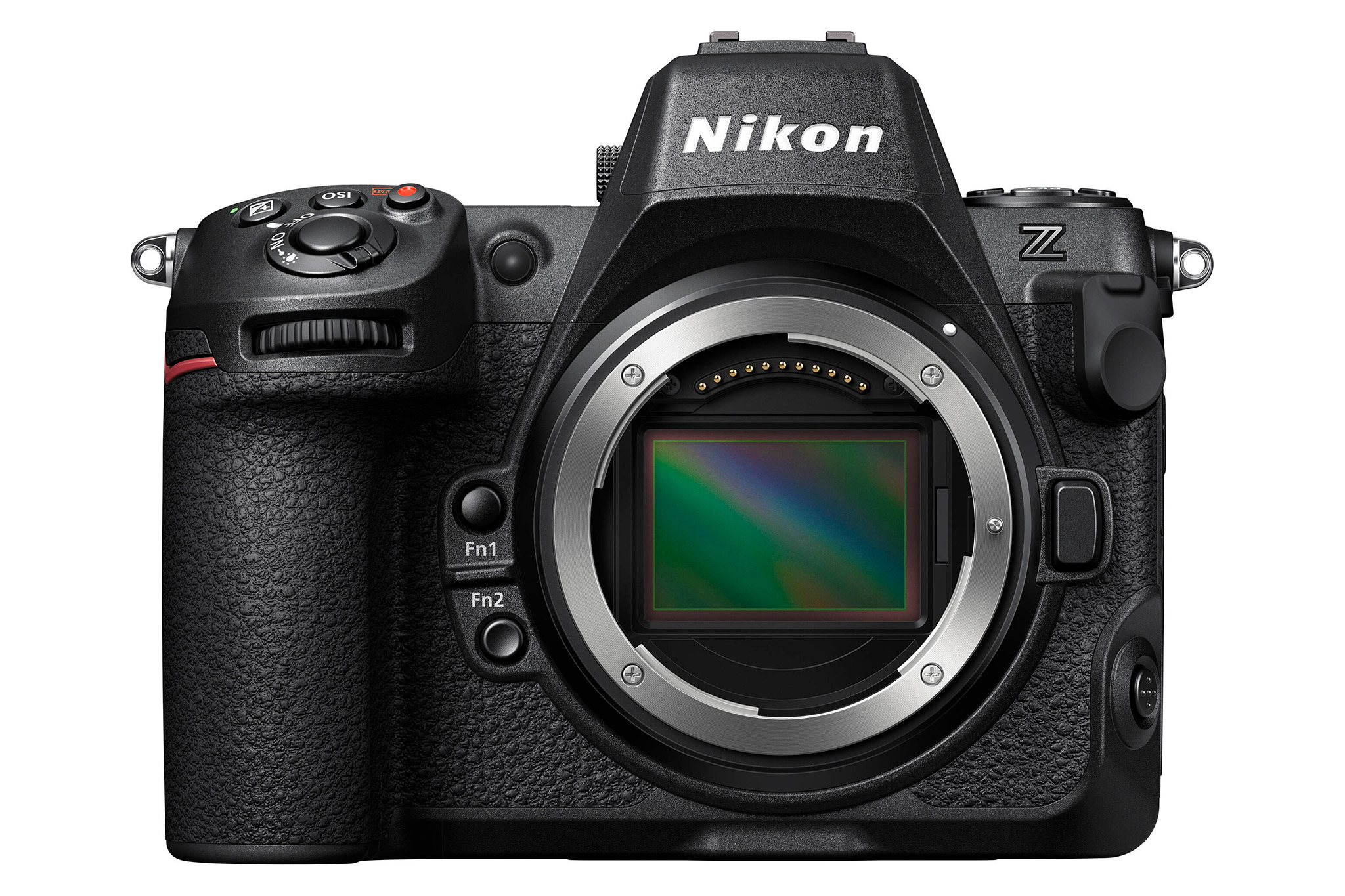
- Grip and controls: Nikon favors a slightly deeper, more comfortable grip for long handheld shoots. Canon has excellent button layout and intuitive dials for quick changes.
- Battery life: Z8 typically gives longer shooting time per battery. That matters when you can’t swap batteries often.
- Menus and workflow: Canon’s menu system is familiar to many and tailored for quick toggles; Nikon’s system is efficient once you’ve set it up.
In my event work, a better battery and grip reduce fatigue and missed shots. When I tried to decide Canon R5 II or Nikon Z8 for hybrid use, the Z8 won several long-day shoots thanks to battery life and heat handling.
Lenses, ecosystem, and workflow
Choosing a camera is also about the lenses and tools you already own. This is essential when thinking how to decide Canon R5 II or Nikon Z8 for hybrid use.
- Native lenses: Canon’s RF and Nikon’s Z mounts both have expanding lineups. Canon currently has more native lens options for cine-style work and adapters that preserve AF.
- Lens adapters: Both brands offer adapters to use legacy glass. Performance varies by lens, but both ecosystems are solid.
- Third-party support: Major third-party manufacturers support both mounts, but availability and pricing can influence your decision.
If you already own RF or Z lenses, stick with that system unless there’s a compelling reason to switch. When you’re deciding how to decide Canon R5 II or Nikon Z8 for hybrid use, factor in the total system cost, not just the camera body.

Real-world tests and personal experience
Here I share hands-on insights from hybrid shoots and tests that matter when you decide Canon R5 II or Nikon Z8 for hybrid use.
- Wedding days: I used the Z8 for full-day weddings. Its battery life and thermal control let me record long speeches and dance floor footage without interruptions.
- Documentary runs: I took the R5 II on run-and-gun shoots. Its autofocus and color saved time in post and helped capture fleeting moments.
- Mistakes to avoid: Don’t assume one camera solves every problem. I once relied on a camera’s AF and neglected lens selection. The result was missed focus on a moving subject.
My practical tip: Rent both for a weekend and shoot a typical project. The hands-on feel tells you more than specs when you decide Canon R5 II or Nikon Z8 for hybrid use.
Which should you choose? Practical buying guide
This checklist helps finalize your choice of how to decide Canon R5 II or Nikon Z8 for hybrid use. Match the camera to your priorities.
- If you prioritize color straight from camera and leading AF for fast subjects, choose Canon R5 II.
- If you need long, uninterrupted recording, better battery life, and a comfortable grip for long days, choose Nikon Z8.
- If you already own lenses for one system, weigh the cost of switching versus the gains from the other body.
- If you do mostly video-driven work with long takes, favor the Z8’s thermal management.
- If you shoot diverse events with fast action and need quick turnaround, favor the R5 II’s color and AF strengths.
Make a short list of your top three priorities. Then test the cameras against those priorities. That’s the simplest way to decide Canon R5 II or Nikon Z8 for hybrid use.
Frequently Asked Questions of How to decide Canon R5 II or Nikon Z8 for hybrid use
Is the Canon R5 II better for video than the Nikon Z8?
Both are excellent for video. The R5 II offers flexible color tools and AF strengths, while the Z8 gives longer continuous recording and better thermal control.
Which camera has better battery life for hybrid shooting?
The Nikon Z8 generally has superior battery life in real-world shooting, making it better for long events without frequent swaps.
Do I need to change lenses when switching between R5 II and Z8?
Yes. Each system has its own native lenses. Adapters are available, but native glass gives the best performance and ergonomics.
How do autofocus systems compare for moving subjects?
Both systems track well. Canon tends to be slightly more aggressive with subject transitions, and Nikon is very steady for planned, deliberate tracking.
Which camera has less overheating during long recordings?
The Nikon Z8 typically handles sustained recordings better and shows fewer thermal limits than the Canon R5 II under similar conditions.
Will color grading favor one camera over the other?
Canon often gives pleasing skin tones straight out of camera, which can reduce grading time. Nikon’s neutral files offer more control for intensive color grading.
Conclusion
Choosing between these two cameras comes down to how you work. If you want strong out-of-camera color and razor-sharp AF for fast scenes, lean toward the Canon R5 II. If you need longer runs, better battery life, and a body built for long days, the Nikon Z8 is the practical pick. Test both with your lenses and shoot a mock project before you buy. That simple step will make it clear which system supports your creative goals. Share your priorities or questions below, subscribe for more gear guides, or try both bodies for a weekend to make an informed decision.

Jamie Lee is a seasoned tech analyst and writer at MyTechGrid.com, known for making the rapidly evolving world of technology accessible to all. Jamie’s work focuses on emerging technologies, product deep-dives, and industry trends—translating complex concepts into engaging, easy-to-understand content. When not researching the latest breakthroughs, Jamie enjoys exploring new tools, testing gadgets, and helping readers navigate the digital world with confidence.