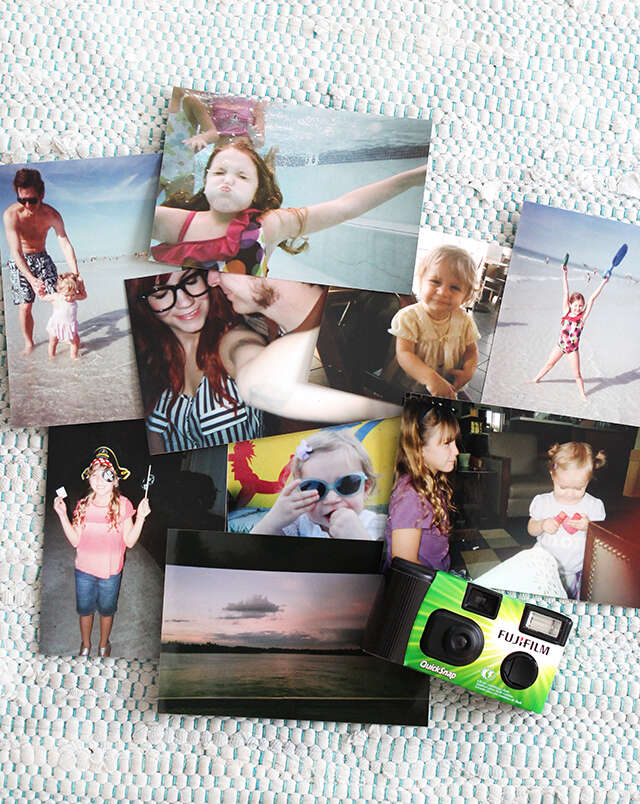
Develop disposable camera film at home using a simple tank, basic chemicals, and patient technique.
I’ve developed hundreds of rolls and I’ll walk you through how to develop disposable camera film with clear, practical steps. I’ll show what supplies you need, safety tips, step-by-step processes for both color and black-and-white film, common mistakes to avoid, and how to get good scans or prints. This guide combines hands-on experience, industry best practices, and troubleshooting so you can confidently develop disposable camera film yourself.
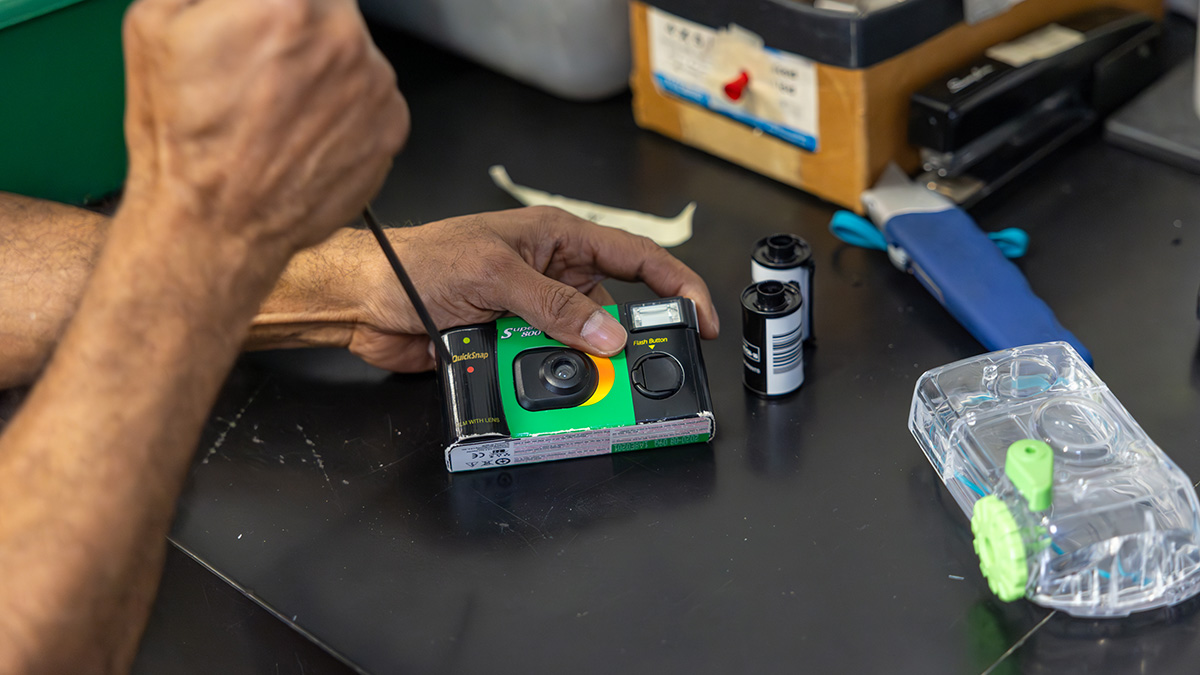
Why develop disposable camera film yourself?
Learning how to develop disposable camera film puts control back in your hands. Doing your own processing saves money and lets you experiment with creative techniques like cross-processing and push/pull development.
Processing your own rolls also teaches you the chemistry and care behind great images. With disposable camera film, most rolls are 35mm color negative, which you can develop at home or send to a lab. If you want more creative control, developing disposable camera film at home gives you fast feedback and creative freedom.

What you need: materials and equipment
Before you start, assemble reliable tools. Knowing what you need is the first step to successfully learning how to develop disposable camera film.
- Light-tight changing bag or darkroom to unload film from the disposable canister.
- Reel and developing tank sized for 35mm film.
- Thermometer for chemicals.
- Graduated cylinders and mixing bottles.
- Timer or stopwatch.
- Scissors and film squeegee or towel for drying.
- Chemicals for your chosen process:
- For color negative: a C-41 kit that includes developer, bleach, fixer (or combined blix), and stabilizer.
- For black-and-white: a developer (such as D-76, XTOL, or Rodinal), stop bath or water, and fixer.
- Gloves and goggles for safety.
- Running water source for washing negatives.
- Scanner or access to a print lab for final output.
Personal note: I always keep spare changing bags and a dedicated thermometer. Small mistakes early on usually come from wrong temperature readings or light leaks, so budget time to set up carefully.
Step-by-step: developing color (C-41) disposable camera film at home
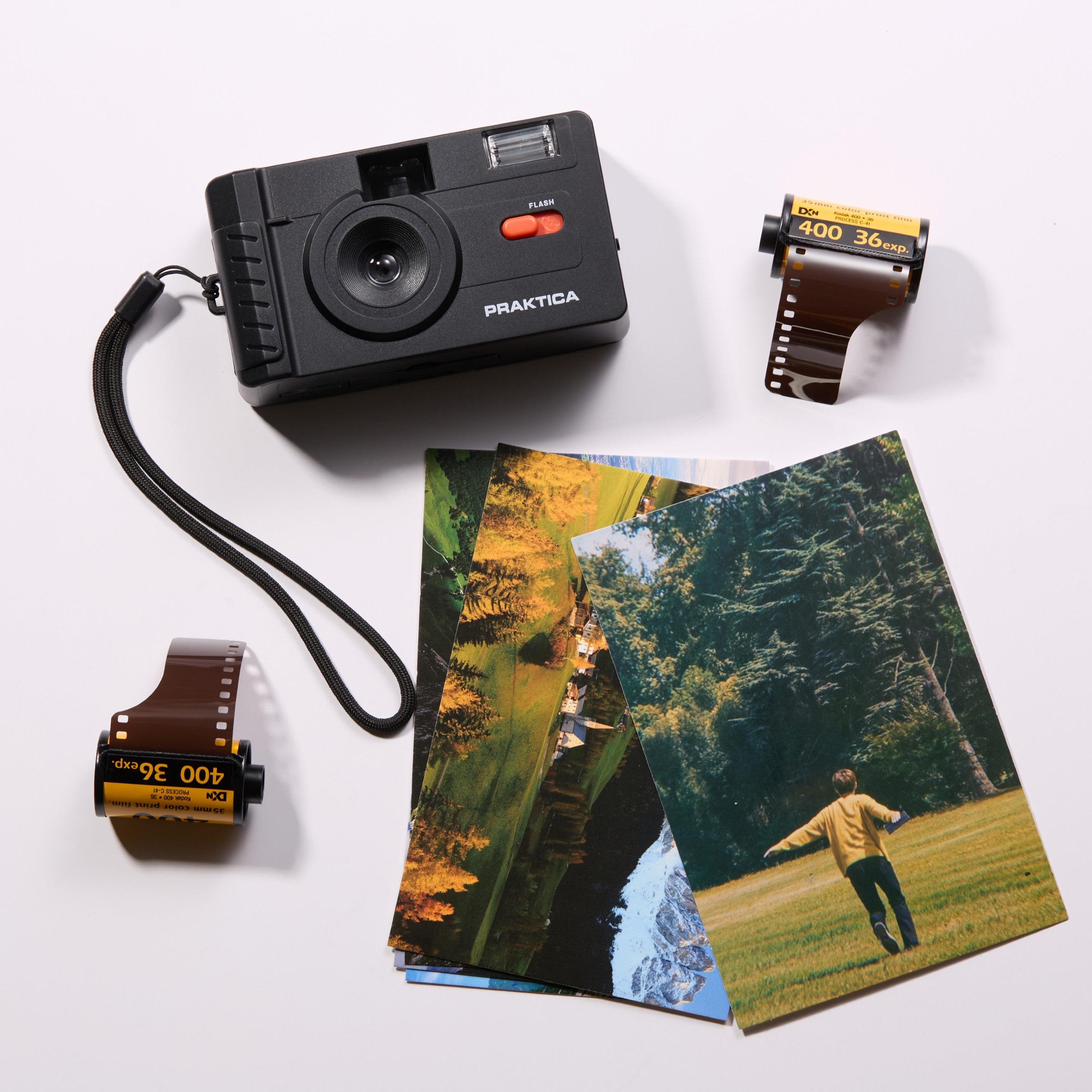
Most disposable camera film is color negative. The C-41 process requires accurate temperature control and timing, but modern home kits simplify this. Below is a practical, general workflow for how to develop disposable camera film that is color negative. Always follow your kit’s exact instructions first.
- Prepare and measure
- Mix chemicals per the kit instructions and bring them to the kit-specified temperature. Many kits aim for about 38°C (100°F); some home-friendly kits run cooler with adjusted times.
- Label bottles and set your timer.
- Load the film
- Work in a changing bag or darkroom. Cut the canister, remove the leader, and spool the film onto your tank reel. Practice this in daylight with a dummy roll if you’re new.
- Close the tank — now you can work in light.
- Prewash (optional but helpful)
- Some recommend a quick prewash with water at process temperature to bring the emulsion to temp and remove dust.
- Develop (color developer)
- Pour developer into the tank and start the timer. Follow your kit’s time and agitation schedule. Keep the solution at the recommended temperature throughout.
- Typical home kits give timed cycles; follow them precisely.
- Bleach and fix
- Rinse briefly if the kit requires, then use bleach to convert the silver to a removable salt and fixer to make the image permanent. Some kits use a combined bleach-fix (blix).
- Wash and stabilize
- Thoroughly wash the film to remove all chemicals. A stabilizer or wetting agent helps reduce water spots during drying.
- Dry and scan
- Hang negatives in a dust-free spot and allow to dry fully. Trim and store in sleeves or scan to digitize.
Tips from experience:
- Keep temperature steady. Even small fluctuations ruin color balance.
- Use clean water and properly mixed chemicals. Reuse developer only per manufacturer guidance.
- If you feel unsure, try a practice roll of inexpensive film first.
Step-by-step: developing black-and-white disposable camera film
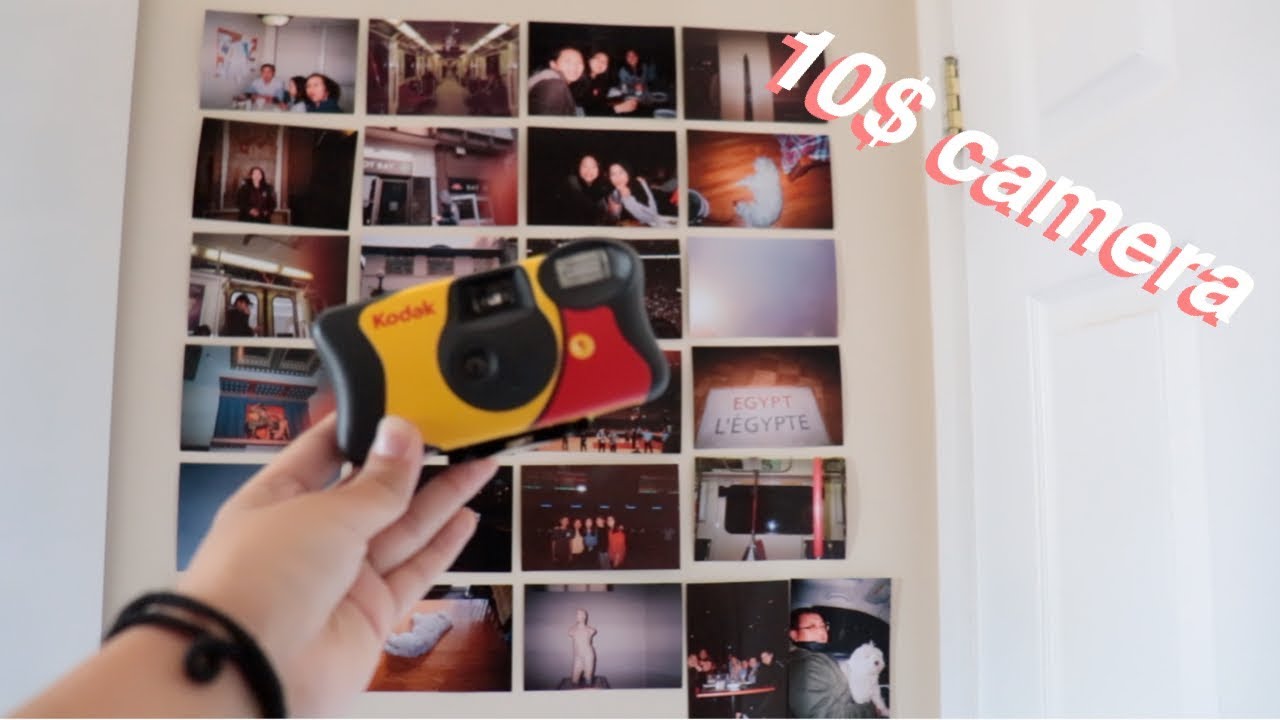
Some disposable cameras use black-and-white film, or you may choose to shoot with B&W film in a disposable. Black-and-white development is more forgiving on temperature and often easier for beginners. Here’s how to develop disposable camera film that’s black-and-white.
- Load the film
- Use a changing bag and load the film onto the reel and tank as above.
- Mix chemicals
- Prepare developer, stop bath (or plain water), and fixer. Keep developer at room temperature (commonly 20°C / 68°F) unless the developer specifies otherwise.
- Develop
- Pour developer and agitate according to the film and developer chart. Typical agitation: invert the tank for the first 30 seconds, then gentle inversions for 10 seconds every minute. Total time depends on film and developer—use a chart or app for precise times.
- Stop and fix
- Stop bath neutralizes developer. Then fix until the film clears (usually 2–5 minutes). Fixer permanence is vital; do not skip.
- Wash and final rinse
- Wash thoroughly to remove fixer. Use a wetting agent as a final rinse to prevent watermarks.
- Dry and inspect
- Dry in a dust-free area. Inspect negatives on a light source before scanning or printing.
Personal tip: I once overagitated and got grainy negatives. Gentle and consistent agitation gives more even development for small-format film like disposable camera film.
Alternative options: labs, one-hour services, and hybrid workflows
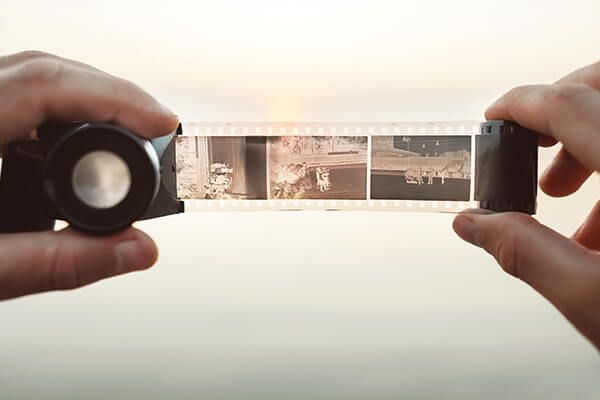
If precise temperature control or chemical handling isn’t for you, labs are an excellent alternative. They offer consistent color C-41 processing and scanning services. Here are ways to combine lab work with home development.
-
Send out only processing
- Labs process and return negatives. You scan them yourself at home for lower cost than full lab scans.
-
One-hour photo labs
- Fast and convenient for C-41. You’ll get prints and negatives quickly, but quality varies.
-
Hybrid: push your prints at home
- Some photographers develop at home and use a lab for fine scans or prints. This balances control with convenience.
I use labs for occasional high-volume runs and home processing for experimental or sentimental rolls. The hybrid approach reduces stress while keeping creative control.

Scanning, printing, and preserving negatives
Once you develop disposable camera film, handling, scanning, and storage matter. Good technique preserves your work and makes sharing easier.
-
Scanning
- Use a film scanner or flatbed with a transparency adapter. Clean negatives gently before scanning.
- Scan at 2400–3600 DPI for good quality prints or online sharing.
-
Printing
- For darkroom prints, use enlarger exposure tests and adjust contrast with graded paper or filtration.
- For digital prints, color-correct and invert negatives using scanning software or raw converters.
-
Storage
- Store negatives in archival sleeves in a cool, dry place. Avoid direct sunlight and high humidity to prevent fading.
From experience, the biggest improvement comes from careful scanning and color correction. Small exposure shifts in scanning can dramatically transform images from flat to vibrant.
Troubleshooting and common mistakes
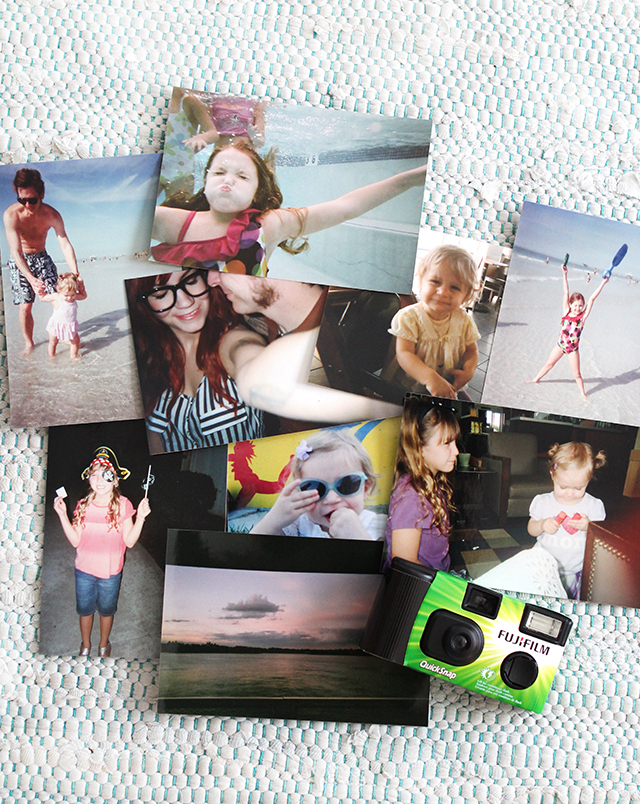
Troubleshooting helps you learn how to develop disposable camera film without losing confidence. Here are common issues and fast fixes.
-
Color shifts or flat images
- Likely due to incorrect C-41 temperature or expired chemistry. Check thermometer and freshen chemistry.
-
Uneven development or streaks
- Caused by poor agitation or dirty reels. Clean equipment and use consistent agitation.
-
Cloudy negatives or residue
- Insufficient washing or fixer exhaustion. Replace fixer and extend washing time.
-
Scratches or marks
- Mishandling film while wet. Use film squeegee or clean towels and avoid touching the emulsion side.
-
Excessive grain
- Overdevelopment, high ISO, or push processing. Reduce development time or shoot at lower exposure when possible.
I learned patience the hard way. Slowing down during loading and timing calms errors and improves results.

Frequently Asked Questions of how to develop disposable camera film
How long does it take to develop disposable camera film at home?
Developing disposable camera film takes about 30–90 minutes for black-and-white and 60–120 minutes for C-41 including setup and drying time. Drying can add several hours depending on humidity.
Can I develop color disposable camera film with household items?
You need proper C-41 chemicals and temperature control; household items alone are not sufficient for reliable color results. Home-friendly kits make the process simpler but still require proper mixing and temperature control.
Is it cheaper to develop disposable camera film myself?
Over time, yes. Initial costs for tools and chemicals can be higher, but per-roll costs drop significantly if you process multiple rolls. Labs are cheaper for occasional users.
Will developing at home ruin my negatives if I make a mistake?
Mistakes can damage a roll, but many errors are recoverable by re-washing or re-fixing. Start with expendable rolls to build confidence and reduce risk.
Can I scan negatives myself for prints and sharing?
Yes. Film scanners and flatbeds with transparency adapters let you digitize negatives for printing and web sharing. Scan resolution and color correction matter for final image quality.
Conclusion
Developing disposable camera film yourself is rewarding. You gain creative control, save money, and learn fundamentals that improve your photography. Start with basic equipment, follow safe chemical practices, and choose the right process for your film—C-41 for most color disposable rolls or black-and-white methods for simpler home processing. Practice on test rolls, keep notes on temperature and timing, and treat each roll as a learning step.
Try one roll this weekend: set up your tank, mix a kit, and follow the steps above. Share your results, ask questions, and refine your technique. If you enjoyed this guide, consider subscribing for more hands-on photo chemistry tips or leave a comment about your first developed roll.

Everett Ashford is a tech reviewer at mytechgrid.com specializing in SSDs, cameras, TVs, earbuds, headphones, and other consumer electronics. He provides honest, data-driven reviews based on hands-on testing and real-world performance analysis. Everett simplifies complex tech details to help readers make smart, confident buying decisions.