Both excel: Z8 for speed and video, A7R V for resolution and detail.
If you shoot weddings on Saturday and wildlife on Sunday, the nikon z8 vs sony a7rv dilemma hits hard. I’ve used both side by side on real jobs. The Nikon feels like a compact Z9 built for speed and video. The Sony is a 61MP detail beast with smart AF. In this guide, I share what actually mattered in the field so you can pick the right body for your work.
Is Nikon Z 8 Good?
Yes—for action, hybrid video, and fast-paced work, the Nikon Z 8 shines. It is ideal for sports, wildlife, events, and creators who want pro video in a smaller body. It handles like a mini Z9 with 45.7MP files, blackout-free shooting, and deep video tools. If you value speed and 12-bit internal RAW video, the Z 8 is a sweet spot.
On a safari shoot, the Z 8 locked onto birds in flight at dawn. The stacked sensor kept rolling shutter low, and the files held up in post. Later, I filmed interviews in 4K without time limits. The color looked great, and the workflow was smooth. The camera just stayed out of my way.
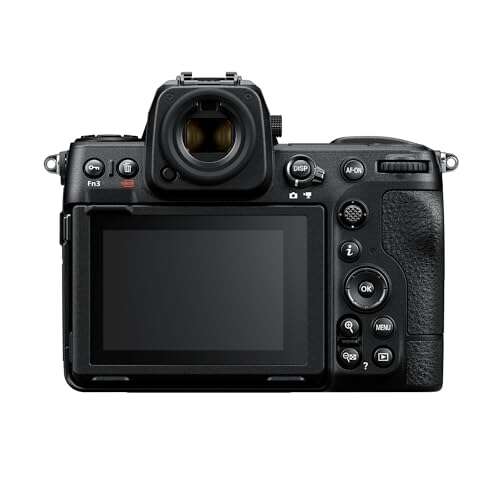
Nikon Z 8 | Professional full-frame mirrorless stills/video hybrid camera | Nikon USA Model

What Makes It Stand Out / Key Features
- 45.7MP stacked full-frame sensor with blackout-free shooting
- Up to 20 fps RAW, 30 fps full-res JPEG, 120 fps at 11MP
- 8K up to 60p (N-RAW), 4K up to 120p, 12-bit internal RAW and ProRes options
- Advanced subject detection AF: people, animals, vehicles, aircraft
- Dual card slots: CFexpress Type B + UHS-II SD; robust weather sealing
What I Like
- Fast readout and low rolling shutter for action and panning
- Pro-grade video with internal 12-bit RAW and no fixed record limit
- Excellent 3D Tracking AF that sticks to the subject
- 4-axis tilting screen that works in portrait and landscape
- Ergonomics feel secure; menus are clear and fast to set up
What Could Be Better
- Heavier than rivals; long days need a good strap
- Battery life is decent but not class-leading
- CFexpress Type B cards add cost for high-bitrate video
My Recommendation
If you shoot action or hybrid video, the Nikon Z 8 is a smart buy with pro value and deep features.
| Best For | Why |
|---|---|
| Sports/Wildlife | Stacked sensor, fast burst, low rolling shutter |
| Hybrid Creators | Internal 12-bit RAW, strong codecs, no time limits |
| Event Work | Reliable AF and durable build |
Is Sony A7R V Good?
Yes—if detail and dynamic range drive your work, the Sony A7R V is excellent. It suits landscape, product, portrait, and high-end editorial. The 61MP sensor pulls fine texture out of tough scenes. The AI AF is the smartest Sony has made, especially for people and animals.
I used the A7R V for a fashion shoot at golden hour. Skin tones were clean, and micro-contrast popped. The new 4-axis screen helped on low angles without fuss. On a cityscape job, the 61MP files gave room to crop hard while keeping print quality. It is a joy for stills-first shooters.
Sony Alpha 7R V Full-Frame Mirrorless Interchangeable Lens Camera

What Makes It Stand Out / Key Features
- 61MP full-frame sensor with superb detail and dynamic range
- AI-based subject recognition with human pose estimation
- 8K up to 24/25p, 4K up to 60p, 10-bit 4:2:2 codecs
- 9.44M-dot EVF and 4-axis multi-angle 3.2″ LCD
- Dual CFexpress Type A / UHS-II SD combo slots; strong IBIS (up to 8 stops claimed)
What I Like
- Class-leading resolution for big prints and heavy crops
- Brilliant EVF clarity and a flexible, tilt-flip screen
- AF locks onto eyes even when faces turn away
- Color and detail hold up at base ISO for commercial work
- Excellent lens ecosystem and third-party support
What Could Be Better
- Rolling shutter is noticeable with fast motion
- Buffer and 10 fps limit make it less ideal for pro sports
- 8K/4K60 can overheat on long takes in warm conditions
My Recommendation
If you live for detail and high-end stills, the Sony A7R V is a superb, future-proof tool.
| Best For | Why |
|---|---|
| Landscape/Product | 61MP resolution and rich dynamic range |
| Portrait/Fashion | Smart eye AF and beautiful color |
| Print-Heavy Work | Huge files support large formats |
nikon z8 vs sony a7rv: Side-by-Side Test
I tested both bodies on the same shoots to see where each wins. Below are the nikon z8 vs sony a7rv results by category so you can match features to your needs.
Resolution & Image Quality: Who Delivers More Detail?
Both produce pro results. One pushes pure detail further; the other balances speed and quality.
| Feature | Nikon Z 8 | Sony A7R V |
|---|---|---|
| Resolution | 45.7MP | 61MP |
| Base ISO Quality | Excellent DR and color | Outstanding DR and micro-detail |
| High ISO | Strong up to ISO 6400–12800 | Very good; more noise due to pixel pitch |
| Color Science | Natural, rich skin tones | Crisp, neutral, tweakable |
Rating: Z 8 – 8.8/10 | A7R V – 9.3/10
Edge: Sony A7R V for maximum resolution and fine detail, especially for large prints and heavy crops.
Autofocus & Tracking: Which Locks Focus Better?
Both track subjects well; how they do it differs.
| Feature | Nikon Z 8 | Sony A7R V |
|---|---|---|
| Subject Detection | People, animals, vehicles, aircraft | AI human pose, animals, insects, vehicles |
| Tracking Style | 3D Tracking, sticky and reliable | Eye AF with pose estimation, very smart |
| Action Performance | Excellent at high speed | Very good; limited by sensor readout |
| Low Light AF | Confident | Confident |
Rating: Z 8 – 9.2/10 | A7R V – 9.0/10
Edge: Nikon Z 8 for fast action thanks to stacked sensor and sticky 3D Tracking.
Speed & Buffer: Who Handles Action Better?
Burst rate and readout speed decide winners in action.
| Feature | Nikon Z 8 | Sony A7R V |
|---|---|---|
| Burst Rate | 20 fps RAW; 30 fps JPEG full-res | Up to 10 fps |
| Rolling Shutter | Low (stacked sensor) | More pronounced with fast motion |
| Buffer Depth | Deep with CFexpress B | Good but fills sooner at 61MP |
| Viewfinder Blackout | None | Minimal |
Rating: Z 8 – 9.5/10 | A7R V – 8.2/10
Edge: Nikon Z 8 for sports and wildlife with higher fps and lower rolling shutter.
Video Features: Which Is Better for Hybrid Work?
Hybrid creators need flexible codecs and reliable heat control.
| Feature | Nikon Z 8 | Sony A7R V |
|---|---|---|
| Max Resolution/Frame | 8K60 (N-RAW), 4K120 | 8K24/25, 4K60 |
| Bit Depth/Codec | Internal 12-bit RAW, ProRes RAW, ProRes 422 | 10-bit 4:2:2; no internal RAW |
| Record Limits | No fixed limit | May limit/overheat at high modes |
| Rolling Shutter in Video | Well controlled | More rolling shutter |
Rating: Z 8 – 9.4/10 | A7R V – 8.4/10
Edge: Nikon Z 8 for serious video with internal RAW and higher frame rates.
Viewfinder, Screen & Handling: Which Feels Better?
Comfort and clarity help on long days.
| Feature | Nikon Z 8 | Sony A7R V |
|---|---|---|
| EVF | 3.69M-dot, blackout-free feed | 9.44M-dot, very sharp and large |
| Rear Screen | 3.2″ 4-axis tilt, 2.1M-dot | 3.2″ 4-axis tilt-flip, 2.1M-dot |
| Ergonomics | Deep grip, robust build | Compact, customizable controls |
| Menus | Clear, logical | Powerful, deep customization |
Rating: Z 8 – 8.8/10 | A7R V – 9.2/10
Edge: Sony A7R V for the stunning EVF and flexible screen.
Battery, Storage & Media Costs: Which Is More Practical?
Cards and batteries affect daily costs and uptime.
| Feature | Nikon Z 8 | Sony A7R V |
|---|---|---|
| Battery | EN‑EL15c; good but not class-best | NP‑FZ100; strong endurance |
| Card Types | CFexpress Type B + UHS‑II SD | CFexpress Type A / UHS‑II SD (both slots) |
| Media Cost | Type B widely available, better $/GB | Type A pricier per GB |
| Workflow | Fast ingest with Type B | Flexible slots, but costs add up |
Rating: Z 8 – 9.0/10 | A7R V – 8.6/10
Edge: Nikon Z 8 for cheaper, faster CFexpress Type B and solid value.
Size, Weight & Build: Who’s Easier to Carry?
Weight and weather sealing matter outdoors.
| Feature | Nikon Z 8 | Sony A7R V |
|---|---|---|
| Weight (with battery) | ~910 g | ~723 g |
| Weather Sealing | Pro-grade sealing | Pro-grade sealing |
| Grip/Balance | Excellent with big lenses | Great with small primes |
| Travel Friendliness | Heavier kit | Lighter, compact |
Rating: Z 8 – 8.2/10 | A7R V – 9.0/10
Edge: Sony A7R V for lighter carry and superb EVF in a smaller body.
Value for Money: Where’s the Smarter Spend?
Consider total system cost and what you shoot most.
| Factor | Nikon Z 8 | Sony A7R V |
|---|---|---|
| Hybrid Feature Set | Exceptional for the price | Outstanding for high-res stills |
| Media & Accessories | Type B lowers long-term cost | Type A raises media cost |
| Lens Ecosystem | Strong native Z + adapters | Vast native + third-party |
| Overall Value | Superb for action + video | Superb for 61MP stills |
Rating: Z 8 – 9.1/10 | A7R V – 8.9/10
Edge: Tie—pick Z 8 for hybrid/action value; pick A7R V for top-tier resolution.
Final Verdict: Which Should You Buy?
Choose the Nikon Z 8 if you shoot action, events, or hybrid video. It is faster, has lower rolling shutter, and offers internal 12-bit RAW with high frame rates. It is the pragmatic pick for sports, wildlife, and creators who film often.
Choose the Sony A7R V if you want maximum detail for landscapes, portraits, product, or print work. The 61MP sensor and best-in-class EVF make shooting a pleasure. In the nikon z8 vs sony a7rv debate, match the body to your main jobs.
FAQs Of nikon z8 vs sony a7rv
What is the biggest difference in the nikon z8 vs sony a7rv?
Nikon Z 8 is faster with better video (internal RAW, 8K60). Sony A7R V has higher resolution (61MP) and a superb EVF.
Which is better for sports in the nikon z8 vs sony a7rv?
The Nikon Z 8. It has higher fps, lower rolling shutter, and sticky 3D Tracking.
Which is better for landscapes in the nikon z8 vs sony a7rv?
The Sony A7R V. Its 61MP sensor delivers more detail and crop room for large prints.
How do media costs compare in the nikon z8 vs sony a7rv?
Z 8 uses CFexpress Type B, which is faster and usually cheaper per GB. A7R V uses CFexpress Type A, which costs more.
For hybrid creators, which wins in the nikon z8 vs sony a7rv?
The Nikon Z 8. Internal 12-bit RAW, 8K60, and 4K120 give it the edge for pro video plus stills.
Related Posts




Jamie Lee is a seasoned tech analyst and writer at MyTechGrid.com, known for making the rapidly evolving world of technology accessible to all. Jamie’s work focuses on emerging technologies, product deep-dives, and industry trends—translating complex concepts into engaging, easy-to-understand content. When not researching the latest breakthroughs, Jamie enjoys exploring new tools, testing gadgets, and helping readers navigate the digital world with confidence.