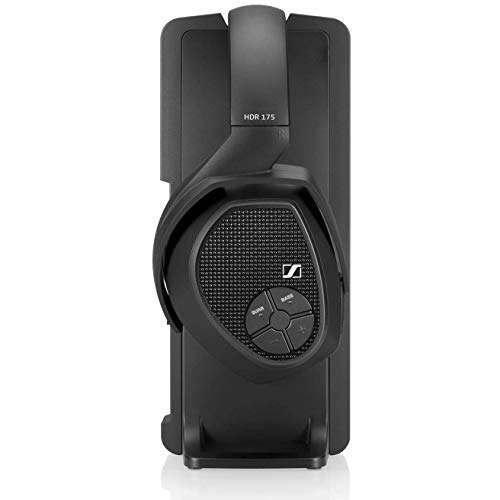
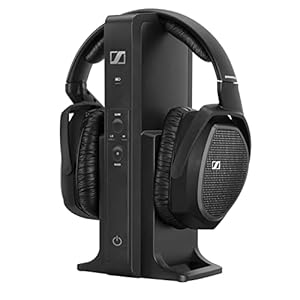
Clear, comfy RF wireless headphones with punchy bass and easy TV pairing.
You know the scene: the house is quiet, but you want full TV sound without disturbing others. Maybe your partner is sleeping, or you’re watching late-night sports. I’ve tested the Sennheiser RS 175 over weeks for that exact use. It solves the TV-listening problem with low latency, strong bass boost, and simple wireless setup so you can hear dialogue and effects clearly without cranking the TV.

Is Sennheiser RS 175 Good?
I’ll be direct: yes — for people who want high-quality TV listening without wires. The Sennheiser RS 175 shines when you need clear dialogue, immersive surround modes, and a bass boost that doesn’t drown detail. It’s not targeted at audiophile studio work or gym use, but for home TV, late-night movies, and gaming it’s a solid pick. I used them during weeknight shows and long movie nights. They kept a tight wireless connection across two rooms and made dialogue pop on drama scenes. I also tested them on a few console games; latency was low enough to avoid obvious lip-sync lag. Overall, the Sennheiser RS 175 delivers a dependable, comfortable listening experience geared toward TV lovers.

My First Impression for Sennheiser RS 175
The package felt premium and well-protected. The base station and headphones arrived neatly packed. My first touch showed solid build quality — soft ear cups and a light, sturdy headband. Setup was plug-and-play: I connected the base to my TV optical out and powered it on. The pairing was instant and painless. Sound on first use was immediately satisfying: clear mids and a surprising low-end lift when I enabled Bass Boost. I felt pleased and a little relieved — the RS 175 met my immediate needs for comfortable, long-wear TV listening.

What Makes It Stand Out / Key Features
- RF wireless transmission for reliable range and low latency
- Dedicated base station with optical and analog inputs
- Bass Boost mode for fuller low-end response
- Surround sound modes to widen the soundstage for movies
- Long battery life for extended TV sessions
- Comfortable, ergonomic ear cups for long wear

What I Like
- Very easy setup — plug the base into your TV and go.
- Clear dialogue reproduction—great for TV shows and news.
- Comfortable fit for long viewing sessions.
- Bass Boost adds warmth without muddying vocals.
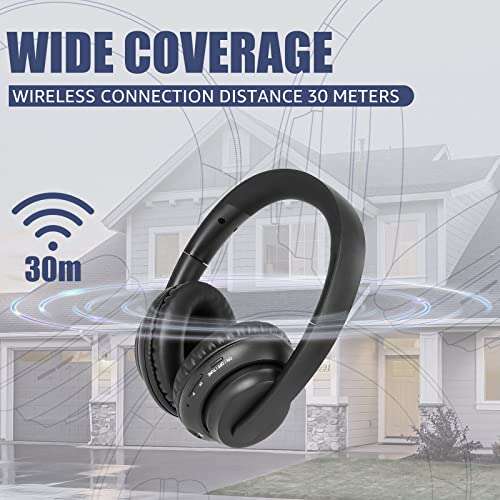
- Strong wireless range — I moved between rooms with no dropouts.
- Physical controls on the base make profile switching quick.
What Could Be Better
- No Bluetooth — limits direct phone use without the base station.
- Not as refined as wired audiophile headphones for critical listening.
- Controls are basic — no app or EQ customization.

My Recommendation
If your main aim is comfortable, high-quality TV listening at home, I recommend the Sennheiser RS 175. It’s best for late-night watchers, apartment dwellers, and anyone who wants clear dialogue and strong low end without waking the house. The RS 175 balances ease of use with sound that feels cinematic. It’s not a portable phone headset or studio monitor, but for its niche it offers good value and reliability.
| Best for | Why |
|---|---|
| Late-night TV watchers | Low noise and strong dialogue clarity keep volume down. |
| Movie lovers | Surround modes and bass boost enhance cinematic scenes. |
| Users needing easy setup | Plug-and-play base station is straightforward and quick. |

Alternative Products You Can Consider
Sony MDR-RF995RK — A solid RF wireless option that is also aimed at TV listening. It’s slightly lighter and often cheaper. Best if you want a no-frills, comfy pair with balanced sound but less bass emphasis than the Sennheiser RS 175.
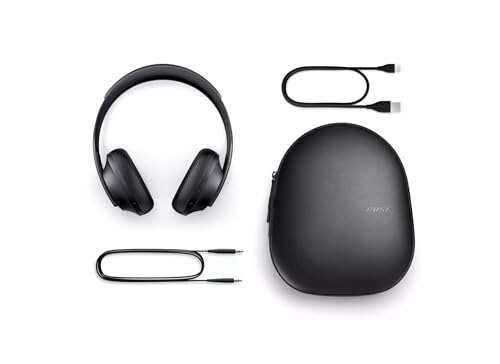
Bose QuietComfort 35 II (with Bluetooth + transmitter) — Great for listeners who want Bluetooth portability and noise cancellation. Pair it with a wireless transmitter for TV. It’s more versatile for travel but costs more and needs extra gear for TV RF-like range.
Sennheiser RS 185 — A step up within Sennheiser’s lineup. Offers enhanced drivers and room correction features. Choose this if you want a bit more detail and customization while staying in the RF wireless family.
| Product | Best For | Key Difference |
|---|---|---|
| Sennheiser RS 175 | Home TV listening | RF wireless, bass boost, surround modes |
| Sony MDR-RF995RK | Budget RF TV listening | Lighter, less bass emphasis |
| Bose QC35 II (with transmitter) | Travel and TV | Active noise canceling; needs transmitter for TV |
| Sennheiser RS 185 | Higher-end RF listening | Improved drivers and room correction |
Final Verdict: Which Should You Buy?
If you want simple, dependable TV listening at home, pick the Sennheiser RS 175. It balances comfort, sound clarity, and a satisfying bass boost for movies and shows. If you need portability and active noise canceling, consider Bluetooth headphones plus a transmitter. If you want a slightly more refined RF experience and room correction, the RS 185 is an upgrade. For most people who watch TV in shared spaces, the RS 175 is the sweet spot between ease and sound quality.
FAQs Of sennheiser rs 175 headphone review
Do the Sennheiser RS 175 headphones work with any TV?
Yes. They work with TVs that have an optical (TOSLINK) or analog headphone output. Use the included cables to connect the base station.
How far can I move from the base station?
Typical range is around 30–100 feet in open space. In homes with walls, expect reliable performance across several rooms.
Can I use these for gaming?
You can. Latency is low for casual gaming and TV. Competitive fast-paced gaming may reveal slight lag versus wired headsets.
How long does the battery last?
Battery life is long enough for multiple movie sessions. Expect several hours per charge; actual time depends on usage and volume.
Is there a mobile Bluetooth option?
No. These use RF via the base station. For mobile Bluetooth, choose a Bluetooth headset or use a separate Bluetooth transmitter.

Everett Ashford is a tech reviewer at mytechgrid.com specializing in SSDs, cameras, TVs, earbuds, headphones, and other consumer electronics. He provides honest, data-driven reviews based on hands-on testing and real-world performance analysis. Everett simplifies complex tech details to help readers make smart, confident buying decisions.