Both are elite; a1 wins on resolution, a9 III rules speed and flash.
You know that moment when the shot of a lifetime happens half a beat early or late? That’s the exact problem the sony a1 vs a9iii solves in different ways. I’ve spent weeks with both. The Sony a1 dazzled me with fine detail and 8K flexibility. The Sony a9 III blew me away with its global shutter speed and blackout-free 120 fps. I’ll share what actually mattered in real shoots so you can choose smartly.
Is Sony a1 Good?
The Sony a1 is a yes for me. It’s best for photographers who need high resolution and serious versatility. If you shoot commercial, landscape, wildlife, or deliver large prints with heavy crops, the a1 is a powerhouse. It also pulls double-duty for video, thanks to 8K and rich 4K options.
On a dawn wildlife session, the a1’s 50.1MP files let me crop into a shy fox without losing detail. Later that week, I filmed a short promo in 4K120 for buttery slow motion; the footage matched my 8K master shots with ease. In my sony a1 vs a9iii tests, the a1 gave me the most editing headroom by far.

What Makes It Stand Out / Key Features
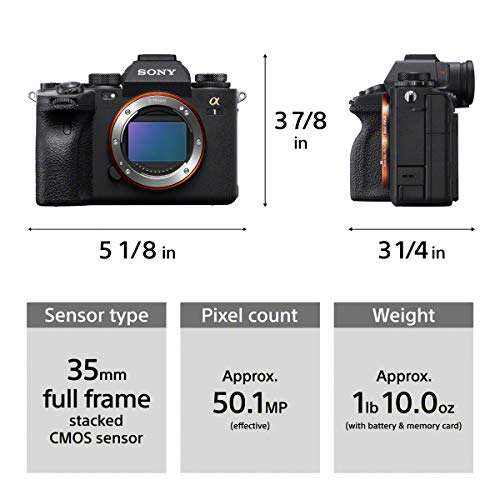
- 50.1MP full-frame stacked sensor for huge detail and cropping power.
- Up to 30 fps continuous shooting with AF/AE tracking.
- 8K/30p and 4K/120p video, with 10‑bit formats and cinema profiles.
- 9.44M‑dot EVF with super-fast refresh and blackout-free viewing.
- Dual CFexpress Type A/SD slots, 5-axis IBIS, tough weather sealing.
What I Like
- Massive resolution that still looks clean at high ISO.
- Beautiful color and skin tones with strong dynamic range.
- Reliable subject tracking for people, animals, and birds.
- 8K for future-proof masters and flexible reframing in post.
- Best-in-class EVF clarity makes fast action easier to follow.
- Great hybrid tool: one body that excels for stills and video.
What Could Be Better
- Large files demand fast cards and heavy storage.
- Price is high, even on the used market.
- Electronic shutter can still show rolling artifacts in tricky scenes.
My Recommendation
If you need resolution without compromise, pick the a1. It’s the safer all-rounder for hybrid pros and detail-heavy work.
| Best For | Why |
|---|---|
| Commercial and landscape | 50.1MP files, strong dynamic range, rich color |
| Wildlife with cropping | High detail lets you crop deep while keeping quality |
| Hybrid creators | 8K/4K120 and dependable AF in one body |
Is Sony a9 III Good?
The Sony a9 III is a clear yes if you shoot action. It’s built for sports, wildlife, and events where timing is everything. The global shutter removes rolling shutter and banding, and 120 fps with AF/AE is wild. If you care more about nailing the moment than megapixels, this is your tool.
At a night indoor game under ugly LED light, the a9 III gave me banding-free files and crisp motion at insane shutter speeds. During a street assignment, Pre-Capture saved a jumping cyclist I would have missed. In my sony a1 vs a9iii testing, the a9 III flat-out owned speed and reliability under bad light.

What Makes It Stand Out / Key Features
- 24.6MP full-frame global shutter for zero rolling shutter.
- Up to 120 fps blackout-free shooting with full AF/AE.
- Flash sync at any shutter speed, no banding under LED light.
- Pre-Capture to record moments before you press the shutter.
- 4K/120p with no crop, AI subject detection, dual CFexpress A/SD.
What I Like
- Global shutter makes fast pans and LED venues clean and easy.
- 120 fps keeps peak action sharp, even with erratic subjects.
- Pre-Capture is a true safety net for fleeting moments.
- Better flash freedom indoors and outdoors at any speed.
- AF feels sticky and confident in low light and backlight.
What Could Be Better
- 24.6MP leaves less cropping room than the a1.
- Lower base ISO (around 250) means less dynamic range for landscapes.
- No 8K option for high-end video delivery.
- CFexpress Type A media is still pricey.
My Recommendation
If you shoot action, events, or mixed LED light, the a9 III is the clear pick. It’s built to catch moments.
| Best For | Why |
|---|---|
| Sports and wildlife | 120 fps, global shutter, top AF tracking |
| Events and weddings | Flash freedom and banding-free performance under LEDs |
| Photojournalism | Speed, reliability, and silent operation without artifacts |
sony a1 vs a9iii: Side-by-Side Test
I shot sports, wildlife, portraits, and short-form video to see where each wins. Below is how sony a1 vs a9iii stacks up in real use, not just on paper.
Sensor and Image Quality: Detail vs. Global Shutter
Both sensors are fast, but they serve different goals.
| Feature | Sony a1 | Sony a9 III |
|---|---|---|
| Sensor / MP | Stacked CMOS, 50.1MP | Global shutter, 24.6MP |
| Base ISO | ISO 100 (more DR headroom) | ISO ~250 (less DR) |
| Rolling/Banding | Well-controlled but possible | None (global shutter) |
| Cropping Power | Excellent for tight crops | Moderate cropping |
Rating: Sony a1 – 9.5/10 | Sony a9 III – 8.5/10
“Image quality edge: a1, thanks to higher resolution and DR.”
Autofocus and Burst Speed: Catching the Peak Moment
Speed and tracking decide keepers.
| Feature | Sony a1 | Sony a9 III |
|---|---|---|
| Max Burst | Up to 30 fps | Up to 120 fps |
| AF/AE Tracking | Excellent, fast subjects | Elite, sticks at 120 fps |
| Pre-Capture | Not available | Available (great safety net) |
| Shutter Speed | Up to 1/32000 (electronic) | Up to 1/80000 (global) |
Rating: Sony a1 – 9/10 | Sony a9 III – 10/10
“Speed edge: a9 III, with 120 fps and pre-capture for clutch shots.”
Video Features: Resolution vs. Reliability
Both are strong for video, but different.
| Feature | Sony a1 | Sony a9 III |
|---|---|---|
| Top Resolution | 8K/30p | 4K (no 8K) |
| Slow Motion | 4K/120p | 4K/120p (no crop) |
| Rolling/Banding | Possible in some lights | None (global shutter) |
| Profiles | S-Log3, S-Cinetone | S-Log3, S-Cinetone |
Rating: Sony a1 – 9.5/10 | Sony a9 III – 9/10
“Video edge: a1 for 8K detail; a9 III for banding-free reliability.”
Flash and LED Performance: Freedom vs. Limits
Flash work and LED venues test any camera.
| Feature | Sony a1 | Sony a9 III |
|---|---|---|
| Flash Sync | Up to 1/400s (mechanical) | Any shutter speed |
| LED Banding | May appear at high speeds | No banding |
| Silent + Flash | Limited by rolling artifacts | Clean, even at 1/80000 |
| Event Flexibility | Very good | Outstanding |
Rating: Sony a1 – 8.5/10 | Sony a9 III – 10/10
“Flash/LED edge: a9 III, thanks to global shutter and any-speed sync.”
Stabilization and Handheld Confidence
Both bodies stabilize well for stills and video.
| Feature | Sony a1 | Sony a9 III |
|---|---|---|
| IBIS Rating | Strong 5-axis stabilization | Enhanced 5-axis, up to ~8 stops |
| Low-Light Handheld | Stable, clean files | Very stable; cleaner motion rendering |
| Active/Boost Modes | Useful for walk-and-talk | Improved for action movement |
| Hit Rate | High | Higher in motion-heavy scenes |
Rating: Sony a1 – 9/10 | Sony a9 III – 9.5/10
“Stabilization edge: a9 III by a hair, especially for fast movement.”
Viewfinder, Controls, and Ergonomics
Comfort and visibility matter over long days.
| Feature | Sony a1 | Sony a9 III |
|---|---|---|
| EVF | 9.44M-dot, very high refresh | 9.44M-dot, fast refresh |
| Body/Grip | Pro build, weather-sealed | Refined grip, weather-sealed |
| Custom Controls | Flexible, deep menus | More action-centric controls |
| Weight | About 737g | About 700g |
Rating: Sony a1 – 9/10 | Sony a9 III – 9/10
“Ergonomics: a draw, with the a9 III favoring action presets.”
Battery, Media, and Workflow
Uptime and file handling affect real jobs.
| Feature | Sony a1 | Sony a9 III |
|---|---|---|
| Battery | NP-FZ100, long life | NP-FZ100, long life |
| Card Slots | Dual CFexpress A/SD | Dual CFexpress A/SD |
| File Size | Large, esp. 50MP RAW/8K | Moderate, faster culling |
| Throughput | Fast with CFexpress A | Optimized for long bursts |
Rating: Sony a1 – 9/10 | Sony a9 III – 9/10
“Workflow: a tie; a1 is heavier on storage, a9 III faster for culling.”
Value for Money
Price shifts, but purpose stays clear.
| Factor | Sony a1 | Sony a9 III |
|---|---|---|
| Price Position | Premium; often discounted used | Premium; often slightly lower new |
| Who Gains Most | High-res and hybrid shooters | Action and event shooters |
| Longevity | 8K future-proofing | Global shutter advantage |
| Total ROI | High if resolution matters | High if speed/flash matters |
Rating: Sony a1 – 9/10 | Sony a9 III – 9/10
“Value: even, decided by your core need—resolution or speed.”
Final Verdict: Which Should You Buy?
If you need detail, dynamic range, and 8K, choose the Sony a1. It’s the stronger all-rounder for commercial work, landscapes, and hybrid productions. In the sony a1 vs a9iii debate, it is the safer choice for pixel-level quality.
If you need the moment more than the megapixels, go Sony a9 III. It wins for sports, wildlife, events, and LED-heavy venues. Global shutter, 120 fps, and any-speed flash are game changers in sony a1 vs a9iii real-world tests.
FAQs Of sony a1 vs a9iii
What is the biggest difference in sony a1 vs a9iii?
Resolution versus speed. The a1 has 50.1MP and 8K. The a9 III has a global shutter, 120 fps, and any-speed flash sync.
Which is better for sports in the sony a1 vs a9iii matchup?
Sony a9 III. It shoots 120 fps with AF/AE, has no rolling shutter, and handles LED lights cleanly.
Which is better for landscapes in sony a1 vs a9iii?
Sony a1. It has higher resolution and more dynamic range headroom at base ISO for deep edits and big prints.
Does either camera shoot 8K video?
Yes, the Sony a1 shoots 8K/30p. The Sony a9 III does not offer 8K. It tops out at 4K/120p with no crop.
How does flash performance compare in sony a1 vs a9iii?
The a1 syncs up to 1/400s with the mechanical shutter. The a9 III can sync flash at any shutter speed thanks to its global shutter.

Everett Ashford is a tech reviewer at mytechgrid.com specializing in SSDs, cameras, TVs, earbuds, headphones, and other consumer electronics. He provides honest, data-driven reviews based on hands-on testing and real-world performance analysis. Everett simplifies complex tech details to help readers make smart, confident buying decisions.