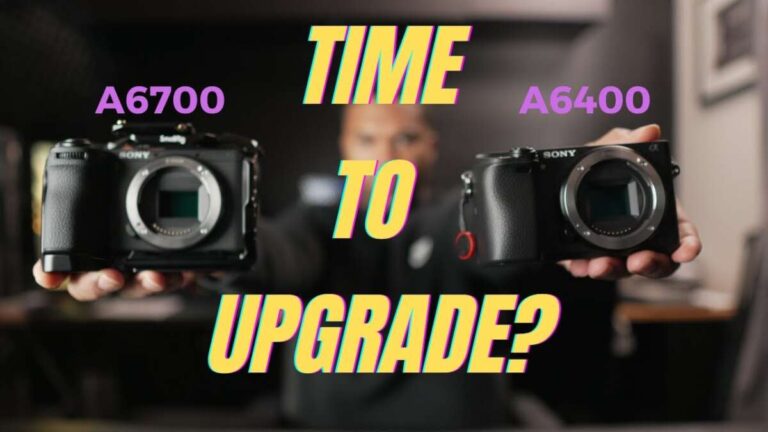
Both are excellent—A6700 for modern video and AF, A7 III for full‑frame stills.
You have a shoot tomorrow and need one camera that can do it all. That’s where the sony a6700 vs a7iii debate hits home for me. The A6700 brings fresh video tools and AI smarts. The A7 III brings that full-frame look and legendary battery life. I’ve used both on real gigs. Here’s what I found so you can choose with confidence.
Is Sony a6700 Good?
Yes, for many creators, the Sony a6700 is a great pick. It is compact, fast, and smart. It shines for YouTube, travel, run‑and‑gun, and hybrid work. If you value 10‑bit video, sticky autofocus, and a flip screen, it fits right in. If you often shoot low light portraits or want more blur, it can still do it, but a full‑frame body does it easier.
On a recent city walk, I filmed B‑roll at 4K60 in S‑Cinetone. The camera stayed cool and focused on people without fuss. Later, I shot a quick talking head with a small mic. I used the flip screen, loaded a LUT in post, and was done fast. The sony a6700 vs a7iii choice felt simple that day—the A6700 was the lighter, smarter tool.
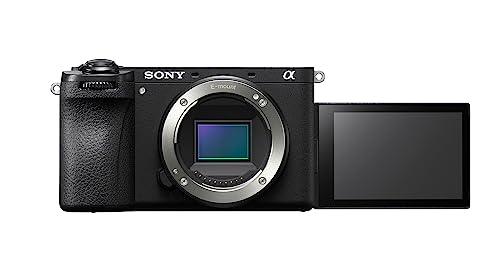
Sony Alpha 6700 – APS-C Interchangeable Lens Camera with 26 MP sensor, 4K video, AI-Based Subject Recognition, Log Shooting, LUT Handling and Vlog Friendly Functions
What Makes It Stand Out / Key Features
- 26MP APS‑C BSI sensor with crisp detail and strong dynamic range
- 4K up to 120p, 10‑bit 4:2:2, S‑Log3 and S‑Cinetone profiles
- AI‑based subject recognition for people, animals, birds, vehicles
- 5‑axis IBIS with Active mode for steadier video
- Fully articulating touchscreen, USB‑C, mic and headphone ports
What I Like
- Autofocus is sticky and smart in both photo and video
- Video files grade well thanks to 10‑bit color
- Flip screen makes framing and vlogging easy
- Compact body fits small bags and travel rigs
- USB‑C streaming support is great for quick live sessions
- Excellent heat handling for longer 4K takes
What Could Be Better
- Single SD card slot limits redundancy
- 4K/120p has a crop and needs fast cards
- APS‑C needs faster glass to match full‑frame blur
- Micro HDMI feels fragile on rigs
My Recommendation
If you do hybrid work, travel video, or content creation, the A6700 is hard to beat for size, features, and speed.
| Best For | Why |
|---|---|
| Creators and vloggers | Flip screen, 10‑bit color, AI AF |
| Travel shooters | Light body, great battery, USB‑C |
| Hybrid video + photo | Strong codecs and quick stills AF |
Is Sony a7 III Good?
It depends on your needs, but yes, the Sony a7 III is still strong. It delivers classic full‑frame image quality at a great value, especially used. Stills look clean and rich. Low light is easier. For video, it is solid at 4K30, but it lacks 10‑bit and modern subject recognition.
I shot a wedding with the a7 III as my main stills body. Faces looked clean at high ISO. The battery kept going through long ceremonies. Later, I filmed speeches at 4K in Super 35 for better detail. The sony a6700 vs a7iii comparison was clear that day—the A7 III owned low light and battery life, but it felt dated for video features.
Sony a7 III ILCE7M3/B Full-Frame Mirrorless Interchangeable-Lens Camera with 3-Inch LCD, Body Only,Base Configuration,Black

What Makes It Stand Out / Key Features
- 24MP full‑frame sensor with clean high‑ISO performance
- 5‑axis IBIS and excellent battery life
- 4K up to 30p, oversampled in Super 35 mode
- Dual SD card slots for backup
- Robust build, weather sealing, wide E‑mount lens choices
What I Like
- Low light performance and full‑frame look
- Dual slots for safe event work
- Long battery life that keeps stress low
- Great stills color and dynamic range
- Huge used lens market and accessory support
What Could Be Better
- Only 8‑bit video and no 4K60
- Older AF tracking compared to new Sony bodies
- Tilt screen only, limited touch control
- One SD slot is UHS‑I, which slows some workflows
My Recommendation
If you shoot portraits, weddings, and low‑light stills, or want dual slots on a budget, the A7 III still delivers.
| Best For | Why |
|---|---|
| Event photographers | Dual cards, long battery, clean ISO |
| Portrait shooters | Full‑frame depth of field and tones |
| Hybrid shooters on a budget | Strong stills with decent 4K30 |
sony a6700 vs a7iii: Side-by-Side Test
I tested both on real shoots: street, interviews, and events. The sony a6700 vs a7iii match‑up comes down to your work. Below are the key areas that shaped my choice.
Image Quality & Low Light: Which Looks Better?
Both produce clean files, but the sensor size matters here.
| Spec | Sony a6700 | Sony a7 III |
|---|---|---|
| Sensor | APS‑C, 26MP BSI | Full‑frame, 24MP |
| High ISO | Good up to high ISO with care | Stronger noise control |
| Depth of Field | Less blur for same framing | More blur, easier subject separation |
| Dynamic Range feel | Flexible, grades well | Rich tones, forgiving shadows |
Ratings: A6700 – 8.5/10 | A7 III – 9/10
Edge: A7 III for low light and full‑frame depth. Files are cleaner and creamier.
Autofocus & Tracking: Which Is Smarter?
AF is good on both, but the newer system shows.
| Aspect | Sony a6700 | Sony a7 III |
|---|---|---|
| Subject Recognition | AI engine for people/animals/birds/vehicles | Older Eye AF and tracking |
| Video AF | Very sticky and smooth | Good, but hunts at times |
| Coverage | Wide frame coverage | Wide, but older logic |
| Reliability in mixed light | Excellent | Good |
Ratings: A6700 – 9.5/10 | A7 III – 8.5/10
Edge: A6700. The AI AF saves shots and time, especially in video.
Video Features: Which Helps Creators More?
Here the sony a6700 vs a7iii split is clear.
| Feature | Sony a6700 | Sony a7 III |
|---|---|---|
| Max 4K Frame Rate | 4K120 (with crop) | 4K30 |
| Bit Depth / Chroma | 10‑bit 4:2:2 internal | 8‑bit 4:2:0 internal |
| Profiles | S‑Log3, S‑Cinetone, LUT-friendly | S‑Log2/3, no S‑Cinetone |
| Overheating | Well‑managed for long takes | Generally fine at 4K30 |
Ratings: A6700 – 9/10 | A7 III – 7.5/10
Edge: A6700. The codecs, frame rates, and screen are creator‑friendly.
Handling & Screens: Which Is Easier to Use?
Control layout and screens affect speed on set.
| Aspect | Sony a6700 | Sony a7 III |
|---|---|---|
| Screen | Fully articulating touchscreen | Tilt-only, limited touch |
| EVF | 2.36M‑dot, fast refresh | 2.36M‑dot |
| Grip | Compact, solid | Larger, very comfortable |
| Menus | Newer UI, touch helps | Older UI |
Ratings: A6700 – 9/10 | A7 III – 8/10
Edge: A6700 for screen and UI; A7 III for a bigger, comfy grip.
Stabilization & Run-and-Gun: Which Stays Steadier?
IBIS and digital aids matter for hand‑held work.
| Aspect | Sony a6700 | Sony a7 III |
|---|---|---|
| IBIS | 5‑axis, with Active video mode | 5‑axis IBIS |
| Walking Shots | Smoother with Active + lens OSS | Good with OSS lenses |
| Rigging | Light, easy to balance | Heavier but stable |
| Rolling Shutter | Well‑controlled in most modes | More wobble in some 4K modes |
Ratings: A6700 – 8.5/10 | A7 III – 8/10
Edge: A6700, thanks to Active mode and lighter build.
Battery, Cards & Connectivity: Which Works Longer?
All‑day shoots need endurance and backup.
| Aspect | Sony a6700 | Sony a7 III |
|---|---|---|
| Battery | NP‑FZ100, strong but a bit less | NP‑FZ100, class‑leading life |
| Card Slots | Single SD UHS‑II | Dual SD (one UHS‑II, one UHS‑I) |
| Ports | USB‑C, mic, headphone, micro HDMI | USB‑C + micro‑USB, mic, headphone, micro HDMI |
| Streaming | UVC/UAC over USB‑C | Works with capture, less plug‑and‑play |
Ratings: A6700 – 8/10 | A7 III – 8.5/10
Edge: A7 III for battery and dual slots; A6700 for modern USB‑C streaming.
Size & Travel: Which Packs Lighter?
Weight and lens size matter on the move.
| Aspect | Sony a6700 | Sony a7 III |
|---|---|---|
| Body Size | Smaller, lighter | Larger, heavier |
| Lens Options | APS‑C lenses are smaller | Full‑frame lenses are bigger |
| Travel Kit | Fits small sling bag | Needs larger bag |
| Gimbals | Easier to balance | Heavier on motors |
Ratings: A6700 – 9/10 | A7 III – 8/10
Edge: A6700. It keeps bags light and setups quick.
Value for Money: Which Is the Better Buy?
Prices shift, but patterns are clear.
| Aspect | Sony a6700 | Sony a7 III |
|---|---|---|
| New Body Value | Excellent features for the price | Good if discounted |
| Used Market | Solid savings available | Very strong value used |
| Future‑proofing | 10‑bit, AI AF, modern I/O | Still strong stills, older video |
| System Cost | APS‑C lenses can be cheaper | Full‑frame glass costs more |
Ratings: A6700 – 9/10 | A7 III – 8.5/10
Edge: A6700 for new buyers; A7 III shines as a used full‑frame bargain.
Final Verdict: Which Should You Buy?
If your work leans to video, hybrid content, or travel, pick the A6700. It brings 10‑bit files, AI AF, a flip screen, and modern I/O. It wins the sony a6700 vs a7iii match for creators today.
If you shoot portraits, weddings, or low‑light stills, the A7 III still rocks. You get full‑frame depth, dual slots, and huge battery life. In sony a6700 vs a7iii terms: A6700 for features, A7 III for that classic full‑frame look.
FAQs Of sony a6700 vs a7iii
Which is better for video in the sony a6700 vs a7iii comparison?
The A6700. It has 10‑bit 4:2:2, 4K up to 120p, S‑Cinetone, and a flip screen. The A7 III tops out at 4K30 in 8‑bit.
Which is better for low light: sony a6700 vs a7iii?
The A7 III. Its full‑frame sensor delivers cleaner high‑ISO files and more background blur.
Does the A6700 have dual card slots like the A7 III?
No. The A6700 has one UHS‑II SD slot. The A7 III has two SD slots (one UHS‑II, one UHS‑I).
Can I use the same lenses on both in the sony a6700 vs a7iii?
Yes. Both use Sony E‑mount. Full‑frame lenses work on both. APS‑C lenses will crop on the A7 III.
Is it worth switching from A7 III to A6700?
If video is key, yes. You gain 10‑bit, 4K60/120, AI AF, and a better screen. If you shoot mostly stills in low light, the A7 III can still be the better fit.

Jamie Lee is a seasoned tech analyst and writer at MyTechGrid.com, known for making the rapidly evolving world of technology accessible to all. Jamie’s work focuses on emerging technologies, product deep-dives, and industry trends—translating complex concepts into engaging, easy-to-understand content. When not researching the latest breakthroughs, Jamie enjoys exploring new tools, testing gadgets, and helping readers navigate the digital world with confidence.