Both shine: a6700 for hybrid shooters; FX30 for serious video workflows.
You’re torn between two standouts. I’ve been there shooting client reels on Friday and a family hike on Saturday. The sony a6700 vs fx30 debate boils down to hybrid ease versus pro video rigor. I’ve tested both in real shoots and tight deadlines. In short, both are excellent, but one favors photos and portability, while the other doubles down on cinema features. I’ll break down what actually matters so you can choose with confidence.
Is Sony a6700 Good?
Yes—for most creators, it’s a great pick. The a6700 is a versatile APS-C camera that handles daily photo work and polished video in one compact body. It’s ideal for solo creators, travelers, and hybrid shooters who need fast AF, strong colors, and reliable 4K without the bulk or cost of a cinema body.
I used the a6700 on a weekend travel job. I shot crispy 4K60 B-roll, then switched to stills for social posts without changing rigs. The AI subject detection locked onto a cyclist weaving through traffic and held on. The IBIS plus Active stabilization gave me handheld footage I could deliver without a gimbal.
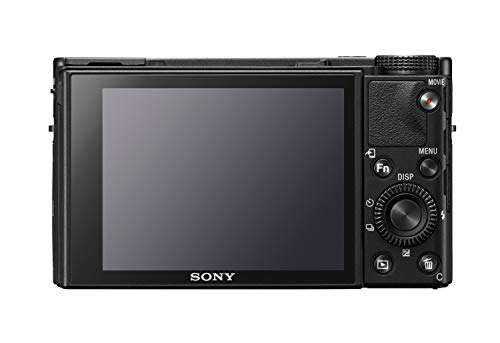
Sony Alpha 6700 – APS-C Interchangeable Lens Camera with 26 MP sensor, 4K video, AI-Based Subject Recognition, Log Shooting, LUT Handling and Vlog Friendly Functions
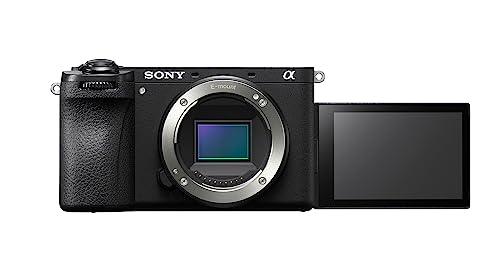
What Makes It Stand Out / Key Features
- 26MP APS-C BSI sensor shared lineage with Sony’s latest generation
- 4K60 oversampled from 6K; 4K120 with crop; 10-bit 4:2:2 codecs
- AI-based subject recognition and sticky real-time AF tracking
- 5-axis IBIS with Active mode and focus breathing compensation
- Fully articulating touchscreen, EVF, mic and headphone jacks
What I Like
- True hybrid: great photos and video in one small body
- AF is fast and confident, even with erratic subjects
- Colors are lovely with S-Cinetone; skin tones look natural
- IBIS and Active mode make handheld work usable
- Battery life is solid; USB PD keeps it going on set
- Reasonable price for the features and image quality
What Could Be Better
- Single SD UHS-II slot limits redundancy
- Micro HDMI is fragile for rigged shoots
- Extended 4K60/120 can run hot in warm weather
My Recommendation
If you want one camera for photos and video—and you value compact size—the a6700 is a smart buy.
| Best For | Why |
|---|---|
| Hybrid creators | Strong stills plus 4K video in one body |
| Travel and vlogging | Lightweight, IBIS, great AF, easy to carry |
| Budget-conscious pros | Cinematic look without cinema-body cost |
Is Sony FX30 Good?
It depends, but for dedicated video work, yes—it’s excellent. The FX30 is a Cinema Line body built for long record times, robust codecs, and pro workflow tools. It’s ideal for short films, client commercials, doc work, and any rigged setup where reliability beats all.
I used the FX30 for an interview day and a sequence-heavy brand shoot. The active cooling fan ran all afternoon with zero thermal issues. Cine EI with dual base ISO made lighting simple. I loaded a show LUT, monitored exposure with false color, and pulled clean 10-bit files that graded fast. It felt like a tiny cinema camera, not a photo-first hybrid.
Sony Cinema Line FX30 Super 35 Camera

What Makes It Stand Out / Key Features
- 26MP Super 35 sensor tuned for video with Cine EI
- 4K60 oversampled, 4K120 with crop; 10-bit 4:2:2 recording
- Dual base ISO for clean low light in Log workflows
- Active cooling fan and tally lamps for long takes
- Full-size HDMI, dual card slots (CFexpress Type A/SD), optional XLR handle
What I Like
- Built for set life: fan, mounting points, tally, long records
- Cine EI and LUT workflows speed up color and consistency
- Dual card slots add redundancy and speed
- Full-size HDMI is reliable for monitors and recorders
- Optional XLR handle gives clean, 4‑channel audio
What Could Be Better
- No EVF; not great for fast stills work
- Heavier and pricier than the a6700
- Menus and Cine EI learning curve for beginners
My Recommendation
If video is your core job and you need pro I/O and long takes, pick the FX30.
| Best For | Why |
|---|---|
| Commercial and doc crews | Pro codecs, Cine EI, long recording, cooling |
| Gimbal and rig work | Full-size HDMI and mounting points |
| Audio-heavy shoots | Optional XLR handle with 4‑channel audio |
sony a6700 vs fx30: Side-by-Side Test
I ran both through real shoots. Below is how the sony a6700 vs fx30 compare in the areas that matter day to day.
Image Quality: Photo and Video Output
Both share a 26MP APS-C/Super 35 sensor family. But they’re tuned for different goals.
| Feature | Sony a6700 | Sony FX30 |
|---|---|---|
| Stills quality | 26MP, great detail for prints | Usable, but not its focus |
| Video look | S-Cinetone for quick delivery | Cine EI for graded cinema |
| Low light | Good with fast lenses | Dual base ISO keeps noise low |
| Rolling shutter | Well-controlled for hybrid use | Optimized for video workflows |
Rating: a6700 – 8.5/10 | FX30 – 9/10
“FX30 edges out for video-first image control; a6700 leads for stills.”
Video Formats & Codecs: Workflow Speed
Think about delivery needs and color pipelines.
| Feature | Sony a6700 | Sony FX30 |
|---|---|---|
| Bit depth / chroma | 10-bit 4:2:2 | 10-bit 4:2:2 |
| Frame rates | 4K60 oversampled; 4K120 crop | 4K60 oversampled; 4K120 crop |
| Cine EI / LUT metadata | LUT monitoring | Full Cine EI with LUT metadata |
| Recording media options | Single SD UHS-II | CFexpress Type A/SD, dual slots |
Rating: a6700 – 8/10 | FX30 – 9.5/10
“FX30 wins for pro codecs, redundancy, and cine-friendly pipelines.”
Autofocus & Tracking: Keep Subjects Locked
Both are strong. I tested moving subjects, faces, and backlit scenes.
| Scenario | Sony a6700 | Sony FX30 |
|---|---|---|
| Face/eye AF | Fast and sticky | Fast and consistent |
| Subject recognition | Broad set for hybrid work | Excellent for people and action |
| Touch tracking | Responsive | Responsive |
| Backlit recovery | Very good | Very good |
Rating: a6700 – 9/10 | FX30 – 9/10
“Tie in real use; a6700 adds hybrid-friendly detection options.”
Stabilization & Handling: Handheld Confidence
Both bodies offer IBIS and Active mode. Balance matters too.
| Feature | Sony a6700 | Sony FX30 |
|---|---|---|
| IBIS | 5-axis, solid for handheld | 5-axis, tuned for video |
| Active stabilization | Useful with a small crop | Useful with a small crop |
| Thermals | Good; can warm at 4K60/120 | Active cooling fan for long takes |
| Body balance | Great for small rigs | Better for heavier rigs |
Rating: a6700 – 8.5/10 | FX30 – 9/10
“FX30 edges out for long, stable, rigged shooting thanks to the fan.”
Audio & Connectivity: On-Set Flexibility
Audio can make or break a shoot. Ports matter.
| I/O | Sony a6700 | Sony FX30 |
|---|---|---|
| Headphone/mic | Yes/Yes | Yes/Yes |
| HDMI | Micro (Type D) | Full-size (Type A) |
| XLR support | Via MI shoe (accessory) | Optional XLR handle, 4‑ch audio |
| Timecode | No dedicated port | Timecode support via accessory |
Rating: a6700 – 8/10 | FX30 – 9.5/10
“FX30 wins with full-size HDMI, XLR handle, and timecode support.”
Stills Performance: Photos When You Need Them
If photos matter, this is key in the sony a6700 vs fx30 choice.
| Aspect | Sony a6700 | Sony FX30 |
|---|---|---|
| Resolution | 26MP stills | Limited stills capability |
| Burst | Fast with decent buffer | Not designed for bursts |
| EVF | Yes | No |
| Ergonomics for photos | Excellent | Video-first controls |
Rating: a6700 – 9/10 | FX30 – 6.5/10
“a6700 dominates for photography and hybrid field work.”
Battery, Storage & Build: Reliability Over Time
Both use the NP-FZ100 battery. Storage and build separate them.
| Aspect | Sony a6700 | Sony FX30 |
|---|---|---|
| Battery life | Strong for hybrid use | Strong; higher draw in video |
| Card slots | Single SD UHS‑II | Dual slots, CFexpress Type A/SD |
| Cooling | Passive; extended mode | Active fan for long takes |
| Mounting points | Basic | Multiple 1/4”-20 threads |
Rating: a6700 – 8/10 | FX30 – 9/10
“FX30 is built for long, safe, redundant capture on set.”
Value for Money: What Do You Get for the Price?
Consider body cost, accessories, and what you earn back.
| Value Metric | Sony a6700 | Sony FX30 |
|---|---|---|
| Body price | Lower | Higher |
| What you gain | Hybrid stills + video | Pro I/O, Cine EI, cooling |
| Accessories needed | Minimal for run-and-gun | More for full cine setup |
| ROI for creators | Great for content/social | Great for client/cinema jobs |
Rating: a6700 – 9/10 | FX30 – 8.5/10
“a6700 is the better pure value; FX30 pays off for video pros.”
Final Verdict: Which Should You Buy?
Pick the sony a6700 if you shoot photos and video in equal measure. It is small, fast, and simple. AF is stellar. The EVF helps outdoors. It’s my choice for travel, social content, and hybrid client work.
Choose the FX30 if video is your main job. You get Cine EI, a cooling fan, full-size HDMI, dual slots, and XLR support. In the sony a6700 vs fx30 matchup, the FX30 is the pro video tool. The a6700 is the everyday hybrid hero.
FAQs Of sony a6700 vs fx30
What is the biggest difference in the sony a6700 vs fx30?
The a6700 is a hybrid photo/video camera with an EVF. The FX30 is a cinema-focused body with a cooling fan, Cine EI, full-size HDMI, and dual card slots.
Which is better for 4K120 slow motion?
Both do 4K120 with a crop. The FX30 handles long takes better thanks to active cooling and cine workflows.
Do both support 10-bit 4:2:2 and Log?
Yes. Both offer 10-bit 4:2:2 and S-Log3. The FX30 adds Cine EI and better LUT metadata integration for grading.
Which one is better for photography?
The a6700. It offers 26MP stills, a good EVF, burst shooting, and ergonomics geared to photos.
Is the FX30 worth the higher price over the a6700?
If you shoot paid video, yes. You gain reliability, I/O, pro audio, and long record times. For mixed content and travel, the a6700 is the better value.
Note: In this sony a6700 vs fx30 guide, I focused on real-world use so you can pick the right tool, not just read specs.

Everett Ashford is a tech reviewer at mytechgrid.com specializing in SSDs, cameras, TVs, earbuds, headphones, and other consumer electronics. He provides honest, data-driven reviews based on hands-on testing and real-world performance analysis. Everett simplifies complex tech details to help readers make smart, confident buying decisions.