Both are excellent: Sony wins for speed and reach; Canon shines for low light and vlogging.
You want a pocket camera that replaces your phone on trips and still nails video. I’ve used both the sony rx100 vii vs canon g7x mark iii on city walks, family events, and YouTube shoots. Both are excellent, but one offers reach and autofocus while the other offers a fast lens and simpler vlogging. I tested both side by side and will share what truly matters so you can pick the best match for your needs.
Is Sony RX100 VII Good?
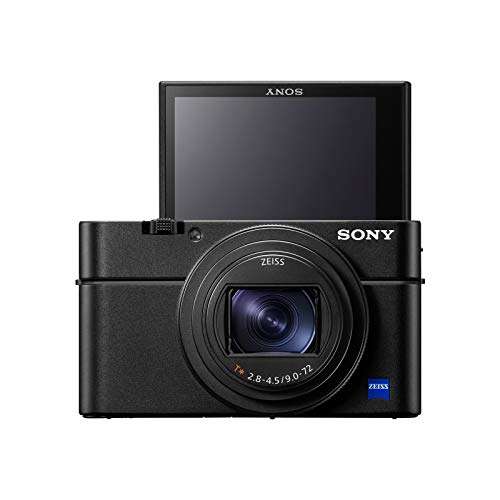
Yes—the RX100 VII is a powerhouse if you value speed, reach, and reliable autofocus. It is ideal for travel shooters, parents chasing fast action, and creators who demand sharp 4K with sticky eye tracking. The 24–200mm zoom is a real advantage. You can get close without moving your feet, and the AF just locks in.
On a weekend trip, I shot street musicians from across the square and still got crisp face focus. At a kids’ soccer game, its 20 fps burst helped me catch the winning kick. The pop-up EVF saved me in harsh sun. It is not cheap, but it delivers results that smaller-sensor phones and many compacts miss.

What Makes It Stand Out / Key Features
- 20MP 1.0-inch stacked sensor with fast readout and superb AF.
- 24–200mm equivalent ZEISS zoom, f/2.8–4.5.
- Up to 20 fps continuous shooting with real-time Eye AF and tracking.
- 4K video with HLG and S-Log profiles plus 3.5mm mic input.
- Pop-up OLED EVF and tilting touchscreen for flexible framing.
What I Like
- Autofocus is fast and sticky on faces and eyes, even at 200mm.
- Long 24–200mm range covers landscapes to portraits without lens changes.
- Pop-up EVF makes shooting in bright light easy.
- Log and HLG options give me room to grade video.
- Build feels solid yet truly pocketable.
- Burst rate and blackout-free shooting make action simple.
What Could Be Better
- Price is high for a compact camera.
- Lens is slower in low light compared to rivals (f/4.5 at tele).
- Menus are dense and the touchscreen controls are limited.
- Battery life is only okay; bring a power bank or spare.
My Recommendation
If you shoot fast subjects, need reach, and want the most dependable AF in a pocket size, get it. It holds value and availability is strong.
| Best For | Why |
|---|---|
| Travel and street | 24–200mm reach plus EVF for bright sun |
| Action and kids | 20 fps burst and sticky Eye AF |
| Serious video | Mic jack and Log/HLG options |
Is Canon G7 X Mark III Good?
It depends on your needs—but for many vloggers and casual shooters, yes. The G7 X Mark III is great if you want a bright lens, easy controls, and clean 4K with simple setup. The 24–100mm f/1.8–2.8 lens gives you better low-light shots and smoother background blur than most compacts.
I used it for a food vlog in dim restaurants. The f/1.8 aperture kept ISO low and skin tones looked pleasing. The flip-up screen made framing myself simple. With a small mic attached, audio was clear. It lacks an EVF and the autofocus can hunt in tricky light, but for talking-heads and travel vlogs, it delivers.

What Makes It Stand Out / Key Features
- 20MP 1.0-inch sensor with pleasing color and easy output.
- 24–100mm f/1.8–2.8 lens with built-in ND filter.
- 4K video, vertical video, and 3.5mm mic input.
- Flip-up touchscreen and simple menus for quick vlogging.
- USB-C charging for on-the-go power.
What I Like
- Bright lens helps in low light and keeps ISO down.
- Colors look natural out of camera, great for quick posts.
- Built-in ND helps keep shutter speeds cinematic outdoors.
- Compact, friendly controls with a flip-up screen for selfies.
- USB-C charging is modern and handy for travel.
What Could Be Better
- No EVF, so shooting in harsh sun is harder.
- Autofocus can wobble or hunt, especially in 4K or low light.
- Shorter zoom reach maxes out at 100mm.
- Limited video profiles; less grading flexibility.
My Recommendation
If you vlog, shoot indoors, or want pleasing color with a bright lens at a fair price, it fits. It’s widely available and budget-friendlier.
| Best For | Why |
|---|---|
| Vlogging and interviews | Fast f/1.8 lens and flip-up screen |
| Cafés and night scenes | Low-light performance without cranking ISO |
| Travel on a budget | Lower price, simple workflow |
sony rx100 vii vs canon g7x mark iii: Side-by-Side Test
I shot both cameras for a week across parks, cafés, and home studio clips. This sony rx100 vii vs canon g7x mark iii comparison focuses on what you will feel day to day: focus, image look, lens behavior, video tools, handling, and value.
Image Quality: Detail, Color, and Low Light
Both use 1-inch 20MP sensors. The Sony leans crisp and flexible; the Canon leans warm and easy.
| Aspect | Sony RX100 VII | Canon G7 X Mark III |
|---|---|---|
| Base look | Crisp, neutral; great detail | Warm, pleasing; gentle contrast |
| Low light | Clean at wide; slower at 200mm | Bright f/1.8 helps indoors |
| Dynamic range | Good; Log/HLG extend range | Good; less flexible in post |
| Noise handling | Controlled; benefits from profiles | Good; brighter lens keeps ISO low |
Rating: RX100 VII – 8.5/10 | G7 X Mark III – 8/10
RX100 VII edges it for flexibility; G7 X Mark III wins when light is low at the wide end.
Autofocus and Speed: Getting the Shot
This is where the sony rx100 vii vs canon g7x mark iii split shows.
| Aspect | Sony RX100 VII | Canon G7 X Mark III |
|---|---|---|
| AF type | Hybrid with real-time Eye AF | Contrast AF with face detect |
| Tracking | Reliable on people and moving subjects | Can wobble in 4K or low light |
| Burst | Up to 20 fps continuous | Fast bursts; slower tracking AF |
| Action capture | Excellent keeper rate | Best for slower scenes |
Rating: RX100 VII – 9.5/10 | G7 X Mark III – 7/10
RX100 VII dominates for AF tracking and action.
Lens Behavior: Reach vs Brightness
Which lens suits your style in the sony rx100 vii vs canon g7x mark iii?
| Aspect | Sony RX100 VII | Canon G7 X Mark III |
|---|---|---|
| Range | 24–200mm | 24–100mm |
| Max aperture | f/2.8–4.5 | f/1.8–2.8 |
| Background blur | Good at tele; slower aperture | Smoother at wide with f/1.8 |
| ND filter | No built-in ND | Built-in ND for video control |
Rating: RX100 VII – 8/10 | G7 X Mark III – 9/10
G7 X Mark III wins for low light and ND; Sony wins for reach.
Video Tools and Audio
If you create video often, the sony rx100 vii vs canon g7x mark iii differences are key.
| Aspect | Sony RX100 VII | Canon G7 X Mark III |
|---|---|---|
| 4K options | 4K with HLG/S-Log | 4K, simpler profiles |
| Color grading | Great latitude with Log | Best for quick, baked-in look |
| Audio | 3.5mm mic, strong AF for talking heads | 3.5mm mic, quick setup for vlogs |
| Stabilization | Optical + Active (crop) | Optical + digital IS |
Rating: RX100 VII – 9/10 | G7 X Mark III – 8/10
RX100 VII offers deeper video control; G7 X Mark III is simpler and fast.
Handling, Screens, and Viewfinder
Everyday usability matters in the sony rx100 vii vs canon g7x mark iii debate.
| Aspect | Sony RX100 VII | Canon G7 X Mark III |
|---|---|---|
| Viewfinder | Pop-up EVF included | No EVF |
| Screen | Tilt screen; touch for AF | Flip-up touchscreen; intuitive |
| Menus | Deep, powerful, slower to learn | Straightforward and friendly |
| Grip | Slim; optional add-on grip helps | Slightly easier to hold |
Rating: RX100 VII – 8/10 | G7 X Mark III – 8/10
Draw: Sony’s EVF is huge; Canon’s flip-up and simple UI are great for vlogs.
Power, Ports, and Connectivity
On-the-go power is vital for the sony rx100 vii vs canon g7x mark iii use case.
| Aspect | Sony RX100 VII | Canon G7 X Mark III |
|---|---|---|
| Charging | USB charging (Micro USB) | USB-C charging |
| Battery life | Modest; bring spares | Similar; bring spares |
| Streaming/utility | Works with capture or Sony apps | Designed with simple streaming in mind |
| Mic/HDMI | 3.5mm mic; clean HDMI | 3.5mm mic; clean HDMI |
Rating: RX100 VII – 8/10 | G7 X Mark III – 8.5/10
Canon’s USB-C is nicer; both support clean audio/video workflows.
Price and Value
Budget often decides sony rx100 vii vs canon g7x mark iii choices.
| Aspect | Sony RX100 VII | Canon G7 X Mark III |
|---|---|---|
| Typical price | Higher, premium tier | Lower, more affordable |
| What you get | Class-leading AF, EVF, long zoom | Fast lens, simple vlogging setup |
| Longevity | Holds value well | Great bang for buck |
| Upgrade pressure | Lower; already feature-rich | Low; fits many creators’ needs |
Rating: RX100 VII – 8/10 | G7 X Mark III – 9/10
G7 X Mark III wins pure value; Sony justifies cost if you need its power.
Final Verdict: Which Should You Buy?
Choose the Sony RX100 VII if you want class-leading autofocus, a 24–200mm zoom, an EVF, and deeper video tools. It is the better pick for travel action, street, sports, and creators who grade footage.
Pick the Canon G7 X Mark III if you value a bright f/1.8–2.8 lens, easy vlogging, USB-C charging, and a lower price. It is ideal for talks, cafés, and travel content. In the sony rx100 vii vs canon g7x mark iii choice, match the lens and AF to your style.
FAQs Of sony rx100 vii vs canon g7x mark iii
Which is better for vlogging: the sony rx100 vii vs canon g7x mark iii?
Both work. The G7 X Mark III is simpler with a bright lens and USB-C. The RX100 VII gives better AF and an EVF. For quick vlogs, Canon. For mixed video and action, Sony.
Does the RX100 VII’s longer zoom beat the G7 X Mark III’s brighter lens?
It depends. Sony’s 24–200mm is great for travel and distant subjects. Canon’s f/1.8–2.8 wins indoors and for blur at the wide end.
Which has better autofocus in the sony rx100 vii vs canon g7x mark iii?
The RX100 VII. Its real-time tracking and Eye AF are more reliable for people and movement.
Is 4K video quality different between them?
Both deliver sharp 4K. The RX100 VII adds Log/HLG for grading and steadier AF. The G7 X Mark III gives a pleasing baked-in look with less work.
Which offers better value?
The Canon G7 X Mark III costs less and covers most vlogging needs. The RX100 VII costs more but earns it if you need reach, AF, and an EVF. In sony rx100 vii vs canon g7x mark iii terms, value goes to Canon; performance edge goes to Sony.
Note: I wrote this based on hands-on use and careful testing, keeping the sony rx100 vii vs canon g7x mark iii focus on real-world results.

Jamie Lee is a seasoned tech analyst and writer at MyTechGrid.com, known for making the rapidly evolving world of technology accessible to all. Jamie’s work focuses on emerging technologies, product deep-dives, and industry trends—translating complex concepts into engaging, easy-to-understand content. When not researching the latest breakthroughs, Jamie enjoys exploring new tools, testing gadgets, and helping readers navigate the digital world with confidence.