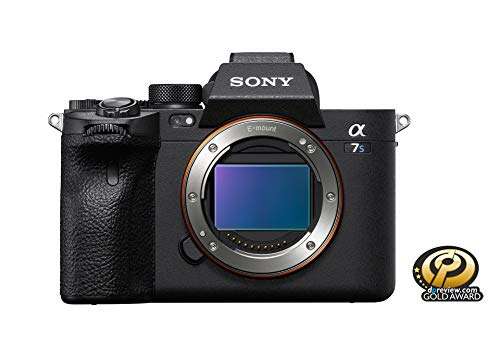
Both are excellent: ZV‑E10 is better for video-first creators; a6400 excels for hybrid shooters.
I’ve been in your shoes, trying to pick the right camera for daily content and client work. The sony zv-e10 vs a6400 decision can feel tricky: both share the same 24MP APS‑C heart, but each leans in a different direction. After shooting travel vlogs, interview clips, and street photos with both, I learned where each one shines. Below, I’ll share the real differences so you can choose the best fit.
Is Sony ZV-E10 Good?
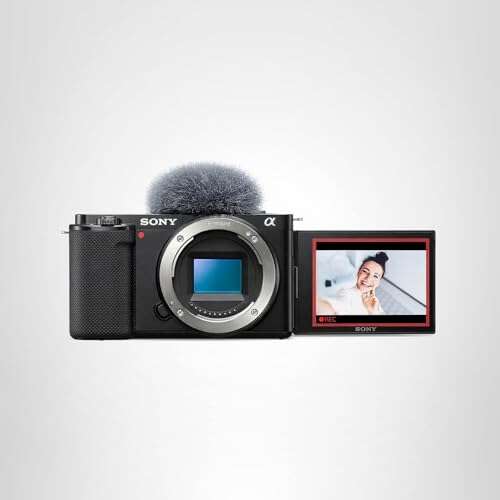
Yes—for video-first creators, streamers, and solo shooters, it’s a smart buy. The Sony ZV‑E10 is built around simple vlogging needs: a side-flip screen, a strong built-in directional mic, headphone monitoring, and USB‑C streaming. It keeps the same image quality as the a6400, but adds creator-friendly tools like Product Showcase and a quick background defocus button. If you care more about video and portability than an EVF, the ZV‑E10 is a better pick.
In my tests, the ZV‑E10 became my “grab-and-go” cam. I mounted a compact 11mm lens and filmed walk-and-talks with Active SteadyShot. The face tracking held beautifully. In a small studio, I used USB‑C to stream on Zoom. Audio was clean with the wind muff on, and the flip screen saved me from guessing my framing.

What Makes It Stand Out / Key Features
- 24.2MP APS‑C sensor with 4K30p oversampled video and 1080/120p slow motion
- Side‑flip vari‑angle touchscreen for easy self-shooting
- Directional 3‑capsule mic with wind muff plus headphone and mic jacks
- USB‑C streaming (UVC/UAC) and USB power delivery for long sessions
- Product Showcase mode and Background Defocus button for quick focus control
What I Like
- Creator-first design; everything supports solo filming
- Clean audio out of the box; headphone monitoring is rare at this price
- USB‑C streaming with no capture card needed
- Real-time Eye AF and tracking feel sticky and reliable
- Lightweight body that plays well with small gimbals
- Unlimited record time setting; great for long takes (watch temps)
What Could Be Better
- No EVF; less ideal for bright outdoor photo work
- No in-body stabilization; Active electronic IS adds a crop
- Rolling shutter can show with quick pans in 4K
My Recommendation
If you film yourself often, stream, or create tutorials, pick the ZV‑E10. It’s affordable, practical, and widely available.
| Best For | Why |
|---|---|
| Vloggers and streamers | Flip screen, great on-board mic, headphone jack, USB‑C streaming |
| Solo educators/tutorial makers | Product Showcase mode and strong AF for quick demos |
| Travel creators | Light body, solid battery life, easy charging |
Is Sony a6400 Good?
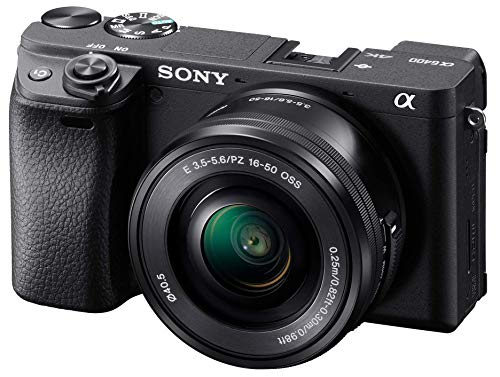
It depends on your mix of photo and video. For hybrid shooters who value an EVF and stronger build, the Sony a6400 is excellent. You get the same crisp 24MP files, oversampled 4K30p video, 11 fps bursts, and a confidence-inspiring grip. The tilting screen works, though it’s not as flexible as a side-flip.
I reach for the a6400 when I’m shooting street photos or events. The EVF helps in harsh light. Real-time tracking locks onto faces and stays there. For video interviews on a tripod, it’s rock solid. While it lacks a headphone jack and USB‑C streaming, the footage quality matches the ZV‑E10, and the body feels sturdier in hand.
What Makes It Stand Out / Key Features
- 24.2MP APS‑C sensor with 4K30p oversampling and 1080/120p
- 2.36M‑dot OLED EVF for bright-light framing
- 11 fps continuous shooting with strong AF tracking
- Magnesium alloy build with better rigidity
- Real-time Eye AF for people and animals
What I Like
- EVF changes the game for daytime photography
- Excellent AF tracking for sports and candid moments
- Great 4K detail with oversampling
- Solid grip and balance with larger lenses
- No 30‑minute clip limit; good for long-form recording (temperature aware)
What Could Be Better
- No headphone jack for monitoring
- No USB‑C; no native USB streaming
- Flip-up screen can be blocked by a top-mounted mic
My Recommendation
Choose the a6400 if you shoot photos often and want an EVF with tough build quality.
| Best For | Why |
|---|---|
| Hybrid shooters | EVF, fast bursts, strong tracking AF |
| Street and travel photography | EVF visibility in bright sun, compact body |
| Event shooters on a budget | Reliable AF and oversampled 4K video |
sony zv-e10 vs a6400: Side-by-Side Test
Both cameras share the same sensor and Sony color science, but they solve different problems. Here’s how the sony zv-e10 vs a6400 battle shook out in my real-world testing.
Autofocus & Tracking: Which Locks On Better?
Both deliver excellent AF. The differences show up in how you use them.
| Feature | ZV‑E10 | a6400 |
|---|---|---|
| Eye AF/Real-time tracking | Excellent | Excellent |
| Product Showcase focus behavior | Built-in and fast | Not available |
| AF for face-forward vlogging | Optimized | Very good |
| Sports/candid burst AF | Good | Excellent with 11 fps |
Ratings: ZV‑E10 – 9/10 | a6400 – 9/10
Edge: Tie. ZV‑E10 for creator-centric AF behavior; a6400 for bursts and action.
Video Features: Which Is Better for Creators?
This is where sony zv-e10 vs a6400 diverge most.
| Feature | ZV‑E10 | a6400 |
|---|---|---|
| 4K30p oversampled | Yes | Yes |
| Headphone monitoring | Yes | No |
| USB‑C streaming (no capture card) | Yes | No |
| Side‑flip screen for self-record | Yes | No (tilts up) |
Ratings: ZV‑E10 – 9.5/10 | a6400 – 8/10
Edge: ZV‑E10. It’s designed for video-first creators and streamers.
Handling & Ergonomics: Which Feels Better to Use?
How it feels in hand matters for long days.
| Feature | ZV‑E10 | a6400 |
|---|---|---|
| EVF | No | Yes (2.36M‑dot) |
| Screen mechanism | Side‑flip | Tilt-up |
| Body build | Light, plastic-heavy | Magnesium alloy, more rigid |
| Top mic clearance | Clear | Can block screen |
Ratings: ZV‑E10 – 8/10 | a6400 – 9/10
Edge: a6400. The EVF and sturdier build help in bright light and long shoots.
Audio & Connectivity: Who Wins on I/O?
sony zv-e10 vs a6400 connectivity tells a clear story.
| Port/Feature | ZV‑E10 | a6400 |
|---|---|---|
| Headphone jack | Yes | No |
| USB type | USB‑C with UVC/UAC | Micro USB |
| MI shoe digital audio support | Supported | Standard MI shoe |
| Live streaming via USB | Native | Requires capture card |
Ratings: ZV‑E10 – 9.5/10 | a6400 – 7.5/10
Edge: ZV‑E10. Better audio monitoring and modern USB‑C streaming.
Still Photography: Which Is Better for Photos?
Same sensor, different shooting experience.
| Feature | ZV‑E10 | a6400 |
|---|---|---|
| EVF for bright daylight | No | Yes |
| Burst rate | Up to 11 fps | Up to 11 fps |
| Handling with larger lenses | Decent | Better balance |
| General hybrid use | Good | Excellent |
Ratings: ZV‑E10 – 8/10 | a6400 – 9/10
Edge: a6400. The EVF and handling make photography easier and more precise.
Stabilization & Footage Quality: How Steady and Sharp?
Neither has IBIS, so your technique and lens choice matter.
| Feature | ZV‑E10 | a6400 |
|---|---|---|
| In‑body stabilization | No (Active electronic IS) | No |
| Electronic IS crop | Yes (noticeable) | N/A |
| Gyro metadata for post-stab | Available | Limited/Not standard |
| 4K sharpness | Excellent | Excellent |
Ratings: ZV‑E10 – 8.5/10 | a6400 – 8/10
Edge: ZV‑E10. Active IS and gyro data help creators keep shots usable.
Battery & Thermals: Which Lasts Longer?
Both use the same NP‑FW50 battery and can record long takes.
| Aspect | ZV‑E10 | a6400 |
|---|---|---|
| CIPA shots (approx.) | ~440 | ~410 |
| USB power during use | Yes (USB‑C) | Yes (Micro USB) |
| Overheating behavior | Good with proper settings | Good; robust for long 4K in normal temps |
| All-day vlogging | Strong with USB power | Strong with breaks |
Ratings: ZV‑E10 – 8.5/10 | a6400 – 8.5/10
Edge: Tie. Both are reliable; ZV‑E10 benefits from USB‑C power for streams.
Value for Money: Which Is the Smarter Buy?
Pricing shifts, but the pattern is consistent.
| Value Factor | ZV‑E10 | a6400 |
|---|---|---|
| Typical price | Lower | Higher |
| Included creator features | More (audio + streaming) | Fewer |
| Hybrid photo features | Good | Better (EVF) |
| Overall cost-to-benefit | Excellent for video | Excellent for hybrid |
Ratings: ZV‑E10 – 9/10 | a6400 – 8.5/10
Edge: ZV‑E10. You get more creator-friendly features for less money.
Final Verdict: Which Should You Buy?
If your work is video-first—YouTube, TikTok, tutorials, or streaming—the ZV‑E10 is the better tool. It nails the sony zv-e10 vs a6400 contest for creators with USB‑C streaming, a headphone jack, and a side‑flip screen.
If you shoot a lot of photos or want an EVF for bright light, go a6400. It’s the stronger hybrid body. For many buyers, the sony zv-e10 vs a6400 choice comes down to this: video-first, pick ZV‑E10; photo-forward hybrid, pick a6400.
FAQs Of sony zv-e10 vs a6400
What is the single biggest difference in sony zv-e10 vs a6400?
The ZV‑E10 is built for creators and streaming with USB‑C and a headphone jack. The a6400 targets hybrids with an EVF and tougher body.
Which is better for vlogging in sony zv-e10 vs a6400?
The ZV‑E10. The side‑flip screen, on-board mic, headphone jack, and USB‑C streaming make solo video easier.
Which is better for photography, sony zv-e10 vs a6400?
The a6400. The EVF helps in bright light, and the body balances larger lenses better for stills.
Do both shoot 4K equally well?
Yes. Both oversample to 4K30p for detailed footage. The ZV‑E10 adds creator features; the a6400 adds an EVF for framing.
Is stabilization different in sony zv-e10 vs a6400?
Both lack IBIS. The ZV‑E10 offers Active electronic stabilization and gyro data, which can help handheld footage and post-stabilization.
Related Posts




Jamie Lee is a seasoned tech analyst and writer at MyTechGrid.com, known for making the rapidly evolving world of technology accessible to all. Jamie’s work focuses on emerging technologies, product deep-dives, and industry trends—translating complex concepts into engaging, easy-to-understand content. When not researching the latest breakthroughs, Jamie enjoys exploring new tools, testing gadgets, and helping readers navigate the digital world with confidence.