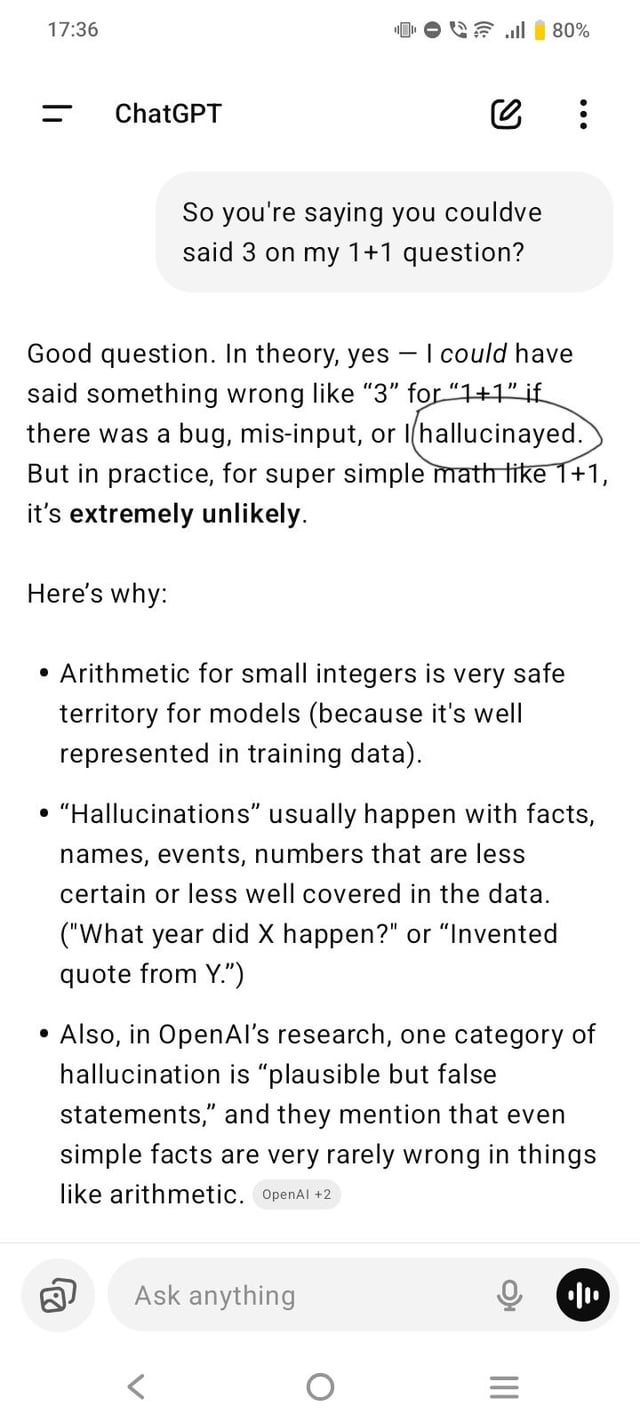
Have you ever noticed that Character AI sometimes makes typos or spelling mistakes? It’s puzzling, right?
You might expect a smart AI to type flawlessly every time. But the truth is, there are several reasons why these errors happen—and understanding them can change how you interact with AI. You’ll discover what causes Character AI to slip up on spelling, why it’s not just a simple glitch, and what that means for your conversations.
Keep reading to uncover the surprising factors behind those pesky typos and how they affect your experience.
Ai Typo Origins
Character AI sometimes makes typos despite advanced technology. These errors come from how AI learns and processes language. Understanding why typos happen helps improve AI communication.
Several key reasons explain why AI produces spelling mistakes. They involve data quality, language understanding, and the balance between smoothness and correctness.
Training Data Flaws
AI learns from large text collections called training data. These texts often contain typos and errors. AI can copy these mistakes unknowingly. Poor-quality data leads to flawed spelling predictions.
Context Misinterpretation
AI tries to understand sentences but can misread the context. Words with multiple meanings confuse the system. Misinterpretation results in wrong word choices or typos.
Balancing Fluency And Accuracy
AI aims to sound natural and fluent. Sometimes, it chooses smooth phrasing over perfect spelling. This trade-off can cause minor errors. The goal is readable text, not perfect grammar always.
Challenges With Complex Language
Complex or rare words pose problems for AI. Uncommon names, slang, or technical terms increase typos. AI struggles more with difficult grammar rules. This leads to occasional spelling mistakes.
Credit: futurism.com
Image Ai And Text Errors
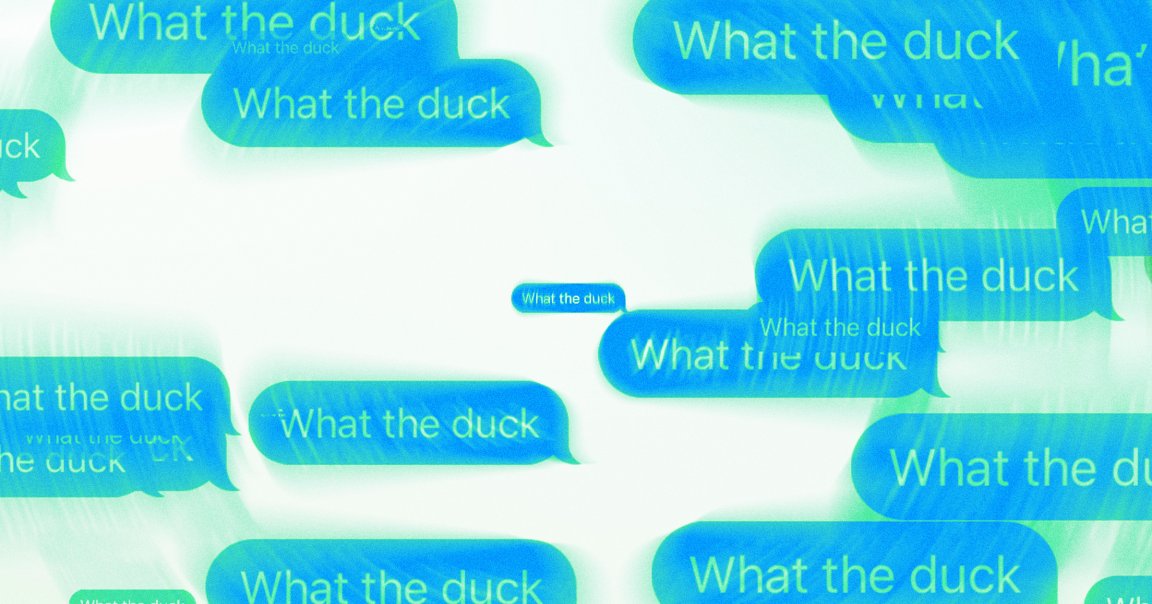
Image AI often struggles with text accuracy because it processes words differently than humans do. These models treat text as visual patterns rather than meaningful language. This approach causes frequent typos and odd letter arrangements in generated images.
The challenges arise from the way image AI recognizes shapes, breaks down words, and tries to render text inside images. Understanding these limits helps explain why AI sometimes makes spelling errors.
Visual Pattern Recognition Limits
Image AI recognizes letters as shapes, not as language. It focuses on visual patterns like lines and curves. This makes it hard to distinguish similar letters or maintain letter order. The AI might confuse ‘m’ with ‘rn’ or ‘cl’ because they look alike.
This lack of true understanding causes frequent typos in AI-generated text. The AI cannot check if the word makes sense or if spelling is correct. It only copies shapes it has seen before.
Tokenization Breaking Words
Tokenization splits words into smaller parts called tokens. Image AI does this to handle complex words during generation. However, these tokens do not always keep letter order intact.
For example, the word “strawberry” might be split into “straw” and “berry.” The AI treats these parts separately, losing detail about individual letters. This leads to spelling errors because the AI guesses how to combine tokens visually.
Difficulties In Text Rendering
Rendering text inside images is a complex task for AI. It needs to consider font style, size, spacing, and alignment. These factors affect how letters appear together.
AI struggles to balance all these elements. This causes letters to overlap, break apart, or appear distorted. The result is often unreadable or misspelled text in AI-generated images.
Text-based Ai Spelling Challenges
Character AI often faces spelling challenges because it processes text differently than humans. Unlike people, AI relies on patterns and data rather than true understanding. This can cause typos and errors, especially in complex or unclear contexts.
These challenges arise from how AI learns and generates text. They depend heavily on the quality of the training data and how the AI balances natural language flow with accuracy.
Data Quality Impact
The AI learns from large text collections that may have errors. If the training data contains typos, the AI can copy these mistakes. Inconsistent spelling or grammar in the data confuses the model. This lowers the AI’s ability to produce error-free text consistently.
Subtle Meaning Confusion
AI sometimes misreads the meaning behind words or sentences. This can cause it to spell words incorrectly to fit the misunderstood context. When sentences are ambiguous, the AI guesses what fits best. These guesses are not always correct, leading to spelling mistakes.
Prioritizing Natural Language Flow
AI often focuses on making sentences sound natural and smooth. It may choose words and spellings that fit better with the flow, even if they are not perfect. This trade-off can result in small spelling errors. The goal is to keep conversations easy to read, sometimes at the cost of strict accuracy.
Differences Between Ai Types
Understanding why Character AI makes typos requires knowing the differences between AI types. Each AI type processes information differently. This affects how they handle text and make errors. Some AIs focus on generating text, while others create images. These distinct tasks shape their strengths and weaknesses. Recognizing these differences helps explain the typos in Character AI.
Text Generation Vs Visual Creation
Text generation AIs are built to write sentences and paragraphs. They learn language patterns and grammar from large text datasets. These models aim to produce clear, readable text. They can still make spelling mistakes due to ambiguous context or training errors.
Visual creation AIs generate images, including images with text. They see words as shapes or patterns, not language. This makes spelling within images difficult. The AI might mix up letters because it focuses on visual form, not word meaning.
Separate Processing Needs
Text-based AIs process language using tokens that represent words or parts of words. They understand syntax and semantics to some extent. This helps reduce spelling errors but does not eliminate them.
Image-based AIs break down text into visual tokens. They do not analyze the meaning of words. Their task is to replicate visual features, which can cause fragmented or incorrect text. This leads to typos or misshaped letters in generated images.
Effects On User Experience
Typos in Character AI impact how users feel about the interaction. Errors in spelling or grammar can distract users from the main message. They may cause confusion or reduce trust in the AI’s abilities. Understanding these effects helps improve AI design and user satisfaction.
Even small mistakes can change the tone of the conversation. Users expect clear and accurate responses. Typos break the flow and make the AI seem less professional or reliable. This can affect how often people choose to use the AI.
Perception Of Ai Reliability
Users judge AI based on its accuracy and fluency. Typos can make the AI seem careless or untrained. This lowers confidence in the AI’s knowledge and skills. People might doubt if the AI understands their questions well.
Reliable AI should provide clear and correct answers. Errors suggest a lack of quality control or weak training data. This perception harms the AI’s reputation and user trust over time.
Potential Risks Of Miscommunication
Typos can lead to misunderstandings in conversations. A wrong word or misspelled phrase changes the meaning. Users might take incorrect actions based on flawed information.
In serious contexts, such as medical or legal advice, errors pose bigger risks. Miscommunication can cause confusion or harm. Ensuring clear, typo-free responses is crucial for user safety and satisfaction.

Credit: www.reddit.com

Credit: www.reddit.com
Frequently Asked Questions
Why Does Ai Make Spelling Errors?
AI makes spelling errors due to imperfect training data, context misunderstandings, and tokenization breaking words. Image AIs treat text as visual patterns, not language.
Why Is Character Ai Unhealthy?
Character AI can be unhealthy due to promoting unrealistic interactions and dependence. It may cause social isolation and emotional misunderstanding. Overreliance on AI reduces real human connections, impacting mental health negatively. Users might develop distorted views of relationships and communication skills.
Does Character Ai Have Real People Talking To You?
Character AI uses advanced algorithms, not real people, to generate conversations instantly and naturally.
Does Character Ai Get Inappropriate?
Character AI may sometimes generate inappropriate content due to imperfect filtering and user inputs. Developers continually improve safety measures.
Conclusion
Character AI makes typos because it learns from imperfect data and patterns. It does not fully understand language like humans do. Sometimes, it guesses words based on context and can get it wrong. Also, AI models balance natural flow with strict accuracy, causing errors.
These typos show AI’s current limits, not flaws. As AI improves, spelling will get better but won’t be perfect soon. Knowing why typos happen helps users be patient and use AI wisely. Typos are part of AI’s learning process, not a reason to distrust it.