No — not automatically. Laws vary by state, intent, audio recording, and school policy.
As an education and privacy consultant with years helping schools draft surveillance policies, I’ve seen every angle of the question: is it illegal to have cameras in classrooms. This article breaks the issue into clear parts: the legal basics, common state pitfalls, practical policies, real-world examples, and easy steps to stay safe and lawful. Read on to learn when cameras help safety and when they create legal risk — and how to build a policy that protects students, teachers, and your institution.

Understanding the legal landscape around is it illegal to have cameras in classrooms
Laws about cameras in classrooms come from many places. Federal education privacy rules, state wiretapping laws, local school board policies, and court decisions all matter. There is no single federal ban that says is it illegal to have cameras in classrooms in every case. Instead, legality depends on details like whether audio is recorded, whether recordings are shared, and whether people were notified.
Key legal factors to watch
- Federal student privacy rules may apply when recordings become part of an education record.
- State laws can ban secret audio recording or require consent for recordings.
- Teacher employment and collective bargaining agreements often include privacy protections.
- Criminal laws may apply if recordings are used to harass or exploit.
Practical takeaway: treat the question "is it illegal to have cameras in classrooms" as a yes/no answer that depends on location, purpose, and how the footage is handled. Always check state law and district rules before installing equipment.

Quick PAA-style questions
What matters most: audio or video?
- Audio often triggers stricter laws. Video without sound is usually less legally risky, but placement and notice still matter.
Can schools use footage in discipline?
- Yes, footage can be evidence in discipline. But schools must follow recordkeeping rules and privacy laws.
Do parents need to consent?
- Often not for public spaces, but classroom recordings that identify students or become education records may require parental notice or consent.
When cameras in classrooms are lawful
Cameras can be lawful when used for clear, legitimate reasons and handled carefully. Schools commonly use cameras to:
- Monitor safety in hallways and common areas.
- Document incidents where student safety is at risk.
- Provide evidence in investigations of violence, bullying, or vandalism.
Best conditions for legality
- Cameras record video only; audio is disabled.
- Notice is posted and parents and staff are informed.
- A documented policy explains retention, access, and use.
- Footage is stored securely and access is limited to authorized staff.
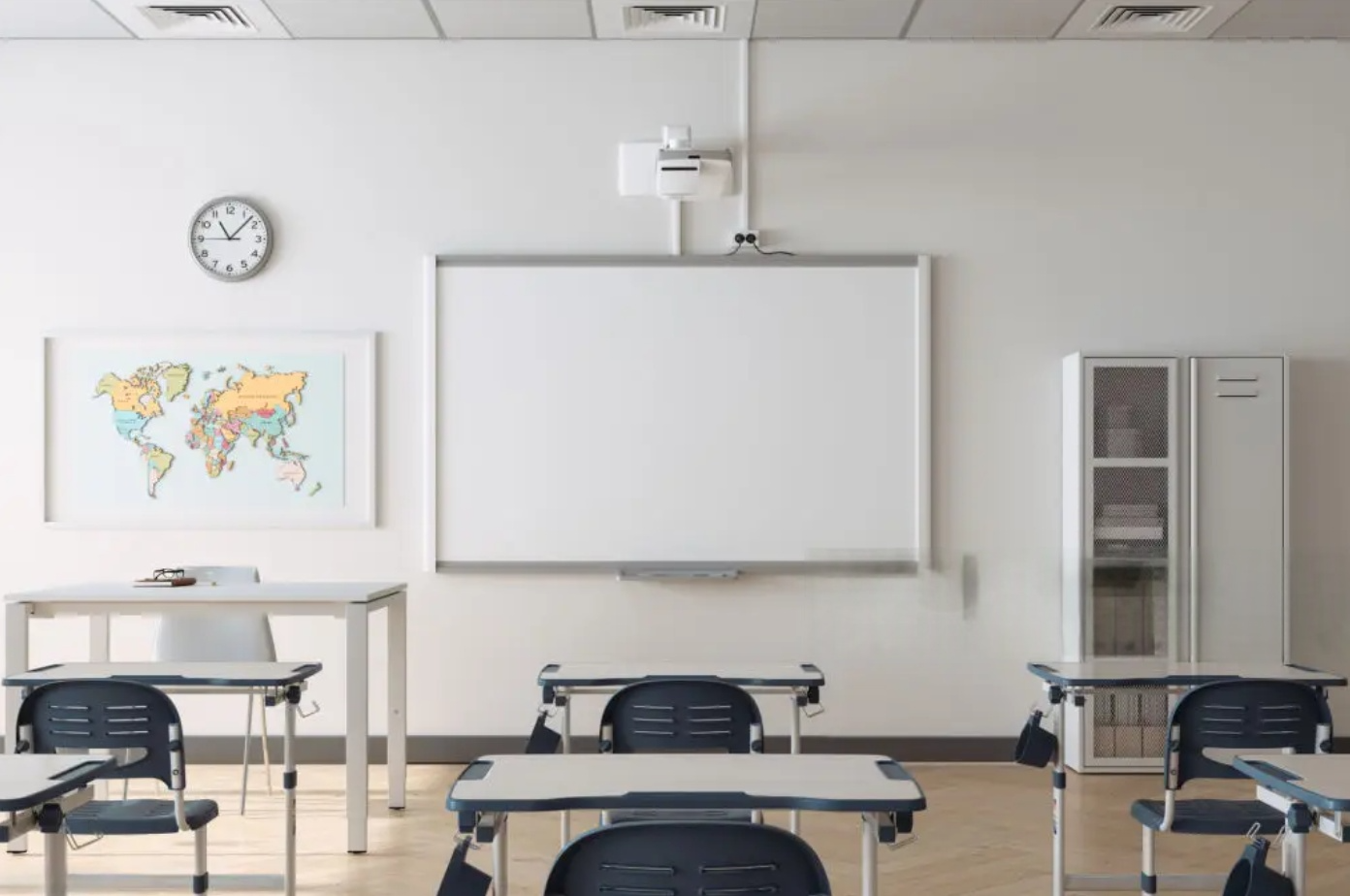
Example: a school installs video-only cameras in a classroom where students have shown aggressive behavior. The district notifies parents, logs access, and keeps footage for 30 days. This setup is typically lawful and defensible.
When cameras can be illegal or risky
There are clear red flags that make the answer to is it illegal to have cameras in classrooms more likely to be “yes.” Watch for these situations:
- Recording audio without consent in a state that requires one- or two-party consent.
- Installing cameras in private areas like restrooms, locker rooms, or spaces where there is an expectation of privacy.
- Secretly recording students or staff without notice when recordings will be shared externally.
- Storing footage insecurely, leading to leaks or misuse.
Legal and reputational consequences
- Civil lawsuits for invasion of privacy or violation of wiretapping statutes.
- Employment claims from staff if cameras violate collective bargaining agreements.
- Loss of public trust and complaints from families or unions.
Real-world note: A district I advised once installed an audio-enabled camera to monitor a special education classroom. They didn’t check the state’s consent law. After a complaint, the district faced an investigation and had to destroy recordings and revise policy. That mistake was costly and avoidable.

Practical best practices for schools and teachers
Creating a fair, legal camera policy prevents trouble. Use this checklist to guide decisions about whether is it illegal to have cameras in classrooms in your context.
- Start with written policy
- Define purpose, scope, retention, access, and oversight.
- Prefer video-only recording
- Turn off audio unless you have clear legal authority and consent.
- Post clear notice
- Use visible signs and send letters to families and staff.
- Limit camera placement
- Avoid bathrooms, changing areas, and any place with privacy expectations.
- Control access and retention
- Restrict who can view footage and set a short retention period.
- Train staff
- Teach legal limits, how to request footage, and how to handle privacy complaints.
- Engage stakeholders
- Consult parents, staff, unions, and legal counsel before deploying cameras.
- Audit regularly
- Review logs and policies annually to ensure compliance.
Personal tip: start with a pilot in one area. Collect feedback, test technical controls, and fix problems before scaling up. Small pilots reveal issues like blind spots, accidental audio capture, and user access mistakes.

Real-world examples and lessons from experience
Example 1: Safety-focused deployment
- A mid-sized district placed cameras in gymnasiums and main classrooms after several safety incidents.
- They used video-only cams, posted notices, and set a 45-day retention.
- Result: fewer incidents and clear evidence in two investigations.
Example 2: Poor policy, big fallout
- Another district installed cameras with audio in classrooms without staff notice.
- Teachers reported feeling spied upon. A parent sued after footage was shared outside the district.
- Result: legal costs, destroyed trust, and a new policy requiring board approval.
Lessons learned
- Clarity matters. A simple policy prevents most conflicts.
- Technical choices matter. Audio creates legal risk.
- Transparency builds trust. Give teachers and parents a voice.
Frequently Asked Questions of is it illegal to have cameras in classrooms
Is it illegal to have cameras in classrooms without telling parents?
It depends. Video-only cameras in public areas are often allowed without parental consent, but notification is best practice. If recordings identify students as education records, rules may require notice or consent.
Can teachers record their own classroom for training?
Yes, teachers can record lessons for training if school policy allows it and privacy rules are followed. Ensure students and families are informed and remove or blur students if sharing publicly.
Do federal laws ban classroom cameras?
No single federal law outright bans cameras in classrooms. Federal privacy rules can apply when footage becomes part of a student's education record. States and districts set many of the practical limits.
Are audio recordings more restricted than video?
Yes. Audio often triggers wiretapping and consent laws. Many states require one or two-party consent before audio recording, so audio is riskier than video-only recording.
What should schools do after an incident filmed by a camera?
Follow policy: secure footage, document access, limit viewing to authorized staff, and use evidence only for lawful investigations. Notify affected families when required by policy or law.
Conclusion
Balancing safety, privacy, and legality is the heart of answering is it illegal to have cameras in classrooms. Cameras are not automatically illegal, but poor planning can create legal risk and harm trust. Use clear policies, prefer video-only systems, post notices, limit access, and consult legal counsel. Start small, involve stakeholders, and audit regularly. If you manage a school, commit to a transparent plan today: review your policy, check state law, and pilot responsibly.
Ready to tighten your classroom camera policy? Review your local laws, draft clear rules, and involve teachers and parents. Leave a comment below or subscribe for templates and sample policies you can adapt for your district.

Jamie Lee is a seasoned tech analyst and writer at MyTechGrid.com, known for making the rapidly evolving world of technology accessible to all. Jamie’s work focuses on emerging technologies, product deep-dives, and industry trends—translating complex concepts into engaging, easy-to-understand content. When not researching the latest breakthroughs, Jamie enjoys exploring new tools, testing gadgets, and helping readers navigate the digital world with confidence.