Best wireless earbuds for musicians: Shure SE215 PRO nails stage fit, isolation, and sound.
I’ve stood at the edge of a stage and in tiny studios. I know how frustrating poor fit, lag, or muddy sound can ruin a take. The right earphones solve isolation, accurate tone, and comfort. In this guide I’ll walk you through practical picks and real-world uses to help you choose the best wireless earbuds for musicians that work on stage, in rehearsal, and while producing.
JBL Vibe Beam 2

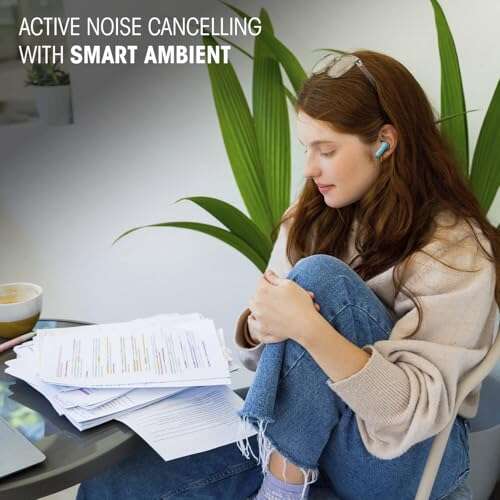
I use the JBL Vibe Beam 2 for practice sessions when I need full, punchy bass and long battery life. The JBL Pure Bass tuning pushes low end without drowning mids, which helps rhythm players hear groove and pocket clearly. Noise cancellation and Smart Ambient help when I need some stage awareness or quick cueing. I found the four-mic array gives solid call clarity and hands-free control for on-the-fly setup tweaks.
Build-wise they feel robust for daily gigging and have an IP54 rating that stands up to sweat and dust. The companion app offers simple EQ presets that suit live tonal checks. Playback stretches toward 40 hours with the case, which keeps them ready for long rehearsals. For monitoring accuracy, they’re better for rhythm and playback than critical mixing.
Pros:
- Strong bass delivery—good for rhythm cues.
- Long battery life—stays on through long rehearsals.
- Effective ANC and ambient modes—flexible stage awareness.
- Clear call quality—nice for remote sessions and calls.
- Water and dust resistance—survives rough rehearsal spaces.
Cons:
- Not the most neutral tuning—less ideal for critical mixing.
- True wireless fit may need tips to lock for energetic movement.
My Recommendation
The JBL Vibe Beam 2 is best for players who want punchy playback and long runtime during practice or casual gigs. I recommend them to drummers and rhythm guitarists who need reliable bass and hands-free controls. If you want the best wireless earbuds for musicians who need stage-friendly wireless with good battery life, these are a very practical pick. They give strong value for rehearsals and casual stage use.
| Best for | Why |
|---|---|
| Drummers & rhythm players | Punchy bass and long battery life for long sessions |
| Outdoor rehearsals | IP54 rating resists sweat and dust |
| Hands-free setups | Four-mic array and voice controls |
KZ ZS10 Pro

The Linsoul KZ ZS10 Pro is a wired hybrid IEM built for on-stage monitoring and personal mixing. Its 4BA + 1DD configuration gives separation that I use to hear detailed highs without bleeding mids. The detachable cable is a pro for stage rigs; I can swap cables for different setups. It’s compact and isolates well in loud rooms.
Tonally they are bright and revealing, which helps singers and instrument players spot pitch and timbral issues. The stainless steel faceplate takes knocks and still looks good after heavy use. Because they’re wired, latency is zero and reliability is high for in-ear monitors. These are a musician-first tool, not a lifestyle earbud.
Pros:
- Hybrid drivers for detailed sound and tight bass.
- Detachable cable—easy to replace or upgrade.
- Excellent isolation—great for loud stages.
- Durable stainless faceplate—stays serviceable under stress.
- Zero latency—ideal for monitoring.
Cons:
- Wired only—less convenient for phone calls or casual use.
- Fit can be picky—try different tips to find the seal.
My Recommendation
I recommend the KZ ZS10 Pro to musicians who need precise, wired in-ear monitoring. If you need accurate stage sound and zero latency, these deliver. For those hunting the best wireless earbuds for musicians in wireless form, remember these wired hybrids shine as a reliable on-stage option. They’re a cost-effective IEM choice for live performers and backup studio work.
| Best for | Why |
|---|---|
| Live monitoring | Zero latency and strong isolation |
| Budget-conscious pros | High driver count at a modest price |
| Replaceable cables | Detachable cable for easy swaps |
Yinyoo Melody IEM

The CCZ Yinyoo Melody provides a balanced, affordable IEM geared toward singers and beginners. I used these for stage warmups and found the 1DD+1BA combo provides a smooth midrange for vocals. The inclusion of ear fins improves lock when I move during rehearsal. The cable and fit feel reliable for regular use.
They’re wired and built to be practical, not flashy. The sonic profile favors clarity in vocals and acoustic instruments. If you need a simple IEM that gives good stage isolation and clear midrange, these are a smart starter set. For critical mixing, you may want a flatter reference IEM, but for live singing they work well.
Pros:
- Balanced midrange—supports vocal clarity.
- Ear fins for secure fit during movement.
- Affordable—good value for gigging singers.
- Simple, durable cable—practical on stage.
- Good isolation—helps in loud environments.
Cons:
- Wired only—no wireless convenience.
- Not as detailed as higher-end multi-BA IEMs.
My Recommendation
I suggest the Yinyoo Melody for singers and solo performers who want a secure, clear-sounding IEM on a budget. They pair well with compact mixers and personal monitoring packs. If you’re shopping for the best wireless earbuds for musicians and need an entry-level wired option for stage work, these are a solid choice. They give dependable sound and fit for rehearsals and small gigs.
| Best for | Why |
|---|---|
| Solo singers | Clear midrange highlights vocals |
| Beginners | Affordable and easy to use |
| Small venues | Good isolation in compact spaces |
Jrumz XP02 IEM
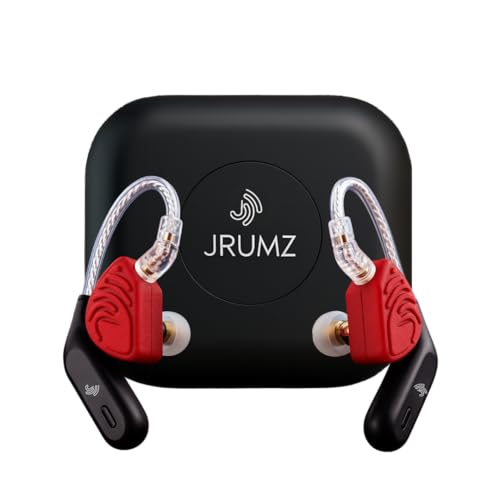
The Jrumz XP02 are wireless in-ear monitors built for long wear and stage comfort. I appreciate the 48-hour playtime claim and the over-ear earhooks that keep them secure while I move. Sound is tuned to be full and supportive for singers and instrumentalists who need reliable monitoring. The low weight helps during long sets.
They perform well for stage use where mobility matters and you need wireless convenience. Battery life is a standout; you won’t worry about a mid-set drop. The trade-off is that they lean toward a performance tuning rather than flat studio neutrality. They work best for musicians who want practical, long-lasting wireless monitoring.
Pros:
- Very long battery life—up to 48 hours in use.
- Over-ear hooks—secure fit for active performers.
- Lightweight design—comfortable in long sessions.
- Wireless freedom—no cables to trip over on stage.
- Good stage volume—clear in loud environments.
Cons:
- Not studio-flat—tuned for performance rather than mixing accuracy.
- Wireless can introduce connection variables depending on venue.
My Recommendation
I favor the Jrumz XP02 for gigging musicians who value battery life and a secure fit above studio-level neutrality. They’re a smart pick for drummers, vocalists, and front-line performers who need dependable wireless monitors. When you search for the best wireless earbuds for musicians who require long runtime and mobility, these answer that need. They offer practical stage-focused features at a fair price.
| Best for | Why |
|---|---|
| Touring musicians | Long battery life and secure fit |
| Active performers | Over-ear hooks prevent slipping |
| Rehearsal stability | Consistent wireless connection for practice |
Fhumsh Bluetooth Earbuds

The Fhumsh Bluetooth earbuds are a budget wireless option that surprised me with clarity and stamina. They deliver up to 50 hours of playback and include ENC noise canceling for cleaner voice monitoring during remote sessions. The LED digital display on the case is a nice touch for battery awareness. For workouts and rehearsals, they are sweat-proof and reliable.
Sound is tuned toward HiFi stereo with a warm tilt. That makes them fun for playback and practice but not a neutral studio monitor. The Bluetooth 5.3 connection is stable in my tests, and simple controls make on-the-fly adjustments easy. Overall they’re a strong budget pick for musicians who need wireless convenience and long runtime.
Pros:
- Extremely long battery life—50 hours advertised.
- ENC noise canceling—better voice clarity during calls.
- Waterproof—sweat-resistant for active rehearsals.
- Clear stereo sound—good for playback and practice.
- LED case display—easy battery check.
Cons:
- Tuning favors consumer bass—less ideal for critical mixing.
- Plastic build—less premium feel than pro IEMs.
My Recommendation
I recommend the Fhumsh earbuds to musicians who want long battery life and wireless freedom on a tight budget. If you’re a practice-focused player who also does remote calls, these give flexible use without breaking the bank. For the best wireless earbuds for musicians who prioritize runtime and value, these are a commanding budget option. They pair practical features with easy daily use.
| Best for | Why |
|---|---|
| Budget buyers | Long battery and solid features for the price |
| Fitness-focused musicians | IPX7 water resistance and secure fit |
| Remote sessions | ENC helps voice clarity for calls |
CCA CRA IEM

The CCA CRA provides a crisp, bass-forward sound with an ultra-thin diaphragm dynamic driver. I like these for DJs and live acts who want punch without losing clarity. The detachable tangle-free cable is a pro for transport and stage swaps. They have excellent presence for electronic and amplified music.
They aren’t neutral studio monitors, but the deep bass helps in club and live contexts. The fit is comfortable with foam tips, and isolation is strong. If you play in loud bands, the CRA keeps your personal mix audible and tight. Durability is good for a low-cost IEM family member.
Pros:
- Deep, punchy bass—great for electronic and DJ work.
- Detachable cable—easy to replace on the road.
- Thin diaphragm driver—fast transient response.
- Comfortable fit with foam tips—good isolation.
- Affordable—strong value for gigging musicians.
Cons:
- Not perfectly flat—limited for mastering or mixing.
- May favor bass at the expense of subtle detail.
My Recommendation
I pick the CCA CRA for musicians and DJs who need impactful low end and a secure stage fit. If you play EDM or bass-heavy music, these will help you feel the groove while keeping voices and leads audible. When thinking about the best wireless earbuds for musicians, remember some wired options like the CRA give better low-end control. They are a useful, road-ready option for performers prioritizing punch and value.
| Best for | Why |
|---|---|
| DJs & electronic acts | Deep bass and fast response |
| Road use | Detachable cable and durable build |
| Gigging musicians | Isolation suited to loud stages |
Shure SE215 PRO

The Shure SE215 PRO is my go-to when I want isolation and a balanced stage reference. Shure’s sound isolating design blocks stage noise and delivers a smooth low end with clear mids. The cable is detachable and replaceable with pro-grade parts. They’re proven in years of live use by musicians and techs worldwide.
They aren’t the lightest IEMs, but they fit snugly and stay in place once you find the right tip. For singers and players who need reliable, repeatable stage monitoring, the SE215 PRO is a classic. I often recommend them as the benchmark for gig-ready, single-driver IEMs at a fair price.
Pros:
- Reliable sound isolation—cuts stage noise effectively.
- Warm, detailed sound—musician-friendly tonality.
- Replaceable cable—pro-level longevity.
- Proven track record—trusted in live setups.
- Comfortable fit with foam tips—stable for long sets.
Cons:
- Single dynamic driver—less extreme separation than multi-BA options.
- Wired—no wireless convenience for mobile use.
My Recommendation
The Shure SE215 PRO is ideal for musicians who want reliable isolation and a warm stage reference. I trust them for live vocals and instrument monitoring because they combine comfort and durability. When people ask for the best wireless earbuds for musicians, I remind them wired Shure IEMs still matter—especially on stage where reliability beats novelty. These offer consistent value and easy serviceability.
| Best for | Why |
|---|---|
| Live performers | Trusted isolation and durability |
| Vocalists | Warm, clear midrange |
| Techs & roadies | Replaceable cables for longevity |
KZ ZS10 Pro (Purple)

The purple variant of the Linsoul KZ ZS10 Pro keeps the same hybrid sound in a unique finish. I found the sonic behavior identical to the black model—detailed highs, tight bass, and strong separation. The color is an aesthetic bonus for players who want a distinctive look on stage. Detachable cable and solid isolation remain core strengths.
That color option doesn’t change performance, but it can help you spot gear quickly in a crowded case. I like recommending color choices to performers who juggle many in-ear mixes. For pure function, they match the other ZS10 Pro models and serve as a dependable wired monitoring choice.
Pros:
- Same hybrid driver performance as the original model.
- Distinctive purple finish—easy to identify gear.
- Detachable cable—easy maintenance and upgrades.
- Strong isolation—keeps stage noise out.
- Good value for a multi-driver IEM.
Cons:
- Wired only—no wireless function for mobile convenience.
- Fit varies—swap tips to find your best seal.
My Recommendation
The purple KZ ZS10 Pro is for musicians who want multi-driver performance with a standout look. I recommend it to performers who want both detail and a recognizable stage aesthetic. When people ask for the best wireless earbuds for musicians, I point out that some wired IEMs like this offer better splitting and zero latency for onstage use. They’re an excellent wired backup or main monitor for many artists.
| Best for | Why |
|---|---|
| Performers who want style | Unique color for quick gear ID |
| Multi-driver fans | Detailed highs and tight bass |
| Stage engineers | Replaceable cables for easy swaps |
JBL Vibe Beam

The JBL Vibe Beam is a solid option for musicians who want JBL’s deep bass and hands-free features without the higher-end Beam 2 upgrades. I tested these for practice and liked VoiceAware for hearing my vocal level in the mix. Battery life is decent, and the sound is easy to enjoy for stage checks and playback. They are simple to pair and use in busy rehearsal rooms.
The tuning leans consumer-friendly, offering impactful low end that helps rhythm players feel their parts. They’re not studio reference earbuds, but they work well for monitoring levels and backing tracks. For performers who want JBL character and dependable wireless convenience, the Vibe Beam is a useful tool.
Pros:
- Deep JBL bass—helps feel groove and rhythm.
- Hands-free VoiceAware—monitor your vocals in real time.
- Good battery life for rehearsals.
- Compact and easy to store in gig bags.
- Simple pairing and control—fast setup for quick run-throughs.
Cons:
- Consumer tuning—not ideal for neutral mixing.
- Fit may need tip swaps for secure stage use.
My Recommendation
I recommend the JBL Vibe Beam for musicians who want consumer-style punch and easy controls for rehearsals. These are great for rhythm players and backing track users who like a bit of bass emphasis. If you’re searching for the best wireless earbuds for musicians but want JBL flavor and simplicity, consider the Vibe Beam for practice and casual gigs. They’re straightforward and dependable for most onstage needs.
| Best for | Why |
|---|---|
| Backline players | Punchy bass for rhythm cues |
| Casual giggers | Easy pairing and controls |
| Practice sessions | Good battery and playback clarity |
KBEAR KS1 IEM

The KBEAR KS1 delivers a super bass-forward sound and high-resolution playback for stage monitoring and practice. I’ve used these to check low-end in club mixes and reached good isolation with foam tips. They reproduce bass weight with authority, making them a favorite for bassists and electronic musicians. The build feels solid enough for frequent transport.
They’re not neutral, so for mixing you might use a second, flatter reference. But for performing, the KS1 helps you feel transients and low-end rhythm. Comfort is good for multi-hour sessions. I recommend them when you need a strong low-end presence onstage without sacrificing comfort.
Pros:
- Powerful bass—excellent for low-frequency monitoring.
- High resolution for their price—good detail retrieval.
- Strong isolation—keeps stage noise out of the mix.
- Comfortable for long sessions—foam tips improve seal and fatigue.
- Sturdy build—suits regular gig use.
Cons:
- Bass-heavy tuning—not ideal for neutral critical listening.
- Wired—lacks wireless convenience for mobile needs.
My Recommendation
I pick the KBEAR KS1 for bassists and electronic artists who need to feel low end clearly during live sets. They provide weight and clarity where it matters onstage. If you search for the best wireless earbuds for musicians but want wired power and deep bass, these KBEAR IEMs are an excellent wired option. They strike a strong balance between comfort and performance for low-end monitoring.
| Best for | Why |
|---|---|
| Bass players | Deep, authoritative low end |
| Electronic musicians | Good for club-style monitoring |
| Long rehearsals | Comfortable fit with foam tips |
FAQs Of best wireless earbuds for musicians
1. Are wireless earbuds reliable enough for live shows?
Yes—many modern wireless earbuds are reliable for live use when you choose models with strong Bluetooth performance and low latency. I prefer dedicated wireless IEMs with proven battery life and secure fit. Always test them with your stage setup before a show.
2. Should I choose wired IEMs or the best wireless earbuds for musicians?
It depends. Wired IEMs offer zero latency and often better neutrality. Wireless gives freedom and convenience. For critical monitoring or in-ear mixing, I often recommend wired for reliability. For mobility and long rehearsals, wireless can be the better everyday choice.
3. How do I get the best fit and isolation?
Try multiple tips: foam, silicone, and double-flange. Foam often gives better isolation and comfort. Over-ear hooks and fins help keep earbuds in place while moving. I test several tips to find the best seal for stage use.
4. Do noise cancelling earbuds help on stage?
Active noise cancellation helps reduce ambient audience and HVAC noise, but it can remove important stage cues. I use ANC for travel and practice, and switch to ambient or pass-through modes when I need to hear the stage. For monitoring, isolation and mix balance are usually more important than ANC.
5. Can I use consumer earbuds for monitoring and mixing?
You can use them for reference and playback, but consumer earbuds often color the sound. For mixing and mastering, choose neutral, high-resolution IEMs or studio headphones. For stage monitoring, consumer earbuds with strong bass and good fit can still be very useful.
Final Verdict: Which Should You Buy?
If you need stage-proven isolation and reliability, I recommend the Shure SE215 PRO as a go-to wired choice for live work. For wireless freedom with strong battery life and stage features, the Jrumz XP02 and JBL Vibe Beam 2 stand out as top picks among the best wireless earbuds for musicians.
Overall, match the earphones to your role: wired multi-driver IEMs for critical monitoring, and long-run wireless for mobility and rehearsal. Pick the best wireless earbuds for musicians based on fit, latency, and where you perform most.

Everett Ashford is a tech reviewer at mytechgrid.com specializing in SSDs, cameras, TVs, earbuds, headphones, and other consumer electronics. He provides honest, data-driven reviews based on hands-on testing and real-world performance analysis. Everett simplifies complex tech details to help readers make smart, confident buying decisions.