The best frequency response for headphones is a smooth, balanced sound from about 20 Hz to 20 kHz.
You may have seen headphones promising an ultra-wide range such as 5 Hz to 40 kHz, yet still heard weak bass or sharp treble. That is because the numbers alone do not show how evenly a headphone plays each tone. I focus on balance, comfort, detail, and real listening use. A flat response often suits studio work, while a gentle bass lift can make music more fun. The right choice depends on your ears, your music, and how you plan to use the headphones.
Sennheiser HD 300 PRO

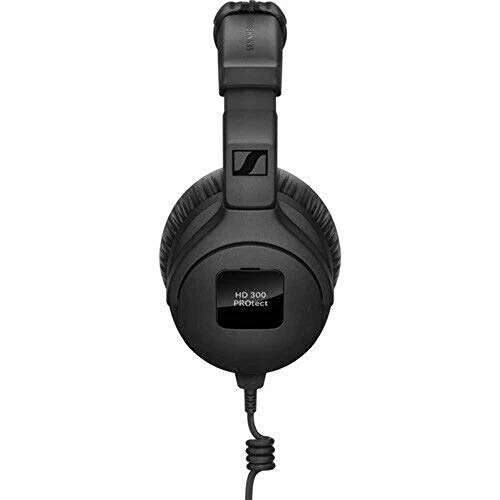
The Sennheiser HD 300 PRO is built for clear monitoring in busy work spaces. Its closed-back design helps block outside noise, so I can hear speech, instruments, and small mix details with less distraction. The sound stays controlled rather than overly bright or boomy. That makes it a strong pick for people who want the best frequency response for headphones during editing, recording, or broadcast work.
I like the firm fit when I need reliable isolation for long sessions. The ear cups feel secure, and the thick pads help create a quiet listening space. It does not try to add a huge bass boost, which helps voices remain natural. The cable is also suited to fixed studio use, though its design may feel less portable than a wireless model.
Pros:
- Clear sound for speech and music monitoring
- Strong passive noise isolation
- Controlled bass without muddy detail
- Secure fit for studio work
- Durable build for regular professional use
- Comfortable padding for long sessions
Cons:
- Firm clamp may not suit every user
- Not designed for wireless listening
- Closed-back cups can feel warm over time
My Recommendation
I recommend the HD 300 PRO for broadcasters, editors, podcasters, and musicians who need focus. It is especially useful in rooms with fans, computers, or other people nearby. The balanced tuning helps me judge voices without the false boom that some consumer headphones add. For a reliable best frequency response for headphones in a work setting, this Sennheiser model is a safe and practical choice.
Shure SRH440 Studio Headphones

The Shure SRH440 has long been a popular choice for home recording and basic studio work. It aims for an extended response with clear mids and useful treble detail. I find that balance helpful when checking vocals, acoustic parts, and spoken content. It gives me a more honest view of a track than many headphones with a heavy consumer-style bass lift.
The detachable cable adds useful flexibility. I can replace the cable instead of replacing the entire headphone if the cable wears out. The folding design also makes storage easier in a small bag. The fit feels professional, but the plastic build and moderate clamp remind me that this is a practical studio tool rather than a luxury travel headset.
Pros:
- Balanced tuning for home recording
- Clear midrange for vocals
- Helpful treble detail for editing
- Detachable cable improves service life
- Includes a carrying bag
- Includes a 1/4-inch adapter
Cons:
- Sound may seem plain to bass fans
- Ear pads can wear with heavy use
- Not ideal for active outdoor use
My Recommendation
The SRH440 suits new producers, voice artists, teachers, and home studio owners. I would choose it when accuracy matters more than a dramatic sound. It is also a smart option for buyers who want replaceable parts and simple wired performance. If you want the best frequency response for headphones at a reasonable studio price, this Shure remains easy to recommend.
Koss KPH40 Utility On-Ear

The Koss KPH40 Utility takes a simple approach to everyday listening. Its open-style on-ear design creates an airy sound that can feel lively with pop, rock, podcasts, and acoustic music. I hear a pleasant balance rather than a thick wall of bass. For casual use, it offers a surprisingly engaging version of the best frequency response for headphones without a high price.
One of its standout features is the interchangeable cord. That small detail matters because a damaged cable does not end the life of the headphones. The light frame also makes it easy to wear around the house or pack for a trip. Still, the open design lets sound in and out, so I would not use it in a loud office or beside someone who needs silence.
Pros:
- Very light for daily listening
- Open sound feels spacious
- Interchangeable cord adds value
- Simple fit works well for quick use
- Good voice clarity for calls and podcasts
- Affordable entry price
Cons:
- Limited noise isolation
- Sound leakage may bother nearby people
- On-ear pads may not suit large ears
My Recommendation
I suggest the KPH40 Utility for students, commuters in quiet places, and listeners who dislike heavy headphones. It works best when comfort and low weight matter more than deep sub-bass. The sound is friendly and easy to enjoy, though it is not my first pick for mixing. For shoppers seeking an affordable best frequency response for headphones, this Koss offers excellent everyday value.
Ollo Audio X1 Studio Headphones

The Ollo Audio X1 targets producers and mixers who want a flatter reference. Its individually calibrated approach is useful because small tonal shifts can change how I judge a mix. The goal is not excitement; the goal is a dependable view of bass, mids, and highs. That makes this one of the strongest choices for the best frequency response for headphones in a serious production setup.
I value headphones that help me make decisions without forcing me to guess what the driver is adding. The X1 has a studio-focused character that can reveal harsh upper mids or an uneven low end. It also feels made for repeated desk use rather than casual pocket travel. Buyers should still test the fit, since professional over-ear designs can feel heavier than basic consumer models.
Pros:
- Flat response supports careful mixing
- Individual calibration improves consistency
- Clear detail across the midrange
- Useful for producing and editing
- Professional build feels purposeful
- Helps reveal tonal problems in a mix
Cons:
- Studio tuning may sound less exciting
- Higher cost than simple casual headphones
- Requires a good fit for best results
My Recommendation
I recommend the X1 for producers, mixing engineers, and serious home studio users. It is a strong match for anyone who wants a flatter response instead of boosted bass. I would not buy it only for gym use or noisy travel. When accurate sound is the main goal, this Ollo model gives the best frequency response for headphones among the products here for focused mix work.
Koss KPH40 Utility Stealth Grey

The Stealth Grey KPH40 gives the same basic idea as the Utility model in a quiet, simple color. It is small, light, and easy to use for music, video, or spoken audio. The open presentation keeps voices clear and gives instruments room to breathe. I find its response more natural than many low-cost headphones that push the bass too hard.
This model works well as a spare pair. I can leave it at a desk, keep it in a bag, or hand it to a family member without much worry. The interchangeable cord is a useful feature at this price. Its limits are easy to understand: it does not seal the ear, it has no active noise canceling, and it will not deliver the deep physical bass of a large closed-back model.
Pros:
- Lightweight design causes little fatigue
- Natural sound for casual listening
- Clear speech and podcast playback
- Interchangeable cord helps with repairs
- Compact frame stores easily
- Good value for a backup pair
Cons:
- Open design provides little isolation
- Bass lacks deep subwoofer impact
- On-ear fit may press after long use
My Recommendation
I would choose the Stealth Grey KPH40 for students, office workers in quiet rooms, and anyone who wants a low-cost spare. It is also a nice choice for listeners who prefer a light headphone that almost disappears on the head. It cannot replace a studio monitor, but it delivers an enjoyable and balanced version of the best frequency response for headphones at a very accessible cost.
Roland VMH-S100 Production Headphones

The Roland VMH-S100 is made for music production and long periods of focused listening. Its 50 mm driver unit aims to provide a wide presentation with enough low-end reach for modern tracks. I hear the benefit when checking kick drums, bass lines, and layered synths. The closed-back design also keeps outside sound from pulling my attention away.
Isolation is one of this model’s practical strengths. It helps when I record, practice, or work near other people. The broad response can make a mix feel more complete, but I still check final work on speakers and other headphones. No headphone gives a perfect picture in every room, so I treat this Roland as a useful reference tool rather than the only judge.
Pros:
- Large drivers provide a full sound
- Wide response suits music production
- Good passive sound isolation
- Comfortable for extended desk sessions
- Durable design for regular work
- Strong bass reach without losing vocal focus
Cons:
- Large ear cups may feel warm
- More bulky than portable headphones
- Wide tuning still needs cross-checking
My Recommendation
The VMH-S100 is best for musicians, beat makers, and home recordists who need a full closed-back sound. I especially like it for tracking because it reduces spill and helps me hear the performance. Buyers who want the best frequency response for headphones with strong bass extension should place this Roland high on their list. It offers a good mix of range, comfort, and isolation.
Yamaha RH1C Portable Headphones

The Yamaha RH1C is a compact wired headphone for simple stereo listening. It focuses on portability rather than advanced studio features. I find it useful for keyboards, small music players, practice sessions, and basic home use. Its sound presents music in a direct way, which can suit listeners who do not want a large or heavy headset.
The lightweight shape makes it easy to keep nearby. It also works well for users who still have a compatible headphone jack on a keyboard, instrument, or other device. Its small design does not create the same isolation as a closed over-ear model. Still, it can provide a clean, useful listening option when size and ease matter more than deep bass or premium padding.
Pros:
- Compact and easy to store
- Lightweight for casual use
- Useful with keyboards and music gear
- Simple wired operation needs no charging
- Clear stereo playback for practice
- Yamaha build quality inspires confidence
Cons:
- Limited isolation from outside noise
- Less bass depth than over-ear models
- Basic comfort features may feel dated
My Recommendation
I recommend the RH1C for keyboard players, students, and anyone who needs a small wired pair. It is a practical choice for quiet rooms and short to medium listening sessions. I would not use it as my main mixing headphone, but it can show how a track sounds on a basic portable design. For simple use, it offers a sensible take on the best frequency response for headphones.
Koss KPH40 Retro Orange

The Koss KPH40 Retro adds bright style to a light on-ear design. The orange cushions give it a fun vintage look, while the open sound keeps music lively and clear. I enjoy it with older rock, pop, podcasts, and acoustic tracks. It does not chase extreme detail or huge bass, but it creates a pleasant balance for relaxed listening.
The interchangeable cord is valuable in daily use. I can change the cable if it becomes damaged, which is not common on many affordable headphones. The frame is easy to carry and does not weigh down the head. Because the cups are open, I use it at home, in a library, or on a quiet walk rather than on a busy train.
Pros:
- Distinctive retro appearance
- Very light on the head
- Open sound has an airy feel
- Interchangeable cord supports long-term use
- Good clarity for voices and guitars
- Fun color adds personal style
Cons:
- Sound leakage limits public use
- Not ideal for deep bass lovers
- On-ear pads may cause pressure
My Recommendation
This retro Koss is best for style-minded listeners, teens, students, and anyone who wants a simple headphone with personality. I would pick it for casual music rather than critical production. Its light frame and balanced sound make it easy to enjoy for short daily trips. If you want the best frequency response for headphones in a fun, low-cost package, this model is worth a look.
Shure SRH440-BK Studio Headphones

This black SRH440 version brings the same studio-first idea in a clean finish. It gives me a controlled sound that helps separate vocals, instruments, and room noise in a recording. The extended range is useful, but I pay more attention to the way it stays even through the midrange. That balance is more important than a headline frequency number.
The detachable cable and included accessories make it a good starter kit. I can connect it to a mixer, interface, keyboard, or computer with the right adapter. The closed cups provide some isolation, which helps during tracking. The design is not as compact as a travel headphone, yet it folds well enough for a small studio bag.
Pros:
- Reliable tuning for home studios
- Clear vocals and midrange detail
- Detachable cable can be replaced
- Folding design helps storage
- Carrying bag supports transport
- Works with studio and home devices
Cons:
- Clamp may feel firm at first
- Not wireless or noise canceling
- Professional look may feel plain
My Recommendation
I recommend the SRH440-BK for beginners who want to learn recording and mixing with a sensible reference. It also suits podcasters and video editors who need clear speech. I would choose it over a bass-heavy model when I need to hear mistakes in a track. It remains one of the better values for the best frequency response for headphones in a home studio.
Shure SRH840 Monitoring Headphones

The Shure SRH840 is the most full-bodied studio monitor in this group. Its 40 mm dynamic drivers deliver strong bass, clear mids, and extended highs without turning every track into a bass test. I hear more weight in kick drums and bass guitars than I hear from the SRH440. At the same time, voices keep enough focus for editing and monitoring work.
The over-ear design helps create a private listening space. The padding feels supportive, though the larger frame adds weight. I like this model when I need to work for hours and want detail with a little warmth. It may not be the flattest option for strict calibration, but it offers a useful balance between professional control and enjoyable music playback.
Pros:
- Rich bass with clear midrange
- Extended highs reveal useful detail
- Good over-ear comfort
- Strong choice for monitoring
- Closed design limits sound leakage
- Works well for music and editing
Cons:
- Heavier than simple portable models
- Ear pads may become warm
- Sound is not perfectly flat for every mix
My Recommendation
The SRH840 is best for producers, DJs, musicians, and listeners who want accurate detail with a touch of musical warmth. I would select it when a very thin studio sound feels tiring. It can handle monitoring, editing, and everyday music with equal confidence. For many buyers, it delivers the best frequency response for headphones because it balances bass impact, vocal clarity, and high-end detail.
Quick Comparison: Best Uses
| Best for | Why |
|---|---|
| Mixing and critical production | Ollo Audio X1 offers a flatter, calibrated reference for careful tonal decisions. |
| Full studio monitoring | Shure SRH840 adds bass weight, clear mids, and useful high-end detail. |
| Low-cost daily listening | Koss KPH40 models stay light, simple, clear, and easy to replace or carry. |
How I Judge Headphone Frequency Response
Frequency response describes the range of tones a headphone can reproduce. Most human hearing covers about 20 Hz to 20 kHz under ideal conditions, though age, listening habits, and ear health change that range. A headphone may list a wider range, but that does not prove it sounds better. The key question is how evenly it plays tones inside the range we can hear.
Bass sits at the low end. It gives music weight and power. The midrange carries most vocals, guitars, piano, and speech. Treble adds sparkle, attack, and air. If bass rises too much, music can sound thick. If treble rises too much, cymbals and “s” sounds can become sharp.
When I review headphones, I listen for smooth transitions. A good pair should not make one part of a song jump out for no clear reason. I also test spoken audio because voices reveal midrange problems quickly. This method helps me judge the best frequency response for headphones in a way that a single number cannot.
What Frequency Response Is Best for Different Uses?
For mixing, a mostly flat response usually works best. It helps me avoid adding too much bass or treble to a recording. Studio headphones do not need to sound boring, but they should avoid large peaks that hide problems. I still compare a mix on speakers, earbuds, and another headphone before calling it finished.
For music enjoyment, a mild bass lift can feel more fun. Many listeners prefer a little extra low-end energy for hip-hop, electronic music, pop, and movie soundtracks. The lift should remain controlled so vocals do not disappear. In this case, the best frequency response for headphones may be slightly warm rather than perfectly flat.
For podcasts and calls, clear mids matter most. A huge frequency range does not help if speech sounds distant or nasal. The Sennheiser HD 300 PRO and Shure SRH440 show why vocal balance matters. I prefer a clean midrange and smooth upper tones for long spoken content.
For gaming, the best tuning depends on the game. A controlled bass response can make explosions feel real, while a clear upper midrange helps footsteps and dialogue stand out. Too much bass may cover small sounds. A wide, natural presentation can also help with placement, but comfort remains just as important during long sessions.
Why a Wide Frequency Range Does Not Guarantee Better Sound
Headphone listings often show a range wider than human hearing. That can sound impressive, but the number may only describe the outer limits of the driver. It does not tell me whether the headphone plays 100 Hz, 1 kHz, and 10 kHz at similar levels. A flat response from 20 Hz to 20 kHz is often more useful than a wild claim from 5 Hz to 40 kHz.
Fit also changes the result. A small gap around the ear can reduce bass. Glasses can affect the seal. Hair and ear shape can change the upper response. This is why two people can wear the same headphone and describe it in different ways.
Source quality matters as well. A weak phone output may not drive a demanding studio model with the same control as an audio interface. Poor recordings will still sound poor on a highly detailed headphone. The best frequency response for headphones cannot repair a bad source, a poor fit, or a damaged cable.
Flat, Warm, Bright, and V-Shaped Sound
A flat headphone aims for an even balance. I use this type when I need to judge a mix or hear a recording with fewer changes. It can reveal mistakes, but some listeners may find it less thrilling. Flat does not mean lifeless; it means the headphone adds less color.
A warm headphone adds some low bass or lower midrange weight. This can make music feel smooth and rich. It often suits long listening, jazz, rock, and vocal music. Too much warmth can make a mix cloudy, so I check vocals and bass lines with care.
A bright headphone emphasizes upper mids or treble. It can reveal detail and make a track feel open. However, a strong peak can cause fatigue, especially at high volume. I look for smooth treble rather than sharp treble.
A V-shaped headphone boosts bass and treble while pulling back the mids. This tuning can sound exciting at first. It works for some modern music and games, but voices may lose body. For critical work, I usually prefer a flatter response.
How to Choose the Right Headphones
Start with your main task. A producer needs a different sound from a commuter. A podcaster needs clear speech, while a movie fan may want deeper bass. If you name the use first, the search becomes much easier.
Next, decide between open-back, closed-back, and on-ear designs. Open headphones often sound wide and airy, but they leak sound. Closed headphones isolate better and usually provide stronger bass. On-ear models are light and portable, though the fit can vary from person to person.
Think about comfort before chasing specifications. Soft pads, a gentle clamp, and a reasonable weight matter during real use. I would rather wear a balanced headphone for two hours than a highly detailed model for ten minutes. Comfort affects how often you use the product.