Introduction
Yes—AI can be a form of media, but AI is not always media.
In the United States, people use AI in many ways. A chatbot can write a news summary. An image model can create a campaign graphic. A recommendation system can decide which video appears next on a phone. In each case, AI helps create, shape, or deliver information.
The key point is simple: AI is a technology, while media is a way to create, carry, or share messages. AI becomes media when it communicates ideas, produces content, filters information, or affects what people see and hear.

What does “media” mean?
Media are tools, systems, and channels used to create and share information with an audience. The word can describe both the message and the way that message reaches people.
Traditional media include:
- Newspapers and magazines
- Radio and television
- Books and films
- Websites and podcasts
- Social media platforms
- Advertising and public relations
Media can take several forms. A printed newspaper is a medium. A television network is a media organization. A video shared on a social platform is media content. The same idea may appear in text, sound, images, video, or interactive form.
The term medium means one channel or method of communication. Media is the plural form, although “media” is also commonly used as a broad category.
The Encyclopaedia Britannica definition of mass media describes media as communication channels that reach large groups of people. That idea is useful, but modern media can also be personal, private, or interactive. A chatbot conversation may involve only one person and still function as a communication medium.
Media has three basic parts
Most media systems include:
- A message — the information, story, image, sound, or idea.
- A channel — the method used to carry the message.
- An audience — the person or group that receives or interprets it.
AI can take part in all three parts. It can help produce the message, act as part of the channel, and change how the audience receives it.

Why can AI be considered a form of media?
AI can be considered media when it communicates content or controls the flow of information between people and the world.
A search engine with AI-generated answers is more than a database. It selects information, summarizes it, and presents an answer in a particular style. A generative AI tool can produce text, images, music, speech, or video. A recommendation system can decide which posts, products, or news stories receive attention.
These uses match several established roles of media.
AI creates content
Generative AI systems can produce:
- Articles and summaries
- Images and illustrations
- Voice and music
- Video and animation
- Computer code
- Virtual characters
- Interactive stories
The output may be original in form, but it is still content. When that content reaches an audience, it functions as media.
For example, a company may use an AI system to create a product video. The AI model is the production tool, while the video is the media product. If the AI system also creates a virtual presenter that speaks directly to viewers, it becomes part of the communication experience.
AI distributes and filters content
Media does not only mean content creation. Distribution matters too.
Social media feeds, streaming services, search engines, and online stores use automated systems to rank and recommend content. These systems influence what users notice and what they ignore. AI may help predict a user’s interests, identify topics, remove harmful material, or select an advertisement.
This gives AI a gatekeeping role. A human editor once made many of these choices in newspapers and broadcast news. Today, software often makes or supports similar decisions at a much larger scale.
AI changes the message
A medium can affect how a message is understood. For example, a short video encourages a different style of communication than a printed essay.
AI also shapes messages through:
- The wording of a prompt
- The data used to train a model
- The model’s safety rules
- The system’s interface
- The ranking method
- The way it responds to a user
Two AI tools can receive the same request and produce different answers. Their design choices affect the final message.
This connects with media theorist Marshall McLuhan’s well-known idea that “the medium is the message.” The point is that the method of communication can shape meaning, behavior, and culture—not just carry information.
AI enables two-way communication
Many older media forms send information in one direction. A newspaper publishes, and the reader receives it.
AI systems can support a back-and-forth exchange. A user asks a question, the system responds, and the user asks a follow-up question. The message changes during the interaction.
This makes AI similar to:
- A conversation partner
- A tutor
- A search assistant
- A game character
- A customer service agent
- A personal information filter
The interactive nature of AI is one reason some researchers describe it as a new communication medium rather than only a software tool.

Is AI itself media, or is it only a media tool?
The answer depends on which part of AI you mean.
The term AI covers many different systems. Some AI systems analyze data without communicating with people. Others produce or deliver content. Treating every AI system as media would make the term too broad.
| AI use | Is it media? | Why |
|---|---|---|
| Fraud detection in a bank | Usually no | It analyzes activity but may not communicate a public message |
| AI weather prediction | Not by itself | The prediction becomes media when presented to an audience |
| Text generation tool | Often yes | It produces language that people can read or share |
| Image generator | Often yes | It creates visual content |
| Video recommendation system | Yes, in a broad sense | It filters and distributes media |
| AI customer service bot | Often yes | It communicates directly with users |
| Medical image analysis | Usually no by itself | Its main role is analysis, though its report can become communication |
| AI news anchor | Yes | It presents information to an audience |
The best answer is therefore conditional:
AI is a form of media when it communicates, creates, edits, selects, or delivers messages. AI is a technology or tool when it performs a task without serving a communication role.
The same system can fit both descriptions. An AI model can analyze a document in one setting and write a public news release in another.

How is AI different from traditional media?
AI differs from traditional media because it can create and adapt content in real time.
A newspaper usually publishes a fixed edition. A television program follows a set schedule. A book has a stable text after publication. AI-generated media can change based on a prompt, a user profile, or new data.
Main differences
1. AI can generate content
Traditional media often relies on human writers, artists, editors, actors, and producers. AI can perform some of these functions or assist with them.
This does not mean AI replaces every human role. People still choose goals, check facts, set boundaries, and decide whether content should be published.
2. AI can personalize messages
An AI system may produce different wording, images, or recommendations for different users. Personalization can make information more useful, but it can also create unequal information environments.
Two people may see different headlines, ads, or political messages about the same topic. This can make it harder to know which version is complete or accurate.
3. AI can respond to the audience
A newspaper cannot change its article because one reader asks a follow-up question. An AI system can.
This creates a more active relationship between the audience and the medium. The user helps shape the content through prompts, feedback, and choices.
4. AI can produce media at scale
One person can use AI to generate hundreds of images, posts, or short videos in a short time. This lowers the cost of content production.
It also creates risks. A large volume of low-quality or misleading content can make reliable information harder to find.
5. AI can hide the source of a message
With traditional media, readers can often identify the author, publisher, station, or production company. AI-generated content may have unclear origins.
A model may produce text based on patterns learned from many sources. The final output may not reveal where its facts, style, or ideas came from. This makes source checking and disclosure more important.
Is generative AI a new media format?
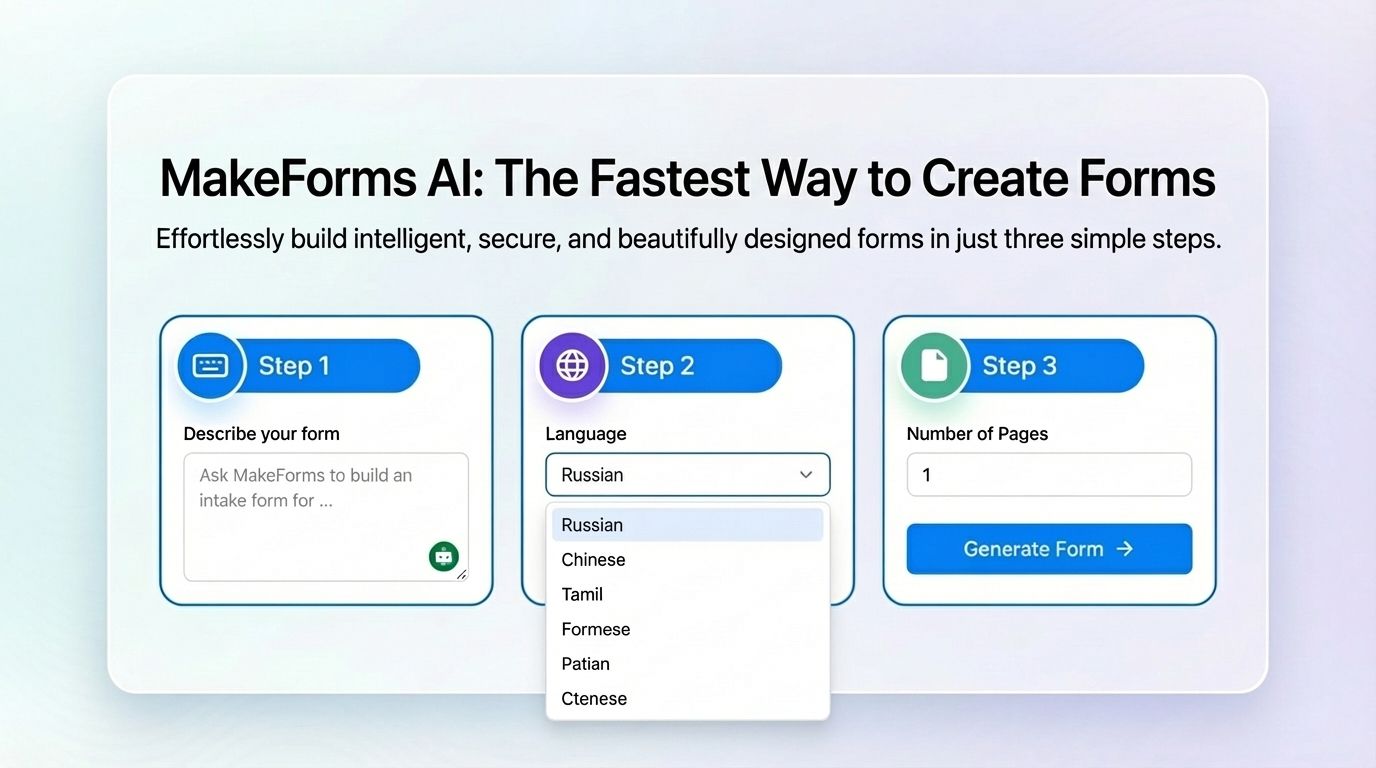
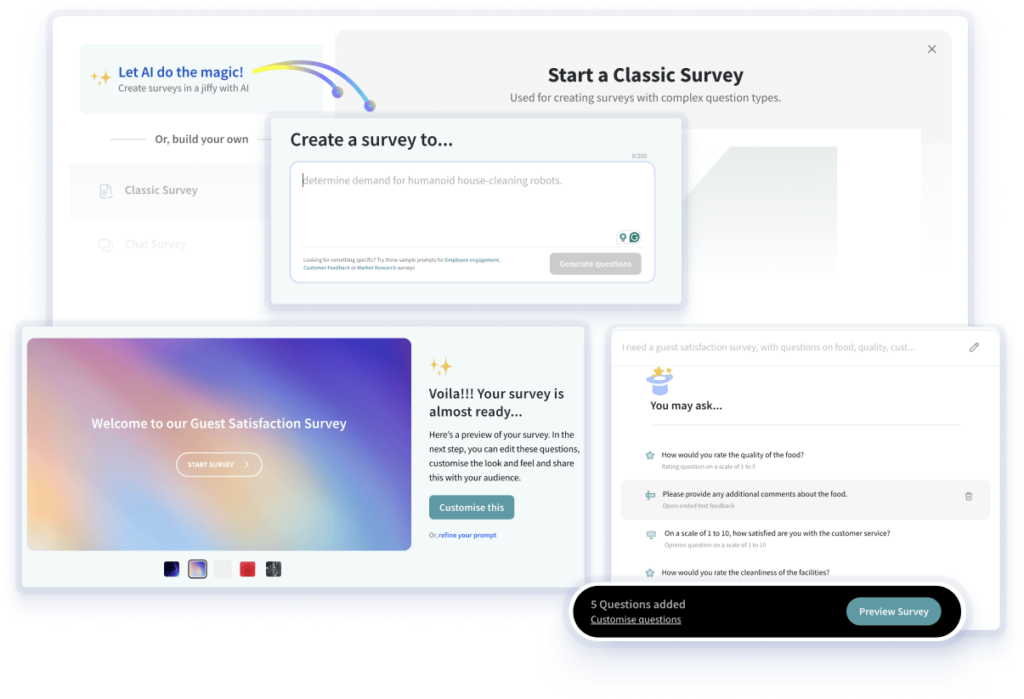
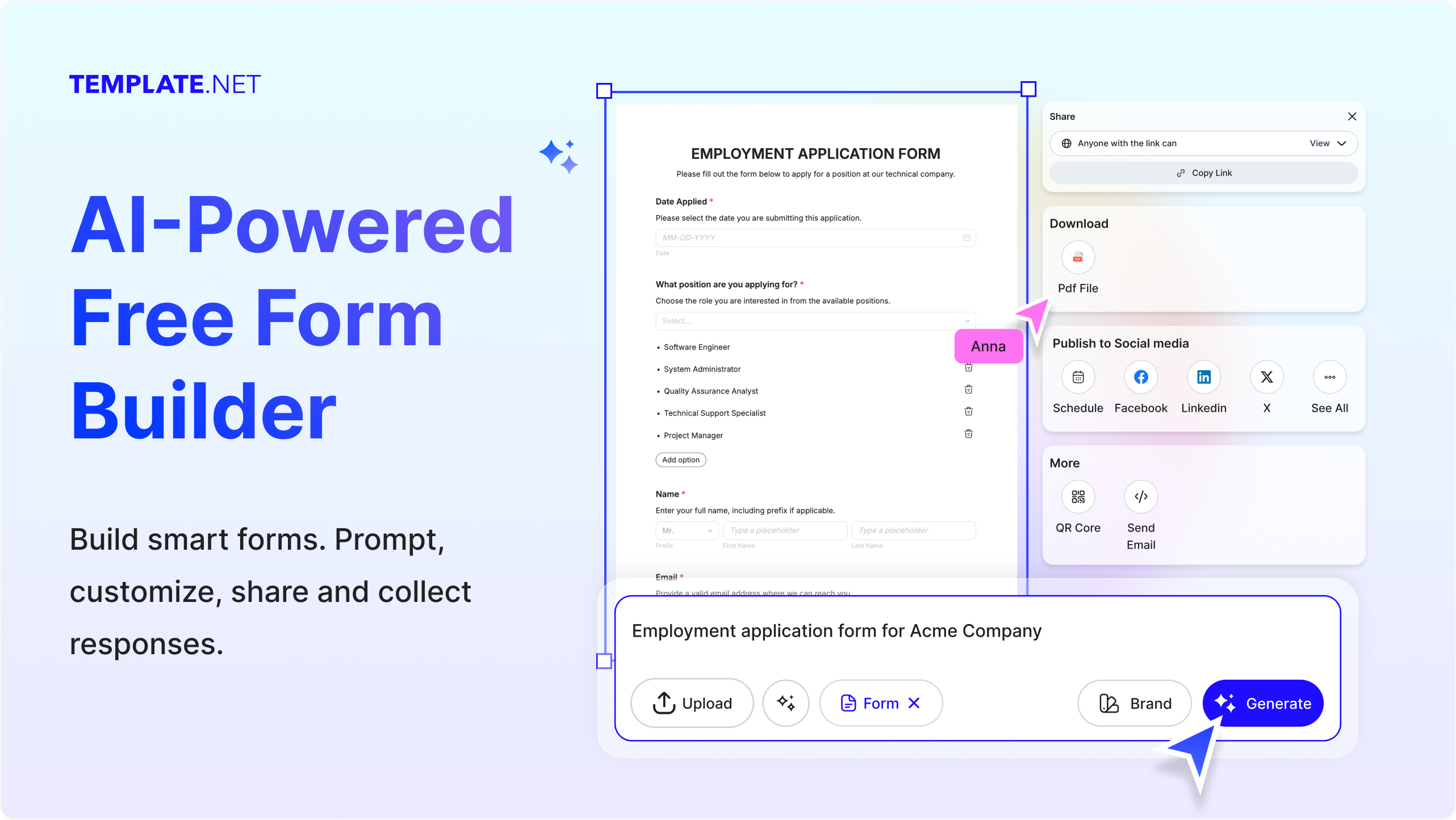
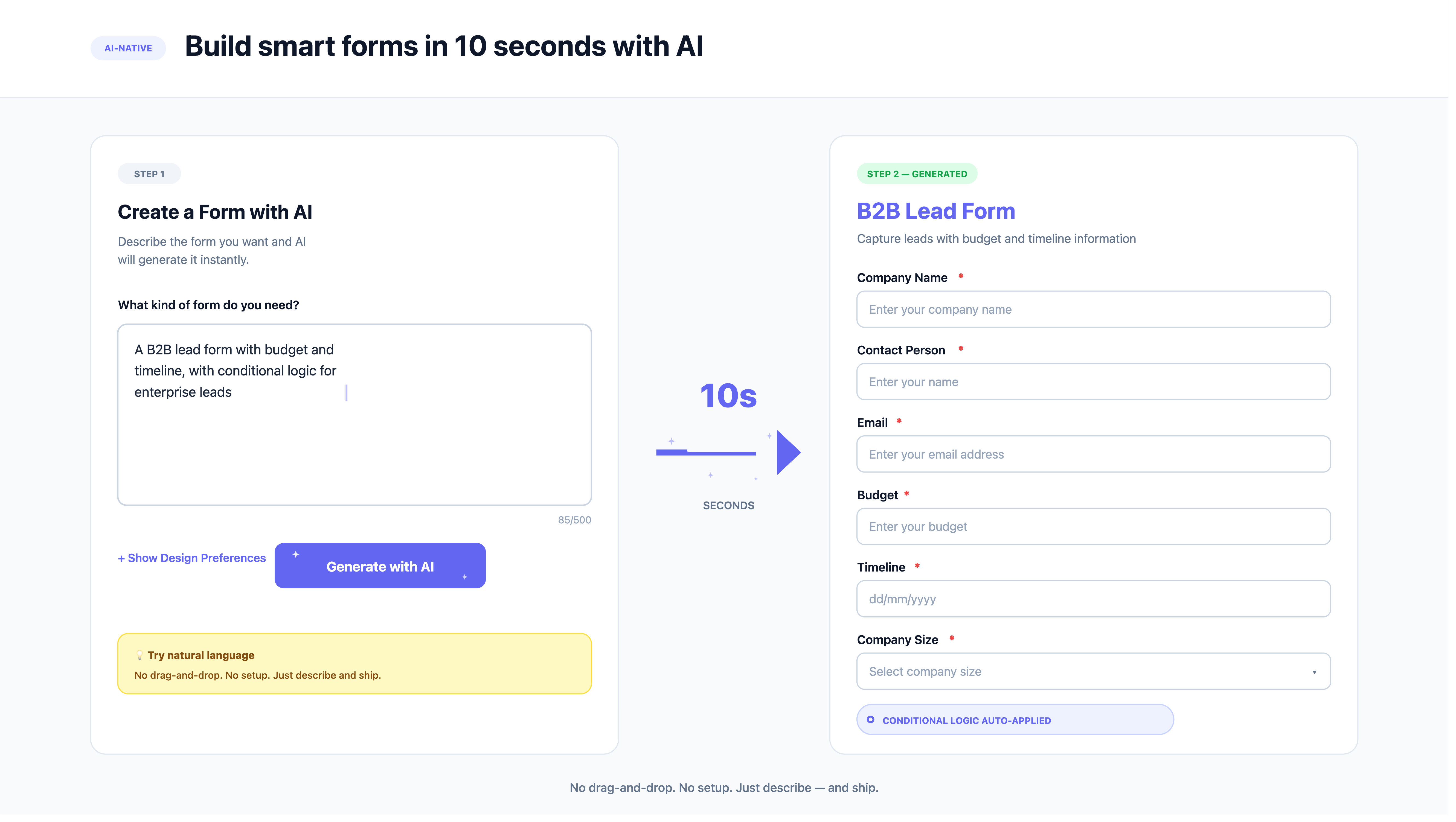
Generative AI is best understood as both a content production system and an interactive medium.
It is a production system because it helps create text, images, audio, video, and code. It is an interactive medium because users communicate with it and receive a response shaped by the system.
Still, generative AI is not a single media format in the same way that film or radio is. It can produce many formats. Its defining feature is not one output type. Its defining feature is the process: content is generated in response to instructions, data, or context.
Examples of generative AI as media
- A chatbot writes a personalized lesson.
- An image model creates a political poster.
- A voice model reads a news story.
- A video model creates a fictional advertisement.
- A music model produces a soundtrack.
- A virtual character speaks with users in real time.
In each example, the AI system helps shape a message. The result may be entertainment, education, marketing, news, or personal communication.
The label “AI-generated media” is useful, but it should not hide the human choices behind the system. Someone still selects the purpose, prompt, audience, editing process, and publishing decision.
What are the benefits of AI as media?
AI can make communication faster, more accessible, and more interactive. Its value depends on the quality of the system and the oversight around it.
Faster content production
AI can help draft, translate, summarize, transcribe, or format material. This may help journalists, teachers, businesses, and community groups work with limited time or staff.
Speed is not the same as accuracy. A fast draft still needs review before publication.
Greater accessibility
AI can support:
- Automatic captions
- Audio descriptions
- Text-to-speech tools
- Speech-to-text tools
- Translation
- Simplified language
- Image descriptions
- Conversational interfaces
These features can help people access information in a form that fits their needs.
More interactive learning
An AI tutor can explain a topic in different ways, offer practice questions, and respond to a learner’s answers. This can make educational media more responsive than a fixed lesson.
However, students should not treat every AI answer as correct. The U.S. Department of Education’s Office of Educational Technology emphasizes the need for human judgment, privacy protection, and responsible use in education.
Lower barriers to creative work
A person with limited design, editing, or production skills can use AI to create a draft or prototype. This may support small businesses, independent creators, and people with disabilities.
The result still needs human direction. AI can make creation easier, but it cannot decide whether a message is fair, useful, truthful, or appropriate for its audience.
What are the risks of AI-generated and AI-delivered media?
The main risks involve accuracy, bias, privacy, ownership, manipulation, and accountability.
False or misleading information
AI systems can generate statements that sound confident but are wrong. This problem is often called a hallucination, although “fabricated output” may be clearer.
The risk is higher when people use AI for:
- News reporting
- Legal information
- Medical decisions
- Financial decisions
- Emergency advice
- Public safety messages
Users should check important claims against reliable sources. The National Institute of Standards and Technology AI Risk Management Framework recommends managing risks across the design, development, use, and evaluation of AI systems.
Bias and unequal representation
AI systems learn from data and design choices. If the data contains gaps or harmful patterns, the output may repeat them.
Bias can appear in:
- Image generation
- Hiring tools
- Search results
- Recommendation feeds
- Automated moderation
- Voice recognition
- Language translation
A polished output can still carry unfair assumptions. Clear style is not proof of neutral content.
Deepfakes and impersonation
AI can generate realistic images, voices, and videos of people who did not create or approve the content. This can harm reputations and support scams, fraud, or political manipulation.
The Federal Trade Commission has taken action against deceptive impersonation practices. In the United States, laws and rules can vary by state and by the type of conduct involved.
When a message could affect money, safety, elections, or a person’s reputation, verify the source through a separate channel.
Copyright and ownership questions
AI-generated content raises difficult questions about training data, authorship, and rights.
The U.S. Copyright Office has published reports on copyright and artificial intelligence. Its guidance indicates that copyright protection depends on the human contribution to a work. A purely machine-generated result may not receive the same protection as a work shaped by meaningful human creativity.
The legal answer can depend on:
- The amount of human input
- The nature of the edits
- The use of copyrighted source material
- The terms of the AI service
- The jurisdiction
- The type of work
Do not assume that an AI output is free to use simply because a machine created it.
Loss of context
AI summaries can remove details, disagreement, uncertainty, or the original speaker’s intent. A short answer may be easier to read but less complete.
This is especially risky when the source contains:
- Legal qualifications
- Scientific limits
- Historical context
- Minority viewpoints
- Important exceptions
- Conflicts of interest
A summary should point readers to the original source when the subject matters.

How should you decide whether an AI output is media?
Use the following test:
- Does the system communicate information or ideas?
- Does it create text, images, sound, video, or another message?
- Does it select or rank what an audience sees?
- Does it change the message based on the user or context?
- Could the output influence beliefs, choices, or behavior?
If the answer is yes to one or more questions, the AI system is performing a media role.
A useful classification is:
| Role | Example | Media function |
|---|---|---|
| Creator | Image generator | Produces a message |
| Editor | AI writing assistant | Changes or improves a message |
| Distributor | Recommendation engine | Sends selected content to an audience |
| Interpreter | AI search summary | Explains or condenses information |
| Performer | Synthetic voice or avatar | Presents a message |
| Gatekeeper | Content moderation system | Controls what people can access |
| Analyst | Equipment fault detector | May not be media unless it communicates publicly |
This framework avoids a common mistake: calling every AI system “media” simply because it uses software. The communication role must be present.
How can people use AI media responsibly?
Responsible use starts with knowing when the stakes are high.
Check the source
Ask:
- Who created the content?
- Which AI system produced it?
- Was a person responsible for review?
- Can the main claim be confirmed elsewhere?
- Is the source selling something or seeking support for a cause?
For news and public claims, check the original report rather than relying only on an AI summary.
Label synthetic content when it matters
Creators should consider disclosure when AI changes a viewer’s understanding of who made, said, or experienced something.
Disclosure is especially useful for:
- Political advertisements
- News reports
- Public statements
- Product demonstrations
- Testimonials
- Historical or documentary material
- Realistic images of real people
- Voice recordings that appear authentic
A clear label should be easy to see. Hidden or vague wording may not give the audience enough context.
Protect private information
Do not paste sensitive information into an AI system unless you understand how the service handles that data.
Sensitive information may include:
- Social Security numbers
- Health records
- Financial account details
- Passwords
- Customer records
- Confidential business plans
- Private legal documents
- Children’s personal information
Company policies, contracts, and privacy laws may impose additional duties.
Keep a human review step
Human review matters most when content affects a person’s rights, safety, reputation, income, education, or access to services.
Reviewers should check:
- Facts
- Sources
- Tone
- Bias
- Privacy
- Copyright concerns
- Accessibility
- Disclosure
- Possible harm
A human approval button has little value if the reviewer does not have enough time, knowledge, or authority to question the output.
Common mistakes when discussing AI as media
Mistake 1: Treating AI as one single thing
AI includes simple prediction tools, recommendation systems, generative models, robotics systems, and many other technologies. Their media roles differ.
Better approach: Name the specific AI use and describe what it does.
Mistake 2: Assuming all AI output is media
A system that detects equipment failure may not be a media system. Its result becomes media when it is turned into a report, alert, or public message.
Better approach: Ask whether the system communicates or only analyzes.
Mistake 3: Assuming human-made media is always reliable
AI can create new risks, but traditional media can also contain errors, bias, propaganda, and conflicts of interest.
Better approach: Judge the message, source, evidence, and purpose—not only the production method.
Mistake 4: Believing a human prompt makes all output human-authored
A short prompt may guide an AI system without showing meaningful human creative control. Copyright analysis often depends on the full process, including selection and editing.
Better approach: Keep records of prompts, drafts, edits, source material, and final human decisions.
Mistake 5: Using “AI-generated” as the only warning
A label tells the audience how content was made, but not whether it is accurate, fair, or safe.
Better approach: Pair disclosure with source information and human review.
Key takeaways
- AI can be a form of media when it creates, carries, filters, or presents messages.
- AI is also a general-purpose technology, so not every AI system is media.
- Generative AI acts as both a content-production tool and an interactive communication medium.
- Recommendation systems and search tools can perform media roles by deciding what information people see.
- AI-generated content can be useful, but it may contain errors, bias, privacy risks, or copyright problems.
- Human review remains important when content affects health, safety, money, legal rights, reputation, or public trust.
Frequently asked questions
Is ChatGPT a form of media?
ChatGPT can function as media because it communicates with users and generates text. It is also software and a language model. The most accurate description depends on the context: it may be a writing tool, an information interface, or an interactive medium.
Are AI images considered media?
Yes. AI-generated images are media when they communicate an idea, story, advertisement, design, or visual message. The image may be synthetic, but it still functions as visual media when people view and interpret it.
Is social media powered by AI?
Many social platforms use AI or automated systems for recommendations, search, advertising, moderation, spam detection, and content ranking. AI is usually one part of the platform rather than the entire medium.
Is AI-generated news real news?
AI-generated text is not automatically news. News requires accurate reporting, source checks, editorial judgment, and accountability. An AI system may assist with drafting or summarizing, but readers should identify the responsible publisher and verify important claims.
Does AI replace traditional media?
AI may change how traditional media is produced and distributed, but it does not automatically replace newspapers, television, radio, books, or human reporting. People still need trusted sources, original reporting, editorial responsibility, and context.
Conclusion
AI is best understood as a technology that can perform media functions.
It becomes media when it creates content, communicates with an audience, selects information, or changes how a message reaches people. It remains a general-purpose tool when it only analyzes data or performs a task without serving a communication role.
For U.S. readers, the practical lesson is to look beyond the label. Ask what the AI system does, who controls it, what message it produces, and how the audience may be affected. That approach gives a clearer answer than simply calling all AI media—or denying that AI has any media role at all.
Selected sources
- Encyclopaedia Britannica: Mass Media
- National Institute of Standards and Technology: AI Risk Management Framework
- U.S. Copyright Office: Copyright and Artificial Intelligence
- U.S. Department of Education: Artificial Intelligence and the Future of Teaching and Learning
- Federal Trade Commission: Rule on Government and Business Impersonation
- McLuhan, Marshall. Understanding Media: The Extensions of Man. MIT Press.

Everett Ashford is a tech reviewer at mytechgrid.com specializing in SSDs, cameras, TVs, earbuds, headphones, and other consumer electronics. He provides honest, data-driven reviews based on hands-on testing and real-world performance analysis. Everett simplifies complex tech details to help readers make smart, confident buying decisions.