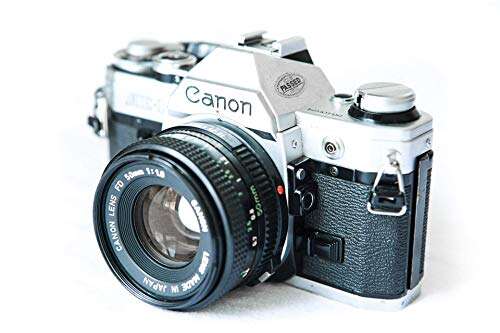
Yes. Canon is a good camera brand for most photographers in the United States. It makes easy-to-use cameras, strong lenses, reliable flashes, and useful tools for photos and video. Its cameras suit beginners, families, travelers, professionals, and content creators.
Canon is not the best fit for every buyer. Sony may offer stronger autofocus choices in some mirrorless models. Nikon may appeal more to people who want a large, high-resolution sensor and a deep grip. Fujifilm may be a better match for people who value small cameras and film-like color styles.
For most US buyers, Canon’s main strengths are its simple menus, large lens range, broad dealer support, and strong service network. Its main limits are model price, lens cost, and some differences between entry-level and high-end cameras.

Why Canon is considered a good camera brand
Canon has built a strong reputation because it combines good image quality with a simple user experience. Its cameras are used by hobbyists, wedding photographers, studios, journalists, schools, and video creators.
The brand covers several camera types:
- EOS R mirrorless cameras: Canon’s main current interchangeable-lens system.
- EOS DSLR cameras: Older models that still work well, but new development is now focused on mirrorless.
- PowerShot cameras: Small fixed-lens cameras.
- Cinema EOS cameras: Professional video cameras.
- RF lenses: Made for Canon’s full-frame and APS-C EOS R cameras.
- EF lenses: Made mainly for Canon DSLR cameras, though many work on EOS R bodies with an adapter.
The brand is not only selling camera bodies. It is selling a system. The body matters, but the lens mount, lenses, batteries, flashes, software, repair options, and used-market value matter too.
Canon’s main strengths
Simple controls: Canon cameras are often friendly to new users. Menus are clear, and automatic modes work well for family photos, travel, and events.
Strong autofocus: Current EOS R cameras use Canon’s Dual Pixel CMOS autofocus system. Many models can detect faces, eyes, people, animals, and vehicles. The exact features vary by model.
Good color and skin tones: Canon cameras often produce pleasing skin tones in JPEG files. This can reduce editing time for portraits and family photos.
Large lens system: Canon offers RF lenses for EOS R cameras and many EF lenses for its older DSLR system. EF lenses can often be used on EOS R bodies with Canon’s EF-EOS R adapter.
Wide model range: Canon makes small entry cameras, crop-sensor cameras, full-frame cameras, and high-end professional bodies.
Strong support in the United States: Canon has a major US presence, official repair channels, manuals, software, and many authorized retailers.
Canon’s main weaknesses
Canon is not always the cheapest system to build. Some RF lenses cost more than the camera body. Third-party RF lens support has also changed over time, so buyers should check current compatibility before purchasing.
Some lower-cost Canon cameras have limits such as:
- A smaller viewfinder
- One memory-card slot
- Limited controls
- Lower video frame-rate options
- Less advanced subject detection
- No built-in image stabilization on some models
These limits do not make the cameras bad. They show why the model matters more than the brand name.

Canon mirrorless cameras: the key choice for new buyers
for a new interchangeable-lens camera, Canon’s EOS R mirrorless system is usually the most sensible place to start.
A mirrorless camera does not use the large optical mirror system found in a DSLR. It sends the sensor image to an electronic viewfinder or rear screen. This design allows a smaller body, live exposure preview, and modern subject detection.
Canon sells both full-frame and APS-C EOS R cameras.
Full-frame Canon cameras
A full-frame sensor is about the same size as a 35mm film frame. It can help with:
- Low-light work
- Strong background blur
- Wide-angle photography
- High-resolution images
- Professional event and portrait work
Full-frame cameras also tend to cost more. Their lenses are often larger and more expensive.
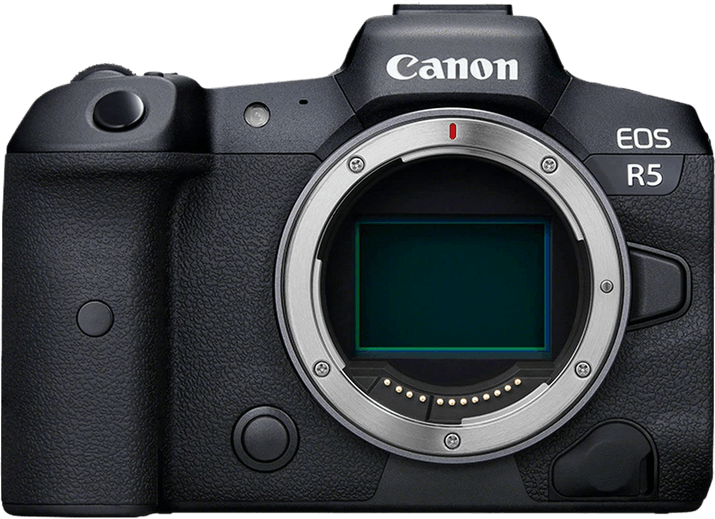
Examples in the EOS R line include the EOS R8, EOS R6 Mark II, EOS R5 Mark II, and EOS R1. These cameras target different users, from advanced hobbyists to working professionals.
APS-C Canon cameras
An APS-C sensor is smaller than a full-frame sensor. It can help keep the camera and lenses small and affordable.
APS-C cameras are often a smart fit for:
- Students
- Travelers
- Parents
- Wildlife beginners
- Casual portrait photographers
- People moving up from a phone
Canon EOS R APS-C models include the EOS R50, EOS R10, and EOS R7. The R7 sits higher in the range and offers features aimed at serious wildlife and action users.
An APS-C sensor also gives a narrower field of view with the same lens. This can help when photographing birds or distant subjects. It can make wide-angle work harder, so the lens choice still matters.
DSLR or mirrorless: which should you buy?
Buy a Canon DSLR if you already own several compatible EF lenses and want to spend less on used equipment. A used EOS 5D, 6D, 80D, or Rebel model can still produce excellent photos.
Buy a Canon mirrorless camera if you are starting from scratch or want newer autofocus, video features, and future system support. Canon’s current development is centered on the EOS R platform.
A DSLR is not automatically worse. It is simply an older design. The right choice depends on your lenses, budget, and need for modern features.

Is Canon good for beginners?
Yes. Canon is one of the easier camera brands for beginners to learn.
A beginner can start in automatic mode, then move to aperture priority, shutter priority, and manual exposure. Canon cameras also give a clear path to better lenses and more advanced bodies.
A good beginner setup often includes:
- A Canon EOS R50 or similar entry-level body.
- The included standard zoom lens.
- One spare battery.
- A memory card from a trusted brand.
- A simple camera bag.
- A basic photo backup plan.
The kit lens is useful for learning. It covers common subjects such as people, pets, food, travel, and outdoor scenes. A small prime lens can be added later for portraits and low-light work.
What beginners should not do
Do not choose a camera only by megapixel count. More pixels do not guarantee better photos.
Do not buy a costly lens before learning what you photograph. A portrait photographer, bird photographer, and travel photographer need very different lenses.
Do not ignore comfort. Hold the camera in a store if possible. A camera that feels good in your hand is more likely to be used.
Do not assume a larger camera will make you a better photographer. Skill, light, timing, and lens choice often matter more than body size.

Is Canon good for professional photography?
Canon is a strong professional choice, but the best model depends on the job.
Canon’s professional EOS R cameras offer fast autofocus, rugged bodies, high burst rates, and strong video tools. Canon also has a long history in professional DSLR photography. This gives working photographers access to a large used lens market and many experienced repair technicians.
Canon for portraits and weddings
Canon works well for portraits and weddings because of its autofocus, skin tones, and lens options. A full-frame body with a fast 50mm, 85mm, or 70–200mm lens can produce strong results.
A wedding photographer should also consider:
- Two memory-card slots
- Battery life
- Weather resistance
- Low-light autofocus
- Flash support
- Backup equipment
- Local repair access
Do not assume every Canon body has the same professional safety features. Check the exact model.
Canon for wildlife and sports
Canon can be excellent for wildlife and sports. Subject detection, fast shutter speeds, and long RF lenses can make it easier to track moving subjects.
The EOS R7 may appeal to wildlife photographers who want APS-C reach. A full-frame model may offer better low-light performance and a wider range of professional features.
For wildlife, the lens often costs more than the body. A camera with advanced autofocus cannot replace a lens that is too short or too slow for the subject.
Canon for video
Canon makes capable video cameras for YouTube, interviews, events, and short films. Many EOS R models offer 4K recording, microphone input, headphone monitoring, and subject tracking.
Video buyers should check:
- 4K crop
- Recording time limits
- Overheating behavior
- Rolling shutter
- Autofocus performance
- Stabilization
- HDMI output
- File formats
- Battery life
Video specifications can vary greatly between models. A camera that is excellent for still photos may not be the best choice for long-form video.

Canon lens choices and system cost
Canon’s camera system is good, but the total cost can rise quickly after the body purchase.
Canon EOS R cameras use RF and RF-S lenses. RF lenses are mainly designed for full-frame cameras. RF-S lenses are designed for APS-C EOS R bodies.
Canon EF and EF-S DSLR lenses may work on EOS R cameras through an official adapter. This can help existing Canon owners move to mirrorless without replacing every lens at once.
A simple Canon lens plan
| Need | Useful lens type | Why it helps |
|---|---|---|
| General use | Standard zoom | Covers travel, family, and daily photos |
| Portraits | Fast 50mm or 85mm | Gives subject separation and soft backgrounds |
| Travel | Small wide-to-standard zoom | Keeps the kit light |
| Wildlife | Telephoto zoom | Brings distant subjects closer |
| Low light | Fast prime lens | Allows more light and blur |
| Video | Wide or standard stabilized lens | Helps with handheld framing |
The best lens is the one that fits the subject and your budget. A basic camera with a good lens may produce better results than an expensive camera with a poor lens choice.
Check compatibility before buying
Before buying a lens, confirm:
- The camera mount
- Sensor format
- Autofocus support
- Image stabilization
- Adapter needs
- Lens size and weight
- Warranty region
- Firmware support
A lens made for a different mount may not work correctly. Avoid assuming that every Canon lens fits every Canon camera.

Canon compared with Sony, Nikon, and Fujifilm
Canon is good, but brand choice depends on your needs.
| Brand | Common strengths | Possible trade-offs |
|---|---|---|
| Canon | Easy controls, strong autofocus, broad support, good color | Some lenses and bodies are costly |
| Sony | Large mirrorless range, strong autofocus, broad lens market | Menus and model differences can feel complex |
| Nikon | Comfortable handling, strong image quality, excellent high-end bodies | Some systems may feel less compact |
| Fujifilm | Small bodies, strong JPEG color styles, many APS-C lenses | Autofocus and video strengths vary by model |
| Panasonic | Strong video tools and stabilization on many models | Autofocus behavior varies by system and model |
| OM System | Small, light bodies and long lens reach | Smaller sensor has low-light trade-offs |
These are broad system traits, not rules for every camera. A specific Sony may beat a specific Canon in one task. A specific Canon may be easier or more reliable for another.
The best comparison is between complete kits. Compare the camera, lens, battery, charger, memory cards, and support—not just the body price.

Is Canon worth the money?
Canon is worth the money when its handling, autofocus, lens range, and support match your work.
A low-cost Canon may be a good value for family photos. A high-end Canon can be worth the cost for a professional who needs speed, durability, backup features, and reliable service.
Use this simple decision guide:
| Your situation | Canon decision |
|---|---|
| You use a phone now | Consider an entry EOS R model |
| You own Canon EF lenses | Consider an EOS R body and adapter |
| You want a small travel kit | Consider an APS-C EOS R body |
| You photograph weddings | Look for full frame and dual card slots |
| You photograph wildlife | Compare autofocus, crop factor, and telephoto lenses |
| You make long videos | Check heat, crop, audio, and recording limits |
| You want the lowest system cost | Compare used Canon, Nikon, Sony, and Fujifilm kits |
Also budget for the items that are easy to forget:
- Extra battery
- Memory cards
- Lens hood
- Bag
- Tripod
- Flash
- Editing software
- Cloud or local backup
- Sensor cleaning
- Insurance for professional work
A camera is a tool, not an investment guarantee. Its value depends on how often you use it and whether it solves your actual problem.

Common Canon camera buying mistakes
The most common mistake is buying the wrong type of camera for the subject.
A small entry-level body may be ideal for travel but less suitable for demanding sports work. A high-resolution full-frame body may be great for studio photos but excessive for casual family use.
Other common mistakes include:
Buying for megapixels alone
Megapixels affect image detail and cropping room. They do not measure autofocus, lens quality, low-light results, handling, or video performance.
Ignoring the lens budget
A camera body is only part of the system. Plan the cost of at least one lens that fits your main subject.
Choosing a camera that is too large
A heavy kit can stay at home. A smaller camera that you carry may produce more useful photos.
Buying gray-market equipment without checking support
A gray-market camera may come from outside the intended sales region. Warranty, repair, menus, and included accessories can differ. Confirm the seller and warranty before paying.
Assuming adapters solve everything
An adapter may preserve autofocus and exposure control, but performance can vary by lens and camera. Check Canon’s compatibility information for older lenses.
Frequently asked questions
Is Canon better than Nikon?
Neither brand is always better. Canon may be easier for some beginners and offers strong autofocus and support. Nikon may provide better handling or features for a particular user. Compare exact camera models and lenses.
Is Canon better than Sony?
Sony has a large mirrorless range and many lens choices. Canon often appeals to users who prefer its menus, colors, ergonomics, or service network. The better brand depends on the body, lens, and subject.
Are Canon cameras good for low light?
Many Canon cameras perform well in low light, especially full-frame models with fast lenses. Results also depend on shutter speed, aperture, autofocus, noise reduction, and the quality of the lens.
Are Canon cameras good for video?
Yes, many are good for video. Check each model for 4K crop, heat, recording limits, autofocus, audio ports, stabilization, and file options before buying.
Do Canon cameras last a long time?
A Canon camera can last for many years when stored, cleaned, and handled well. Lifespan depends on shutter use, moisture, dust, impact, battery health, and repair access. A used camera should be checked for wear and missing parts.
Final verdict: Is Canon a good camera brand?
Canon is a good camera brand and a safe choice for many US buyers. It offers simple operation, strong autofocus, good lenses, broad model coverage, and established customer support.
Choose Canon if you want an easy system that can grow with your skills. It is especially suitable for beginners, families, portrait photographers, event photographers, and many video creators.
Choose another brand if a competitor offers the exact lens, size, video feature, or price that better fits your needs. The best camera is not the one with the biggest name. It is the one you can afford, carry, understand, and use often.
Before buying, compare three things: your main subject, the full lens cost, and the exact model’s limits. That short check will usually matter more than the logo on the camera.
Sources and further checks
- Canon USA Camera and Lens Support
- Canon EOS R System
- Canon Camera Manuals and Technical Support
- Canon Professional Services
- Digital Photography Review camera reviews

Everett Ashford is a tech reviewer at mytechgrid.com specializing in SSDs, cameras, TVs, earbuds, headphones, and other consumer electronics. He provides honest, data-driven reviews based on hands-on testing and real-world performance analysis. Everett simplifies complex tech details to help readers make smart, confident buying decisions.