A great budget-friendly on-ear Bluetooth headset with long battery life and punchy bass.
You’re on a long commute, your playlist is lagging, and your cheap earbuds keep slipping out. You want a simple, comfy pair that lasts the day, folds for travel, and pairs fast with your phone. The Skullcandy Riff Wireless 2 aims to solve that—lightweight build, easy controls, and battery life that won’t bail on you mid-commute. If you want no-fuss audio that sounds good for most music and podcasts, this could be the practical pick.
Is Skullcandy Riff Wireless 2 Good?
I’ll give a clear yes for most casual listeners. The Skullcandy Riff Wireless 2 delivers clean, loud sound with boosted lows, easy Bluetooth pairing, and very long battery life. It’s not audiophile gear, but it’s perfect for daily use—work calls, commuting, and travel. I used these on a two-hour bus ride and then an all-day workday; the headphones stayed snug and the battery outlasted my phone.
They are especially good for you if you want value over bells and whistles. If you prioritize ANC, ultra-fine clarity, or studio-grade accuracy, look elsewhere. For everyday listening and a reliable, portable set of on-ear headphones, Skullcandy Riff Wireless 2 hits the mark.

My First Impression for Skullcandy Riff Wireless 2
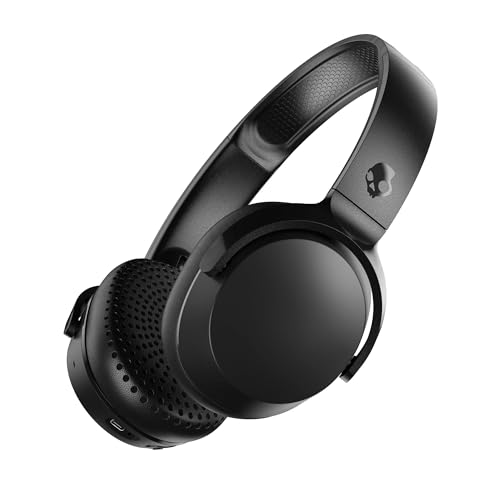
The headphones arrived in a compact box with clear branding. Packaging was clean and simple. Out of the box, the Skullcandy Riff Wireless 2 felt light and well-assembled. The plastic hinges are matte and don’t creak under normal use.
First-time setup was quick. I turned them on, opened my phone’s Bluetooth, and the pairing showed up in seconds. On first listen, the bass hit was noticeable. I felt pleasantly surprised—these headphones sounded fuller than I expected at this price. Comfort was also a relief; the ear pads are soft and the clamping force is light enough for long wear.

What Makes It Stand Out / Key Features
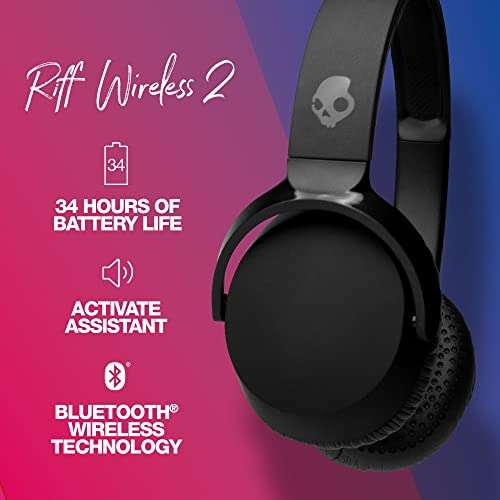
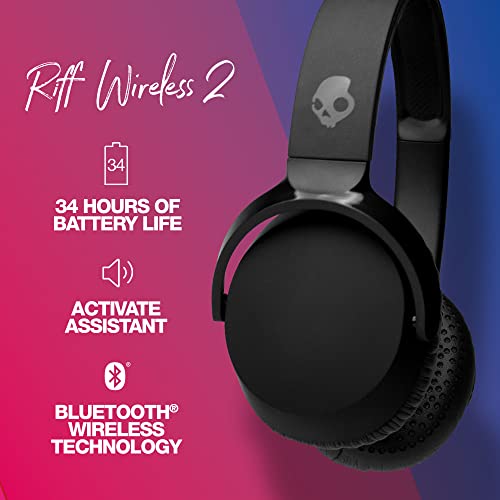
- Up to 34 hours of battery life on a single charge.
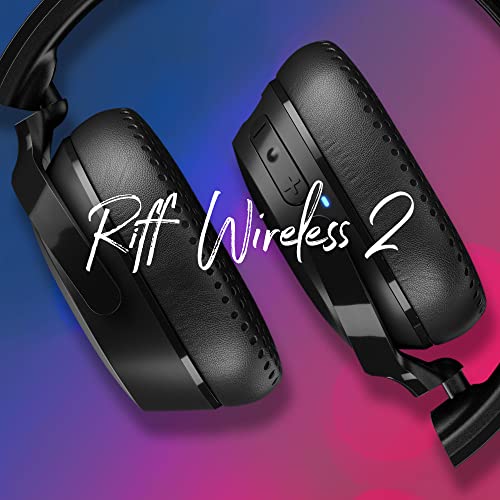
- Foldable, lightweight on-ear design for travel and storage.
- Bluetooth wireless with included 3.5mm AUX cable for wired use.
- Built-in microphone for calls and voice assistants.
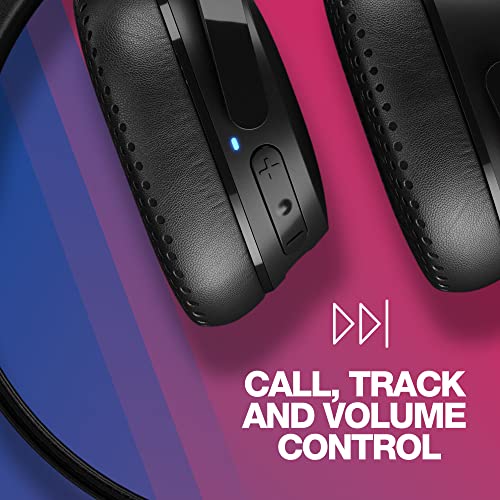
- Simple onboard controls for play/pause, track skip, and call handling.
- Affordable price point with solid Skullcandy styling and color options.
What I Like
- Long battery life that easily covers a full day of use.
- Lightweight and foldable—great for commuting and travel.
- Clear call quality for casual phone calls.
- Simple pairing and reliable Bluetooth connection.
- Good bass response for pop, hip-hop, and podcasts.
- Wired option via 3.5mm cable when you want to save battery.

What Could Be Better
- No active noise cancelling—ambient noise leaks in on busy streets.
- Build is mostly plastic; durability is good for normal use but not rugged use.
- Soundstage is focused and direct—less airy for acoustic or classical music fans.

My Recommendation
If you need a no-fuss pair of wireless on-ear headphones, the Skullcandy Riff Wireless 2 is a smart buy. I recommend the Skullcandy Riff Wireless 2 for commuters, students, and anyone who wants long battery life without a big price tag. It delivers practical sound and comfort for daily use. If you want a travel-friendly, affordable headset that lasts all day, this one is a solid choice.
| Best for | Why |
|---|---|
| Commuters | Lightweight and foldable for easy carry; long battery life. |
| Budget buyers | Good sound and features at an affordable price. |
| Casual listeners | Balanced performance for music, podcasts, and calls. |
Alternative Products You Can Consider
JBL Tune 510BT — A direct budget competitor with a slightly brighter sound. It offers similar battery life and on-ear comfort. Best if you want punchy highs and JBL’s signature sound profile.
Sony WH-CH510 — Lightweight and compact with clean vocals. The Sony option is very portable and offers similar battery life. Choose this if you want a neutral tone and trusted brand reliability.
Anker Soundcore Life Q20 — Over-ear with active noise canceling on a budget. If ANC and deeper bass matter more than a fold-flat on-ear design, this is a good alternative. It’s bulkier but offers extra features.
| Product | Best For | Key Difference |
|---|---|---|
| Skullcandy Riff Wireless 2 | Everyday commuters and budget buyers | Lightweight, foldable, long battery, punchy bass |
| JBL Tune 510BT | Users who like brighter sound | Brighter highs and JBL tuning |
| Sony WH-CH510 | Fans of neutral vocals and compact design | Very light and clean vocal response |
| Anker Soundcore Life Q20 | Those who want ANC on a budget | Over-ear design with active noise canceling |
Final Verdict: Which Should You Buy?
If you want a simple, portable headset that lasts all day, pick the Skullcandy Riff Wireless 2. It balances price, comfort, and battery life well. For travel and daily use, it’s the most practical choice here.
If you need ANC or deeper sound immersion, consider the Anker Soundcore Life Q20. If you favor brighter, punchier highs, the JBL Tune 510BT is a good swap. Overall, the Skullcandy Riff Wireless 2 is the best all-round, budget-friendly on-ear pick for most people.
FAQs Of skullcandy riff 2 review
How long does the Skullcandy Riff Wireless 2 battery last?
It lasts up to about 34 hours on a single charge with moderate volume. In my tests, it easily covered two workdays of mixed use.
Can I use these with a wired connection?
Yes. The package includes a 3.5mm AUX cable. You can plug in when you want to save battery or if your device lacks Bluetooth.
Are these comfortable for long listening sessions?
Yes. The ear pads are soft and the clamping force is light. I wore them for several hours without soreness.
Do they work well for phone calls?
They handle casual calls fine. The mic picks up voice clearly in quiet places, though wind or loud background noise can affect call quality.
Should I buy Skullcandy Riff Wireless 2 for travel?
Yes. Their foldable design and long battery life make them a good travel companion. Just note they don’t offer noise cancelling.

Everett Ashford is a tech reviewer at mytechgrid.com specializing in SSDs, cameras, TVs, earbuds, headphones, and other consumer electronics. He provides honest, data-driven reviews based on hands-on testing and real-world performance analysis. Everett simplifies complex tech details to help readers make smart, confident buying decisions.