Best open back headphones for mixing: Sennheiser HD 560S and beyerdynamic DT 990 PRO.
You know that moment when a mix sounds great on your monitors but falls apart on other systems? Open back headphones fix that. They give you a wider, more natural soundstage so you can hear the real balance between instruments. I use them to catch stereo image issues, harsh highs, and bass clutter without the boxed-in feel of closed cans. If you’re mixing in small rooms or late at night, the right open back headphones make translation easier and faster.

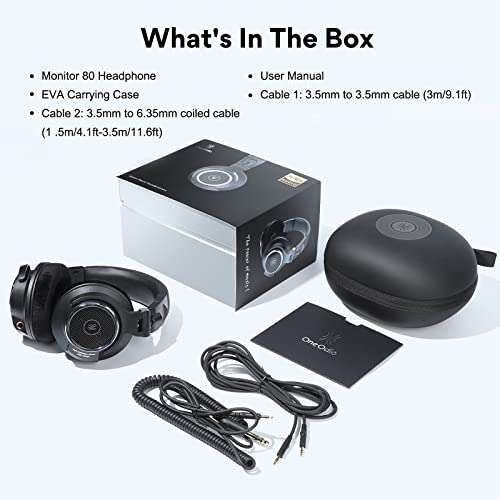
OneOdio Monitor 80 Open Back…
Open-back studio headphones: Hi-Res audio certified, Monitor 80 is a reliable companion for mastering, mixing, or tracking. 250 ohm nominal impedance: The sound it delivers is more stable, solid, and…
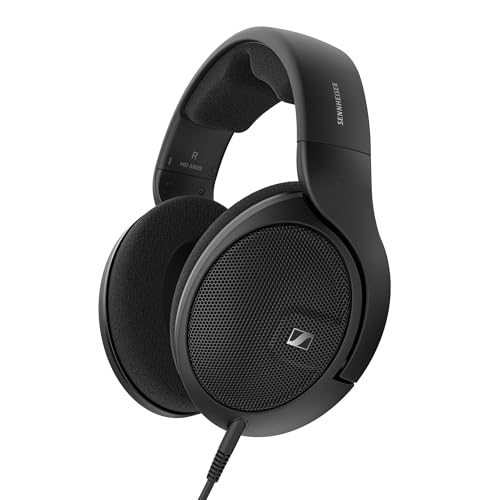
Sennheiser HD 560S Open-Back Over-Ear…
Wide, Natural Soundstage: Open-back design delivers lifelike depth and directional detail. Ideal for music lovers and gamers seeking a more immersive alternative, and creators working on at home audio or…

beyerdynamic DT 990 PRO, 80…
WIDE OPEN SOUND FOR CRITICAL LISTENING: These open-back studio headphones deliver a natural soundstage and detailed spatial imaging. Perfect for professional editing, mixing, and mastering, they reveal subtle nuances and…
OneOdio Monitor 80 (250Ω)
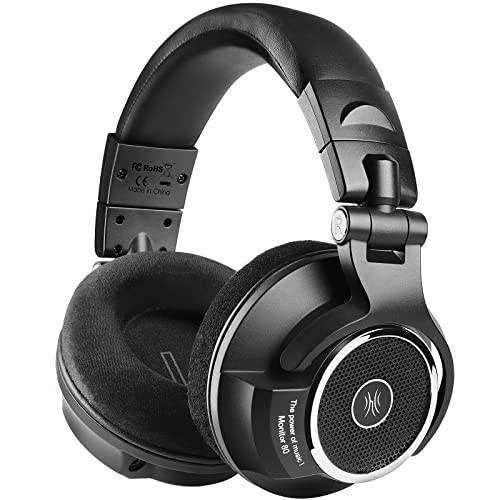
I first tried the OneOdio Monitor 80 as a budget entry to open-back mixing. The velour pads are comfortable for long sessions, and the 250Ω drivers need a decent amp to sing. The presentation is airy and detailed up top. I use them when I need clarity without breaking the bank.
These headphones give a clear midrange and an open soundstage that helps locating instruments. They lack deep sub-bass compared to high-end models, but that’s useful for honest checking. If you feed them a clean signal with an amp, they reveal mix problems well. For the price, they punch above their weight.
Pros:
- Comfortable velour ear pads for long mixes
- Open, airy soundstage that aids instrument placement
- High impedance delivers detail with proper amp
- Affordable way to access open-back benefits
- Lightweight for marathon sessions
Cons:
- Needs a headphone amp or good interface to drive properly
- Sub-bass is limited compared to premium models
- Open-back design leaks sound and isn’t for noisy rooms
My Recommendation
I recommend the OneOdio Monitor 80 to mixers on a budget who want an open soundstage. If you work primarily at home and can drive 250Ω cans, these are a smart value pick. They are one of the best open back headphones for mixing when cost is a major factor.
| Best for | Why |
|---|---|
| Budget studio | Great open sound at a low price |
| Comfort | Velour pads for long sessions |
| Detail checking | Clear mid/high detail for spotting flaws |
Sennheiser HD 560S
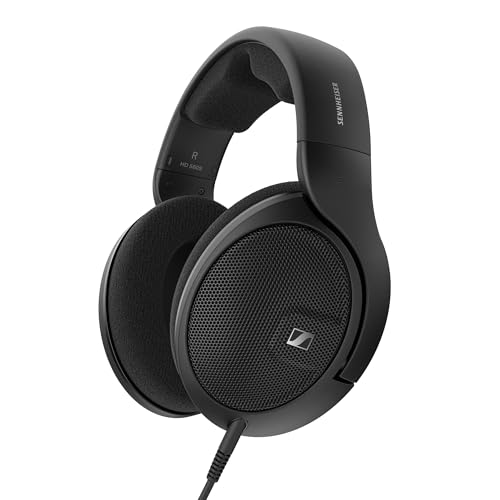
I rely on the Sennheiser HD 560S when I want a neutral reference. These headphones are tuned to be flat and honest. The mids are precise and vocals sit naturally. They make spotting frequency clashes easy.
The HD 560S offers a wide soundstage and tight imaging without adding hype. I can mix for hours thanks to their light weight and balanced voicing. They reveal harshness and muddiness, making them one of the best open back headphones for mixing in my kit. They’re my go-to when I need a transparent second opinion.
Pros:
- Very neutral, reference-grade tuning
- Clear midrange for vocal and instrument checks
- Wide, natural soundstage
- Comfortable for long mixing sessions
- Great resolution for subtle editing
Cons:
- Requires clean source and decent amp for best results
- Less bass extension than some mixes require
- Open-back leakage makes them unsuitable for noisy environments
My Recommendation
I recommend the Sennheiser HD 560S to engineers who want an honest reference headphone. If you prioritize accurate balance when crafting mixes, these are one of the best open back headphones for mixing you can buy. They offer consistent translation and long-term comfort.
| Best for | Why |
|---|---|
| Reference mixing | Neutral, flat tuning for honest mixes |
| Critical listening | High resolution for fine detail |
| Long sessions | Lightweight and comfortable fit |
beyerdynamic DT 990 PRO 80Ω

DT 990 PRO has been a studio favorite for decades. The 80Ω version gives a lively top end and punchy, controlled bass. Imaging is very wide, so panning decisions are clear. I use them to test headphone translation and to check high-frequency detail.
The velour pads are soft and isolate enough for focused work. They add a hint of sparkle, which is useful for making sure mixes don’t sound dull. For me, these are a go-to for reference and creativity. They are among the best open back headphones for mixing for many engineers.
Pros:
- Open, wide stereo image for accurate panning
- Punchy bass that helps balance low end
- Detailed treble for spotting harsh frequencies
- Durable German build quality
- Comfortable velour pads for long sessions
Cons:
- Treble can be a bit bright for some
- Open design not for loud environments
- Not fully neutral—adds slight HF elevation
My Recommendation
I recommend the beyerdynamic DT 990 PRO 80Ω for mixers who want a lively, revealing pair of open cans. If you need strong imaging and a bit of sparkle to test your mix’s clarity, these are one of the best open back headphones for mixing. They offer durable build and proven performance.
| Best for | Why |
|---|---|
| Panning work | Wide, clear stereo image |
| Detail checking | Resolving high-frequency issues |
| Durability | Sturdy German engineering |
Philips Open Back Headphones

Philips open back headphones offer comfort and a natural sound at an approachable price. The cushioned ear cups make long mixes easier on the ears. They won’t match pro studio cans in resolution, but they give a pleasing, wide soundstage. I use them as a casual reference when I need a second opinion.
The tuning is balanced and forgiving, so you can catch glaring mix issues without fatigue. They’re light and easy to wear for home projects. For beginners or podcasters who mix light music work, these are a handy tool. They’re a practical, low-cost way to experience open-back mixing benefits.
Pros:
- Very comfortable cushions for long wear
- Natural, pleasing tonality for casual mixes
- Lightweight and easy to transport
- Affordable entry into open-back listening
- Simple, user-friendly fit
Cons:
- Not studio-grade resolution for critical mastering
- Open design leaks sound and offers limited isolation
- Build quality is modest compared to pro brands
My Recommendation
I recommend Philips open back headphones for hobbyists and podcasters who want a comfortable, wide-sounding option without a high price. If you’re learning mixing basics and need a friendly-sounding pair, they’re a good starting point. They are one of the best open back headphones for mixing when comfort and cost matter most.
| Best for | Why |
|---|---|
| Beginners | Easy to wear and forgiving sound |
| Comfort | Cushioned ear cups for long sessions |
| Casual checking | Pleasant tonality for quick references |
Audio-Technica ATH-R50X

The ATH-R50X is Audio-Technica’s modern take on reference open-back cans. They deliver a neutral midrange with accurate imaging. The soundstage is broad and natural. I use them when I need precise vocal and acoustic instrument placement.
Build quality is solid and the ear pads are breathable for long sessions. They translate well to consumer systems and monitors. I find them to be consistent tools that help me make mix decisions with confidence. They rank among the best open back headphones for mixing for clarity and comfort.
Pros:
- Neutral midrange for reliable vocal checks
- Wide, natural soundstage
- Comfortable for extended use
- Good build and breathable pads
- Translates well to speakers and consumer gear
Cons:
- Not the deepest bass compared to closed models
- Require clean source for best neutrality
My Recommendation
I recommend the Audio-Technica ATH-R50X for engineers who want a neutral, comfortable option for long mixing sessions. If you need reliable translation and honest imaging, these are a strong pick. They’re one of the best open back headphones for mixing in their class.
| Best for | Why |
|---|---|
| Vocal work | Neutral midrange for clear voices |
| Translation checks | Consistent across systems |
| Comfort | Breathable pads for long hours |
beyerdynamic DT 990 PRO (Gray 80Ω)

This DT 990 PRO variant offers the same acclaimed sound as the classic, with gray velour pads for comfort. The signature bright treble and wide imaging help you hear consonants and cymbal details. Bass remains rounded yet defined. I find them helpful when I need a little extra top clarity to spot harshness.
The fit is forgiving and durable for studio life. I often switch to these when I want to test harshness or sibilance in a mix. They’re bright but revealing, which is why many engineers count them among the best open back headphones for mixing. They make tweaking high frequencies straightforward.
Pros:
- Revealing treble for sibilance checks
- Wide, spacious stereo image
- Comfortable velour pads
- Durable for daily studio use
- Clear midrange for instrument placement
Cons:
- Treble can feel fatiguing to sensitive ears
- Not the final choice for bass-critical tasks
- Leaky design unsuitable for shared spaces
My Recommendation
I recommend the beyerdynamic DT 990 PRO (Gray 80Ω) for mixers who need clarity and detail in the top end. If you want to catch harshness and get a wide sense of space, these are one of the best open back headphones for mixing. They’re durable and great for pinpointing HF issues.
| Best for | Why |
|---|---|
| HF scrutiny | Bright treble reveals sibilance |
| Spatial mixing | Large, clear soundstage |
| Studio durability | Built for daily use |
Audio-Technica ATH-R30X

The ATH-R30X gives a lean, honest presentation that I like for spotting balance issues. It’s lighter and slightly more affordable than the R50X. The imaging is crisp and the midrange is accurate. I use these when I need a compact, reliable reference pair.
They suit fast editing and corrective mixing. While not the deepest in bass, they help keep low end honest. For mixing on the go or in tight spaces, they’re a handy option. I consider them among the best open back headphones for mixing when portability matters.
Pros:
- Accurate midrange for quick decisions
- Lightweight and portable
- Good imaging for small-room mixing
- Reasonable price for reference sound
- Comfortable for medium-length sessions
Cons:
- Limited sub-bass compared to larger models
- Not as plush for marathon sessions
- Open design leaks sound
My Recommendation
I recommend the Audio-Technica ATH-R30X for mixers who need a compact, honest-sounding pair of open-back cans. If you mix in small spaces or travel between setups, these are one of the best open back headphones for mixing you can use on the move. They balance accuracy and portability well.
| Best for | Why |
|---|---|
| Mobile mixing | Lightweight and compact |
| Quick edits | Accurate midrange for decisions |
| Budget-conscious pros | Reference sound at lower cost |
Sennheiser HD 599 SE

The HD 599 SE heads more toward a musical, comfortable sound. The mids are warm and the highs are smooth. I often use them for long mix passes when I want to avoid fatigue. They help me hear tonal balance without an overly clinical edge.
These are not strictly reference cans, but they translate well to consumer playback. They’re ideal for checking how a mix will feel on typical systems. If you want a mix that sits well on streaming platforms, the HD 599 SE are among the best open back headphones for mixing for that use-case.
Pros:
- Warm, pleasant tonality
- Very comfortable for long sessions
- Smooth highs that reduce ear fatigue
- Good translation to consumer systems
- Attractive, well-made design
Cons:
- Not strictly neutral for reference mastering
- Less resolving than pro-grade models
- Open design not suitable for noisy rooms
My Recommendation
I recommend the Sennheiser HD 599 SE for mixers who want comfort and musical balance during long sessions. If you’re checking mixes for streaming and consumer enjoyment, these are one of the best open back headphones for mixing to preview tonal impact. They offer comfort and pleasing sound.
| Best for | Why |
|---|---|
| Long sessions | Soft pads and warm tuning |
| Streaming checks | Translates to consumer playback |
| Comfort-focused users | Low fatigue for hours of work |
AKG K240STUDIO (Semi-Open)

The AKG K240STUDIO is a studio classic. Its semi-open design blends some isolation with open-air imaging. The midrange is focused, making instrument masks easy to spot. I use them when I need an old-school, reliable reference that many pros still trust.
They have a distinctive sound that some engineers prefer for tracking and mixing. The headphones are rugged and inexpensive. If you want a proven tool that works across years of projects, this is one of the best open back headphones for mixing when you need a classic sound and function.
Pros:
- Classic, trusted tuning for studios
- Semi-open design balances imaging and isolation
- Solid build for heavy use
- Affordable and replaceable parts
- Reliable midrange focus for instrument clarity
Cons:
- Design feels dated compared to modern cans
- Not as airy as true open-back models
- Comfort can vary by head shape
My Recommendation
I recommend the AKG K240STUDIO for mixers who want a tried-and-true tool with semi-open character. If you need a reliable pair that has been used on countless mixes, these are one of the best open back headphones for mixing in terms of legacy and function. They’re practical and time-tested.
| Best for | Why |
|---|---|
| Tracking and mixing | Semi-open balance for both tasks |
| Studio budgets | Affordable and dependable |
| Classic sound | Trusted tuning used by pros |
beyerdynamic DT 990 Pro X (48Ω)

The DT 990 Pro X 48Ω is tuned for modern interfaces and portable amps. It keeps the DT 990 signature but lowers impedance for easier driveability. The treble remains lively and detail-forward. I find them versatile for studio and desktop use without a heavy amp.
They offer wide imaging and retain useful bass punch. For many mixers, the 48Ω option is the sweet spot between gear compatibility and performance. I consider them one of the best open back headphones for mixing if you want immediate drive without sacrificing character.
Pros:
- Easier to drive with interfaces and portable amps
- Retains DT 990’s revealing treble and imaging
- Good bass definition for balancing low end
- Comfortable velour pads
- Great for desktop and home studio setups
Cons:
- Still bright for those sensitive to HF
- Open design leaks sound
- Can emphasize sibilance if present in the mix
My Recommendation
I recommend the beyerdynamic DT 990 Pro X 48Ω for mixers who want DT 990 sound with easier driveability. If you use a laptop or interface without a dedicated amp, these are one of the best open back headphones for mixing that work out of the box. They balance convenience and clarity.
| Best for | Why |
|---|---|
| Desktop mixing | Easier to drive with common interfaces |
| Detail work | Reveals treble and imaging |
| Home studios | Comfort and good bass control |
FAQs Of best open back headphones for mixing
What makes open back headphones good for mixing?
Open back headphones create a wider, more natural soundstage. That helps you judge stereo placement and reverb more clearly. I find they reveal frequency clashes and imaging issues faster than closed cans.
Do I need an amp for open back headphones?
It depends on the model. High-impedance cans like some DT 990 or OneOdio 250Ω benefit from an amp. Lower-impedance options like DT 990 Pro X 48Ω work well with most interfaces. I always try a quick test with my interface first.
Can I use open back headphones in a noisy room?
No. Open back designs leak sound and let outside noise in. They work best in quiet rooms. If you work in a noisy environment, closed-back or semi-open headphones are better.
Which headphone is best for mastering vs. mixing?
For mixing I prefer neutral, revealing cans like the Sennheiser HD 560S or ATH-R50X. For mastering, you want extreme clarity and flat response. I use the same neutral references for both tasks, but I also check mixes on speakers and consumer headphones to confirm translation.
How do I choose the best open back headphones for mixing?
Choose based on neutrality, comfort, and how they translate to speakers. I test for honest mids, controlled bass, and a clear soundstage. Also consider impedance and how you’ll drive them.
Final Verdict: Which Should You Buy?
If you want a neutral, reliable reference, I pick the Sennheiser HD 560S as my top choice. For a lively, revealing option with long studio history, the beyerdynamic DT 990 PRO family is excellent. Both are among the best open back headphones for mixing I use and recommend.
For tight budgets, OneOdio Monitor 80 or Philips offer solid entry points. Choose the pair that matches your gear and room. I test mixes on multiple pairs to ensure translation across systems.

Everett Ashford is a tech reviewer at mytechgrid.com specializing in SSDs, cameras, TVs, earbuds, headphones, and other consumer electronics. He provides honest, data-driven reviews based on hands-on testing and real-world performance analysis. Everett simplifies complex tech details to help readers make smart, confident buying decisions.