Yes — many rental cars include cameras or tracking devices, but types and uses vary widely.
I've worked with car fleets and rented dozens of vehicles, so I know the typical setups and the questions renters ask. This article answers do rental cars have cameras in plain language, explains why companies use them, shows how to spot and handle cameras, and lays out your rights and practical steps to protect privacy. Read on to get clear, actionable guidance so you can rent with confidence.
What kinds of cameras and recording devices are found in rental cars?
Rental fleets use several types of camera and data devices. The two main categories are visible cameras and telematics/black-box systems.
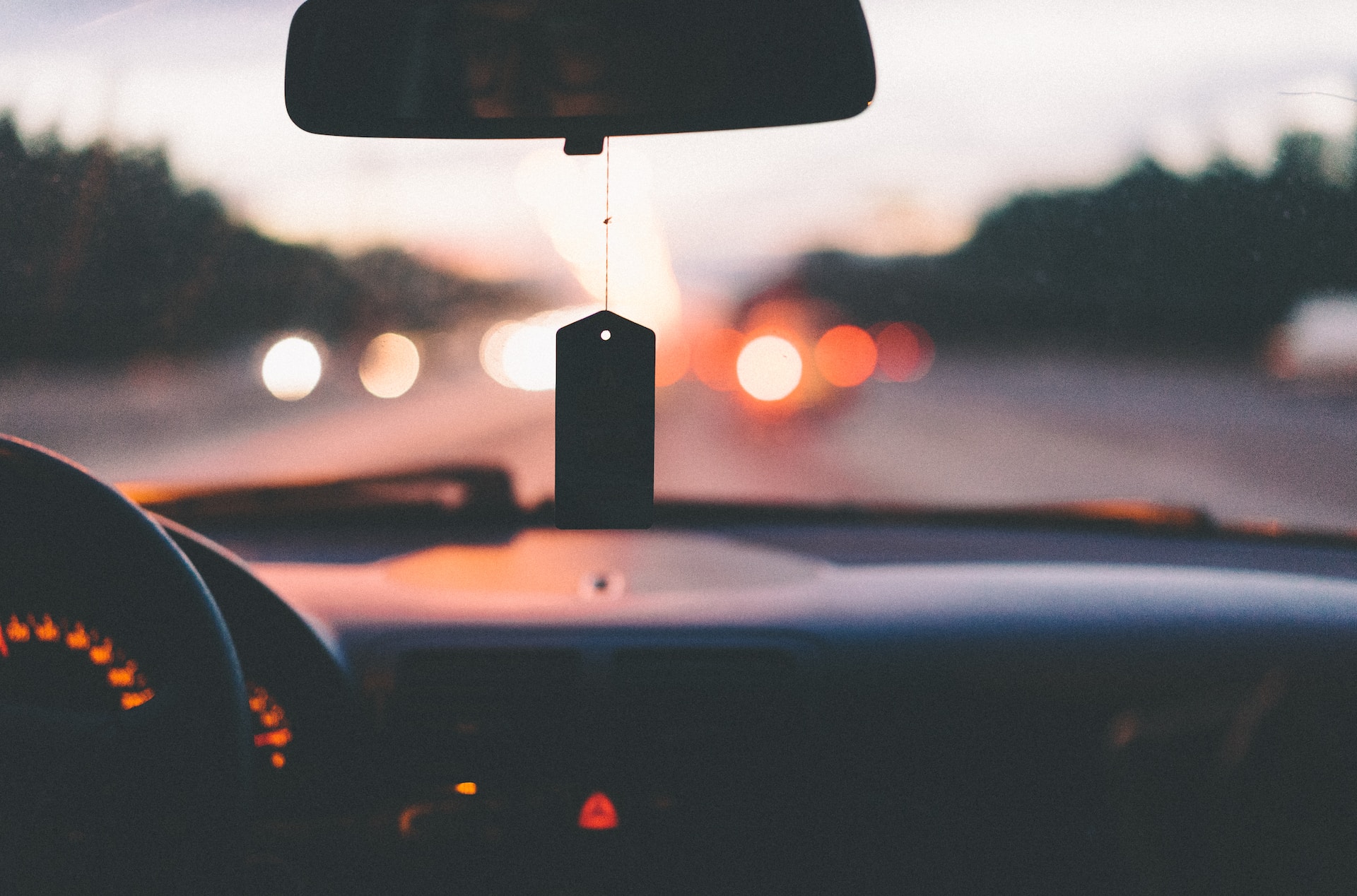
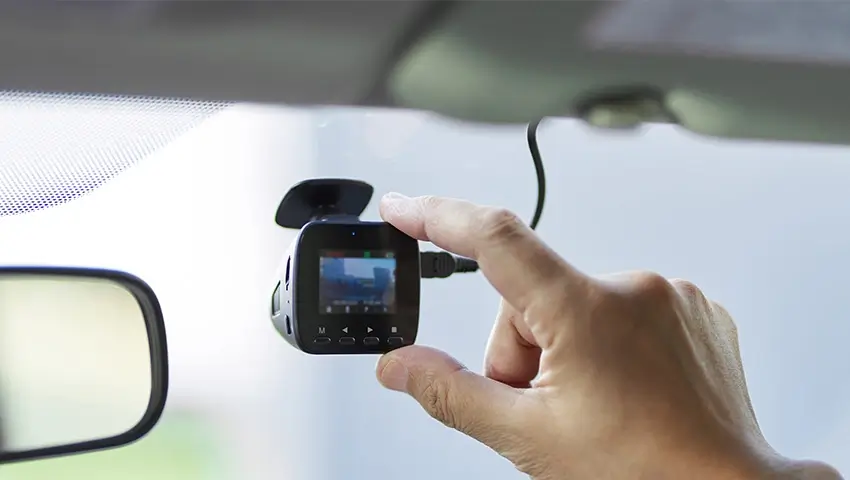
- Dash cams or mirror cams: Cameras mounted on or near the windshield that record video of the road and sometimes the cabin. These are visible and often obvious.
- Backup and parking cameras: Standard on many modern cars; they activate when reversing and may record short clips for parking assistance.
- Driver-facing cameras: Less common in consumer rentals, more common in commercial fleets, rideshare or specialty vehicles. They monitor driver behavior.
- Telematics units and GPS trackers: These record location, speed, hard braking, and may store incident data. They are not always cameras but collect sensitive data.
- Event data recorders: Built into many modern cars; capture snapshot data during crashes but usually do not record video.
Why this matters: when someone asks do rental cars have cameras, the answer depends on the fleet and the device type. A rental may have only GPS telemetry, visible dash cams, or both. Smaller local rental shops are less likely to install driver-facing cameras than large corporate fleets or specialty providers.

Why rental companies install cameras and tracking systems
Companies add cameras and telematics to protect assets, cut costs, and manage risk. Knowing the reasons helps you understand what data is collected and why.
- Theft recovery and location tracking: GPS devices help recover stolen vehicles quickly and support law enforcement.
- Damage documentation: Dash cams and parking cameras provide evidence of accidents or vandalism. This speeds up claims.
- Driver behavior and safety: Telematics can flag unsafe driving like speeding or harsh braking. Fleets use this to train drivers and reduce incidents.
- Liability and claims support: Video evidence can show who was at fault, reducing fraudulent claims and disputed charges.
- Operational insights: Companies use data to plan maintenance, route usage, and vehicle replacement.
These systems are tools for cost control and safety. They are not usually used to spy on casual renters, but the data they gather can affect billing or claims. If you worry about privacy, noting motivation clarifies which devices matter most when you ask do rental cars have cameras.
Legal and privacy considerations in the U.S.
Privacy and recording laws vary by state and by context. Understanding rules helps you protect yourself and avoid legal issues.
- One-party vs two-party consent: Some states require all parties to consent to audio recording. Video-only devices that don’t capture audio are often subject to fewer restrictions.
- Expectation of privacy: Rental vehicles are private property of the rental company. Courts often treat in-car recordings differently than public recordings.
- Rental agreements: Companies disclose data collection in contracts or privacy policies. Read these carefully before signing.
- Law enforcement access: Stored footage or telematics data can be obtained by police with proper legal process.
- Consumer protection rules: Regulatory agencies may require disclosures about data use for insurance or billing adjustments.
Action point: when you rent, ask specifically whether the vehicle records audio, stores location history, or streams data remotely. State law differences mean you should confirm based on where you rent.

How to check for and identify cameras in a rental car
A quick inspection takes a few minutes and lets you spot visible devices and learn about hidden trackers.
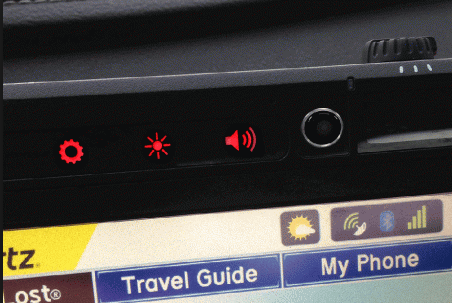
- Visual sweep: Look at the windshield near the rearview mirror, the dashboard, and the rear window for small cameras or mirror units.
- Check the infotainment settings: Telematics or connected car services may appear in the menu. Look for terms like “Connected Services,” “Vehicle Health,” or “Telematics.”
- Inspect the glovebox and under the dash: Some GPS modules or telematics units are tucked under panels or inside fuse boxes.
- Ask the agent: Request a plain answer about cameras, audio recording, and GPS tracking. Ask for it to be noted in the rental agreement.
- Use your phone camera: Turn off interior lights and use your phone to scan for infrared LEDs from cameras if you suspect a covert device.
If you find a camera or device you are uncomfortable with, politely ask for a different car or have the company disable the feature. Note anything unusual before you drive off and take photos to document condition.
Practical tips, real-life experience, and mistakes to avoid
I’ve rented cars across states and tested for cameras. Here are lessons I learned and advice you can use.
- Always read the rental contract for data-collection clauses. I once missed a clause that allowed GPS tracking and later had to provide a trip log for an insurance claim.
- Document preexisting damage with photos and time stamps. Video or photos protect you if a camera later records an incident and the fleet disputes responsibility.
- Ask for disclosure in writing when you request no cameras. Verbal assurances are helpful but written notes in the contract are stronger.
- If a dash cam records audio, ask it to be turned off or request another vehicle. Audio recording triggers different legal rules in many states.
- Covering a forward-facing dash cam can violate rental policy and create liability. Request a replacement car instead of tampering.
Tip for power users: use a Bluetooth or USB tester to inspect ports—some telematics devices use OBD-II ports or wired modules. I once found an aftermarket telematics dongle in the OBD-II port of a car and documented it before renting.

PAA-style quick questions
Do rental cars usually have dash cams?
Many rental cars do not have visible dash cams, but larger fleets and specialty rentals increasingly install them for damage control and claims. Check with the rental company to be sure.
Can rental companies track your location?
Yes. Telematics and GPS can track location, mileage, and trip routes. This data is commonly used for theft recovery and fleet management.
Are you allowed to disable cameras in a rental car?
Disabling company-installed devices may violate the rental agreement and could result in fees or denial of coverage. Ask for a vehicle swap instead of tampering.

Frequently Asked Questions of do rental cars have cameras
Do rental companies tell you if a car has cameras?
Most reputable rental companies disclose recording or tracking in the rental agreement or privacy policy. Always ask at the counter and request written confirmation if you need clarity.
Will cameras in rental cars record audio?
Some devices record audio, but many dash cams record video only. Audio recording is subject to stricter state laws, so confirm audio capability before renting.
Can footage from rental car cameras be used against you?
Yes. Video and telematics data can be used in damage claims, insurance disputes, or legal cases. That’s why documenting the car’s condition is important.
How can I protect my privacy when renting a car?
Ask about data collection, request vehicles without driver-facing cameras, document preexisting damage, and keep a copy of the rental agreement that discloses data practices.
Are hidden cameras common in rental cars?
Hidden cameras are rare in consumer rental fleets; most devices are visible or disclosed for legal reasons. If you suspect an undisclosed device, report it and request a different vehicle.
Conclusion
Most rental cars either have no cameras or have clear, disclosed devices like backup cameras, dash cams, or telematics units. Knowing the kinds of devices, the reasons companies use them, and your legal rights lets you make smart choices when you rent. Take a few minutes to inspect the vehicle, read the rental agreement, and ask direct questions at the counter. Doing that will protect your privacy, avoid surprises on your bill, and keep your trip stress-free.
If this helped, leave a comment with your rental camera experiences, subscribe for more practical travel tech tips, or check your next rental agreement with these checks in mind.

Jamie Lee is a seasoned tech analyst and writer at MyTechGrid.com, known for making the rapidly evolving world of technology accessible to all. Jamie’s work focuses on emerging technologies, product deep-dives, and industry trends—translating complex concepts into engaging, easy-to-understand content. When not researching the latest breakthroughs, Jamie enjoys exploring new tools, testing gadgets, and helping readers navigate the digital world with confidence.