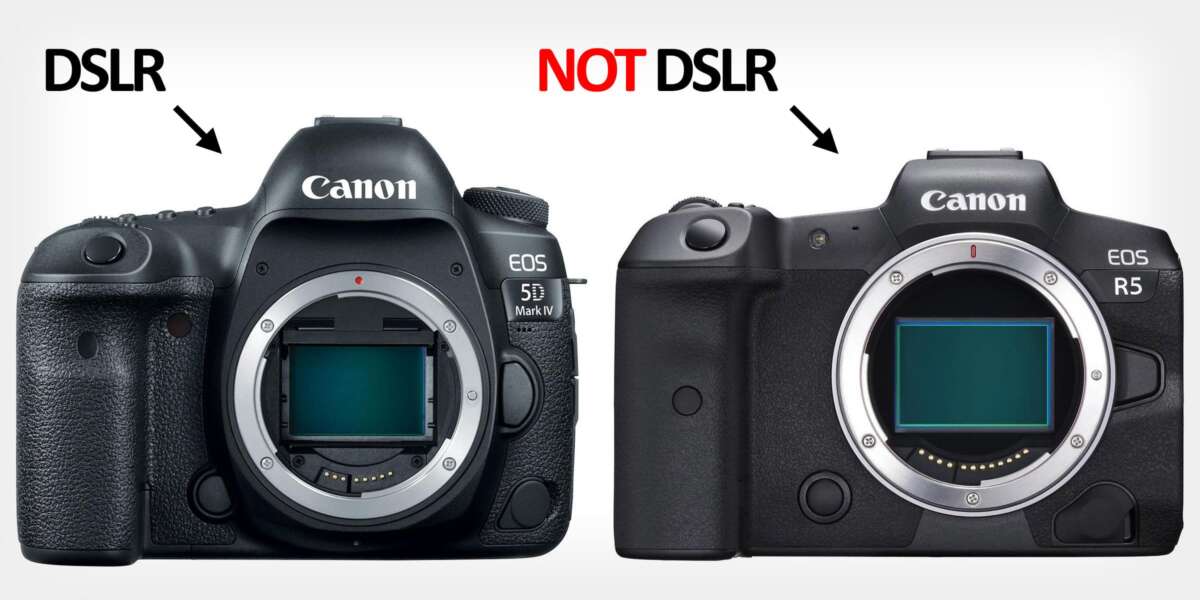
A DSLR camera is a digital camera with a mirror system and interchangeable lenses.
I’ve worked with cameras for years, teaching beginners and shooting in the field. If you’ve ever typed “what is the dslr camera” into a search bar, this article answers that question clearly and deeply. You’ll get a plain definition, how a DSLR works, real-life tips, and help choosing the right model. I’ll also share mistakes I’ve made and fixes that save you time and money. Read on to learn what is the dslr camera and why it still matters today.
What is a DSLR camera?
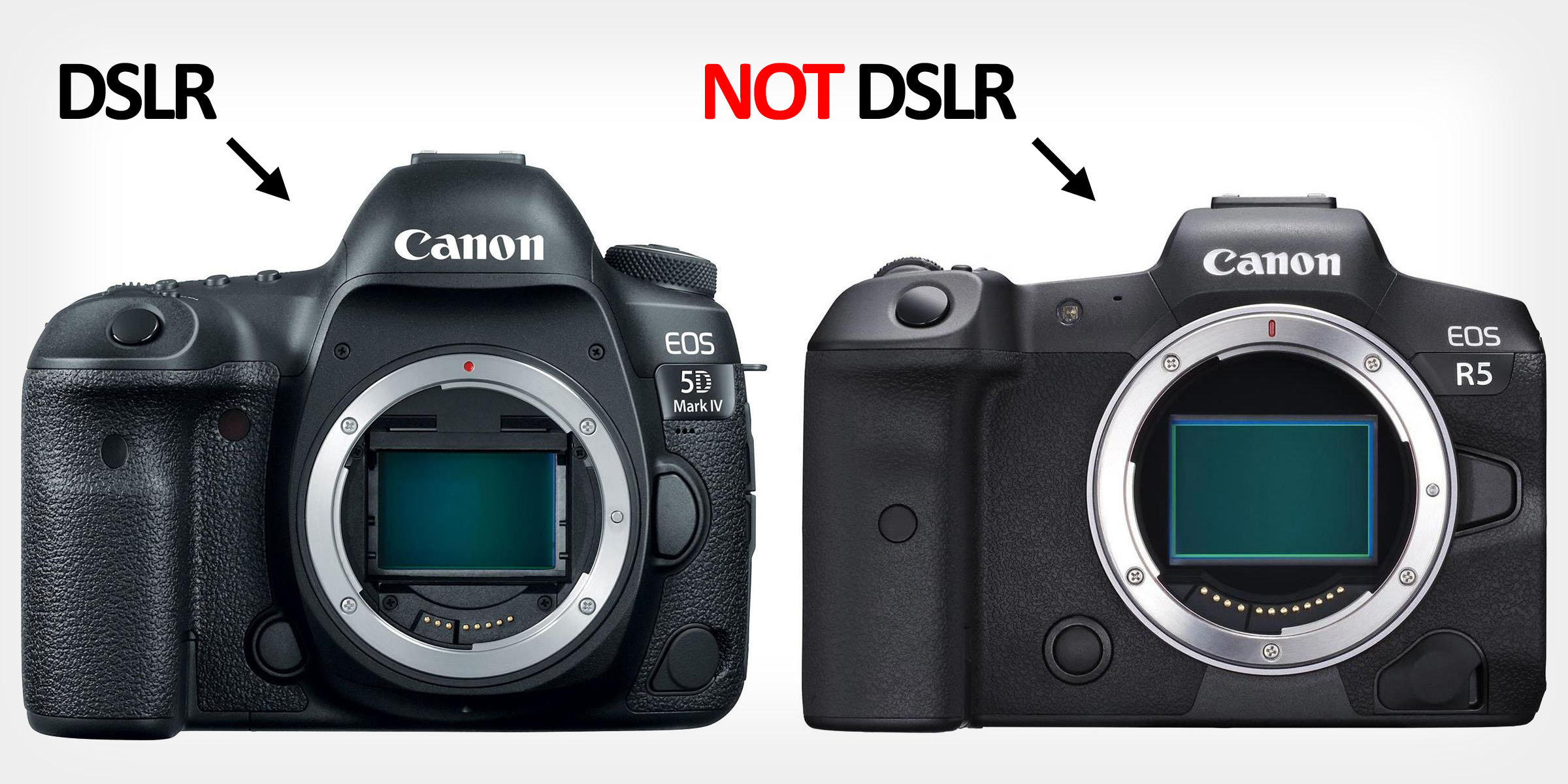
A DSLR answers the simple question: what is the dslr camera in practical terms? It stands for Digital Single-Lens Reflex. That means the camera uses a single lens and a reflex mirror that flips up when you take a photo. The mirror directs light from the lens to an optical viewfinder so you see exactly what the lens sees.
Key points about what is the dslr camera:
- Uses a mirror and prism to give an optical viewfinder image.
- Has interchangeable lenses for different jobs.
- Contains a digital image sensor that records photos.
- Offers manual controls for shutter, aperture, and ISO.
How it works in short:
- Light enters the lens.
- The reflex mirror directs light to the viewfinder.
- When you press the shutter, the mirror flips up and the sensor captures the image.
- The camera processes and stores the file on a memory card.
I always explain what is the dslr camera this way to beginners because the optical viewfinder and mirror are the main traits that set DSLRs apart. They give a direct, delay-free look at your scene.
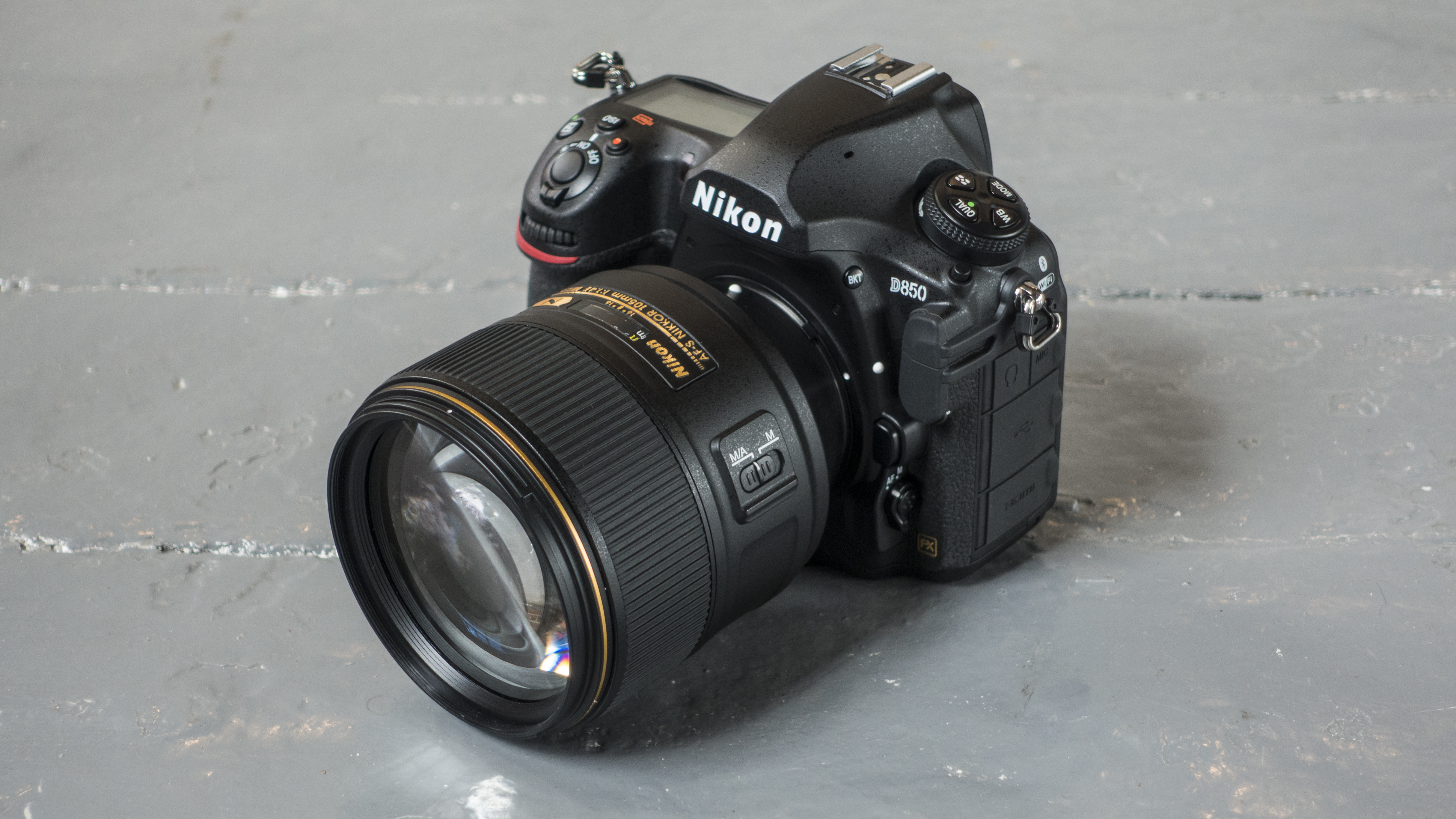
DSLR vs mirrorless, compact, and smartphone cameras
Many people ask whether they need to know what is the dslr camera anymore. The camera market now includes mirrorless models and smartphones that take excellent photos. Here’s a clear comparison.
DSLR vs mirrorless
- DSLR uses a mirror and optical viewfinder. Mirrorless uses electronic viewfinder or rear screen.
- DSLR often has longer battery life and a large lens catalog. Mirrorless tends to be lighter and offers silent shooting.
- For fast optical tracking in some models, DSLR still performs well, but mirrorless autofocus has improved rapidly.
DSLR vs compact cameras
- Compact cameras are smaller and simple. DSLRs give more manual control and better image quality.
- Compact cameras are great for casual use; DSLRs suit learning and serious work.
DSLR vs smartphone
- Smartphones win convenience. DSLRs offer larger sensors, better depth control, and more creative lens choices.
- If you ask what is the dslr camera to compare with a phone, think of DSLRs as tools for higher image quality and creative control.
If your search intent is to learn what is the dslr camera and whether to buy one, consider your needs: portability, learning, and the type of photography you plan to do.

Key features of DSLR cameras
Understanding what is the dslr camera means knowing its main features. Here are the parts that matter most.
Interchangeable lenses
- Swap lenses for portraits, landscapes, macro, or telephoto shots.
- Lens choice affects sharpness, field of view, and background blur.
Optical viewfinder
- Shows a true optical view with no lag.
- Helpful in bright light and for tracking moving subjects.
Autofocus systems
- Phase-detection AF in many DSLRs is fast for moving subjects.
- High-end DSLRs have advanced AF points and tracking modes.
Sensor types and sizes
- Full-frame, APS-C, and sometimes smaller sensors. Larger sensors usually deliver better dynamic range and low-light performance.
Manual controls
- Shutter speed, aperture, and ISO give precise exposure control.
- Raw capture allows maximum editing flexibility.
Durability and ergonomics
- DSLRs are often robust with comfortable grips and many physical controls.
- Good for long shoots and varied weather conditions.
Connectivity and video
- Modern DSLRs include Wi-Fi, Bluetooth, and 4K or HD video. They also connect to apps for remote control.
These features explain why photographers who ask what is the dslr camera often choose DSLRs for learning and professional work.

Benefits and limitations of DSLRs
When searching for what is the dslr camera, weigh pros and cons.
Benefits
- Excellent battery life compared to many mirrorless bodies.
- Vast selection of lenses and accessories built over decades.
- Optical viewfinder gives a real-time, high-quality view.
- Strong handling and physical controls for fast adjustments.
Limitations
- Bulkier and heavier than many mirrorless cameras.
- Mirror mechanism adds mechanical complexity and potential wear.
- Live view autofocus historically slower than mirrorless, though this has improved.
- Newer mirrorless technology may outpace DSLRs in some areas.
I recommend considering these trade-offs when deciding whether a DSLR fits your needs.
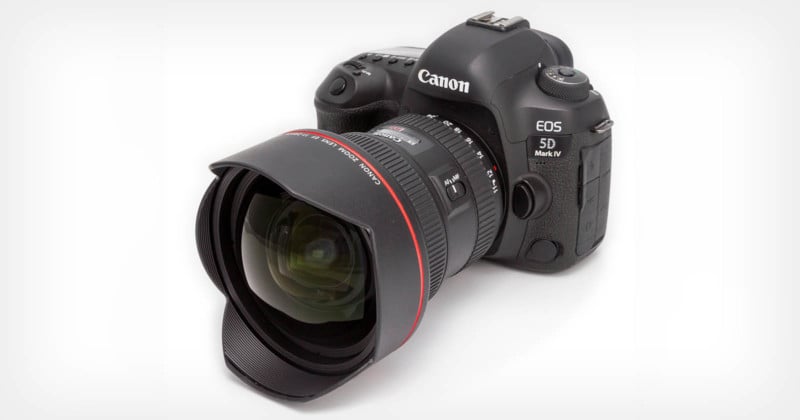
How to choose a DSLR: practical guide
If you're asking what is the dslr camera because you want to buy one, follow these steps. They reflect my experience helping students pick first cameras.
- Define your main use
- Travel and street: choose a lighter DSLR with a versatile zoom.
- Portraits: focus on sensor size and lens selection for shallow depth of field.
- Wildlife or sports: prioritize fast autofocus and a telephoto lens.
- Set a budget
- Entry-level DSLRs offer great value. Mid-range bodies add faster AF and better build.
- Don't forget lenses—they matter more than the body.
- Check lens availability
- Research lenses for focal lengths you’ll use. Famous brands have vast lens lineups.
- Try handling the camera
- Hold it. Check button placement, grip, and menu layout. Comfort matters in long shoots.
- Read real-world reviews and sample images
- Look for sample photos at different ISOs and in mixed lighting.
These steps answer what is the dslr camera for buyers and help you choose one that fits your goals.

Tips for using and maintaining your DSLR
Here are practical tips I learned while shooting events and teaching workshops about what is the dslr camera.
- Learn exposure basics: practice shutter, aperture, and ISO so you can react fast.
- Use raw files for editing flexibility; they save detail and color range.
- Clean the sensor carefully or have a pro service it to avoid dust spots on images.
- Invest in one good lens rather than many cheap ones; a sharp prime is valuable.
- Carry spare batteries and memory cards for long shoots.
- Update firmware to improve performance and fix bugs.
- Protect your gear with weather sealing or a rain cover when shooting outdoors.
One mistake I made early on was buying multiple kit lenses and neglecting a solid prime. Switching to a single sharp lens improved my photos more than any body upgrade.
Frequently Asked Questions of what is the dslr camera
What is the difference between DSLR and mirrorless cameras?
DSLRs use a mirror and optical viewfinder, while mirrorless cameras use an electronic viewfinder or rear screen. Mirrorless bodies tend to be lighter and offer real-time exposure previews.
Is a DSLR still worth buying in 2026?
Yes. DSLRs remain worth buying if you want long battery life, a wide lens selection, and a robust body for field use. However, mirrorless options have closed the performance gap in many areas.
Can beginners learn photography with a DSLR?
Absolutely. A DSLR gives manual controls and a true optical viewfinder that make learning exposure and composition easier. Many photography courses use DSLRs because they teach fundamentals well.
Do DSLRs take better pictures than smartphones?
Generally, DSLRs produce better image quality, especially in low light and for shallow depth of field. Smartphones excel in convenience and computational processing but can’t match large sensors and optical zoom.
How often should I clean my DSLR sensor?
Clean the sensor only when you see dust spots on images or after heavy lens changes in dusty environments. Use professional cleaning if unsure, as sensor cleaning requires care.
Conclusion
Knowing what is the dslr camera gives you a clear view of why this class of camera remains important. DSLRs offer optical viewfinders, interchangeable lenses, robust controls, and a long history of reliable glass. They suit learners, hobbyists, and pros who value handling and a wide lens ecosystem. If you want to improve your photos, try a DSLR for hands-on learning, pick one lens to master, and practice exposure daily.
Try a camera in person, join a local photo group, or rent a DSLR for a weekend to test it. Share your first shots or questions in the comments and subscribe for deeper guides on lenses, settings, and editing.

Jamie Lee is a seasoned tech analyst and writer at MyTechGrid.com, known for making the rapidly evolving world of technology accessible to all. Jamie’s work focuses on emerging technologies, product deep-dives, and industry trends—translating complex concepts into engaging, easy-to-understand content. When not researching the latest breakthroughs, Jamie enjoys exploring new tools, testing gadgets, and helping readers navigate the digital world with confidence.