Video cameras were invented in stages from the late 1800s to the mid-1900s, evolving from film to electronic systems.
I’ve studied imaging history and worked with many generations of cameras, so I’ll guide you through exactly when were video cameras invented, what that phrase really means, and why the answer depends on which type of camera you mean. Read on to get a clear timeline, meet the key inventors, learn the technical shifts from mechanical film to electronic and digital sensors, and get practical tips from real hands-on experience.

What we mean by "when were video cameras invented"
When people ask when were video cameras invented they may mean three things. They could mean the first motion-picture cameras that captured moving images. They could mean the first electronic cameras that made live television possible. Or they could mean the first portable and consumer video cameras.
- Motion-picture cameras began in the late 19th century and captured movement on film.
- Electronic video cameras for TV emerged in the 1920s and 1930s.
- Portable consumer video cameras appeared in the 1960s and 1970s.
Clarifying which type you mean helps answer when were video cameras invented more precisely. Each milestone changed how people recorded and shared motion.
Key milestones and a clear timeline
Below is a concise timeline answering when were video cameras invented, with the main breakthroughs.
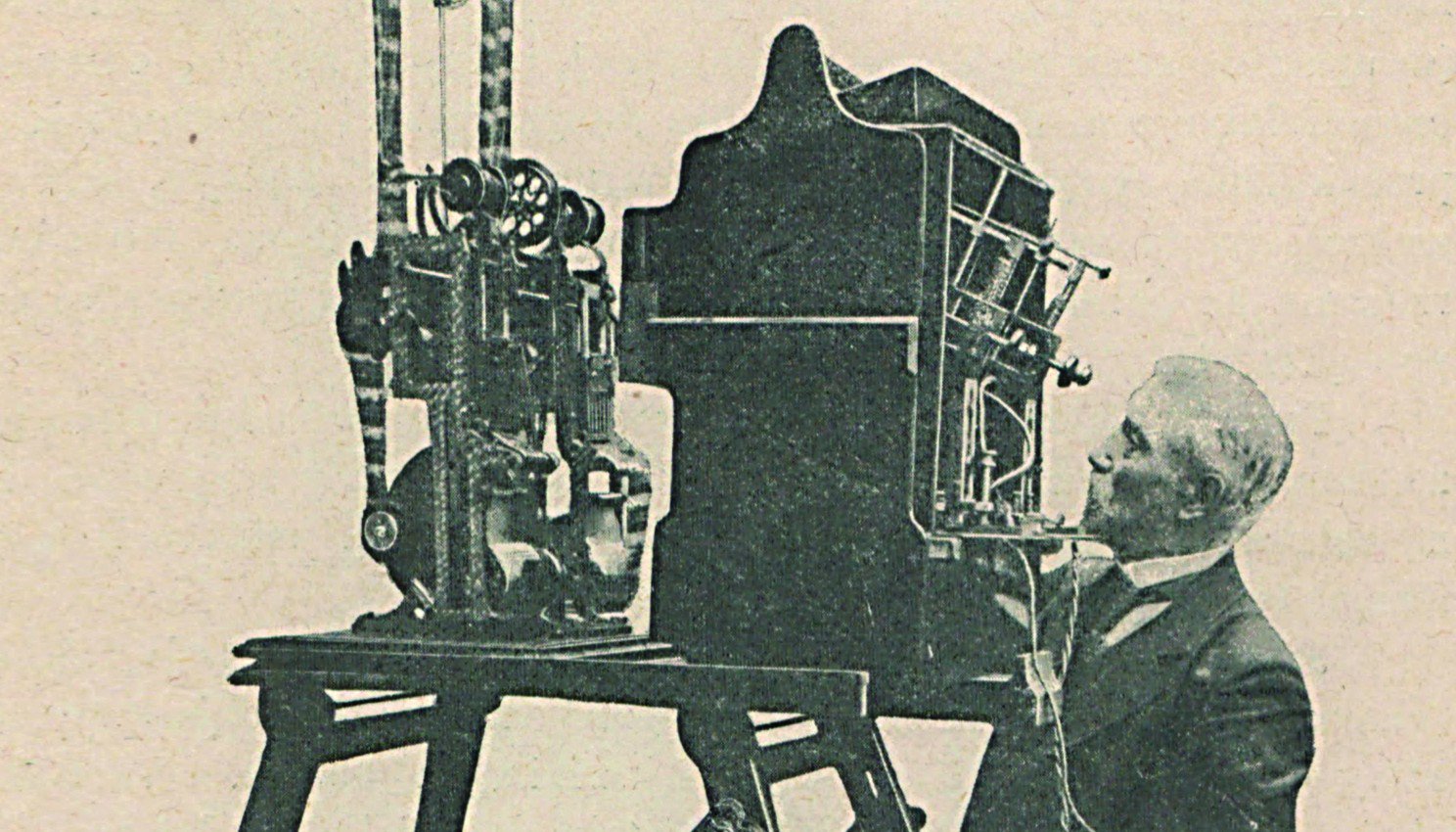
- 1888: Early motion recording — Short films captured on film stock established the first true motion-picture cameras.
- 1891: Kinetograph development — Motion picture camera work advanced for public exhibition and study.
- 1880s–1920s: Mechanical and electromechanical scanners — Experiments with spinning disks and scanning systems explored how to turn images into signals.
- 1920s–1930s: Electronic camera tubes — The image dissector and iconoscope made live television cameras possible.
- 1930s–1940s: Broadcast TV cameras — TV studios used camera tubes for live broadcasts and news.
- 1956: Videotape recorder — Magnetic tape recording for video changed how broadcasts were stored and replayed.
- 1967: Portable video systems — The first lightweight, battery-powered video camera-recorders appeared for field work.
- 1970s–1980s: Consumer camcorders and home video — Cassette-based recorders and combined camera-recorders made video widely available.
- 1980s–2000s: Digital sensors and consumer digital cameras — CCD and later CMOS sensors shifted the world from analog video to digital files and editing.
This timeline shows that answering when were video cameras invented requires a layered reply: late 1800s for motion-picture cameras, 1920s–30s for electronic video cameras, and the 1960s–70s for portable consumer models.

Early inventors and breakthroughs
When were video cameras invented also asks who made them possible. Several inventors and engineers shaped the path.
- A motion-picture pioneer captured early moving images using film reels, helping start modern cinema.
- Engineers developed electromechanical scanning systems that influenced television’s birth.
- Two key electronic contributors built early image tubes and systems that could turn light into an electrical signal.
- Later, companies combined video cameras with tape recorders to make portable systems practical.
Each contributor solved different problems: capturing motion on a medium, converting light to electronic signals, and recording or broadcasting those signals. Together, their work answers when were video cameras invented by showing a steady chain of innovations rather than a single birth event.

The technical evolution: film, tubes, and digital sensors
To understand when were video cameras invented you need to follow the tech changes. Each shift redefined what a "video camera" was.
- Film-based cameras
- Used physical film to record a sequence of photos.
- Produced movies but required processing and projection.
- Electronic tube cameras
- Converted light into an electrical signal using tubes like the iconoscope and image dissector.
- Enabled live television and studio broadcasting.
- Magnetic tape and recorders
- Let broadcasters and producers record live images for later replay.
- Made video editing and archiving practical.
- Solid-state sensors
- CCD sensors in the 1970s and 80s, later CMOS, digitized images directly.
- Led to compact, reliable digital video cameras and modern smartphones.
Each step answers a part of when were video cameras invented: film gave us moving images; tubes gave us real-time video; sensors gave us the digital future.
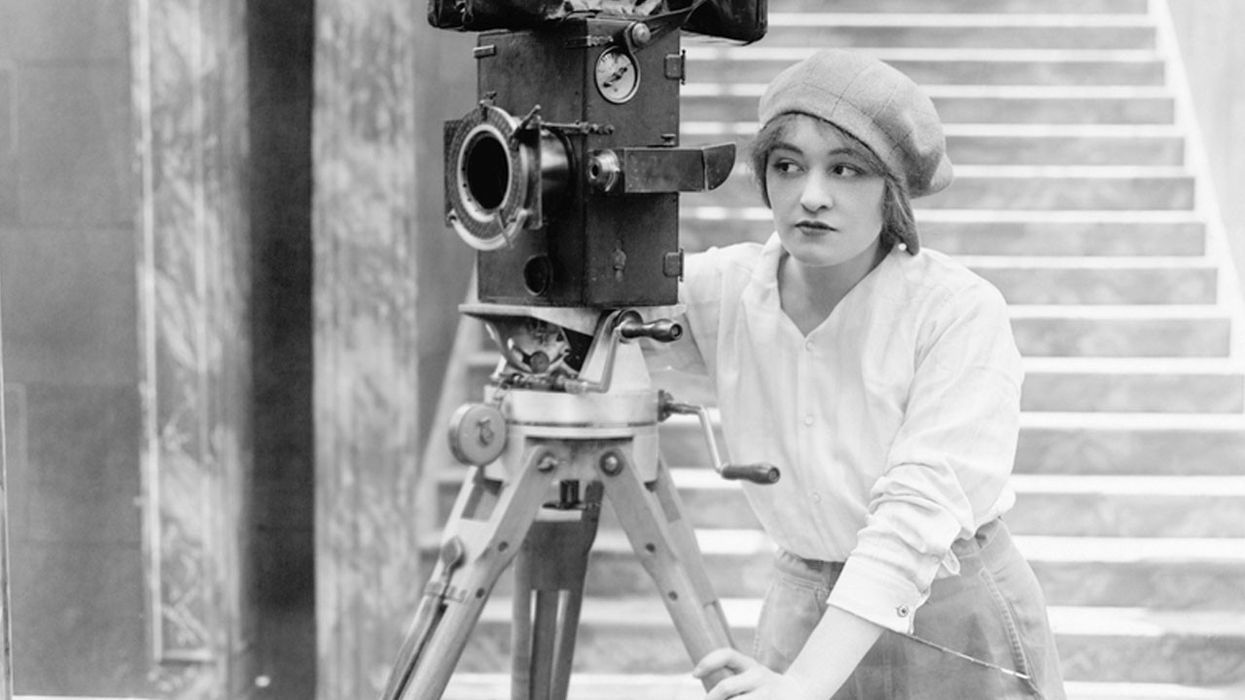
When were video cameras invented: precise answers by category
Here are concise answers tailored to common interpretations of the question when were video cameras invented.
- If you mean moving-image cameras that recorded motion on film: they were invented in the late 1800s.
- If you mean electronic video cameras that made live TV possible: key inventions date to the 1920s and 1930s.
- If you mean the first portable video camera-recorders for field use: the late 1960s brought the first practical units.
- If you mean consumer camcorders that most people used at home: those became common in the 1970s and 1980s.
By stating these variants you get a full view of when were video cameras invented rather than one oversimplified date.
Practical impacts, uses, benefits, and limitations
Knowing when were video cameras invented helps us see their effects and limits.
- Benefits
- Real-time broadcasting and instant sharing.
- Documenting events and preserving history.
- Widespread storytelling and education tools.
- Common uses
- News and live events.
- Filmmaking and content creation.
- Home videos and personal archives.
- Limitations early on
- Early film required chemicals and slow processing.
- Tube cameras were bulky and needed strong lighting.
- Early tape systems had limited quality and durability.
Understanding when were video cameras invented lets creators choose the right tools for a job and appreciate how much the tech has improved.
Personal experience: lessons from using many generations of cameras
I’ve worked with everything from bulky tube-based studio cameras to modern mirrorless DSLRs and phones. That hands-on view shapes how I answer when were video cameras invented.
- Working with a portable tube camera once taught me how critical lighting and cooling were. Mistakes to avoid include underestimating power needs and handling fragile tubes roughly.
- Switching to early CCD-based camcorders showed me how much dynamic range and noise performance matter. A tip: shoot in even light and avoid extreme shadows for best results.
- Today, smartphone video proves you don’t need a lot of gear to tell a good story. Focus on framing, sound, and a simple light source.
These lessons show that knowing when were video cameras invented is useful, but learning how to use them matters even more.
Common quick questions
Here are a few short, high-value follow-ups related to when were video cameras invented.
How did motion-picture cameras lead to video cameras?
Motion-picture cameras captured sequences of images on film in the late 1800s. That idea of recording movement laid the groundwork for later electronic and magnetic recording systems.
When did television start using electronic cameras?
Television adopted electronic camera tubes in the 1920s and 1930s, which allowed live image transmission and studio production.
Did videotape change everything?
Yes. The arrival of magnetic videotape in the 1950s and its commercial refinements in the 1950s and 60s made recording, editing, and rebroadcasting practical. That was a major shift after the initial invention of video camera technology.
Frequently Asked Questions of when were video cameras invented
What is the earliest example of a device that recorded moving images?
The earliest devices that recorded moving images appeared in the late 1800s using photographic film. They created short motion sequences that could be played back as movies.
Who invented the first electronic video camera?
Multiple inventors developed early electronic camera tubes in the 1920s and 1930s, which together enabled live television imaging and practical broadcast cameras.
When did portable video cameras first become available?
Portable video camera-recorders first became practical in the late 1960s with early battery-powered units for field use and reporting.
When did camcorders become common for consumers?
Consumer camcorders and home video systems became common in the 1970s and 1980s as cassette tapes and combined camera-recorders were mass marketed.
How did digital sensors change video cameras?
Digital sensors like CCD and later CMOS allowed cameras to capture images as electronic data. This simplified recording, editing, and sharing, and led directly to modern digital video and smartphone cameras.
Conclusion
The short answer to when were video cameras invented depends on your definition: motion-picture cameras came in the late 1800s, electronic video cameras for TV in the 1920s–30s, and portable consumer video cameras in the 1960s–70s. Each era solved different technical and social problems and led to new ways for people to record and share life.
If you’re curious, explore vintage documentaries or try shooting with different camera types to feel the differences firsthand. Share your experience or questions below, subscribe for more tech-history guides, or try a project that traces video tech through personal practice.

Jamie Lee is a seasoned tech analyst and writer at MyTechGrid.com, known for making the rapidly evolving world of technology accessible to all. Jamie’s work focuses on emerging technologies, product deep-dives, and industry trends—translating complex concepts into engaging, easy-to-understand content. When not researching the latest breakthroughs, Jamie enjoys exploring new tools, testing gadgets, and helping readers navigate the digital world with confidence.